
Some of the world’s most famous landmarks aren’t just places you visit. These are places you can only look at from a distance or in photos, shaped as much by restriction as by history. Whether sacred, fragile, or simply too dangerous, these sites exist behind invisible boundaries that make them even more intriguing than they first appear.
Area 51
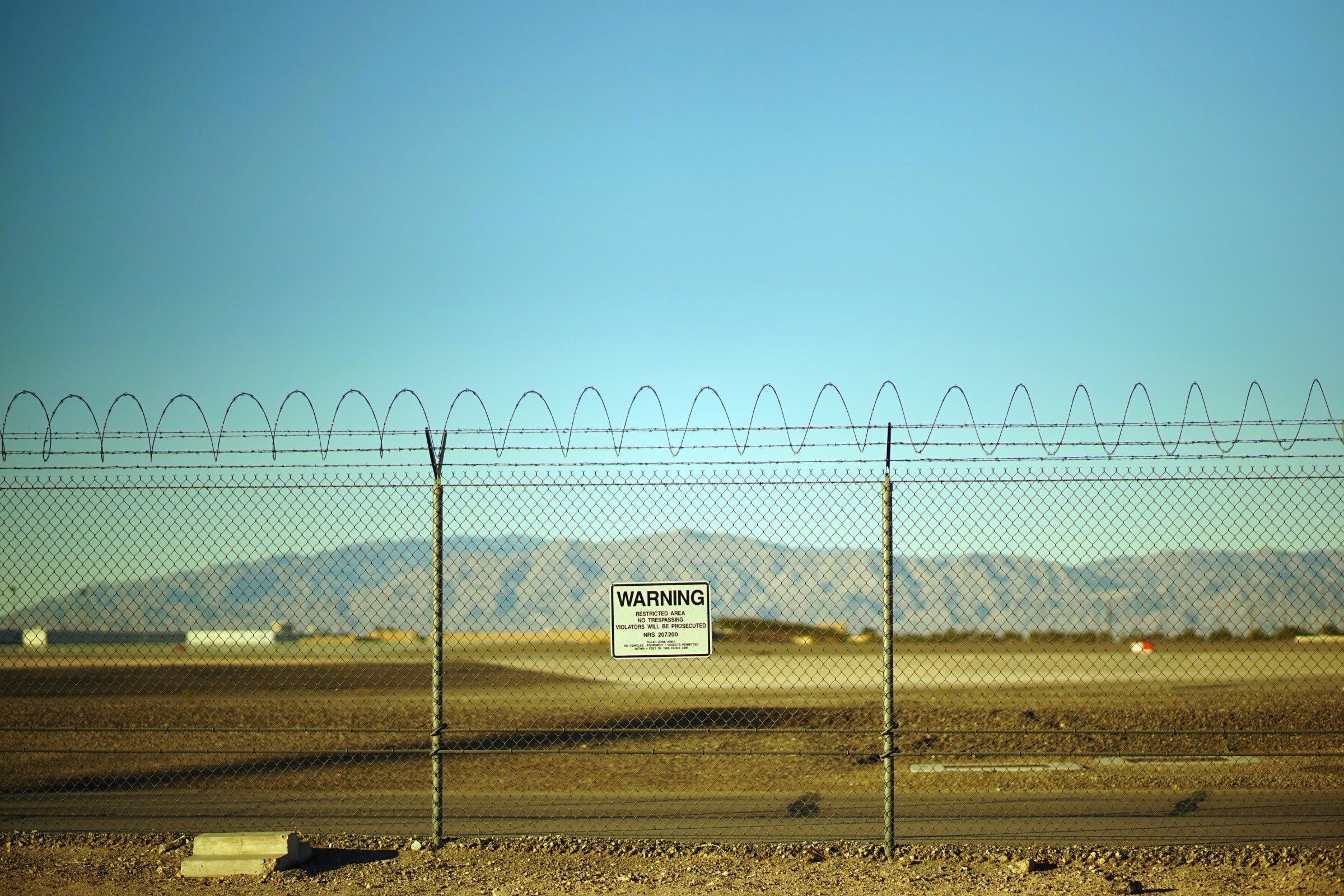
Hidden deep within the Nevada desert, Area 51 has become one of America’s most legendary restricted sites. Surrounded by secrecy and decades of speculation, it is often linked to UFO sightings and extraterrestrial conspiracy theories. Officially, the remote facility has long been used by the U.S. military and CIA for testing highly classified aircraft and technology, making public access strictly forbidden.
Morgan Island
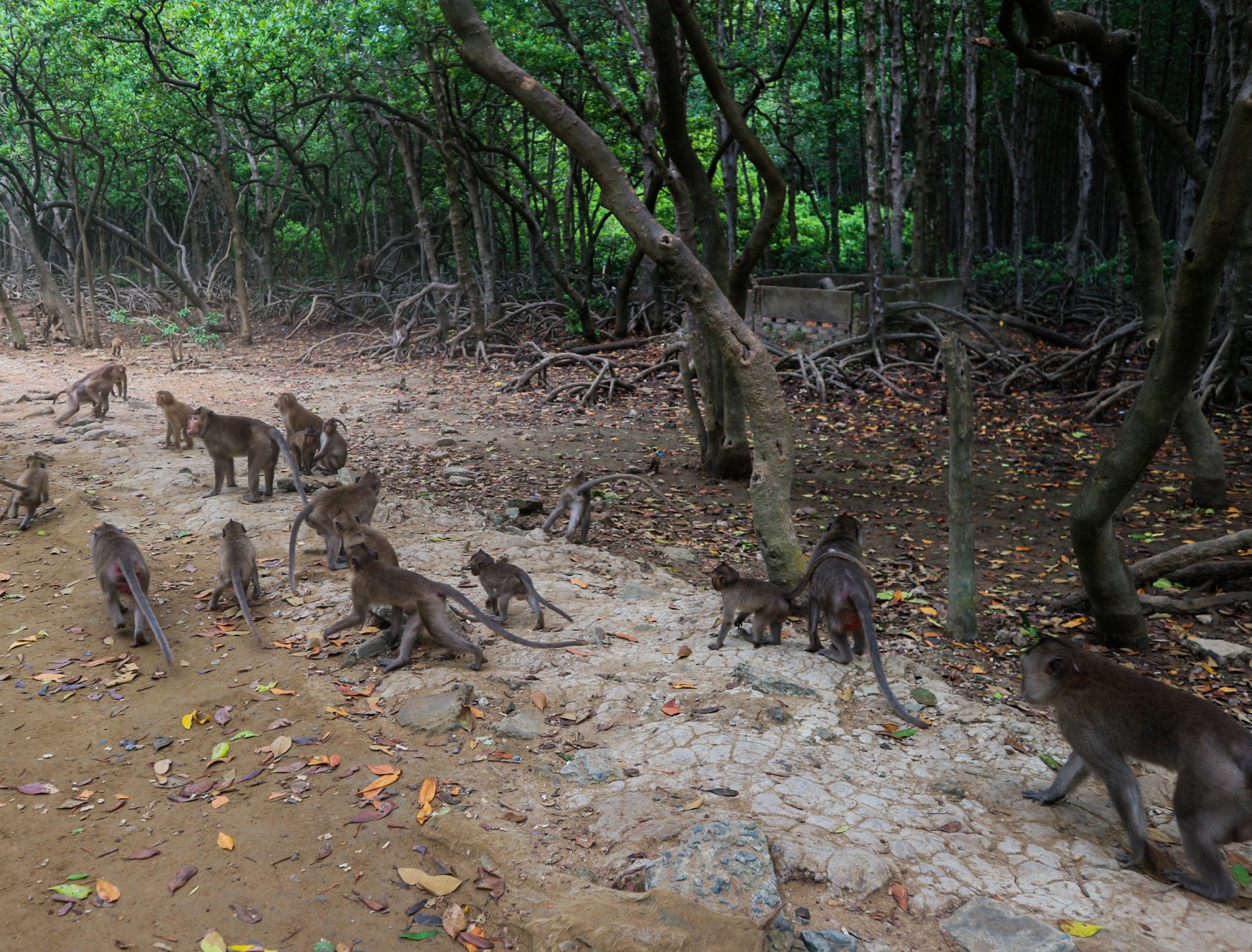
Morgan Island is a secluded island off the coast of South Carolina. It is inhabited by thousands of rhesus monkeys. The animals were relocated from Puerto Rico in the 1970s for medical research after concerns surrounding the herpes B virus transmission. Today, the island remains strictly off limits to the public, with access limited to authorized researchers studying the colony in isolation.
Mezhgorya
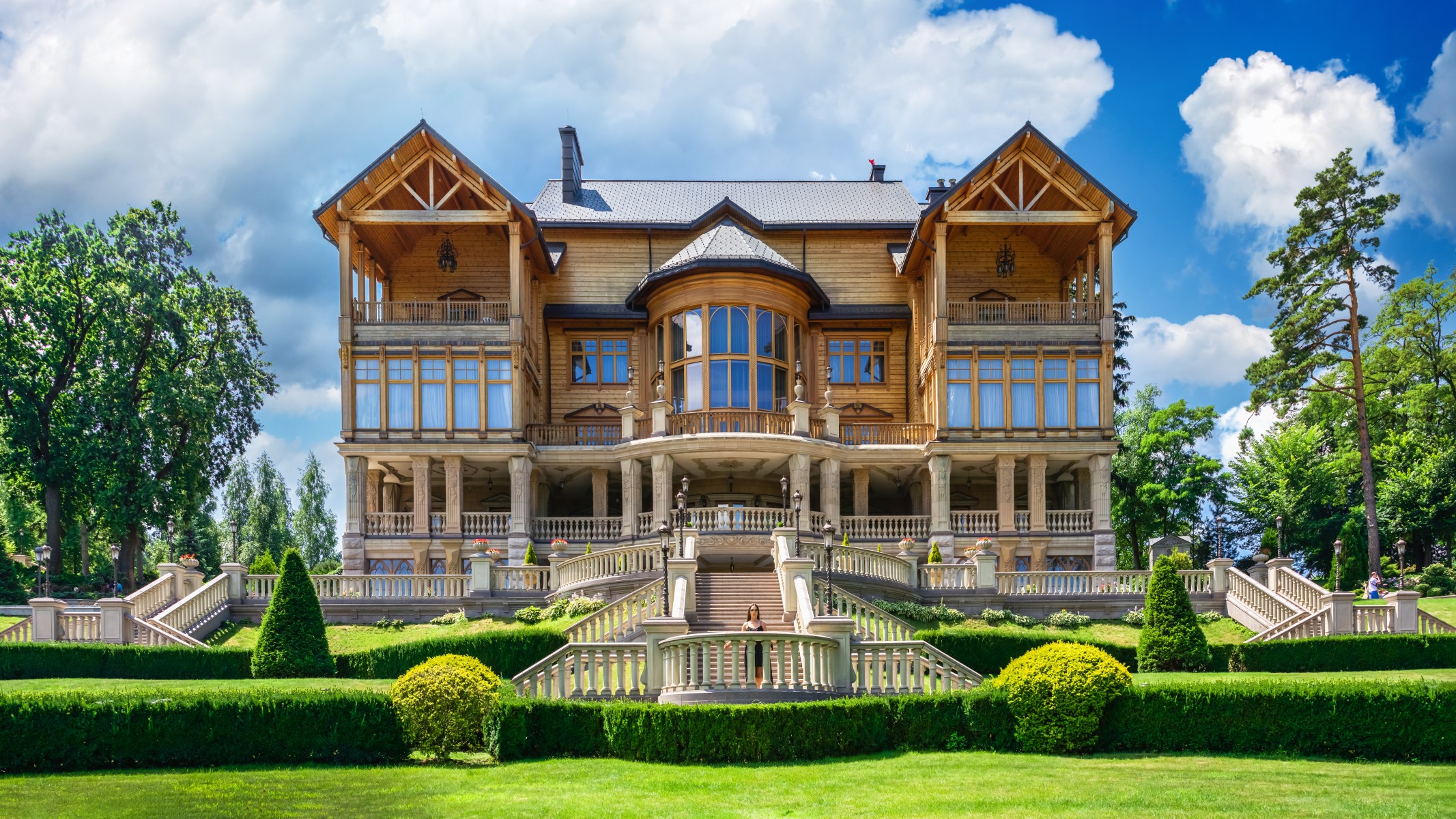
Mezhgorye is one of Russia’s most secretive closed towns. Protected by heavy military security, the isolated settlement has fueled decades of speculation. Many believe it is connected to hidden nuclear facilities or underground military operations, though Russian authorities have revealed very little about the town’s true purpose.
Niihau
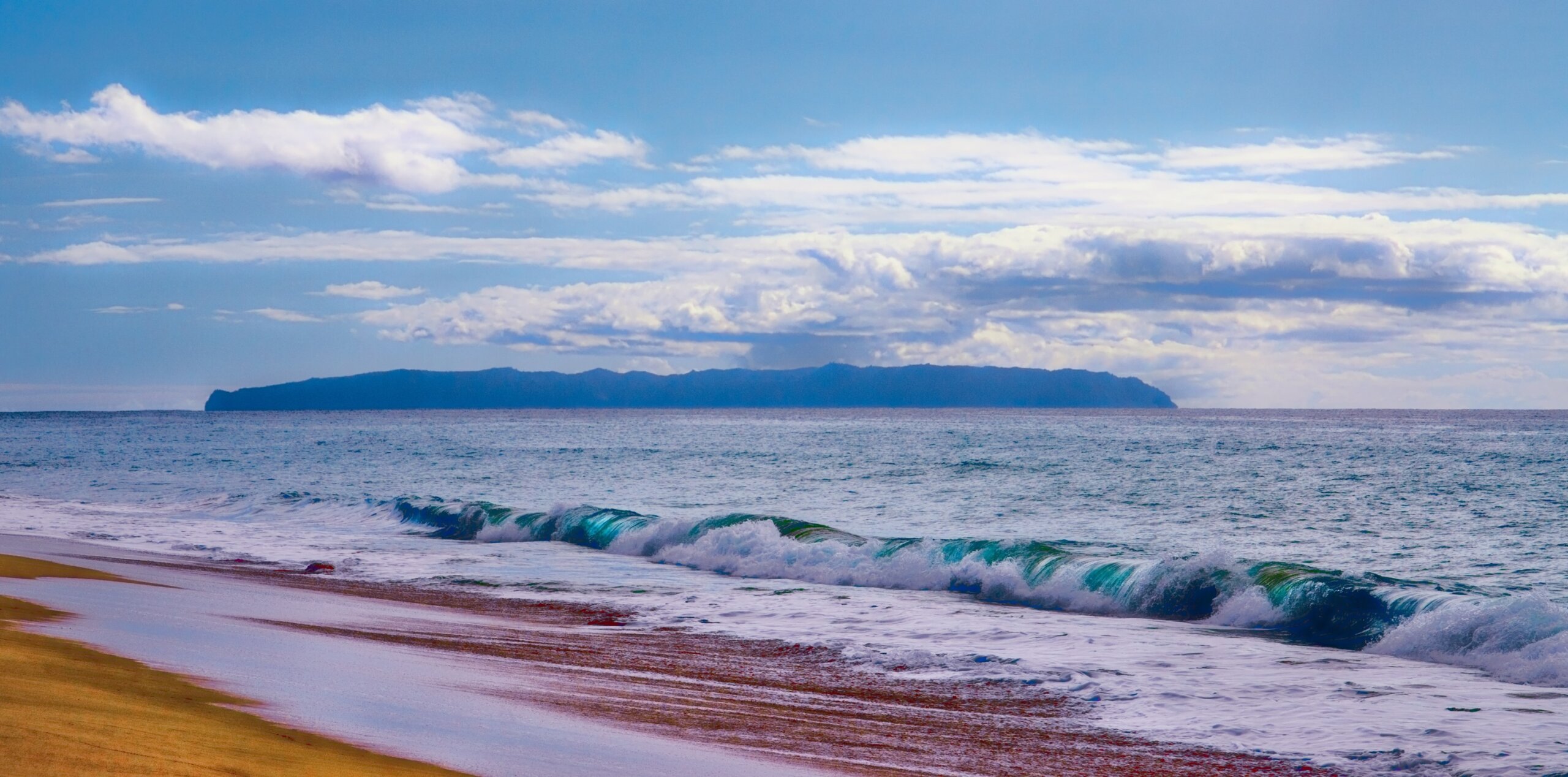
Known as the “Forbidden Isle,” Niʻihau remains one of the most isolated islands in the Hawaiian chain. Privately owned for more than a century, public access is heavily restricted in order to protect the island’s traditional Hawaiian culture and way of life. Its small population continues to preserve the Hawaiian language and customs largely untouched by modern tourism.
Pluto’s Gate
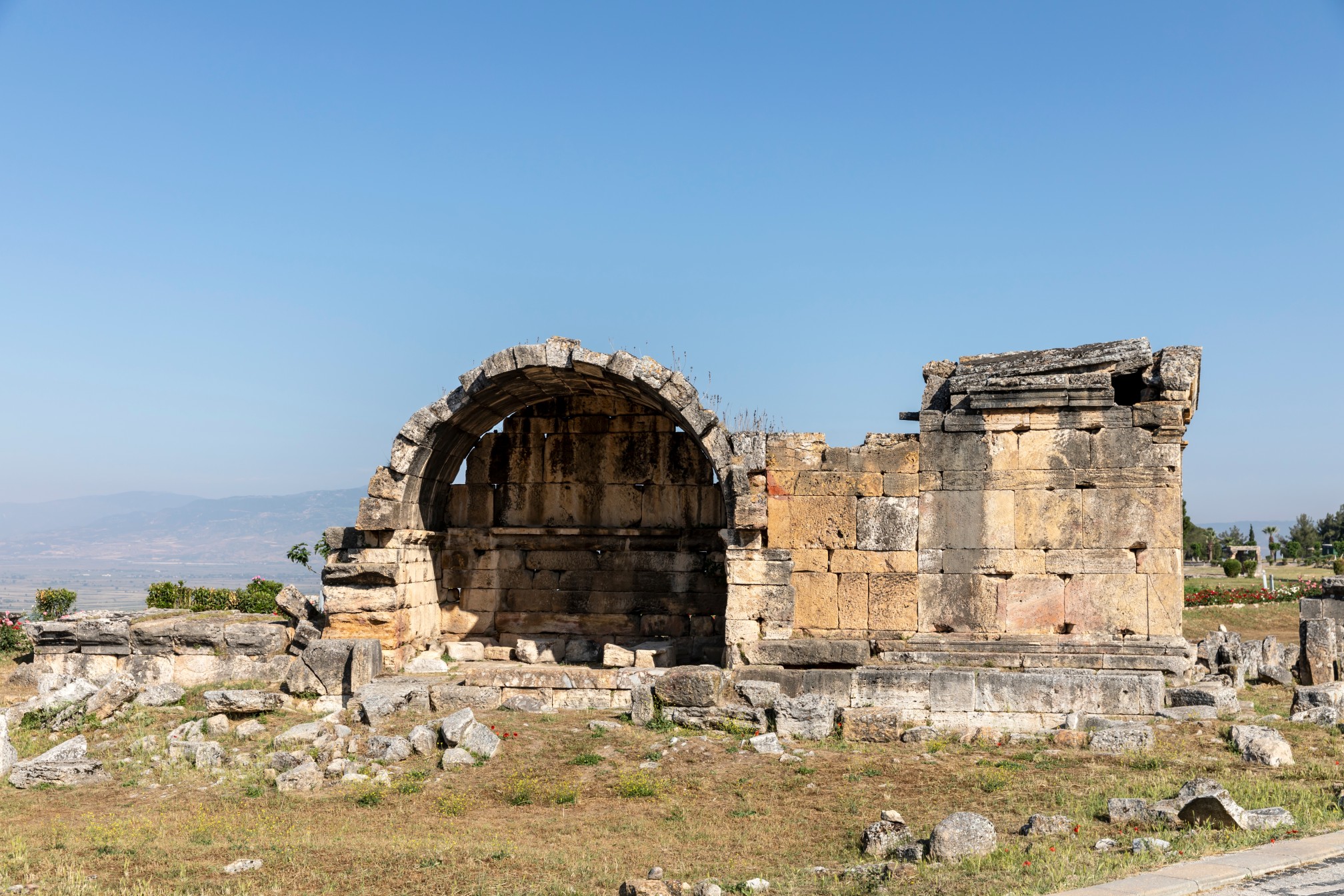
Hidden within the ancient ruins of Pluto’s Gate lies a cave once believed to be an entrance to the underworld. Sacred to the Roman god Pluto, the site emitted deadly carbon dioxide gas that killed nearby animals, reinforcing fears of supernatural power. Priests of nearby temples used the mysterious cave to strengthen their influence over ancient visitors and worshippers.
Lascaux Caves
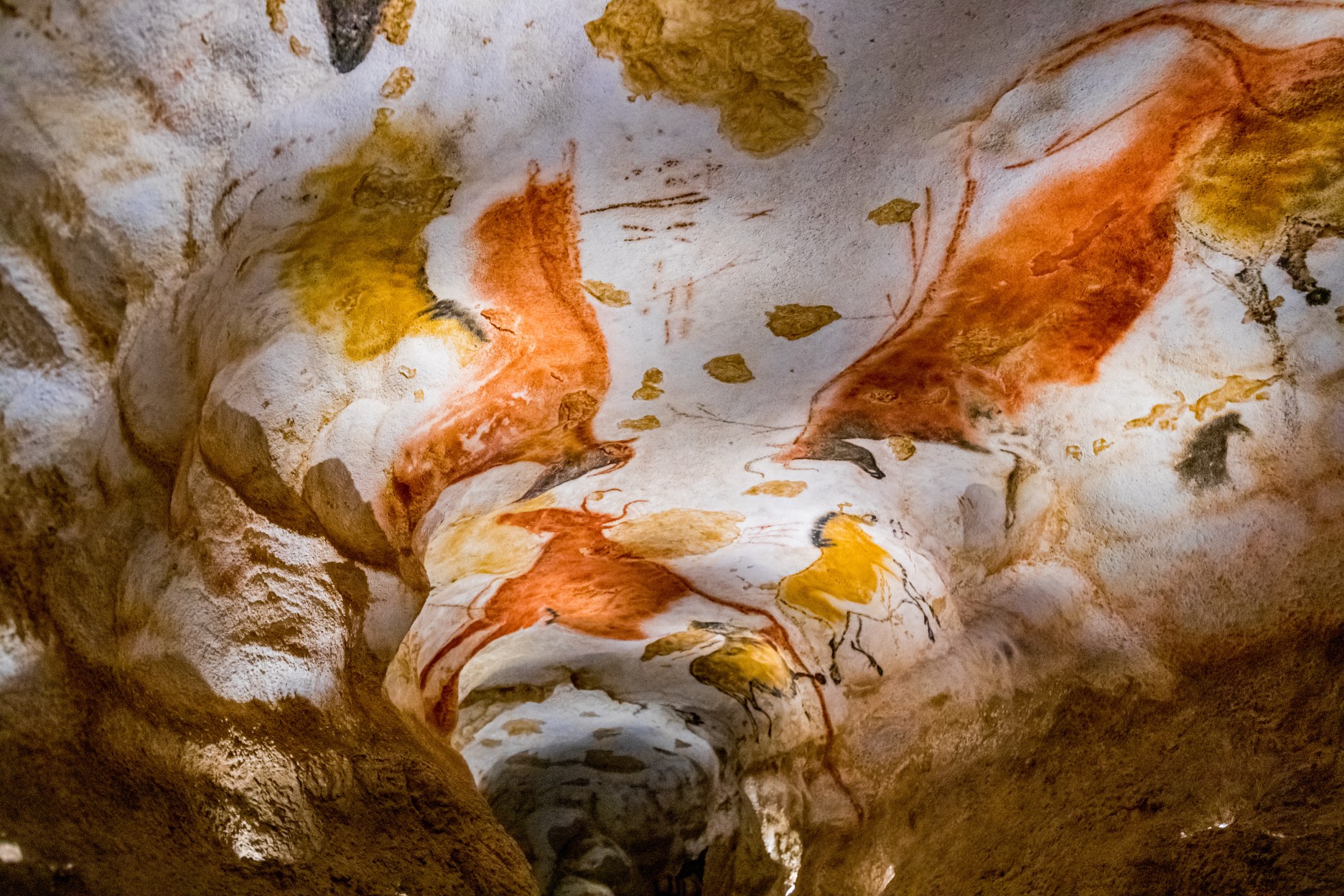
Some of the most important prehistoric cave paintings ever discovered are in the Lascaux Caves. They are estimated to be around 17,000 years old. The original site in France, was closed to the public in 1963 after human visitation caused damaging fungal growth. Today, the fragile art is protected, with detailed replicas allowing visitors to experience the ancient imagery safely.
Pravcicka Brana
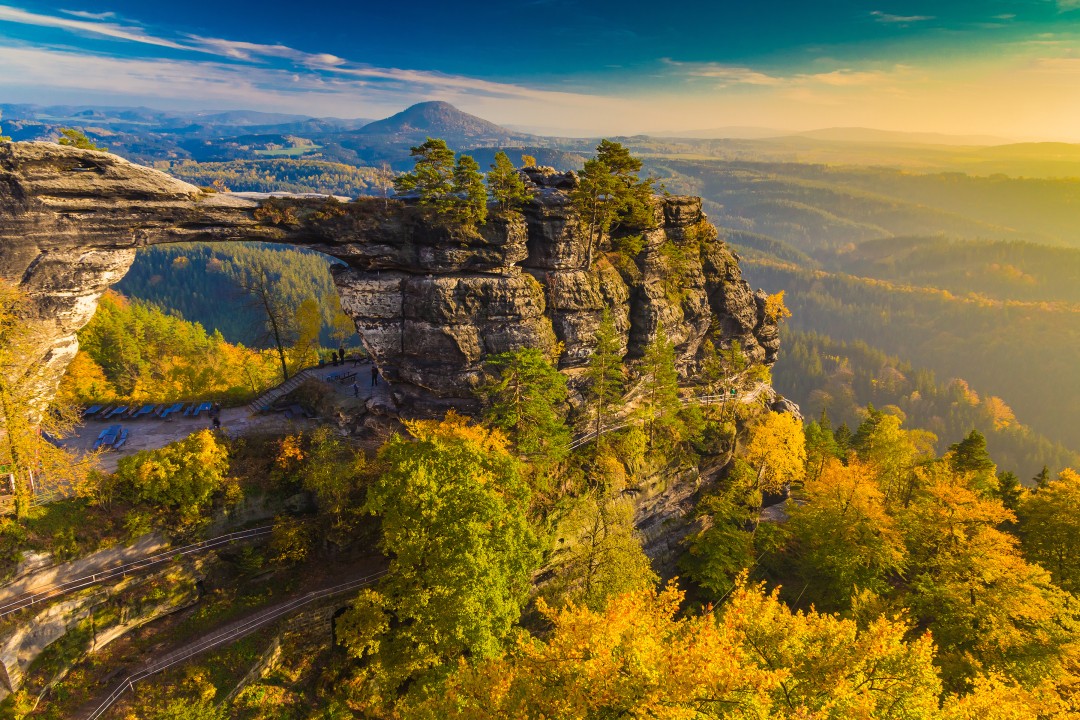
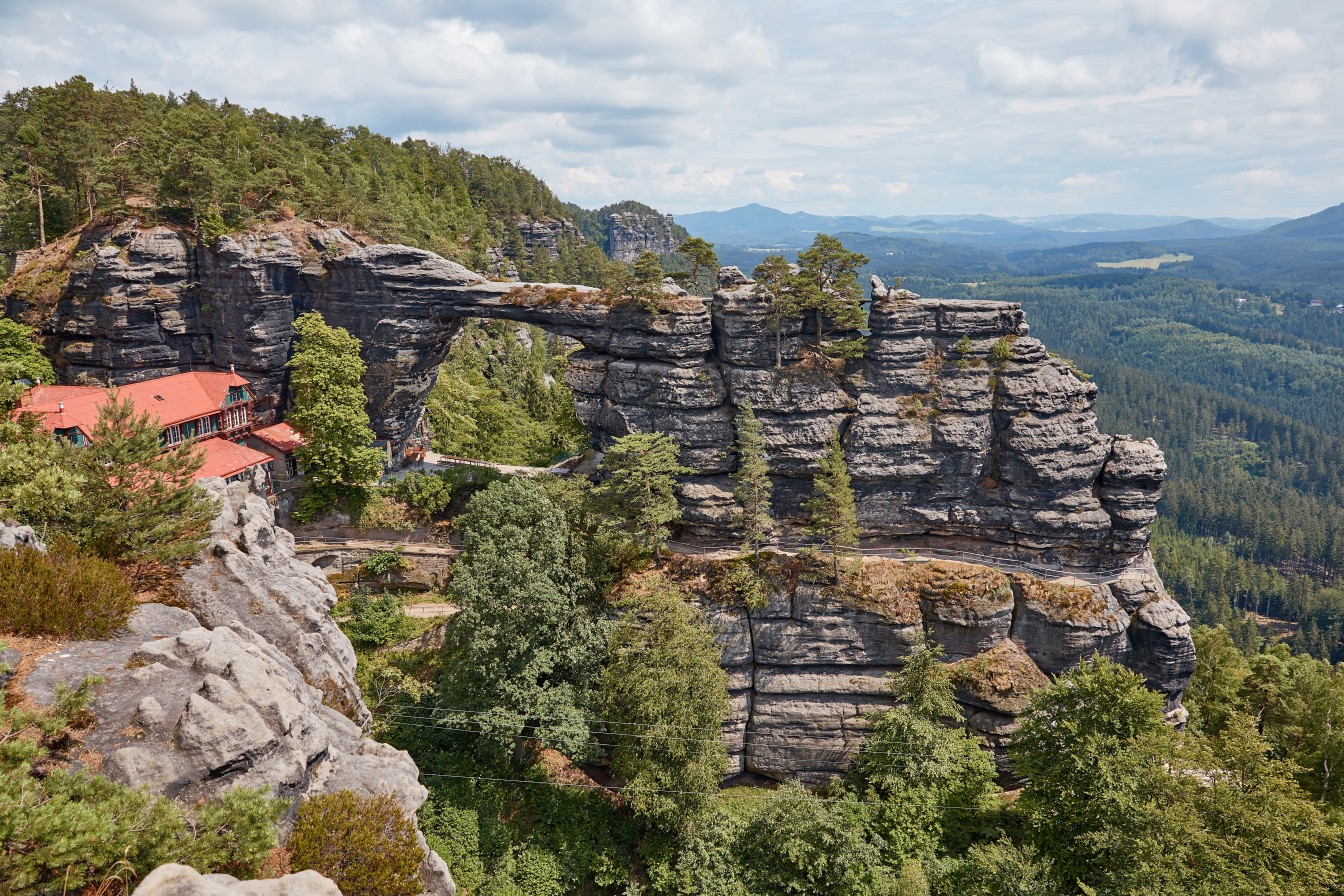
One of the Czech Republic’s most striking natural landmarks, Pravčická brána is Europe’s largest sandstone arch. Once accessible to climbers, it was closed to the public in 1982 due to concerns that increasing foot traffic could accelerate erosion and risk collapse. Today, visitors are only allowed to view it from designated nearby vantage points.
Mausoleum Of Qin Shi Huang
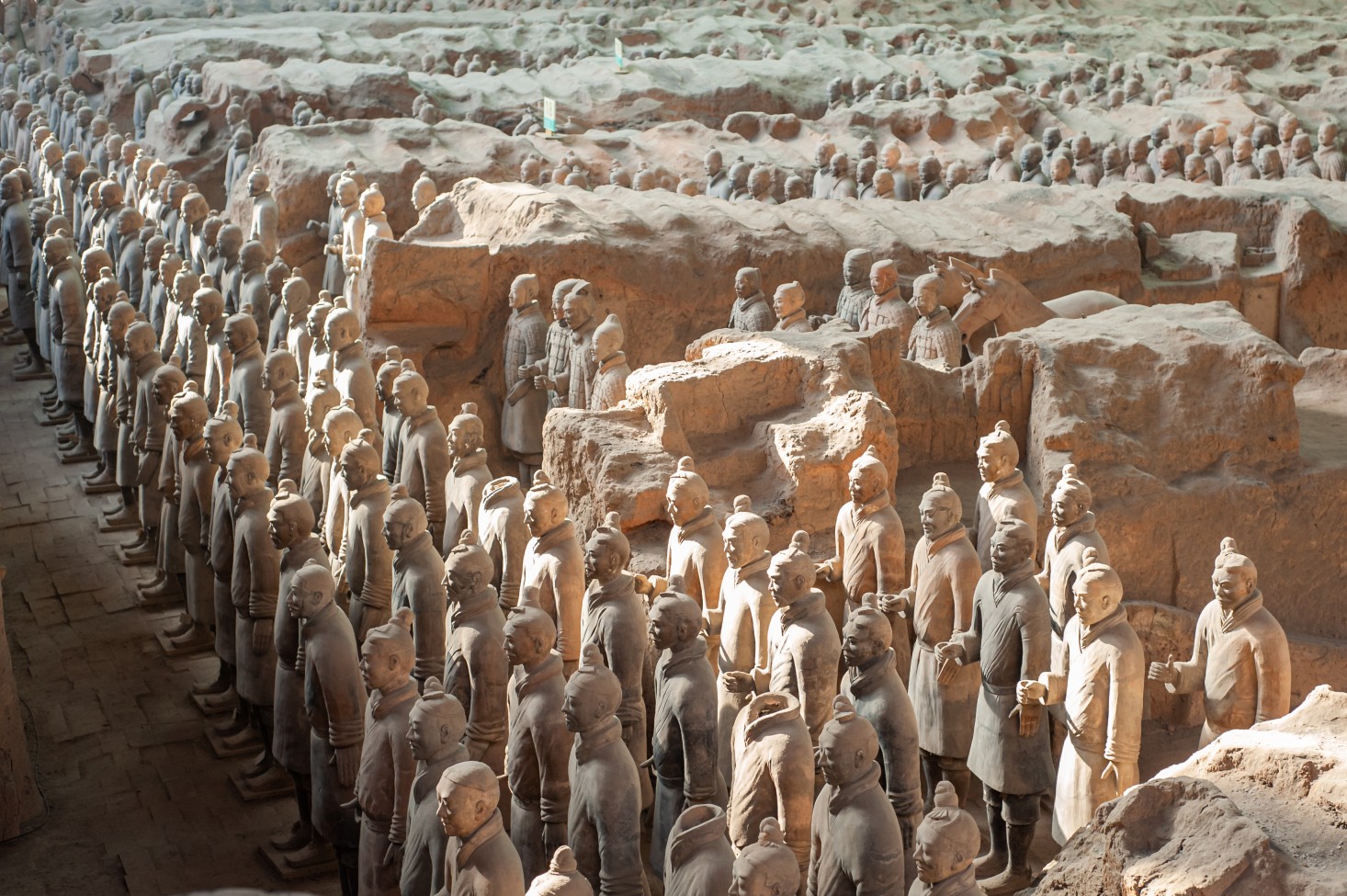
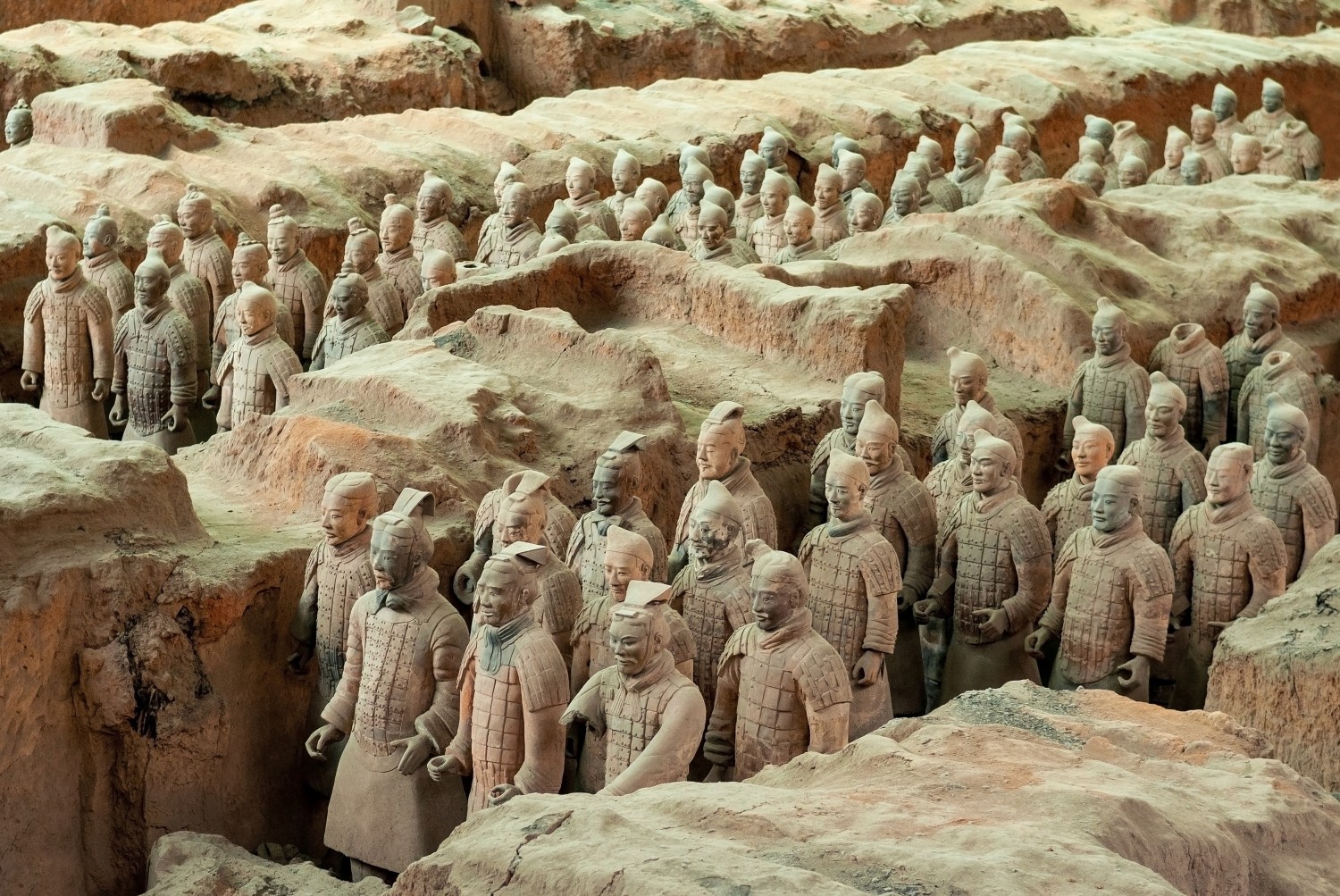
It is unlikely that anyone will ever see the vast burial complex of the Mausoleum of Qin Shi Huang, the final resting place of China’s first emperor. Although the nearby Terracotta Army was uncovered in 1974, the central tomb itself remains untouched due to preservation concerns. Archaeologists believe it contains an intricate underground world of chambers and artifacts meant to accompany the emperor into the afterlife.
Vatican Secret Archive
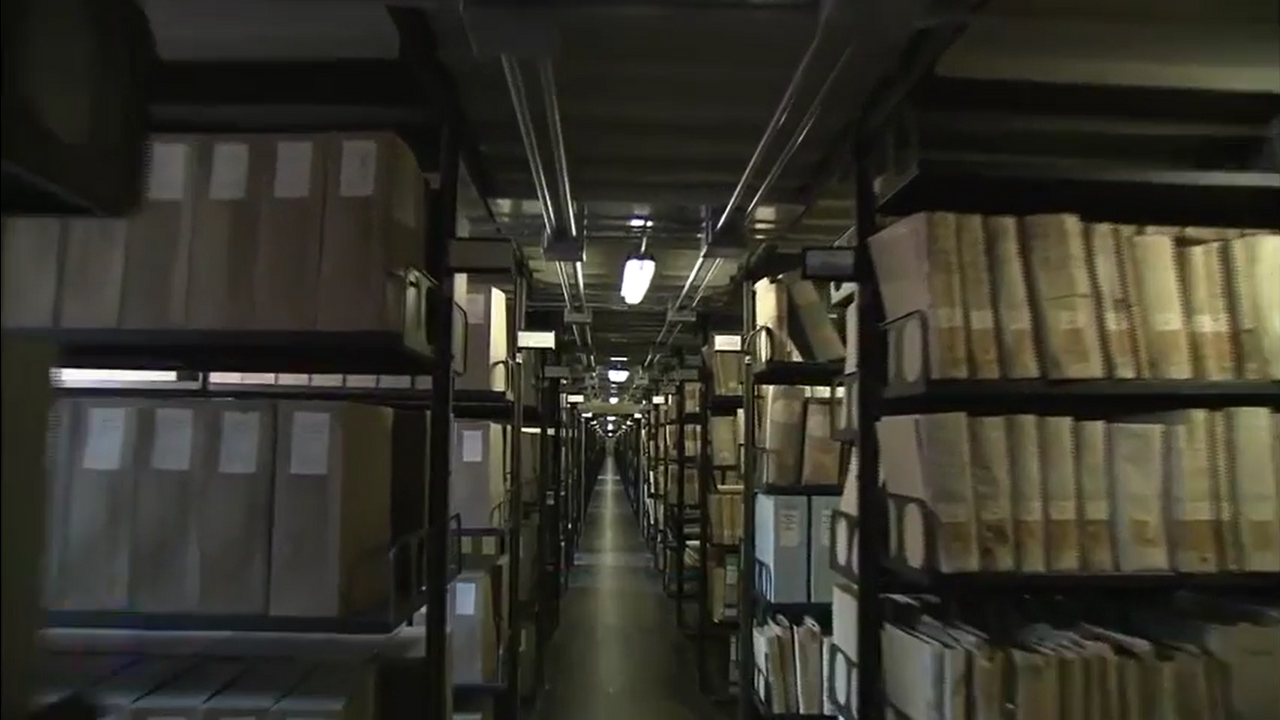
Hidden within Vatican City, the Vatican Apostolic Archive holds centuries of sensitive Church records, some dating back to the early medieval period. Renamed in 2019, the vast archive is said to contain everything from papal correspondence to historic figures’ letters and excommunication records. Stretching for miles of shelving underground, it is accessible only to select researchers under strict permission and tight restrictions.
Heard Island & McDonald Island
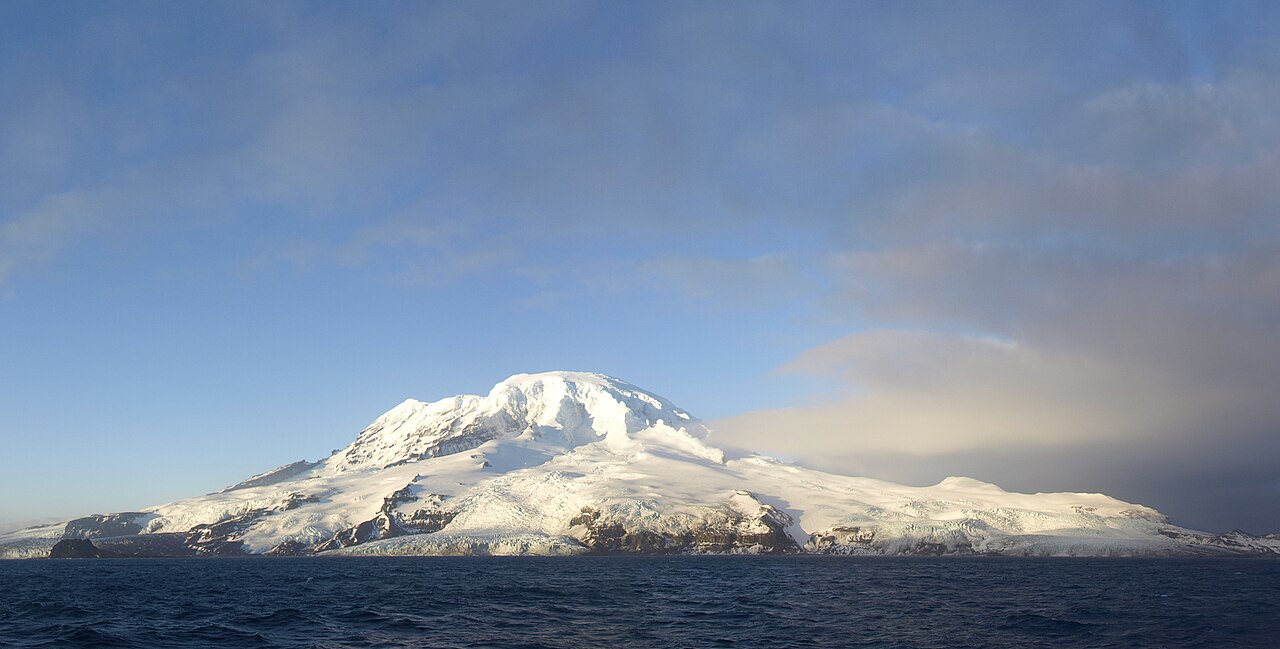
One of the most isolated places on Earth, Heard Island and McDonald Islands is an Australian territory located in the remote southern Indian Ocean. Covered in glaciers and surrounded by harsh seas, it is home to seals, penguins, and seabirds. Access is extremely limited and requires special government permission due to its isolation and fragile environment.
Fort Knox
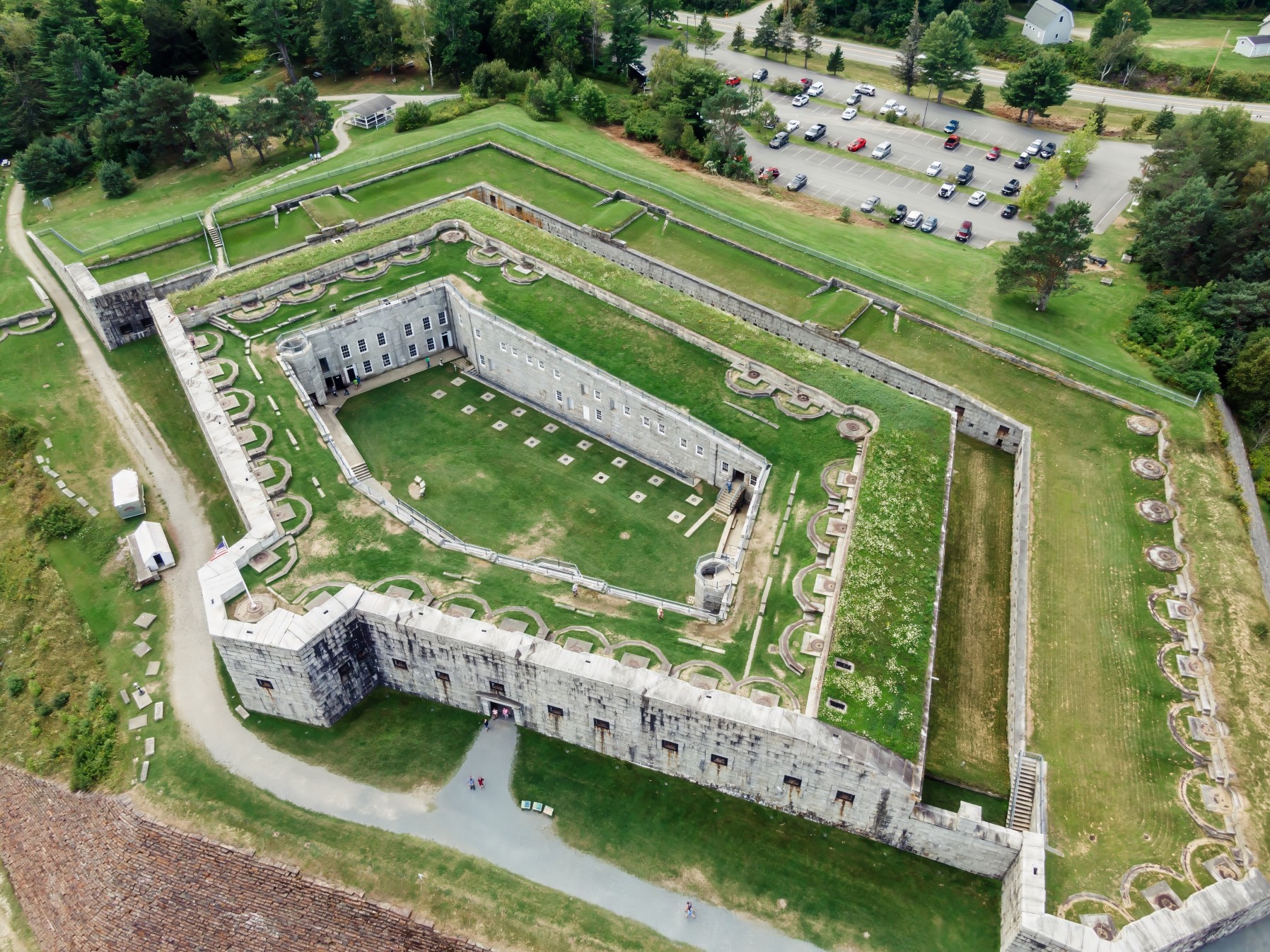
Fort Knox is often described as one of the most secure facilities in the world. Its vault is protected by layered security protocols and extreme physical fortification, including reinforced granite and steel construction. Access is highly restricted, with no single individual able to open the vault alone, reinforcing its reputation for near-impenetrable security.
North Brother Island
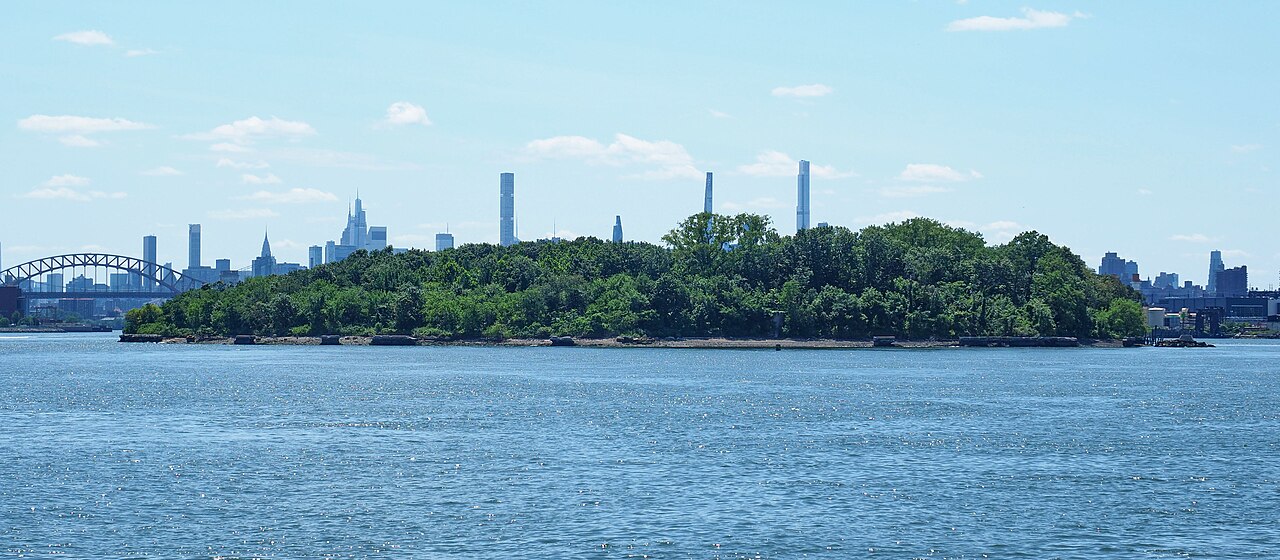
In New York City’s East River, between the Bronx and Rikers Island, lies the abandoned North Brother Island. Once a quarantine hospital site for contagious diseases, it was famously home to Mary Mallon, known as Typhoid Mary. Today, the overgrown island is closed to the public and serves as a protected bird sanctuary, accessible only for rare scientific research visits.
Bhangarh Fort
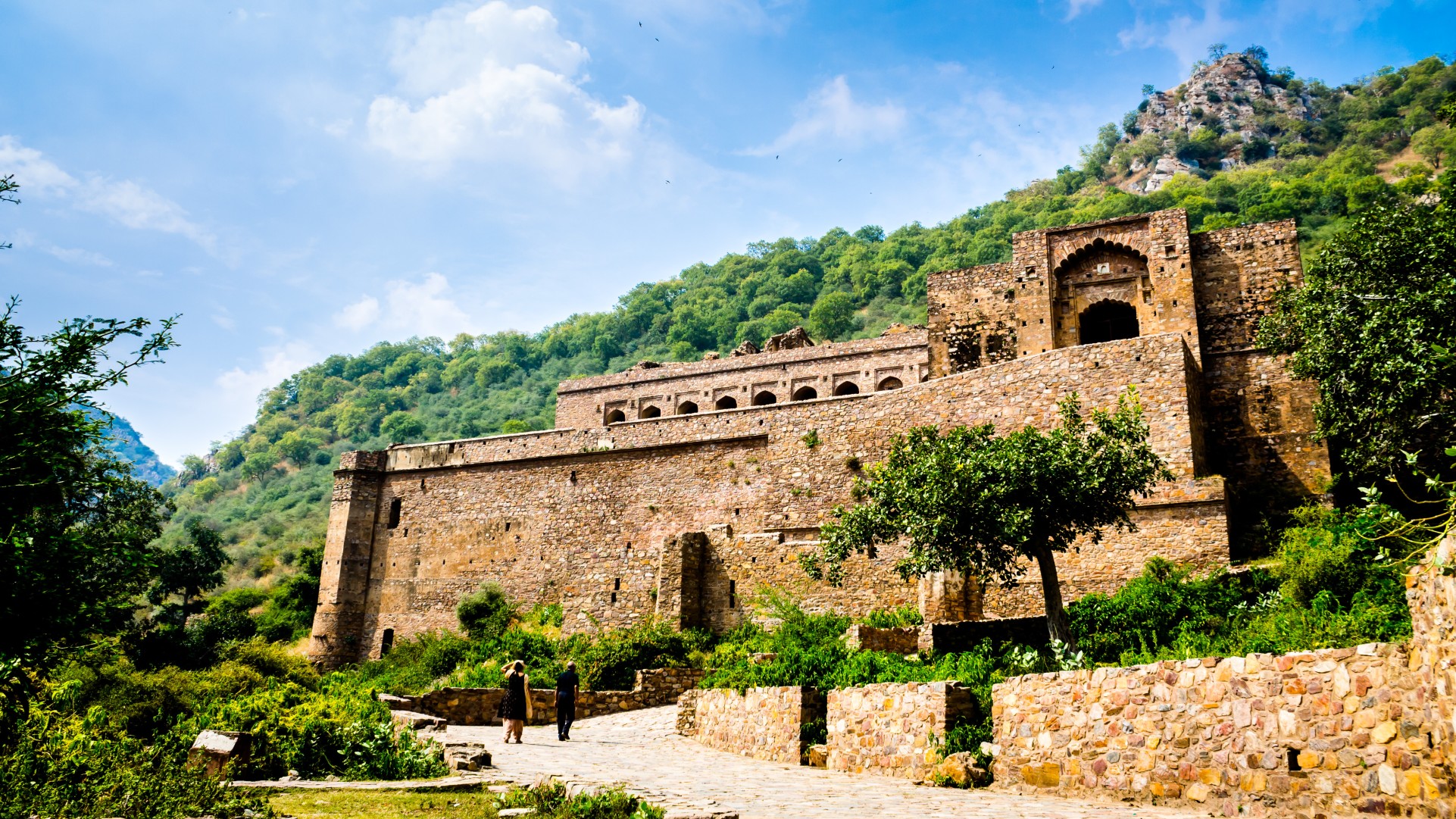
The Bhangarh Fort is a 16th century Rajasthani stronghold surrounded by both architectural beauty and enduring folklore. While visitors are allowed to explore the ruins during daylight, entry is strictly prohibited from sunset to sunrise due to official restrictions and local belief in lingering curses. Known widely for its eerie reputation, the fort is steeped in legends that continue to fuel its haunted mystique.
Ilha Da Queimada Grande
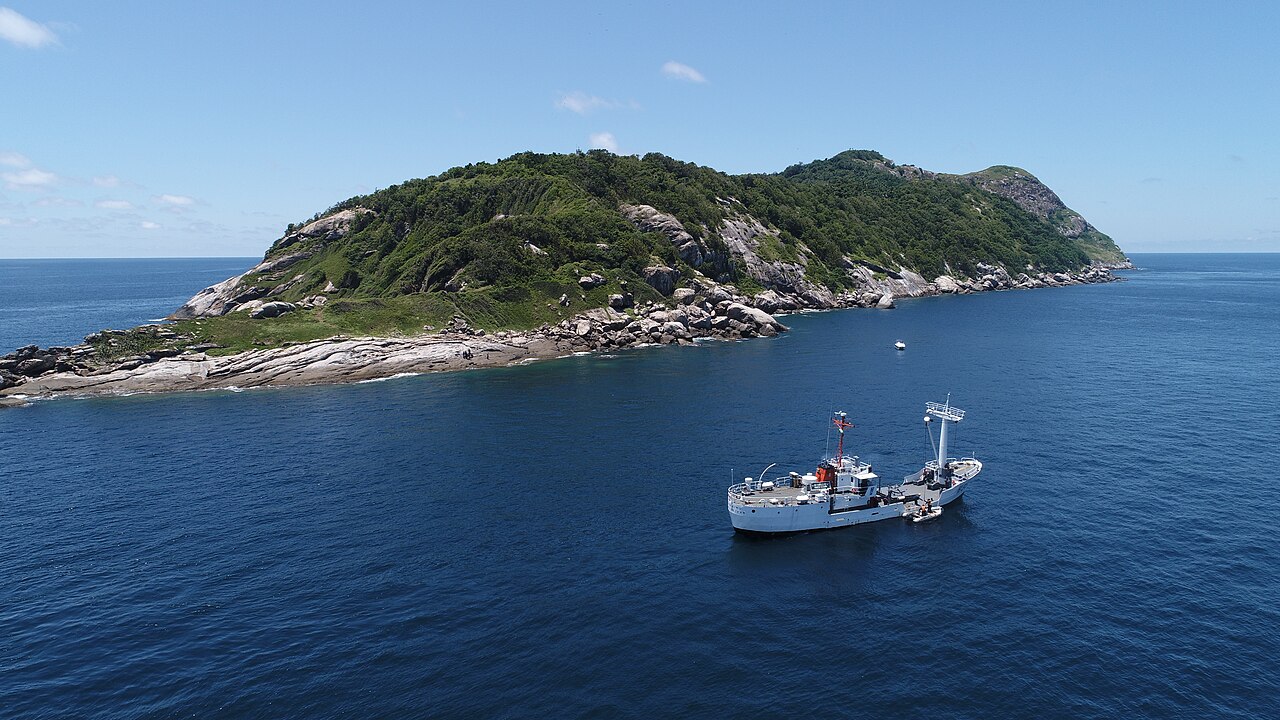
Off the coast of Brazil lies Ilha da Queimada Grande, often called Snake Island for its unusually dense population of venomous snakes. Among them is the highly dangerous golden lancehead viper. Due to the extreme risk, public access is prohibited, with entry allowed only for specially authorized researchers under strict safety and medical supervision.
Svalbard Global Seed Vault
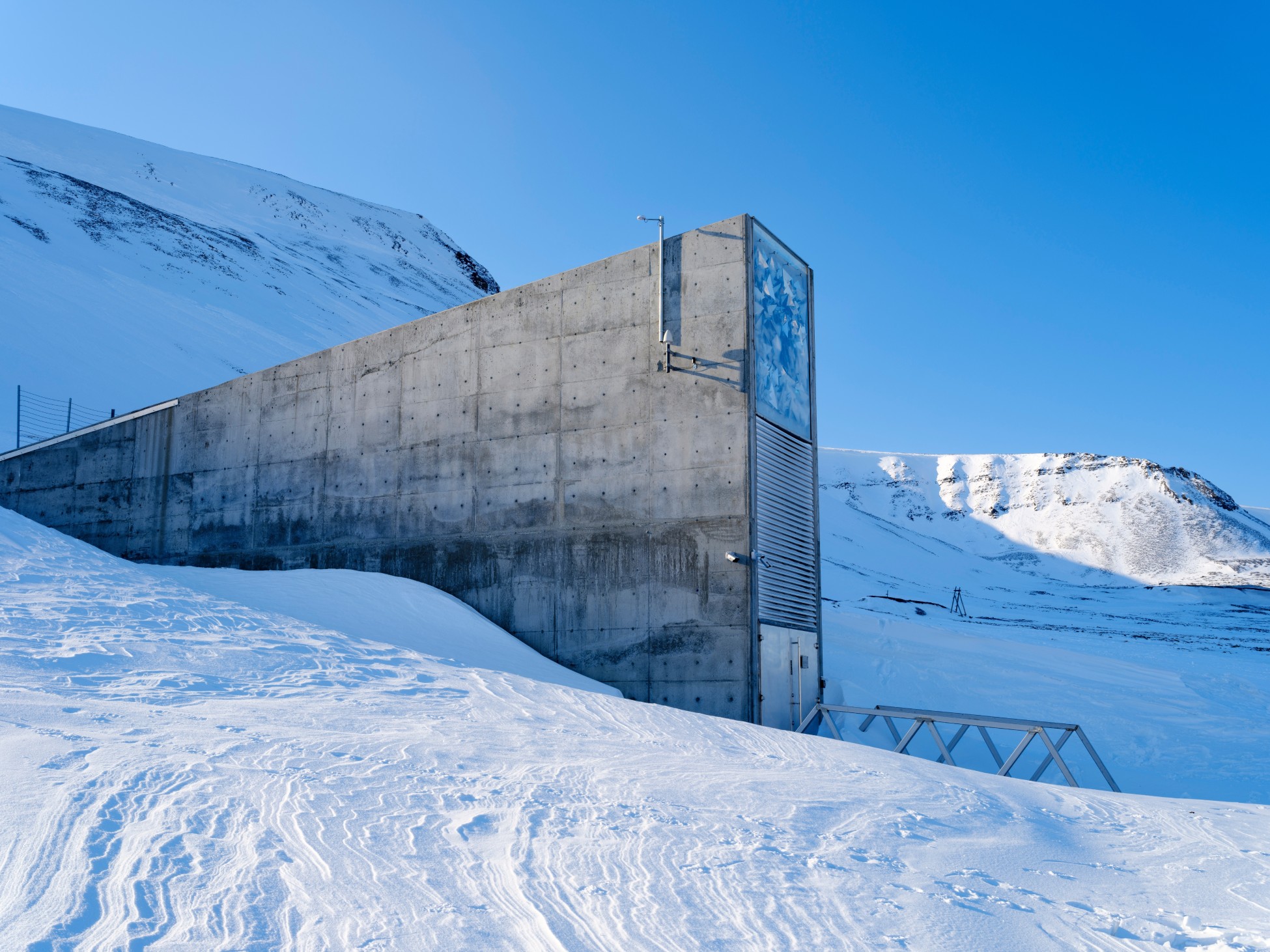
Deep within the Arctic permafrost of Svalbard Global Seed Vault, often called the “Doomsday Vault,” millions of seed samples from around the world are preserved as a safeguard for global agriculture. Designed to withstand natural disasters and for hundereds of years, it stores genetic diversity from nearly every nation, offering a backup for the planet’s food supply in the face of unthinkable catastrophe.
North Sentinel Island
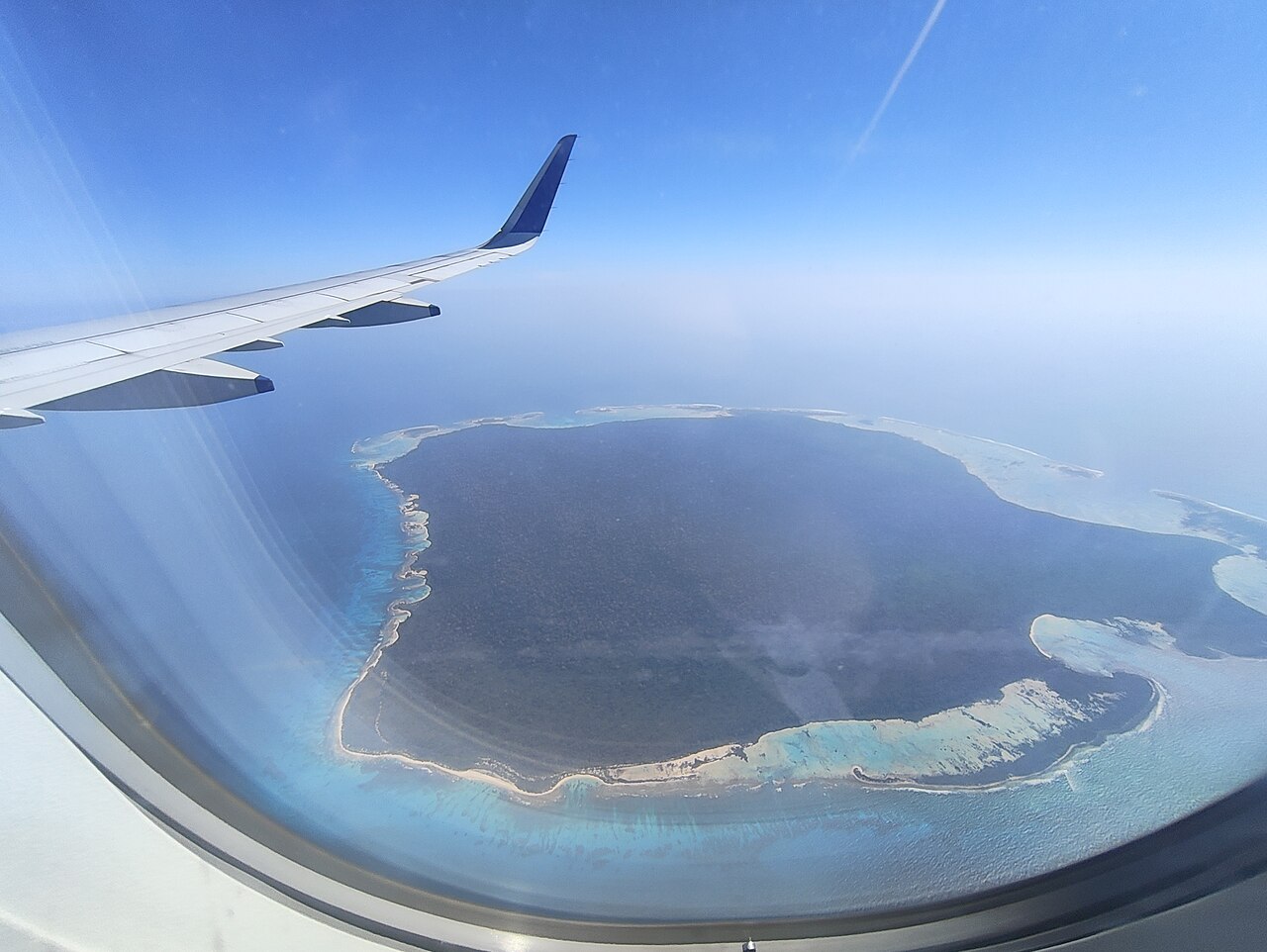
North Sentinel Island is home to the Sentinelese people, one of the world’s most isolated communities. They have consistently and violently rejected outside contact and actively defend their territory from intrusion. For this reason, the island is strictly off-limits, preserving both everyone’s safety and their way of life.
Grand Shrine Of Ise
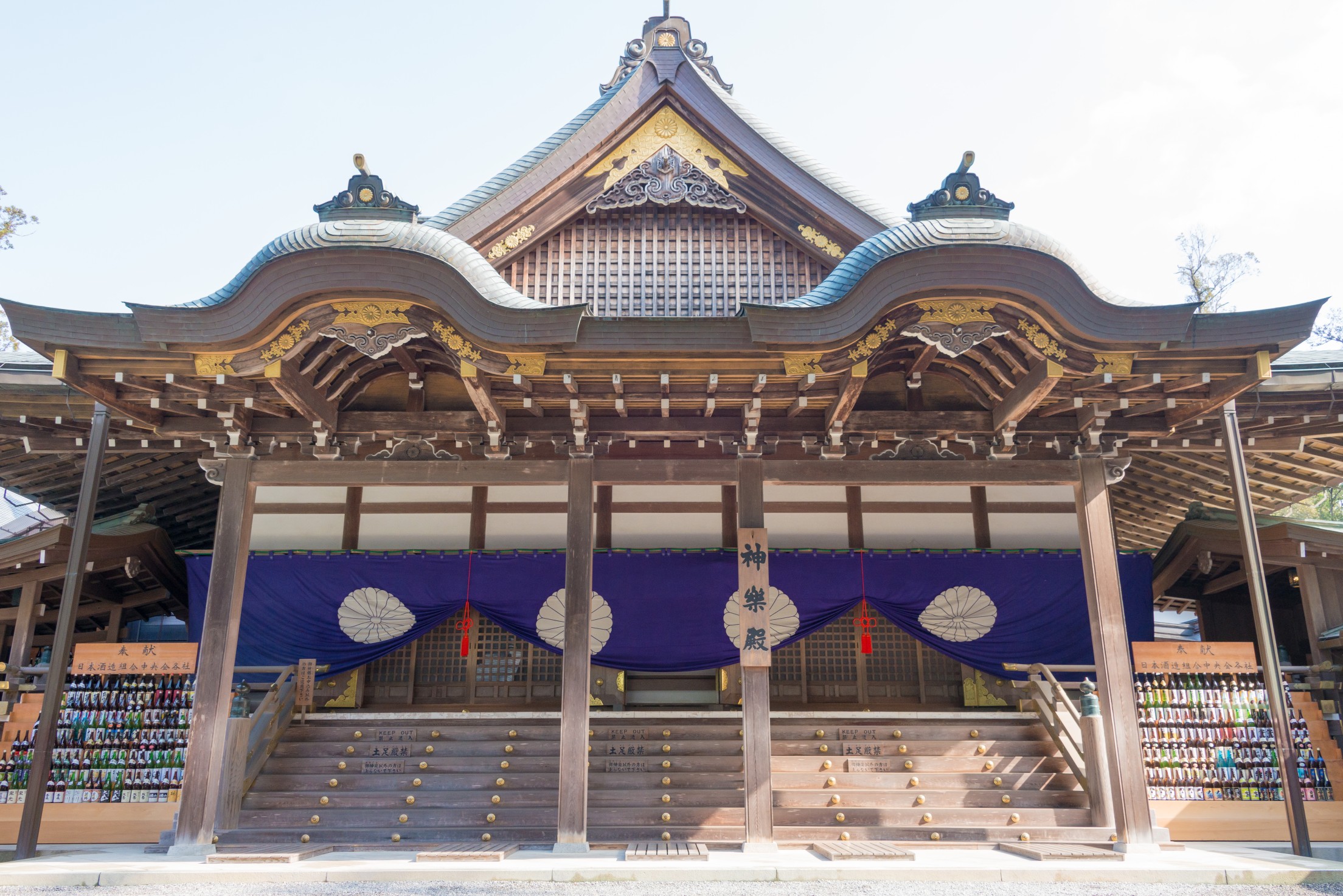
The Ise Grand Shrine is one of the most sacred sites in Shinto tradition, dedicated to the sun goddess Amaterasu. Its Inner Shrine is rebuilt every 20 years using ancient woodworking techniques that rely on precise joinery rather than nails, symbolizing renewal and continuity. Access is highly restricted, with only priests and select members of the imperial family permitted inside, while the public views it from beyond its wooden barriers.
Surtsey
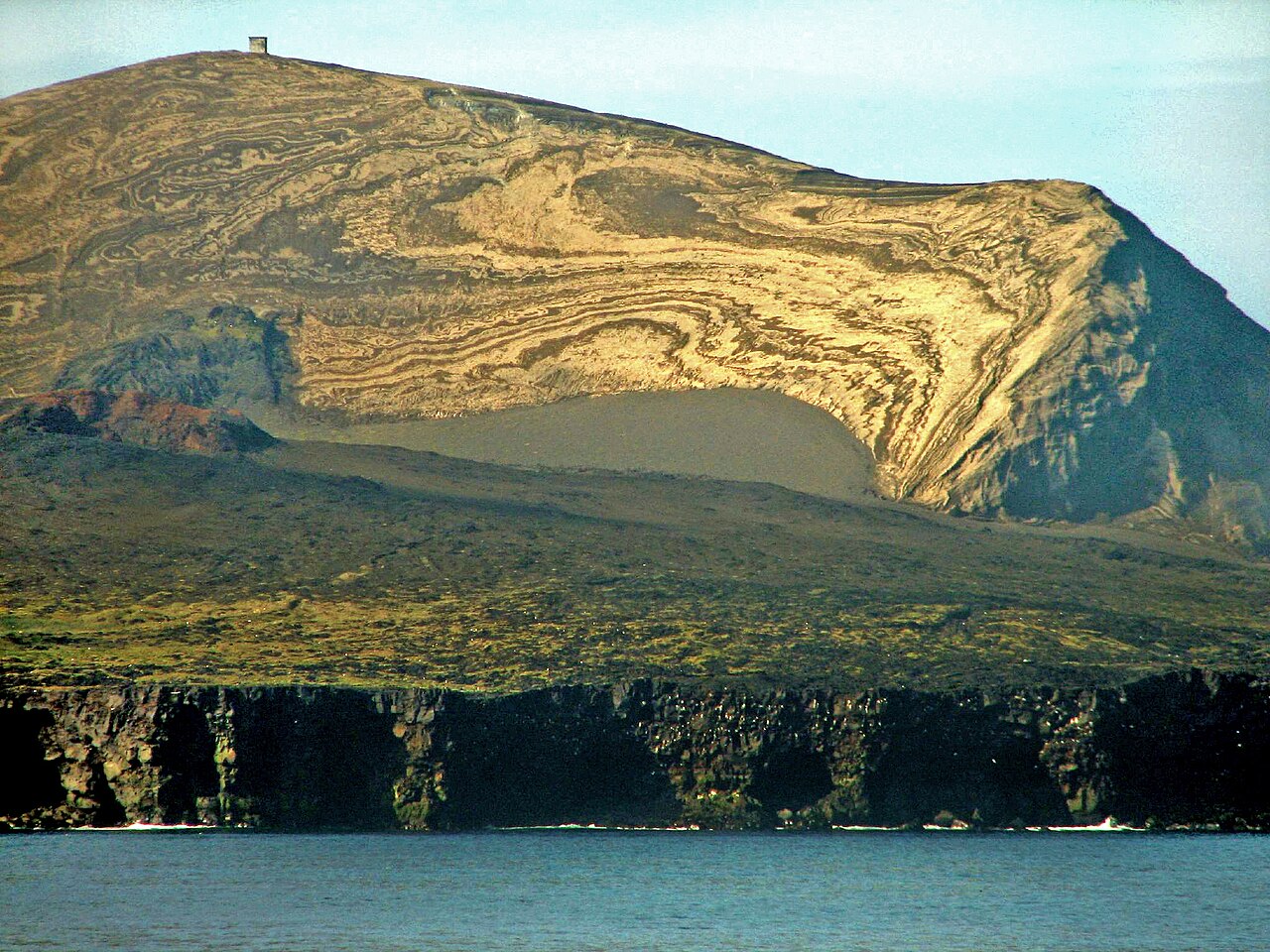
Formed by a volcanic eruption between 1963 and 1967, Surtsey is one of the youngest islands on Earth. It has been strictly protected ever since, with access limited to scientific researchers studying how life develops in a completely new ecosystem. To preserve its untouched conditions, human interference is heavily restricted.
Poveglia
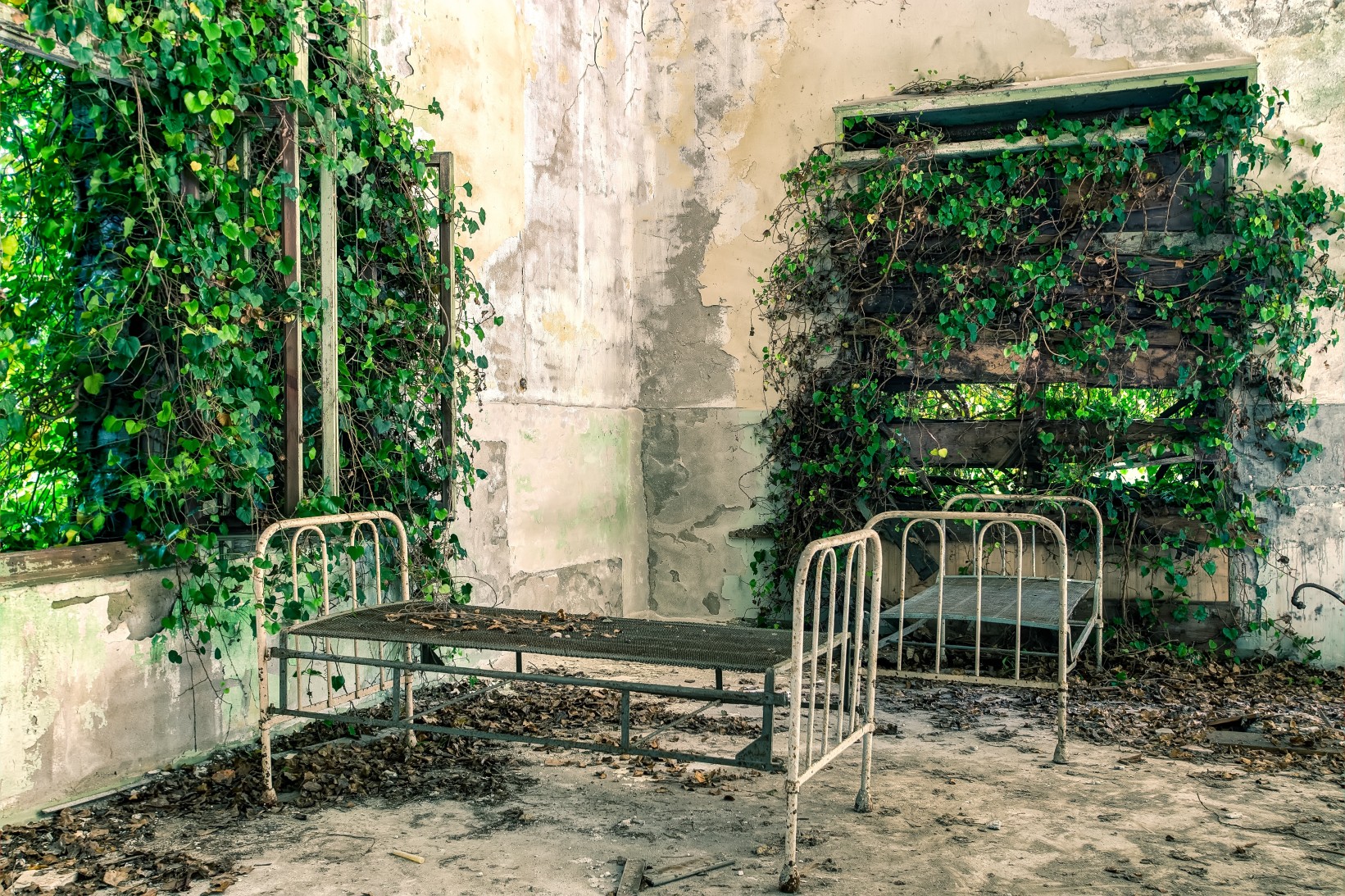
The island of Poveglia carries a dark history shaped by centuries of suffering. Once used as a quarantine station during plague outbreaks, it later housed a mental hospital that gained an unsettling reputation. Today it is abandoned and strictly off-limits to visitors.
Chichen Itza Pyramid
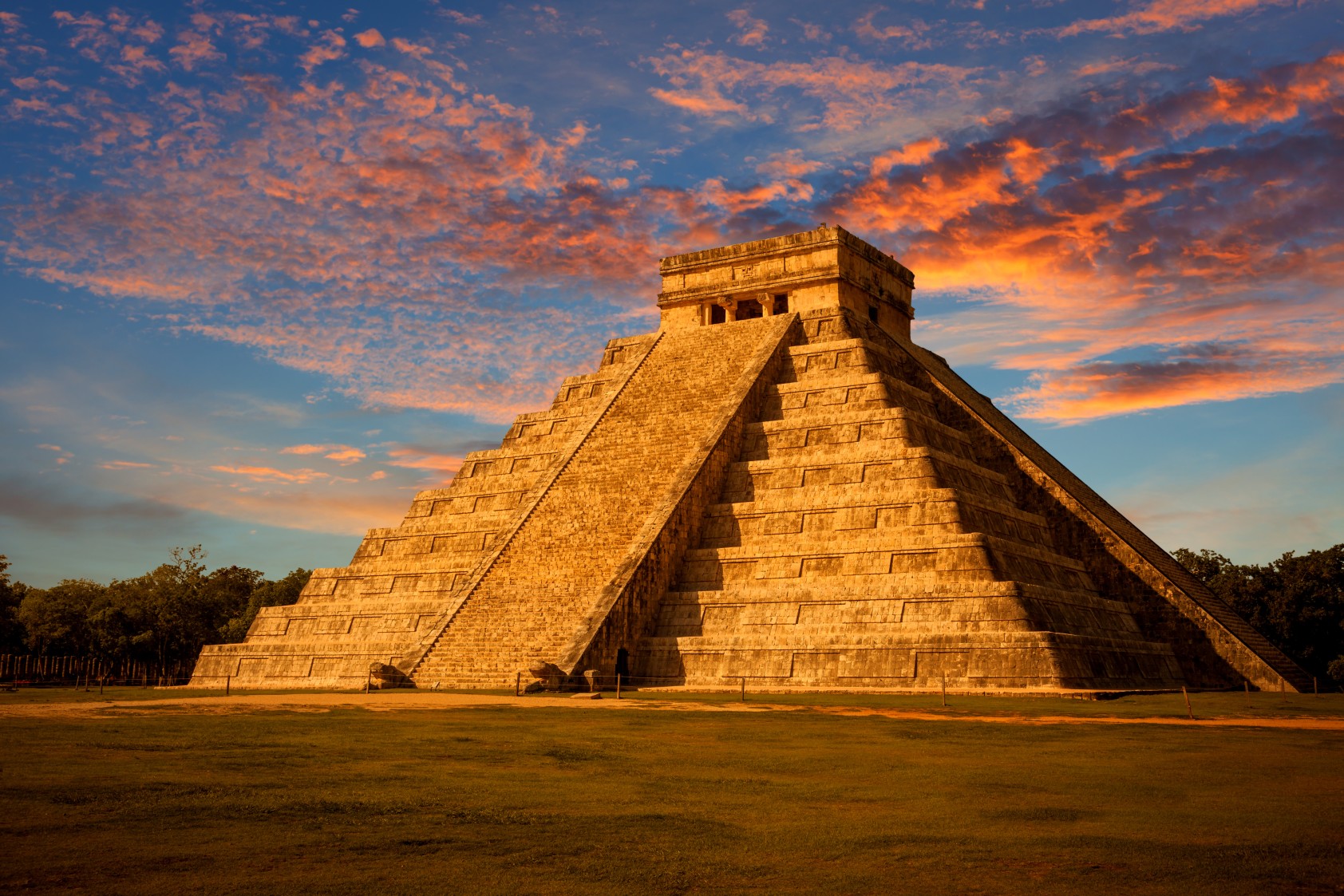
The ancient Mayan city of Chichén Itzá is one of the world’s most visited archaeological sites, drawing millions of travelers to its iconic pyramid each year. While access to the grounds remains open, climbing the famous structure has been strictly prohibited in recent years to protect it from erosion and preserve its cultural heritage for future generations.
Why Forbidden Places Fascinate Us So Much
The world’s most forbidden places continue to capture our imagination because they exist just beyond reach. Whether protected by secrecy, danger, fragile history, or sacred tradition, these destinations remind us that not every corner of the world is meant to be fully explored. Their mystery often makes them even more compelling, turning restricted locations into some of the most talked-about places on Earth.
More from Travel Reveal: