The Places That Taught Me How to Travel Slowly
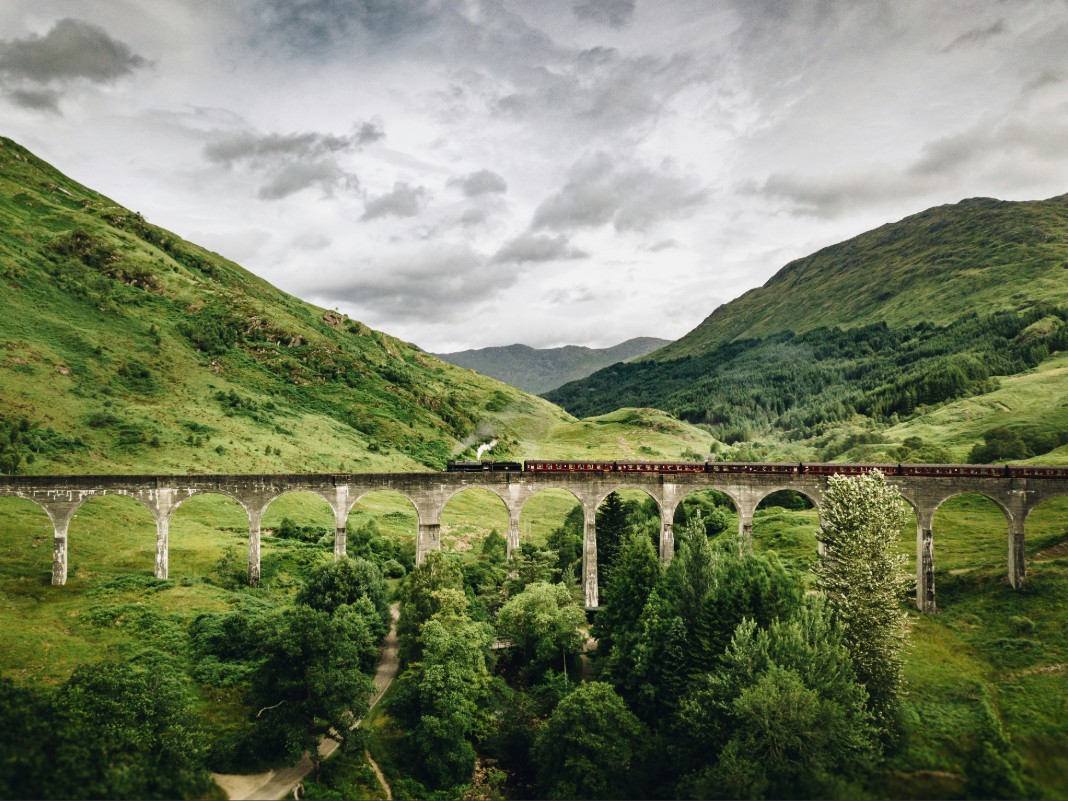
Slow travel begins when we stop trying to fit everything into one trip. The rhythm of a place starts to change when we have fewer hotel changes, longer breakfasts, and entire afternoons without plans.
This is the kind of travel where all we really need is a comfortable pair of shoes, a journal tossed in our bag, a camera, and enough time to wander without constantly checking the clock.
The best slow travel destinations make it easy to fall into that kind of rhythm. Before you know it, you’re taking longer walks, spending mornings at local markets, and treating quiet evenings as part of the trip instead of an afterthought.
You’ll also return home far more rested, even if you never saw a hundred landmarks in a single weekend.
Kyoto, Japan
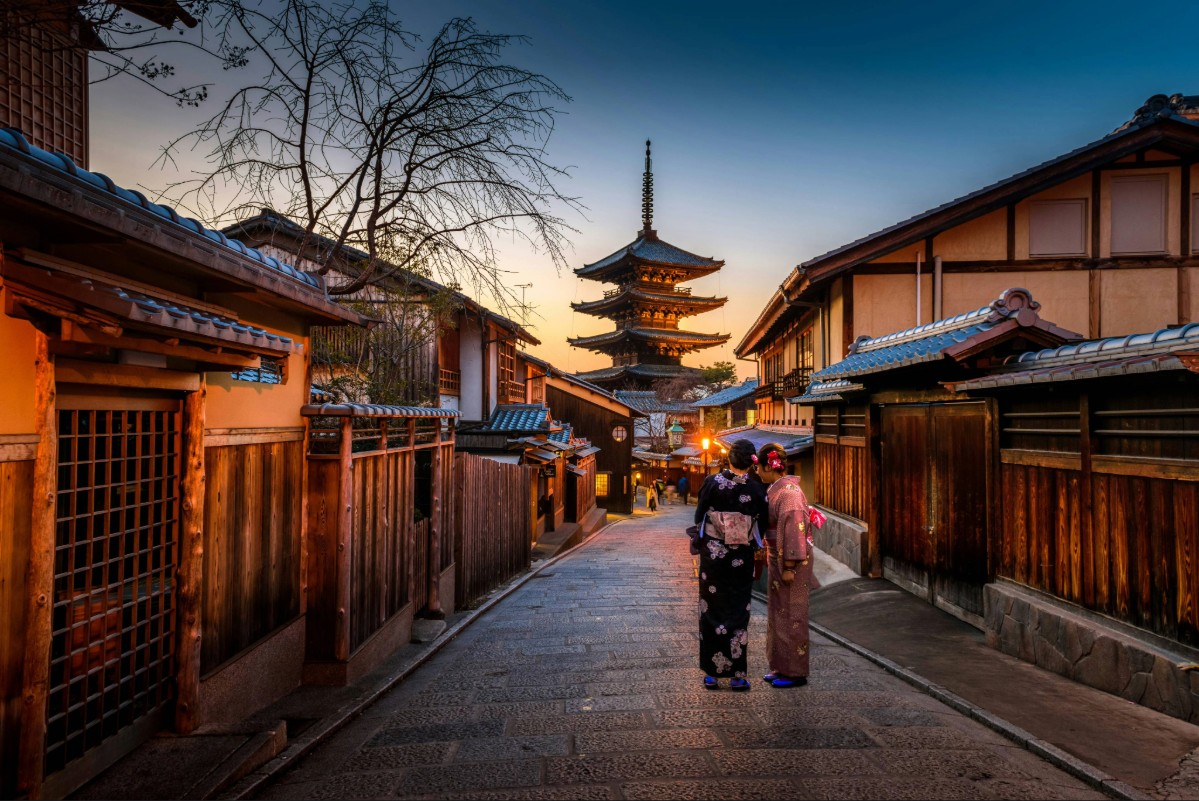
Kyoto will forever live in your heart if you can wake up early in the morning. Temple paths that are crowded by midday are almost silent first thing in the morning, especially in places like Higashiyama and the Philosopher’s Path.
Slow travel works in Kyoto because it revolves around neighborhoods, rather than major attractions alone. You’ll settle into new routines quickly.
You’ll return to the same small café for coffee in the mornings, walk beside the Kamo River in the evenings, and end up back at the same ramen shop because it was so good the first time.
Even train rides between districts will give you time to quietly sit and watch the city pass outside the window.
West Cork, Ireland
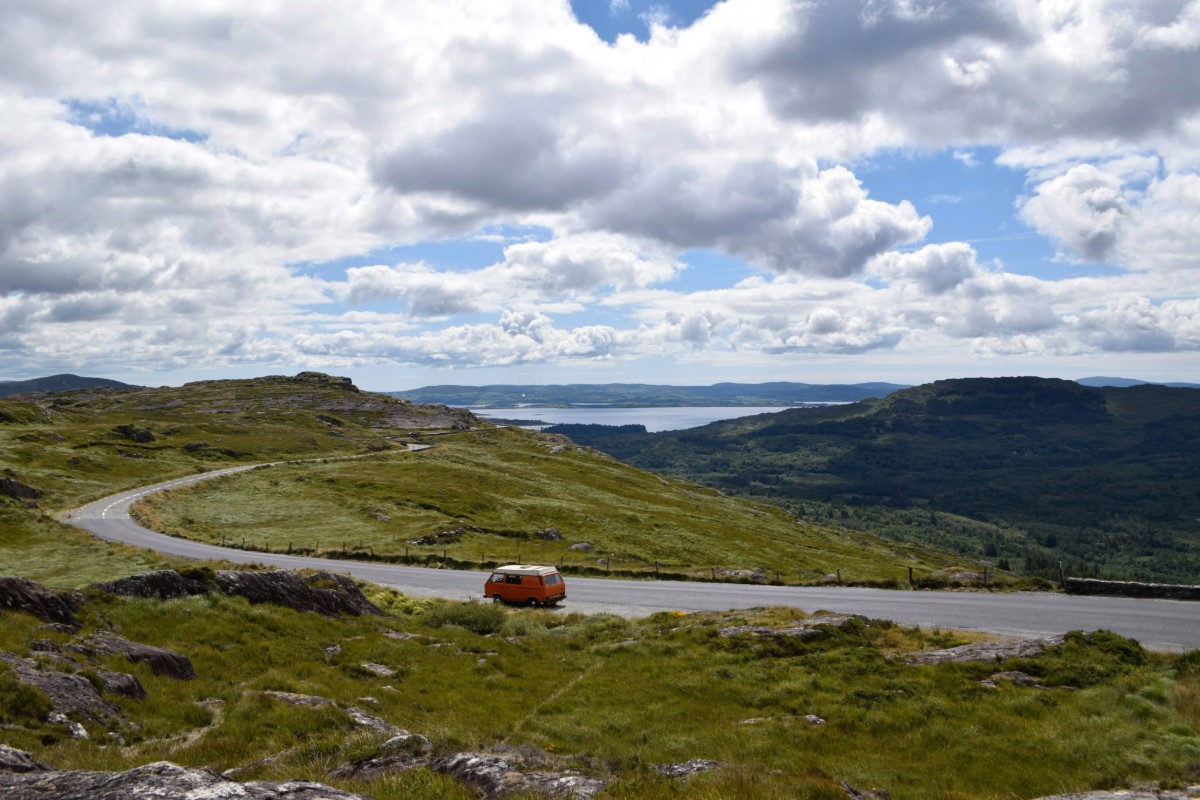
West Cork will loosen your schedule without much effort. The coastal roads curve unpredictably, the weather changes by the hour, and entire afternoons can disappear inside a pub where the banter lasts well into the night.
This part of Ireland will dazzle you if you can stay for a few days, instead of rushing between hotspots.
Places like Clonakilty, Baltimore, and Schull suit slower routines. You can spend your mornings wandering local markets, stepping inside cafés while the rain taps against the window, and settle into evenings filled with trad music and whiskey.
After a few days, you’ll start to notice the smaller details: the smell of seaweed along the shoreline, sheep gathered beside stone walls, and how quickly strangers begin speaking to you like you’ve lived there for a hundred years.
Tuscany, Italy
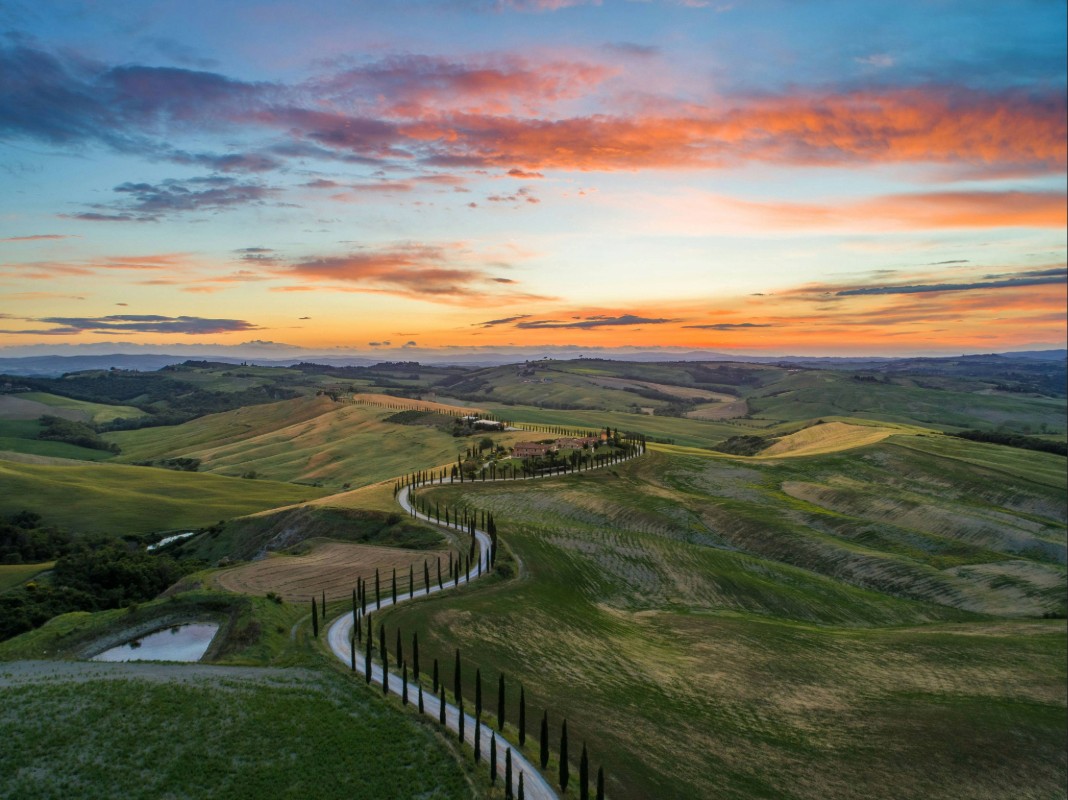
Tuscany is more enjoyable when we stop trying to cover the entire region all at once. Smaller towns suit longer stays because your days can revolve less around sightseeing and more around daily routines. An agriturismo, or a working farm, outside villages like Montepulciano or Pienza will give you plenty of room to settle into a gentler pace.
Allow your mornings to begin with espresso and quiet countryside views. Then, your afternoons can drift into long lunches beneath shaded terraces. Market days will naturally shape your week.
Even driving between villages will become part of the trip because the roads move through vineyards, olive groves, and hill towns that make it difficult not to keep stopping along the way.
Copenhagen, Denmark
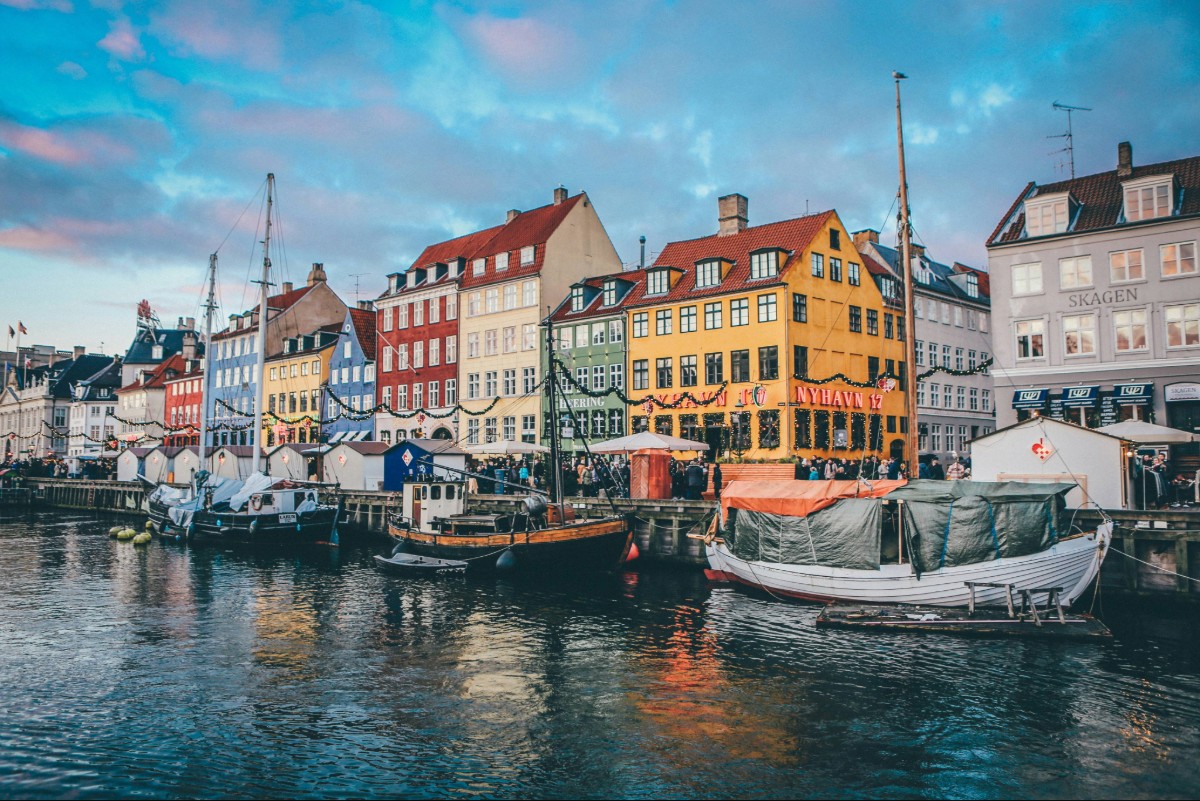
Copenhagen makes slow travel possible through simplicity and routine, rather than isolation. The city is compact, so you can spend less time commuting between places and more time enjoying where you already are.
Cycling will completely change the rhythm of your trip. You can move between bakeries, canals, bookstores, and neighborhoods without much urgency, stopping whenever something catches your eye. Long breakfasts will turn into late mornings, particularly in neighborhoods like Nørrebro and Vesterbro.
On summer evenings, people gather beside the harbor after dinner to watch the boats drift quietly across the water.