Skip the Usual Stops: 10 European Cities That Deliver More
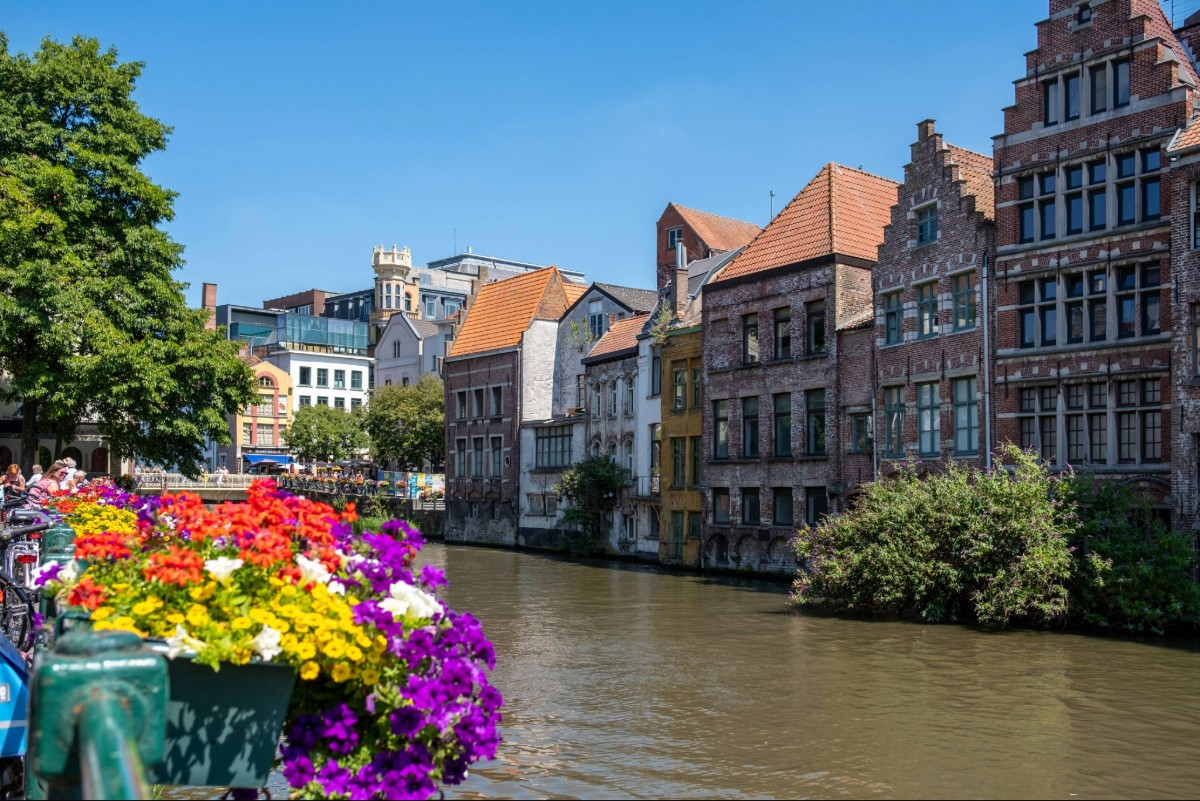
Travel in Europe often defaults to the same handful of cities. They’re well known for a reason, but they also come with crowds, long lines, and a version of the place that can feel a bit overworked.
These cities offer something more grounded. You’ll still enjoy the history, food, and beautiful streets, but the experience will be easier to settle into. The days will unfold without much effort, and you’ll leave with a clearer sense of how the city really runs.
Turin, Italy
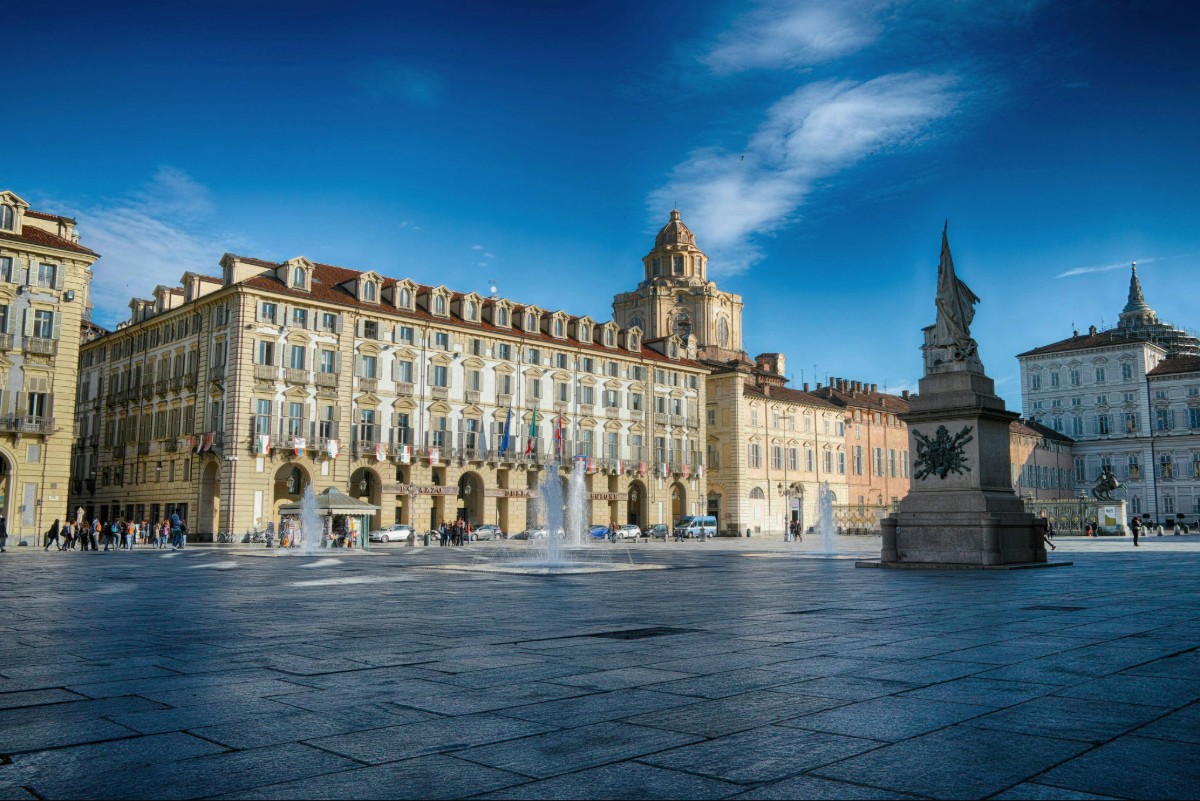
Turin was Italy’s first capital, and you can still see that in how the city is laid out. With wide boulevards, formal squares, and long arcades, it has a sense of order that sets it apart from other Italian cities. On a clear day, the Alps will also be visible at the edge of the city.
You can begin in Piazza Castello, where royal palaces and museums frame the center of the city. From there, you can walk under the covered arcades because they keep everything connected, whether you’re heading toward the River Po or one of the historic cafés.
Lyon, France
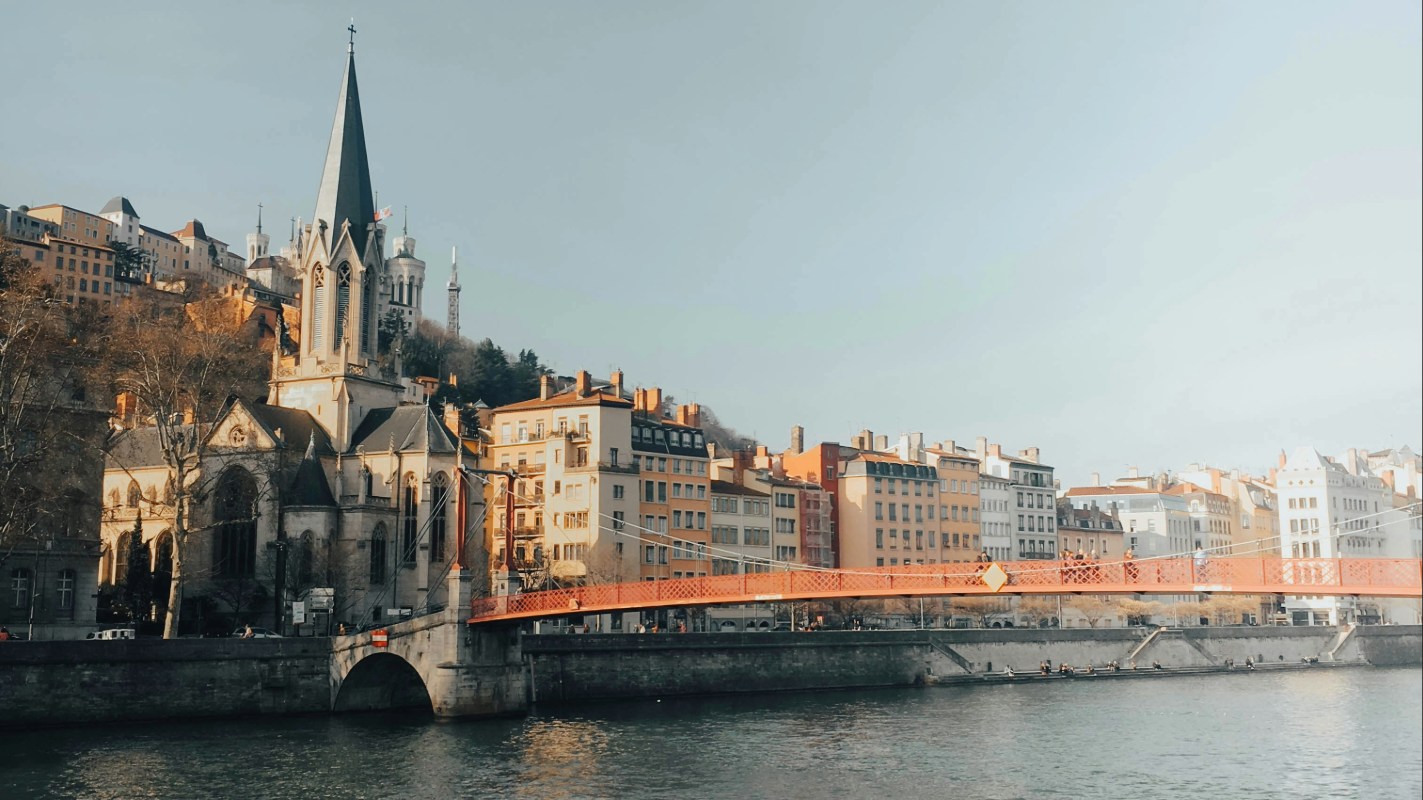
Lyon grew as a center of trade and silk production, positioned between the Rhône and Saône rivers. Its old town reflects that history, with narrow streets and hidden passageways known as traboules, originally used by silk workers to move goods through the city.
Walking through Vieux Lyon will take you past Renaissance buildings and small courtyards that open unexpectedly between streets. And, if you climb up to Fourvière Hill, you’ll have a full view over the city, with the basilica proudly rising above it all.
Valencia, Spain
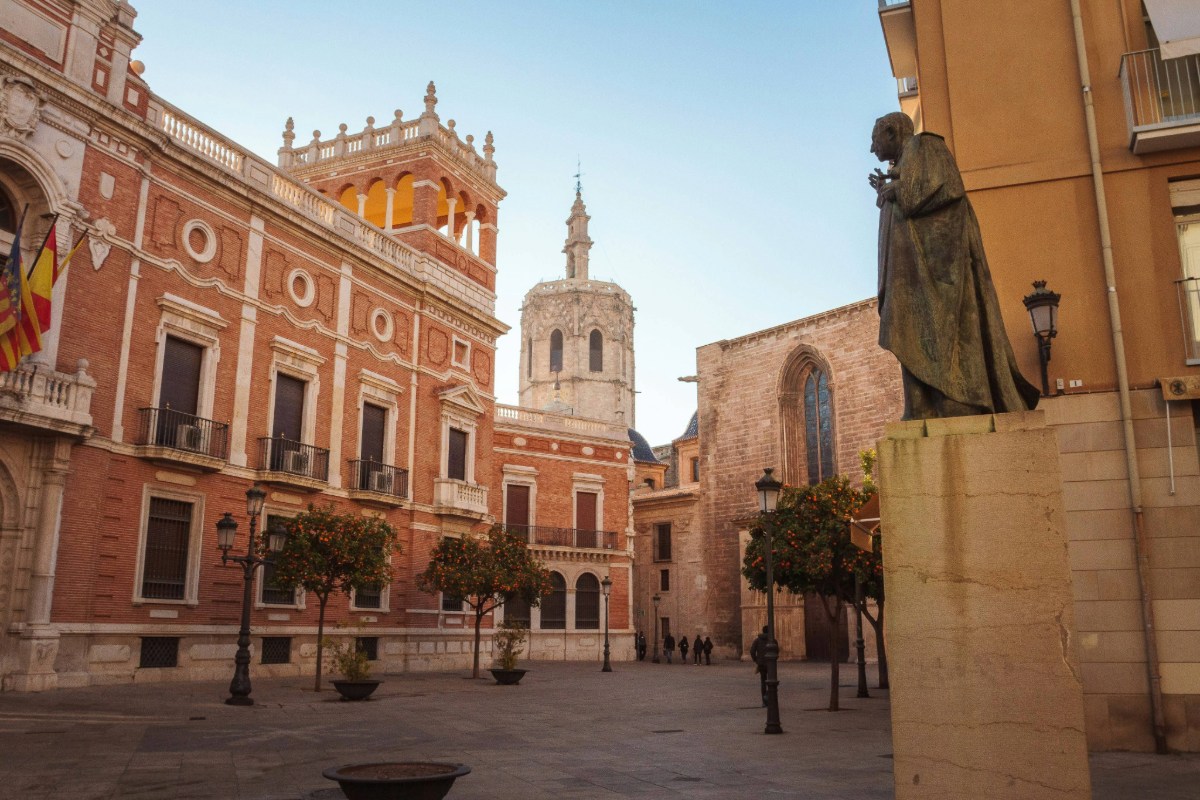
Valencia has layers of history, from its Roman origins to its Moorish past and later expansion as a port city. The old town holds onto those earlier influences, while the newer parts of the city open into wider streets and modern architecture.
The Mercado Central is a good place to start, with stalls selling everything from fresh produce to cured meats. From there, the City of Arts and Sciences will show a completely different side of Valencia, with large, modern structures set along the dry riverbed.
Porto, Portugal
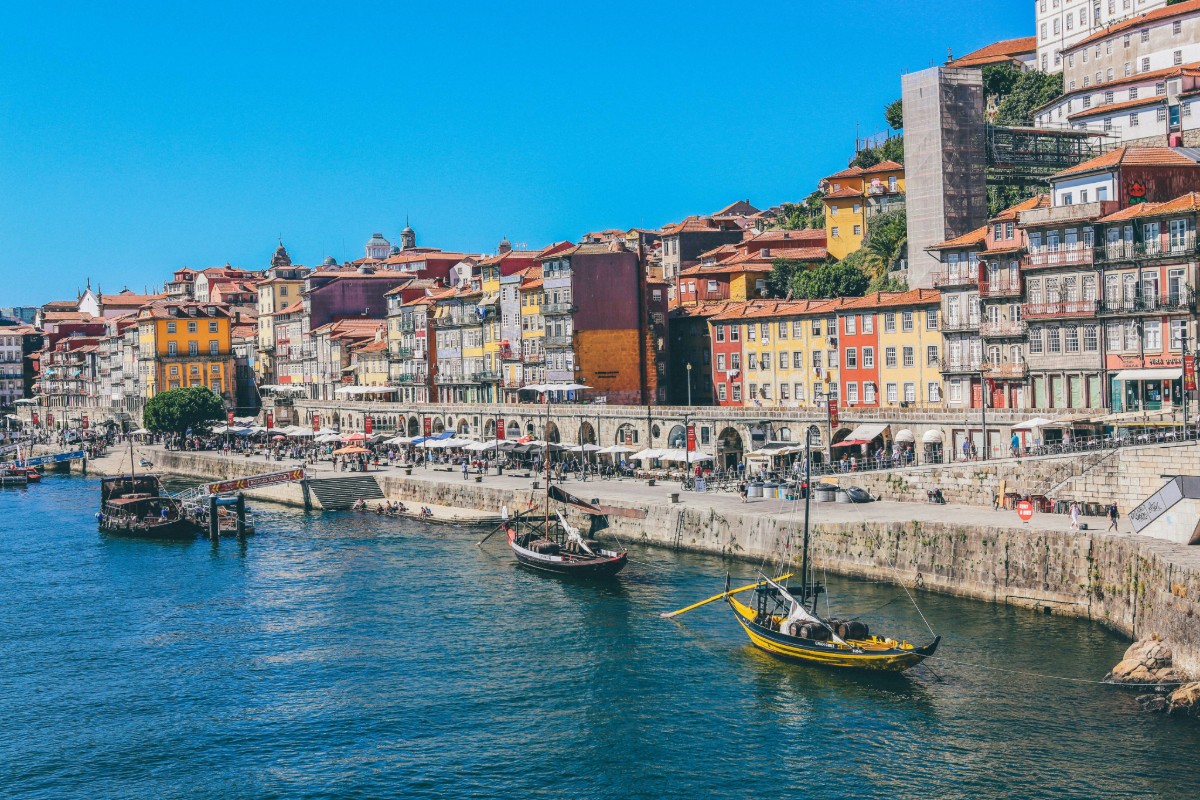
Porto developed along the Douro River, with steep streets connecting the upper city to the waterfront below. The buildings are narrow and often covered in blue and white tiles, giving the city a distinct look that carries through most of its neighborhoods.
Ribeira, the riverside district, usually catches people’s eye first, with its line of colorful buildings and small cafés. Then, if you cross the Dom Luís I Bridge, it will take you to Vila Nova de Gaia, where the port wine cellars line the riverbank.