The Outer Hebrides Are the Kind of Place That Will Quietly Change You
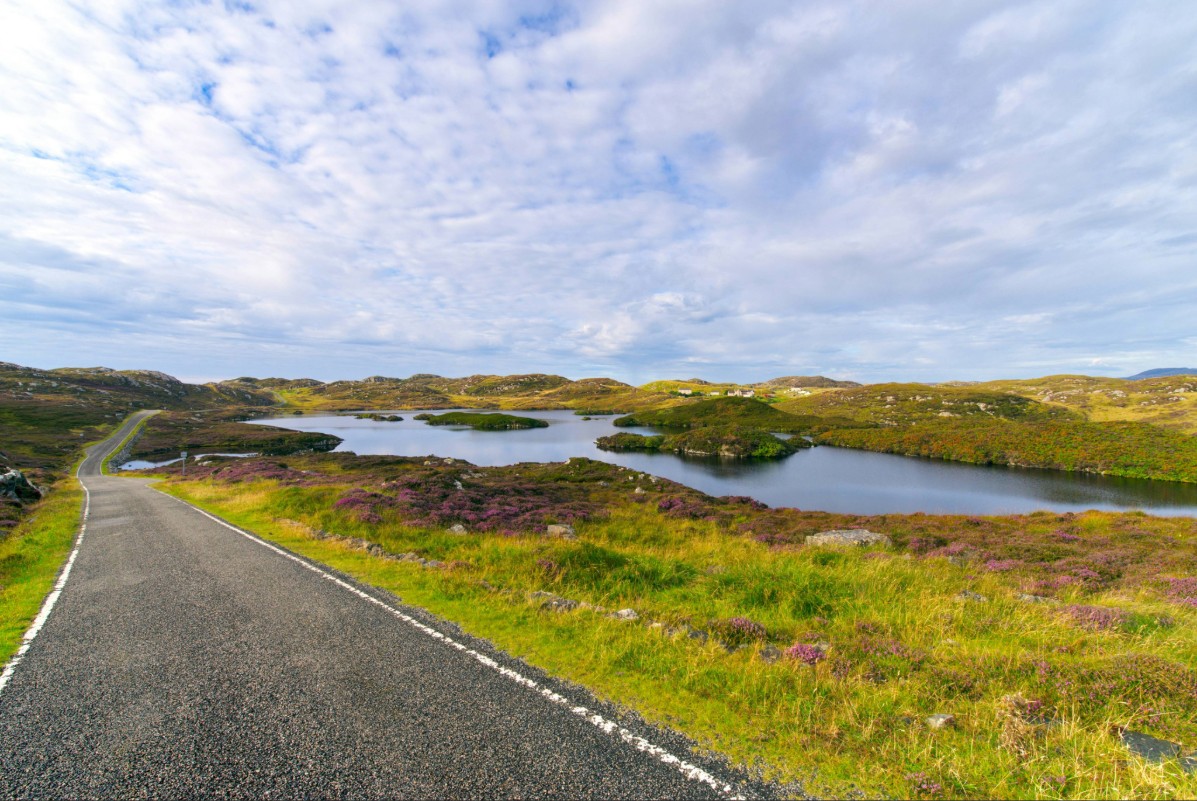
The Outer Hebrides don’t compete for attention the way other destinations do. The islands are off Scotland’s northwest coast, and they stretch along the Atlantic with empty beaches, peat-covered hills, single-track roads, and weather that can change within the hour.
That slower rhythm is part of what makes the islands so unforgettable. You won’t spend your days rushing between major attractions.
Instead, you’ll settle into long drives beside the sea, quiet walks through machair grasslands, small cafés, ferry crossings, and evenings where the loudest sound might be the wind moving across the coastline.
Lewis and Harris Will Give You Two Completely Different Landscapes
Lewis and Harris is technically one island, but the landscape is dramatically different between the two regions. Lewis is more rugged and historic, while Harris is full of mountain roads and beaches that look more like the Caribbean than northern Scotland on a sunny day.
Luskentyre Beach is one of the best examples of this. The water shifts between pale turquoise and deep blue, depending on the weather, with huge stretches of white sand that are completely open. You can walk there for ages without passing many people, especially outside of the summer season.
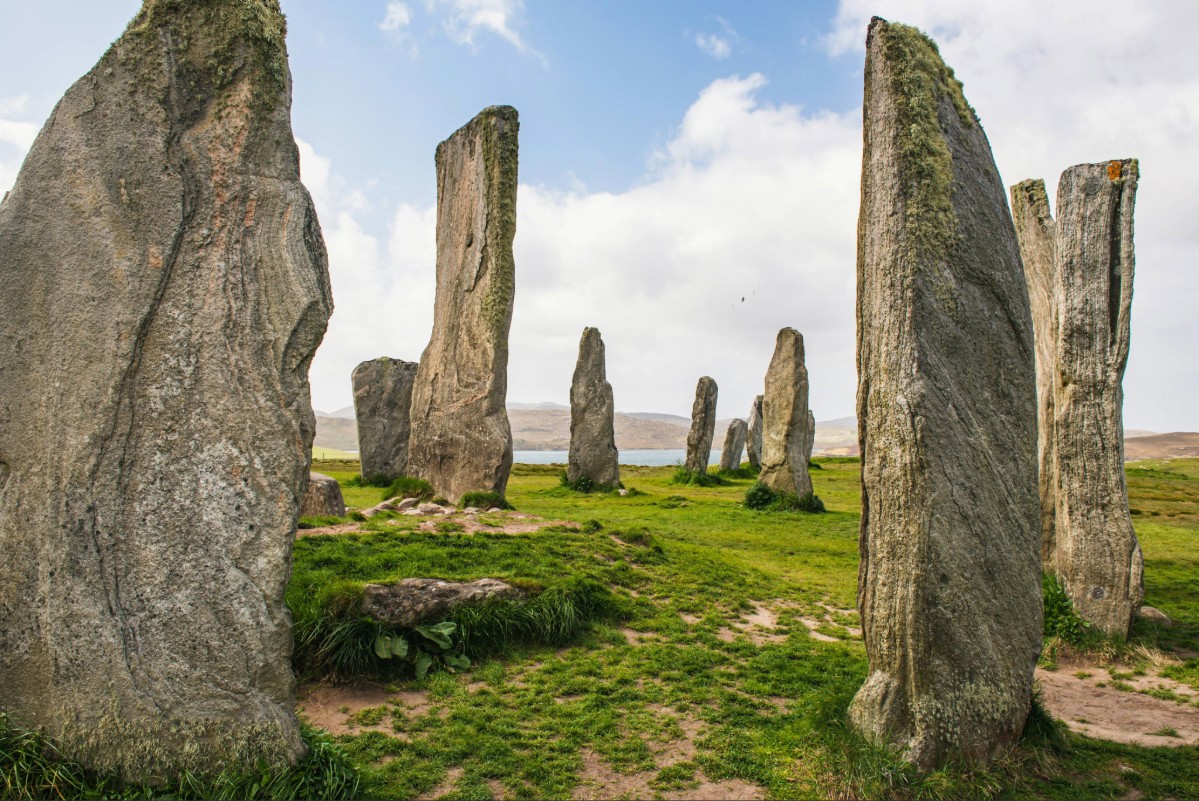
Further north on Lewis, the Callanish Standing Stones create a completely different atmosphere. The stone circle predates Stonehenge by thousands of years, and the surrounding landscape is wonderfully open and exposed.
Arriving early in the morning or later in the evening will completely change the experience as the crowds thin out and the weather turns softer across the moorland.
The Beaches Rarely Look Real
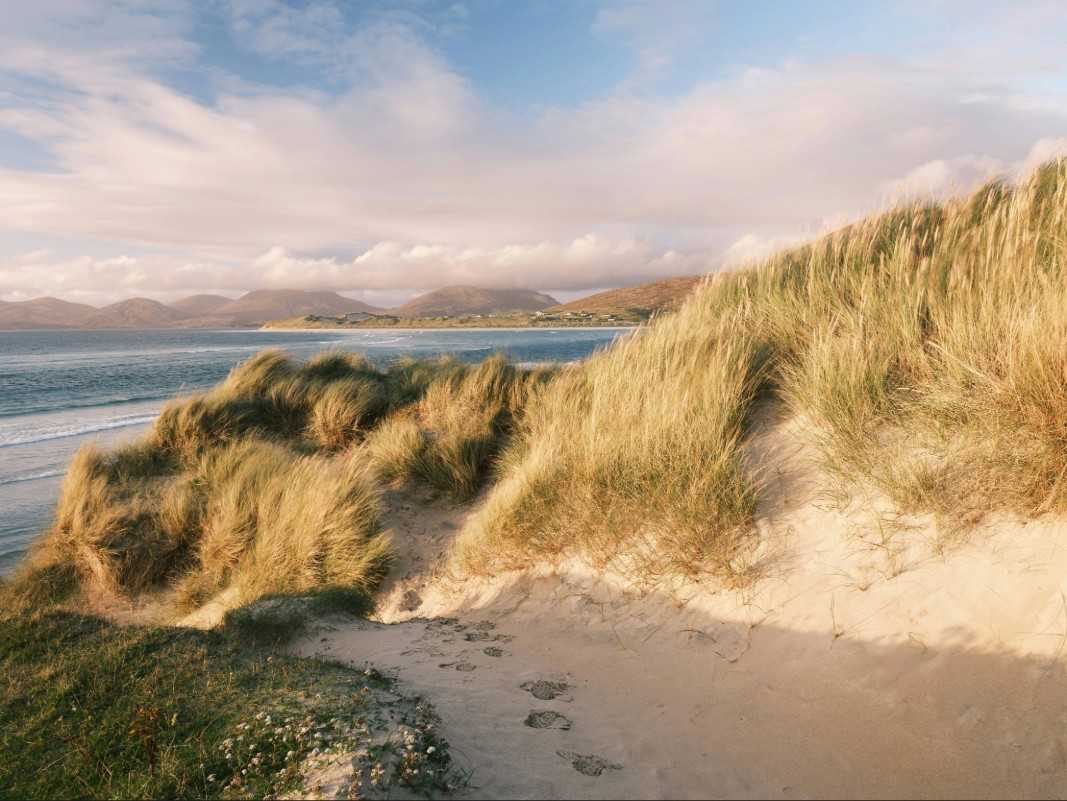
The beaches in the Outer Hebrides are some of the most beautiful in Scotland, but they never feel polished or crowded. Most still look wild, shaped more by the weather and the tide than tourism.
Seilebost Beach and Scarista Beach are worth visiting if you like long walks and quiet afternoons. The light constantly changes there. One hour can bring low mist and gray skies, while the next one opens into bright sunlight across the water.
The beaches along the Isle of Berneray are just as striking, particularly West Beach, which stretches into pale sand and shallow water, backed by dunes. Even in the summer, much of the island is wonderfully uncrowded, compared to mainland Scotland.
The Roads Become Part of the Trip
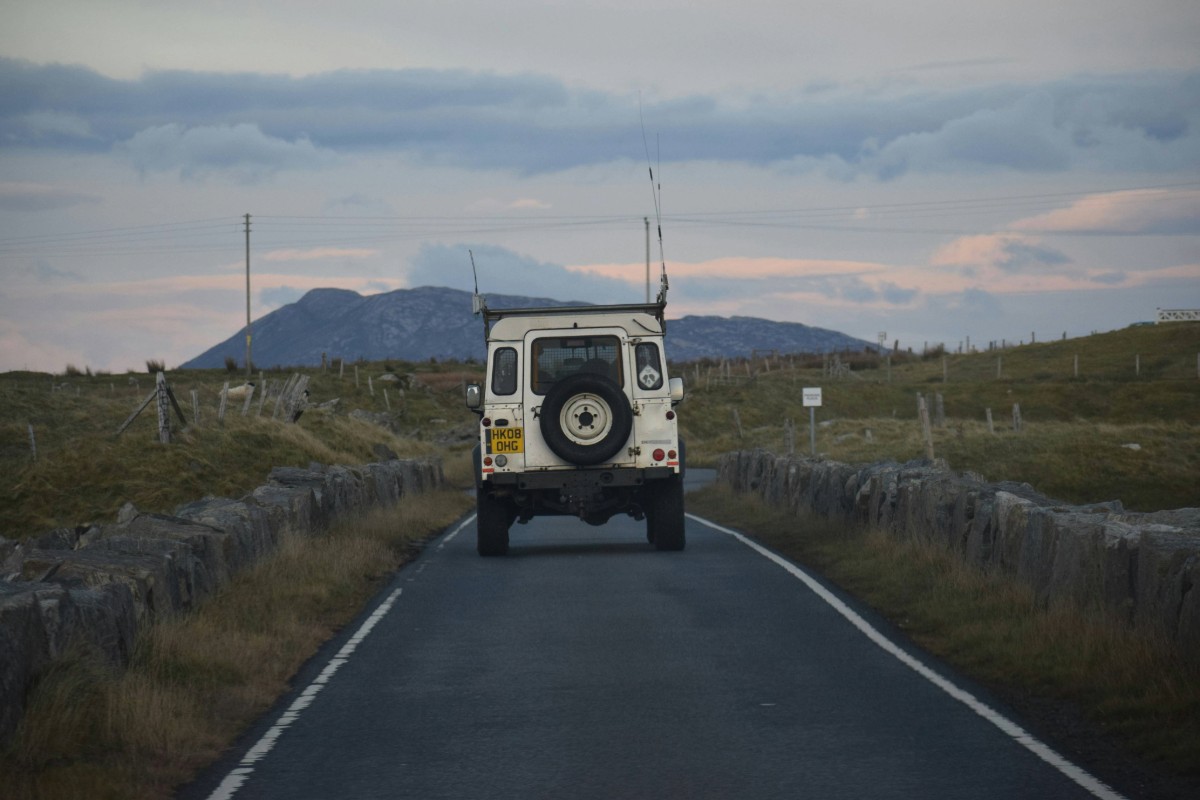
Driving through the Outer Hebrides is less about reaching the next stop and more about allowing the landscape to introduce itself to you. Single-track roads wind through peat bogs, tiny villages, mountain passes, and stretches of the coastline where the sheep wander directly beside the road.
The Hebridean Way links many of the islands together, running from Vatersay in the south, all the way to Lewis in the north. You don’t need to complete the entire route to enjoy it. Even shorter drives between villages are memorable because the scenery changes so frequently.
Ferry crossings will also shape your experience. Traveling between the islands by CalMac ferry will naturally slow the pace of the trip in a good way. You’ll spend time outside on the deck, watching the coastline gradually disappear behind you while seabirds follow the boat across the water.
Small Villages and Local Traditions Matter Here
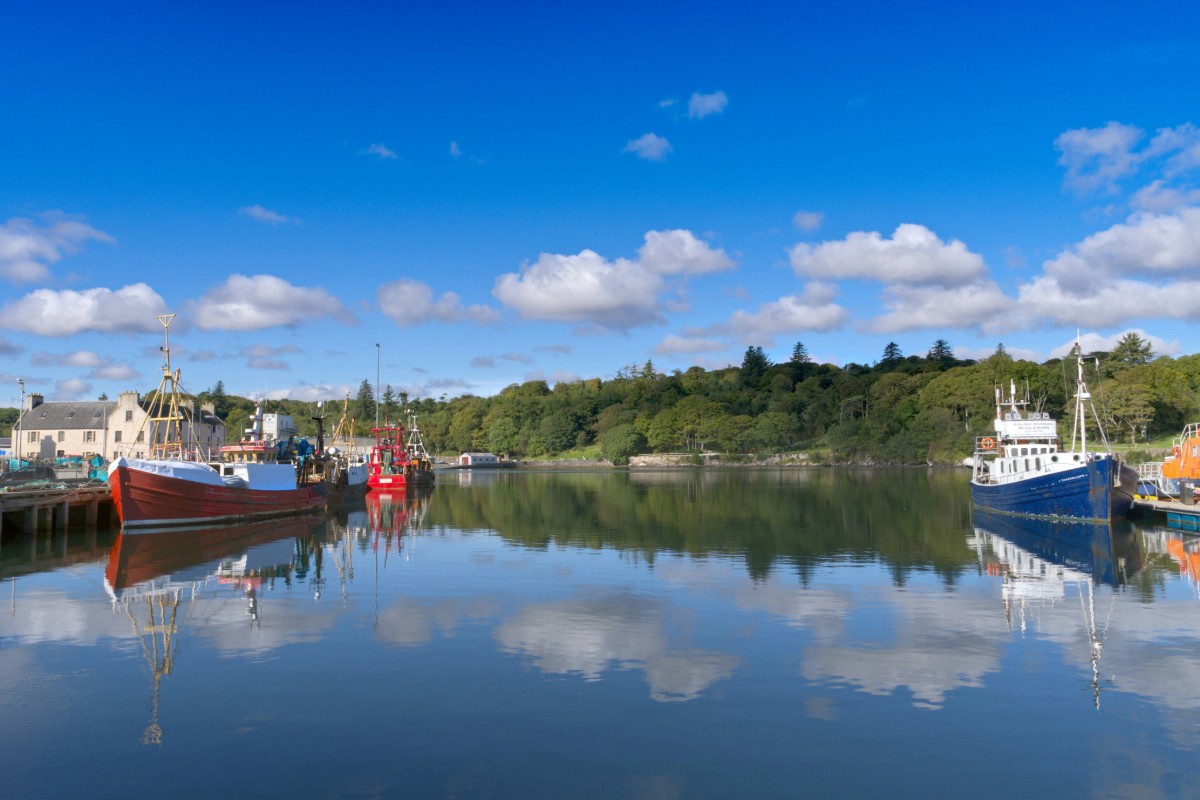
The Outer Hebrides work well when you try to leave space for the smaller moments along with the major scenery. Villages like Tarbert, Stornoway, and Leverburgh are full of cafés, local shops, seafood restaurants, and small harbors where daily life carries on at a steady rhythm.
Gaelic culture still shapes the islands, and you’ll hear the language spoken throughout the communities. Harris Tweed is also deeply tied to the region. Small shops and weaving studios sell textiles, scarves, blankets, and jackets made in ways that still feel connected to the landscape itself.
Seafood plays a major role in the food scene, as well. Fresh scallops, langoustines (prawns), smoked salmon, and crab are featured on menus all across the islands, often served in beautiful little restaurants overlooking the water.