
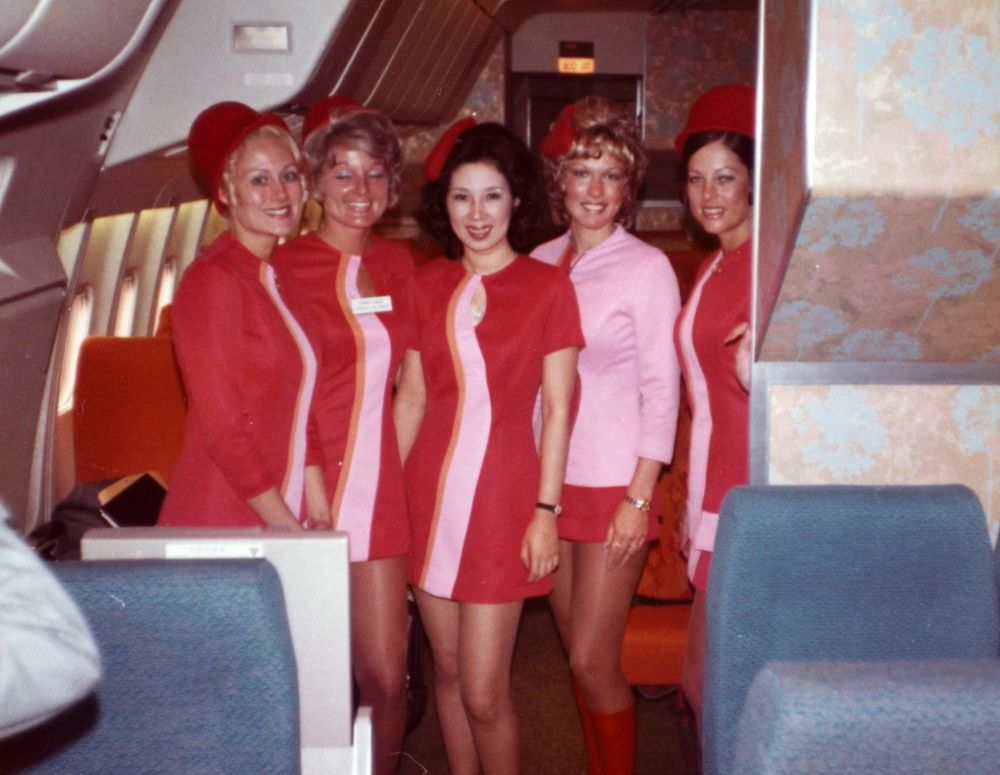
Some were glamorous global networks, others were bold experiments in budget travel. These airlines once helped define how the world flew. Each carried its own identity, innovations, and loyal passengers, before industry shifts, mergers, and financial turbulence ultimately grounded them for good.
Pacific Southwest Airlines
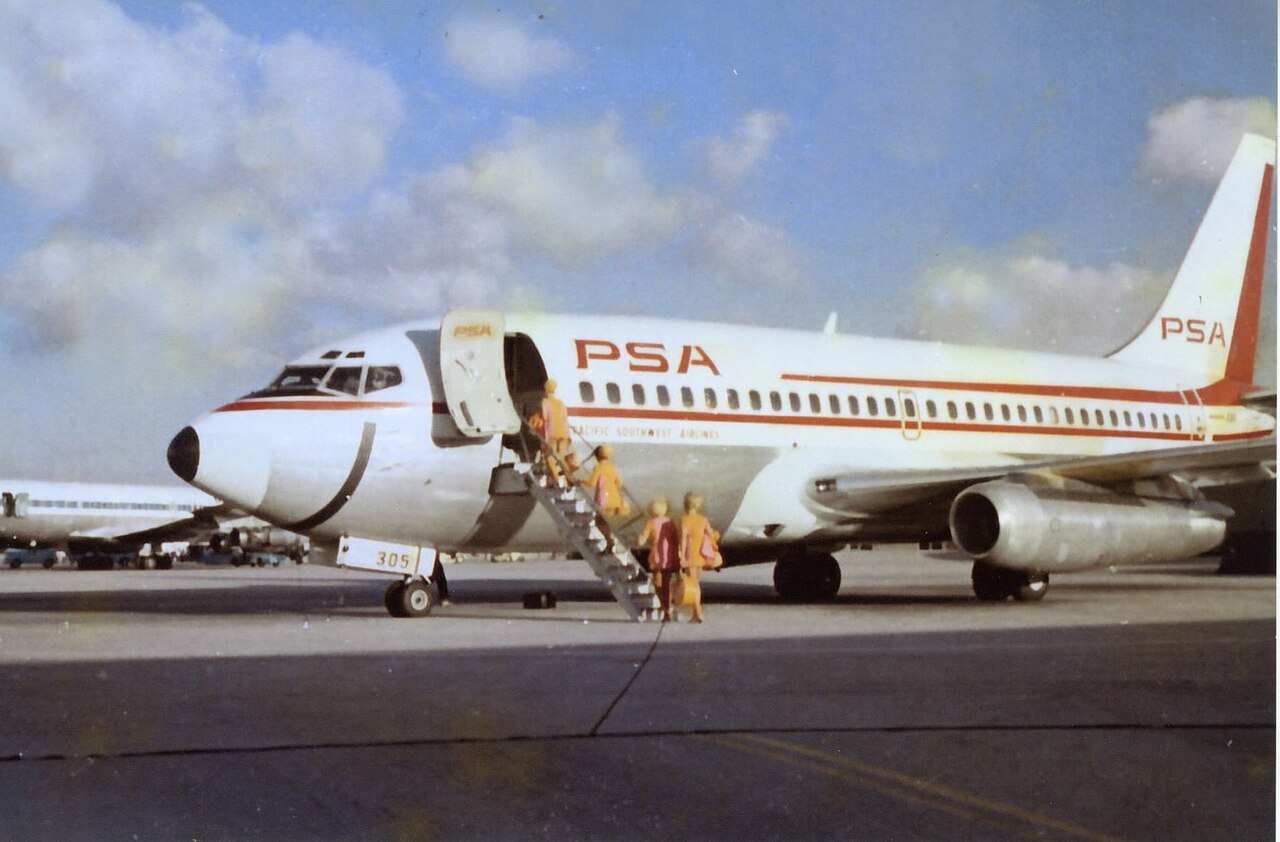
Pacific Southwest Airlines, known as PSA was a pioneering low cost carrier that inspired Southwest Airlines founded 1949 with a leased Douglas DC 3 became a leading California intrastate airline based in San Diego famous for friendly branding acquired by US Air in 1987 ceased operations in 1988.
Western Airlines
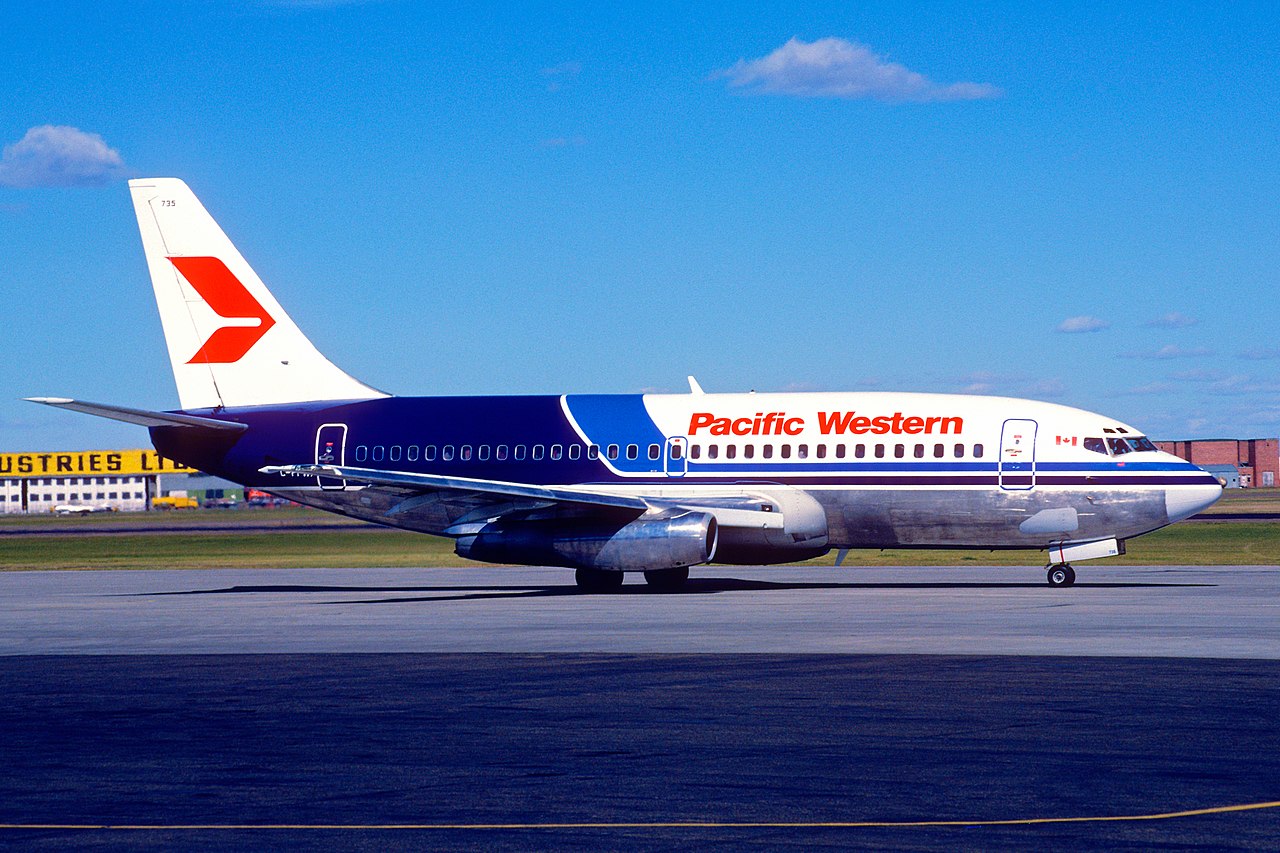
Founded in 1925 as Western Air Express, carrying airmail before growing into one of the most important carriers in the western United States. It pioneered passenger jets like the Boeing 707 and 737, introduced in flight Champagne, and was known for its “The Only Way To Fly” slogan. Merged into Delta Air Lines in 1987.
National Airlines
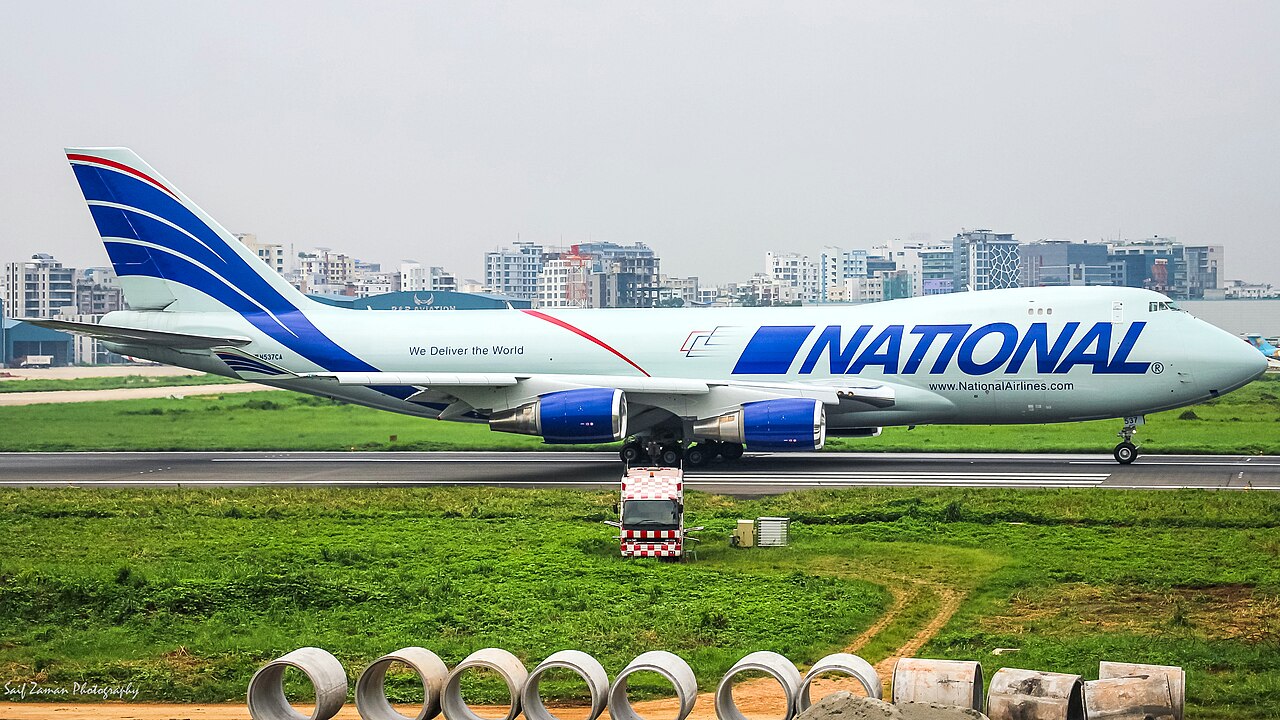
National Airlines began in 1934 as a Florida based airmail carrier and grew into a major regulated era airline headquartered in Miami. Known as the “Airline of the Stars,” it expanded across the US and later into Europe in the 1960s and 70s before being acquired by Pan Am in 1980.
Pan American Airways
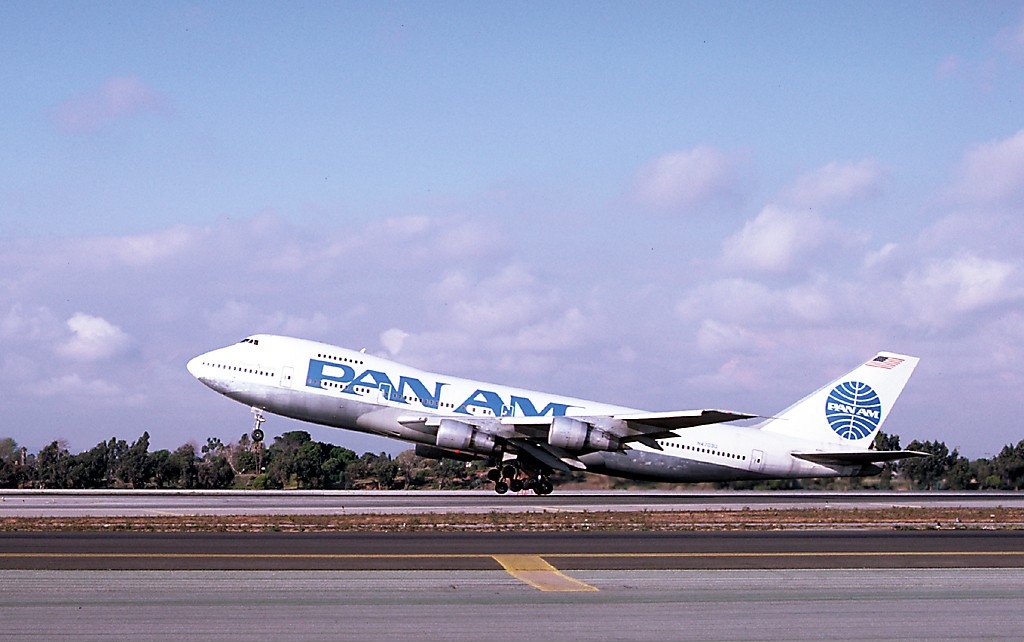
Known as Pan Am, was founded in 1927 and became a defining symbol of global aviation. It introduced iconic aircraft like the Boeing 707 and Boeing 747, helping shape the international jet age. After deregulation struggles, it sold assets and collapsed in 1991, though the brand continues through licensing.
Republic Airlines
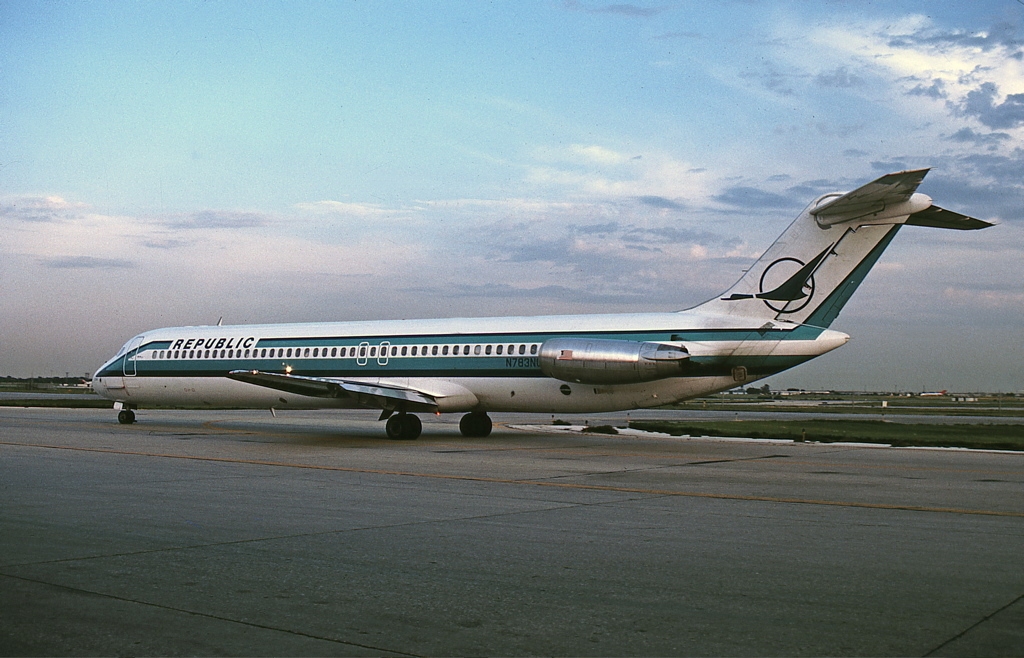
Born from a merger of North Central Airlines and Southern Airways in 1979, becoming one of the first major carriers of the deregulation era. Based in Minneapolis St. Paul, it operated a large DC 9 fleet and expanded westward after acquiring Hughes AirWest. It was bought by Northwest Airlines in 1986.
Piedmont Airlines
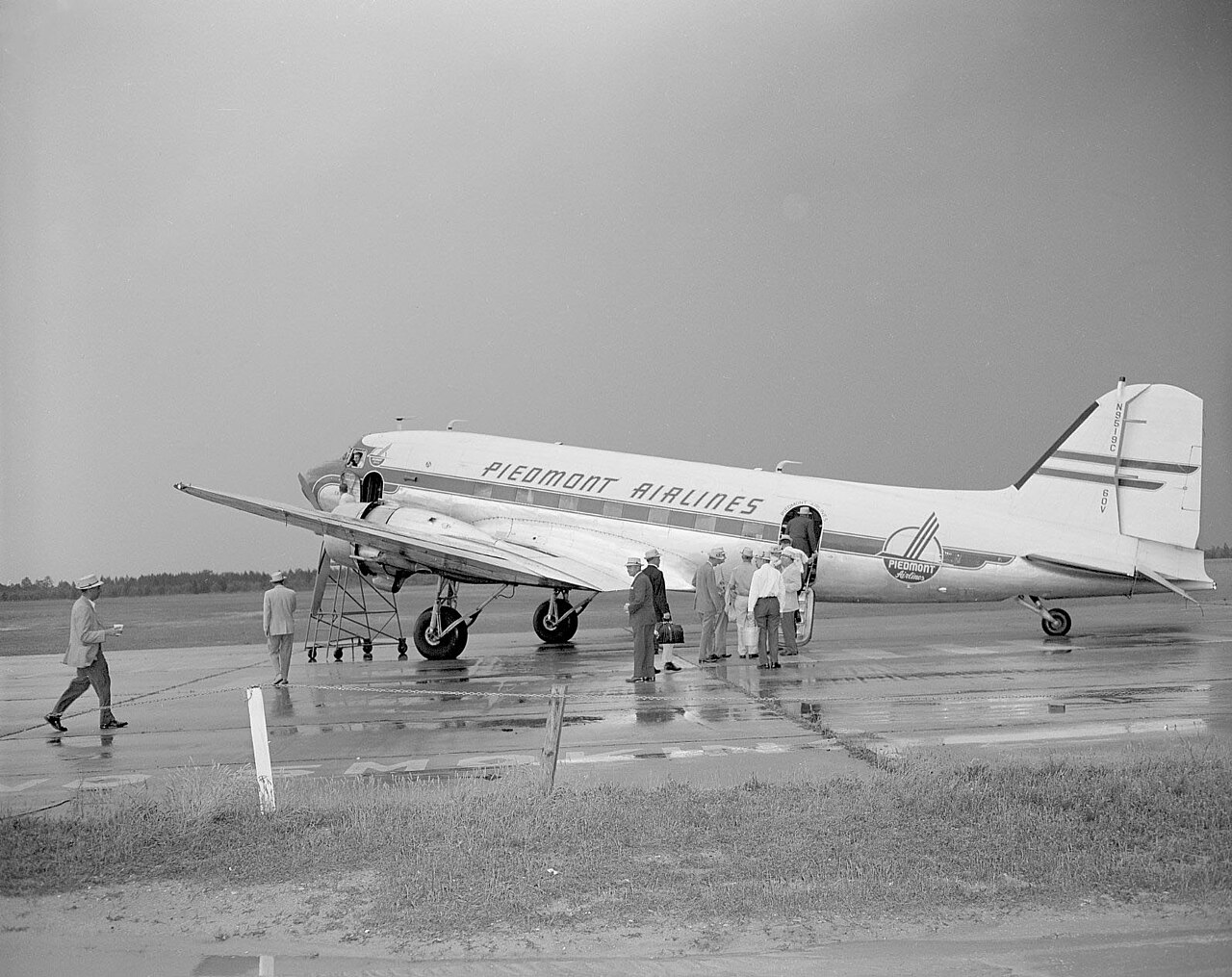
Piedmont Airlines began as Midwest Express in 1940 in North Carolina as an aviation training and service company before launching scheduled passenger flights in 1948 using Douglas DC 3 aircraft. It expanded rapidly after deregulation, building hubs across the eastern US and becoming a major national carrier. Piedmont was acquired by US Air in 1989.
Aloha Airlines
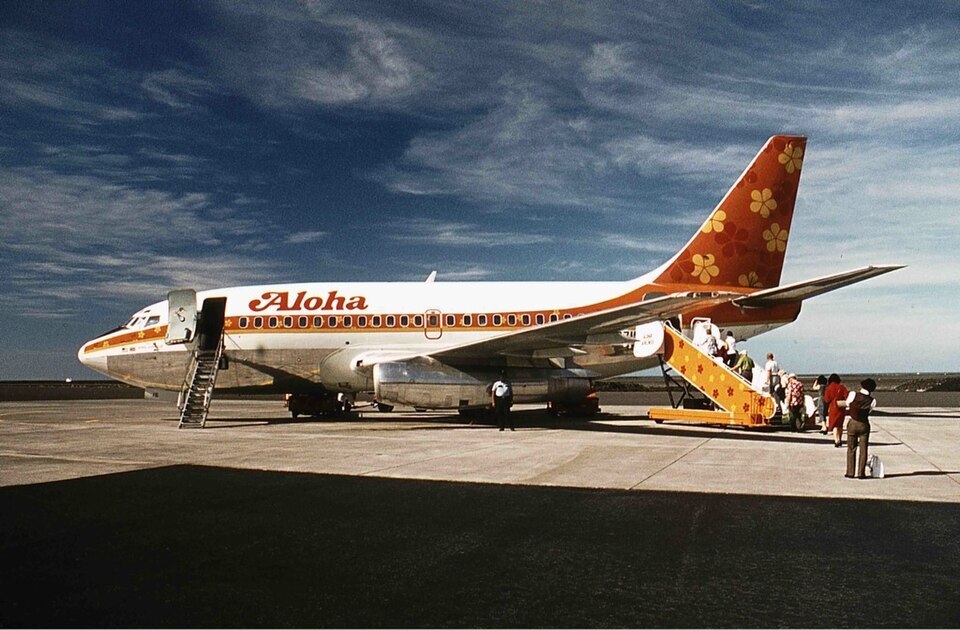
Aloha Airlines began as Trans Pacific Airways, serving Hawaii before statehood and later adopting the Aloha name in 1958. It became a key interisland carrier alongside Hawaiian Airlines and briefly expanded to mainland routes in 2000. Financial pressure and intense fare competition eventually forced it to shut down in 2008.
Virgin America
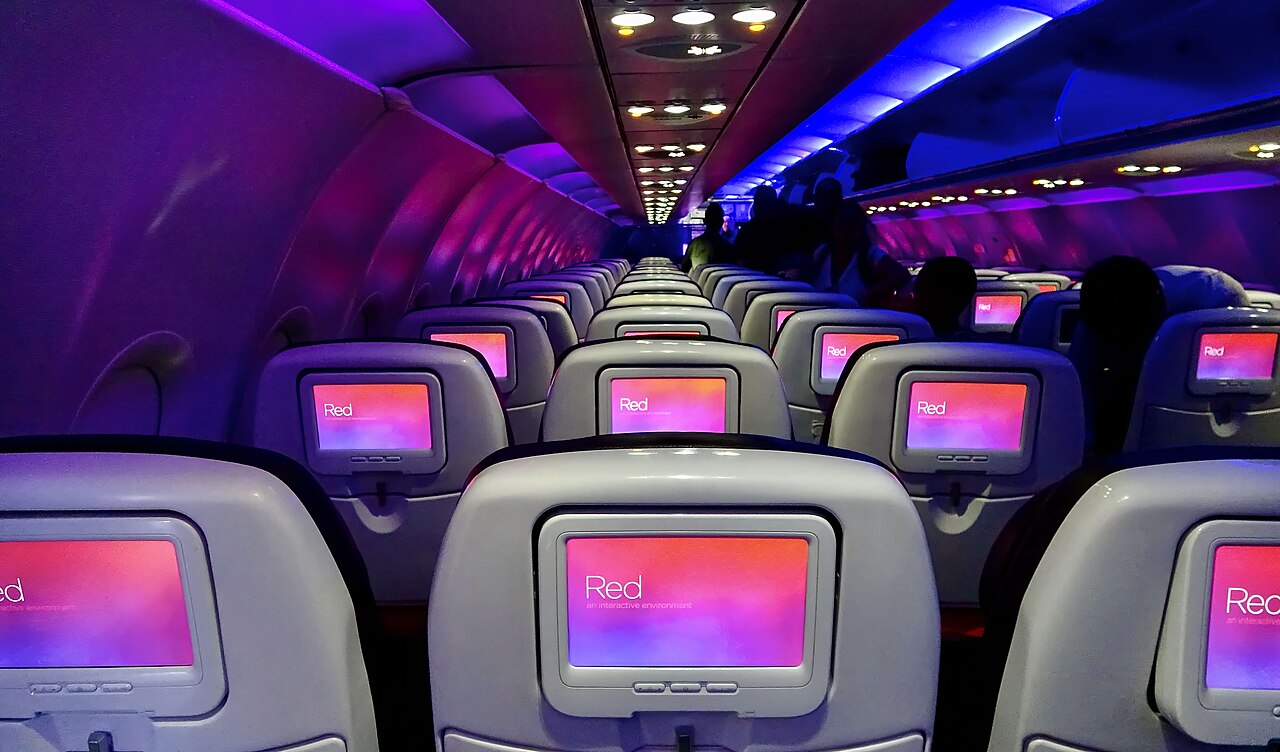
Known for features like mood lighting and a design focused cabin experience, Virgin America operated hubs in Los Angeles and San Francisco. It launched in 2007 as a stylish US carrier using the Virgin brand to bring a more modern experience to domestic flying. It was acquired by Alaska Airlines in 2016.
Midwest Express
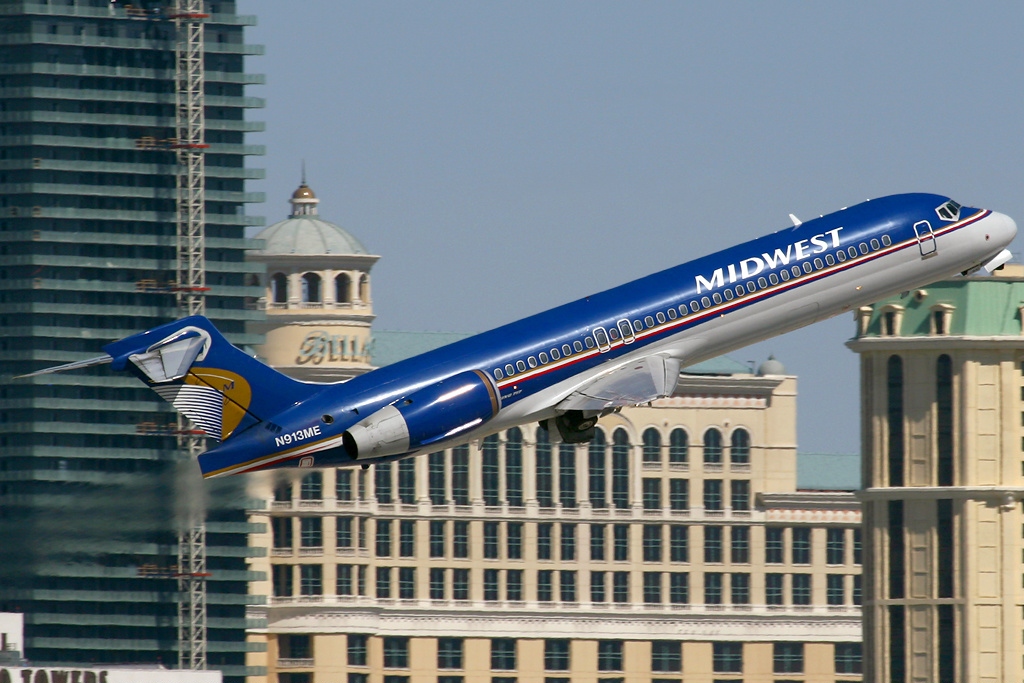
Midwest Airlines began as Midwest Express and became a Wisconsin based regional favorite known for its “Best Care in the Air” promise. It stood out for spacious leather seats, complimentary meals, and its signature warm chocolate chip cookies. Centered in Milwaukee, it later struggled after 9/11 and merged into Frontier Airlines in 2010.
Trans World AIrlines
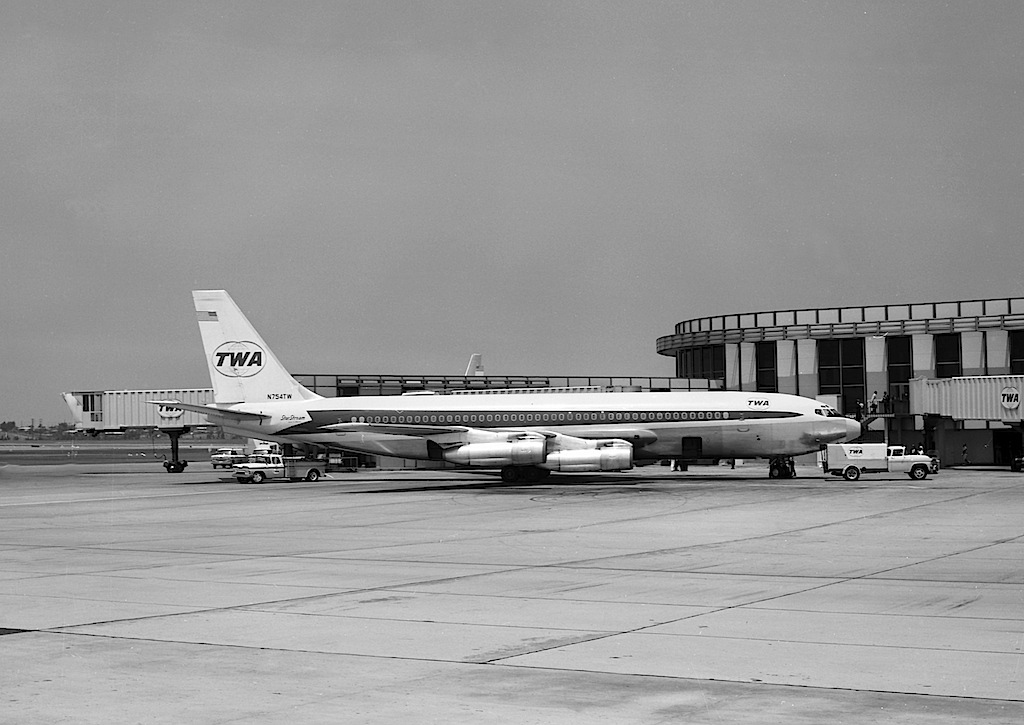
Trans World Airlines, better known as TWA, was one of the defining carriers of aviation’s golden age. Backed early on by Howard Hughes, it pioneered long-haul domestic routes and entered the jet age with the Boeing 707 in 1959. After deregulation, it expanded through acquisitions but later collapsed and was absorbed by American Airlines in 2001.
Remembering Aviation’s Golden Age
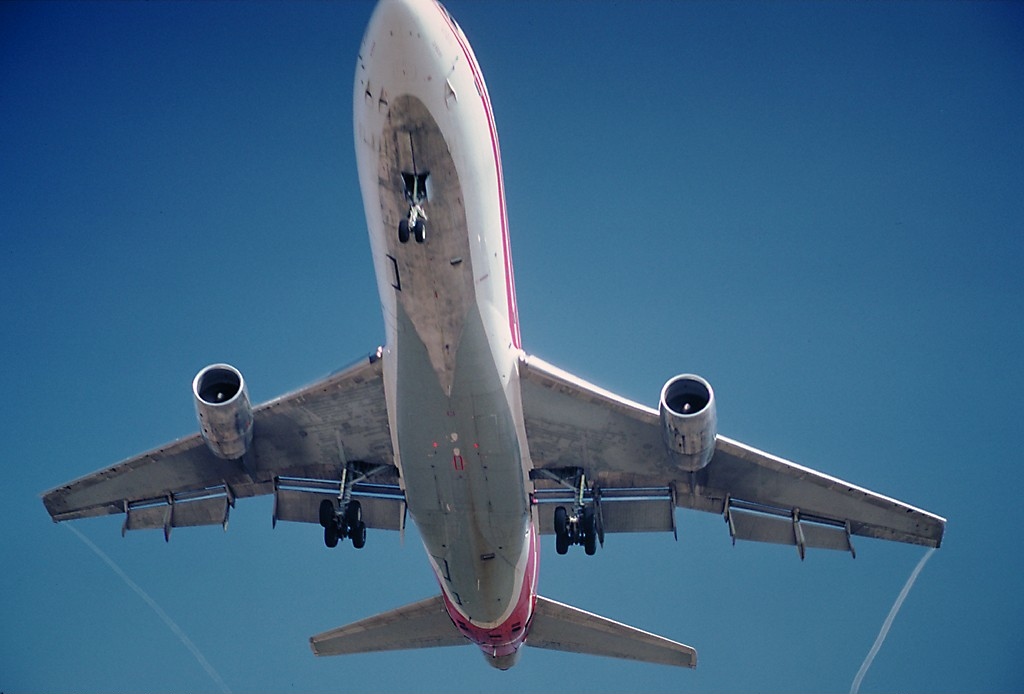
While today’s airlines offer incredible technology, expanded route networks, and greater accessibility, many travelers still look back fondly on the carriers that helped shape modern aviation. Whether it was Pan Am’s international prestige, TWA’s glamorous image, or PSA’s pioneering low-cost model, these airlines left behind legacies that continue to influence the industry. Though their aircraft no longer take to the skies, their impact remains woven into the history of air travel.
More from Travel Reveal: