Unexpected Skills I’ve Learned From Long-Term Travel
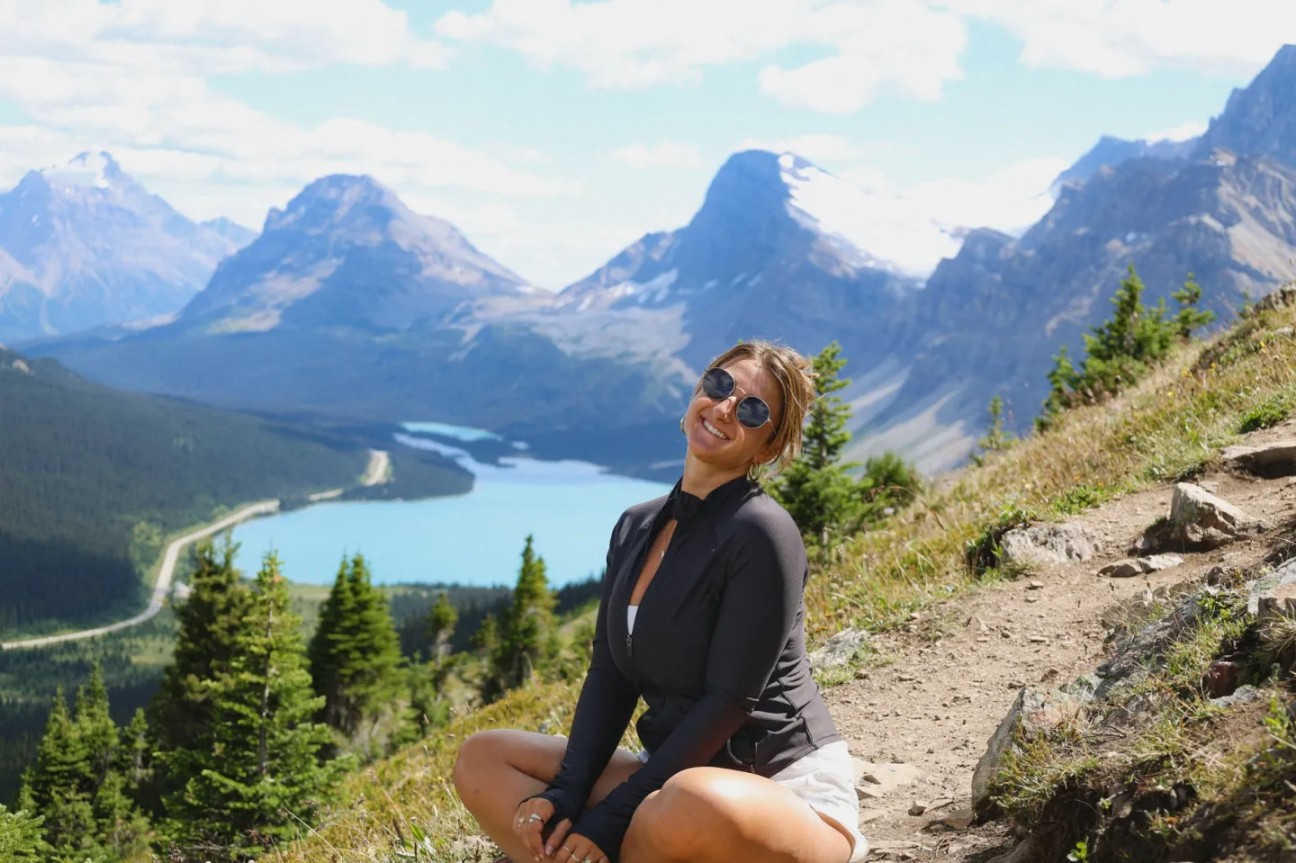
Traveling, as I always describe it, is one of the biggest educators and learning experiences. It teaches you so much, far beyond anything I ever learned in school, and often in ways I never expected. These are lessons and skills that stay with you for life, whether you are traveling or not.
After nearly two years on the road full time and over four years of solo travel and backpacking, I’ve picked up a mix of unexpected skills. Some are simple and random, while others are deeply impactful and shape how I move through the world every day.
Picking up accents after hearing people speak in English.
Starting off with something a bit niche and random, but surprisingly useful is picking up on accents and languages.
Before traveling, I could barely distinguish accents, especially in languages I did not understand. Everything sounded unfamiliar and hard to place.
Now, after meeting people from all over the world, forming friendships across different countries, and constantly hearing different ways of speaking English, I’ve gotten really good at recognizing where someone might be from just by how they sound.
Sometimes it is subtle pronunciation, rhythm, or certain phrases that stand out.
It might seem small, but it can actually be helpful. Being able to recognize where someone is from can give you insight into how they communicate, their tone, and their mannerisms. It can help you better connect with them, adjust how you speak, or understand them more clearly in conversation.
Navigating.
A more obvious but essential one is navigation. I used to have absolutely no sense of direction, even in my own hometown. I relied heavily on maps and other people, and would still somehow get turned around.
But being alone in new cities, having to walk, run, take buses, and figure things out on my own has completely changed that. When you do not have someone to rely on, you are forced to pay attention.
I started noticing small details like street names, landmarks, the direction of the sun, or even the general feeling of a place. Over time, all of these things build a stronger awareness of your surroundings.
Now I can move through cities with much more confidence, even in chaotic or unfamiliar environments where I do not speak the language.It is a skill that started out of necessity, but it has become something I carry with me everywhere.
Communication without a shared language.
Being able to communicate without sharing a common language is one of the most valuable skills I’ve gained. While you can often find someone who speaks some English, it is not always possible, especially in more local areas or less touristy places.
There have been many moments where I needed to ask for help, explain something, or understand a situation quickly, and words were not an option. Whether it was on public transport, asking for directions, or communicating in accommodations, I had to find another way.
Using body language, gestures, facial expressions, tone, and sometimes translation apps, I’ve learned how to get my point across. It is not always perfect, but most of the time, it works.
It has shown me that communication is so much more than words. There is a universal understanding that can exist between people, even when you do not speak the same language.
Trusting my gut and intuition.
Trusting your intuition is something that can truly make or break an experience. Before traveling, I struggled to really understand what my body was telling me. I would overthink, second guess myself, or ignore those subtle signals completely.
But traveling alone constantly puts you in situations where you have to make quick decisions. Whether something feels safe, whether you trust a person, or whether you should leave a situation, you do not always have time to overanalyze.
Over time, I’ve learned to recognize the physical and mental signals my body gives me when something does not feel right, or when something feels aligned. It becomes clearer, almost instinctual.
This skill goes far beyond travel. It can protect you from dangerous situations, help you avoid uncomfortable experiences, and also guide you toward better decisions that feel right for you.