I’ve Traveled Solo for 10 Years: Here’s What Makes a Trip Go Smoothly

When I first started traveling alone, I thought successful solo travel depended mostly on confidence. Ten years later, I’ve realized it has much more to do with preparation, awareness, pacing, and learning how to be comfortable in unfamiliar places.
Solo travel has given me some of the best experiences of my life. It’s also taught me how important it is to be practical. The trips that go smoothly aren’t the ones packed with wall-to-wall plans.
They’re the ones where you feel safe, rested, aware of your surroundings, and open enough to enjoy where you are.
Start Planning Earlier Than You Think You Need To
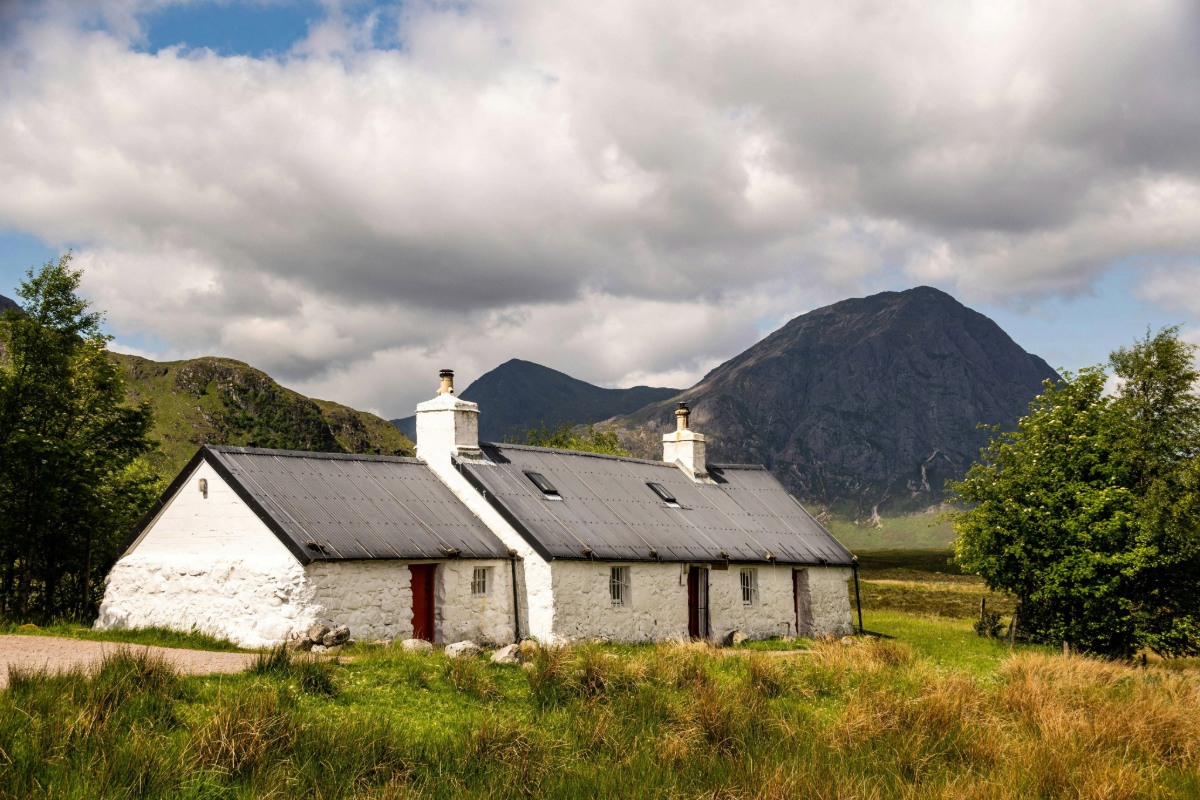
The earlier you start researching, the easier everything will be. I usually spend a significant amount of time reading Airbnb reviews before booking anything, and not just the overall score. I pay attention to the number of reviews, the recent comments, and whether multiple people repeatedly mention the same issues.
I also filter heavily. Guest Favorites with consistently high reviews tend to eliminate a lot of potential problems before they begin. If I’m renting a car, I always check the parking situation to avoid confusion after a long flight. Location matters just as much as the property itself.
I’ll often spend an hour reading neighborhood discussions, Reddit threads, and recent traveler reviews before deciding where to stay.
Stay in Areas Where You’ll Feel Comfortable Walking Around
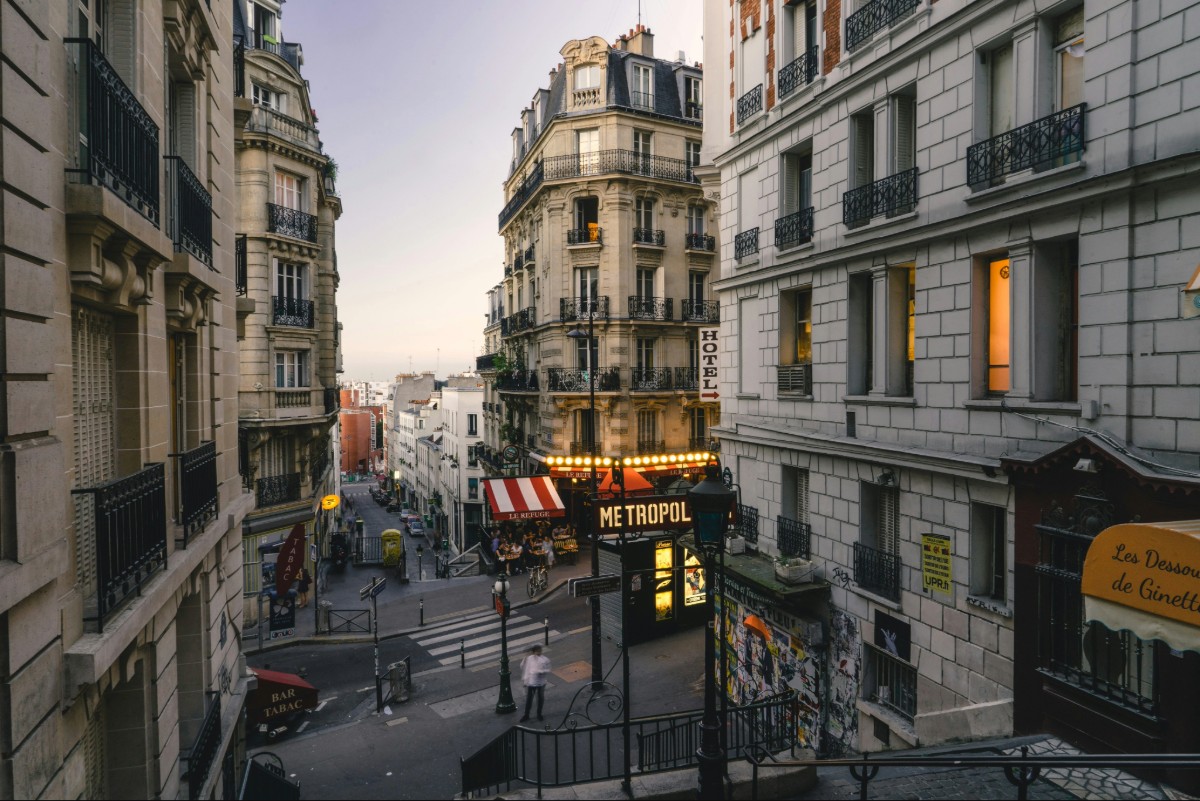
One of the best solo travel decisions I ever made was prioritizing safer, more walkable neighborhoods, even when they cost a little bit more. I don’t want the cheapest accommodation. I want somewhere I’ll feel comfortable returning to in the evenings. That peace of mind can change the entire tone of the trip.
Staying in safer areas often means cleaner streets, easier transportation, more people around during the day, and accommodations that are generally better maintained.
When possible, I also treat myself to a nicer hotel or Airbnb at least once during longer trips. Comfort matters more than we like to admit. And, again, returning somewhere quiet, clean, and safe after a long day can completely change everything.
Make the Accommodation Part of the Experience
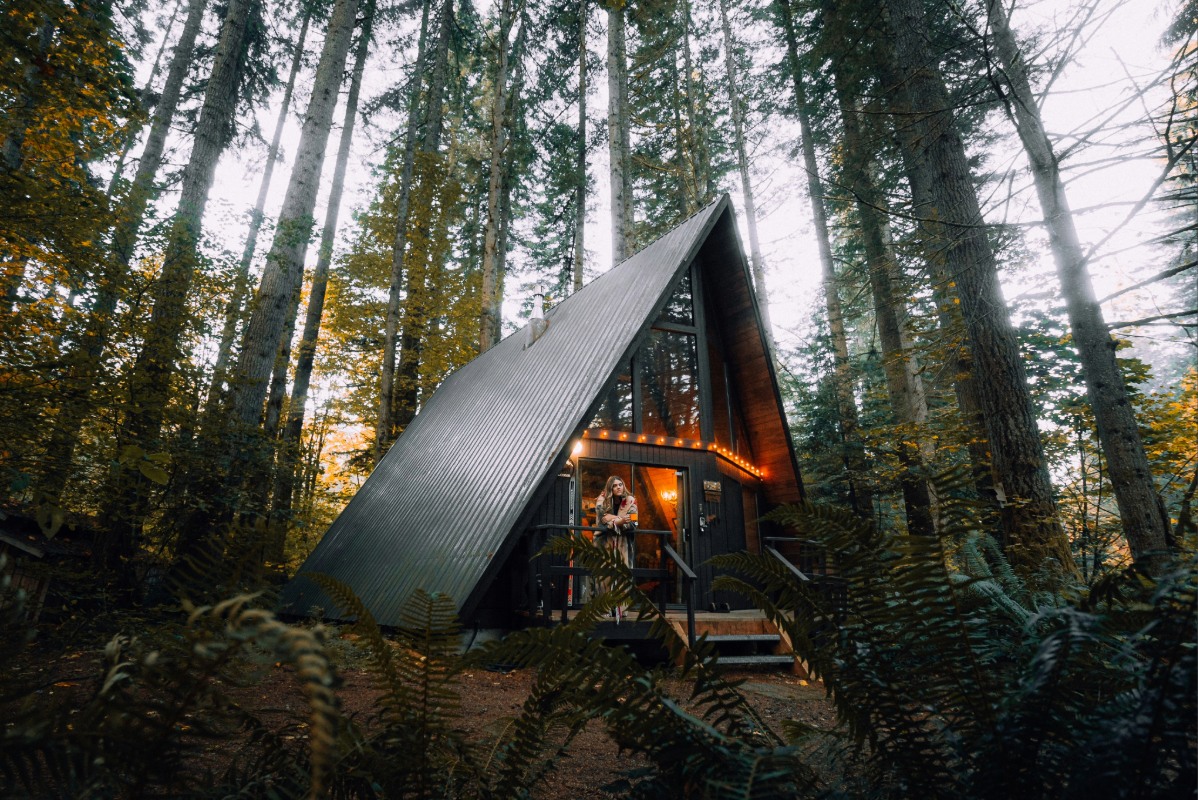
One thing solo travel taught me is that the accommodation doesn’t have to just be a place where you sleep. It can become part of your daily rhythm.
Some of my favorite travel memories have happened inside Airbnbs: drinking tea while the rain hit the windows in Ireland, reading beside balconies in Italy, or bringing home food from local markets and having a quiet evening after a long day of walking. When you’re traveling alone, your accommodation is your landing place. Enjoy it.
Slow mornings there can sometimes become just as memorable as the sightseeing itself.
Do Most of Your Exploring During the Day
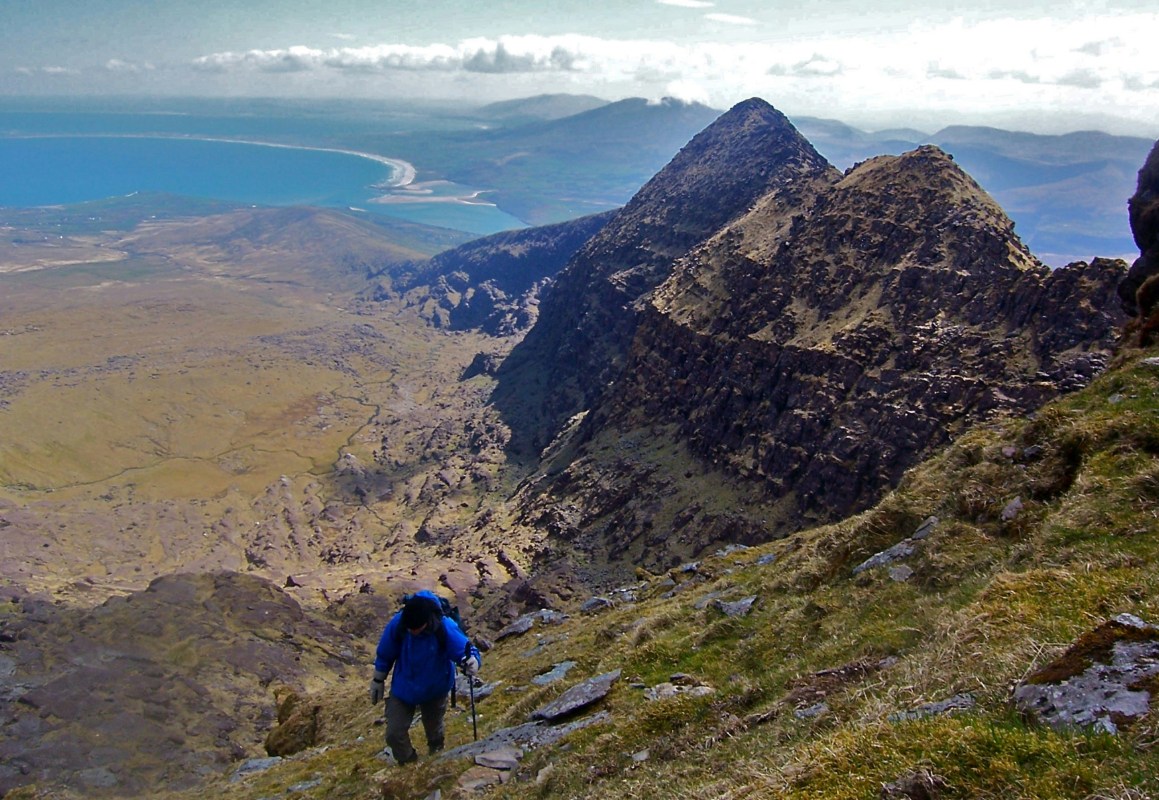
I tend to do most of my wandering during the mornings, afternoons, and early evenings. That’s when cities are the easiest to understand. The shops are open, the cafés are active, the public transportation feels more predictable, and you can get a better sense of the rhythm of a place.
By nighttime, I’m usually happy to return to my Airbnb or hotel, take a shower, watch a movie, read a book, or eat something simple from a local market.
Solo travel becomes much more sustainable when you stop pressuring yourself to constantly be out. There’s also something comforting about knowing you’ve created a calm, safe place to return to at the end of the day.