
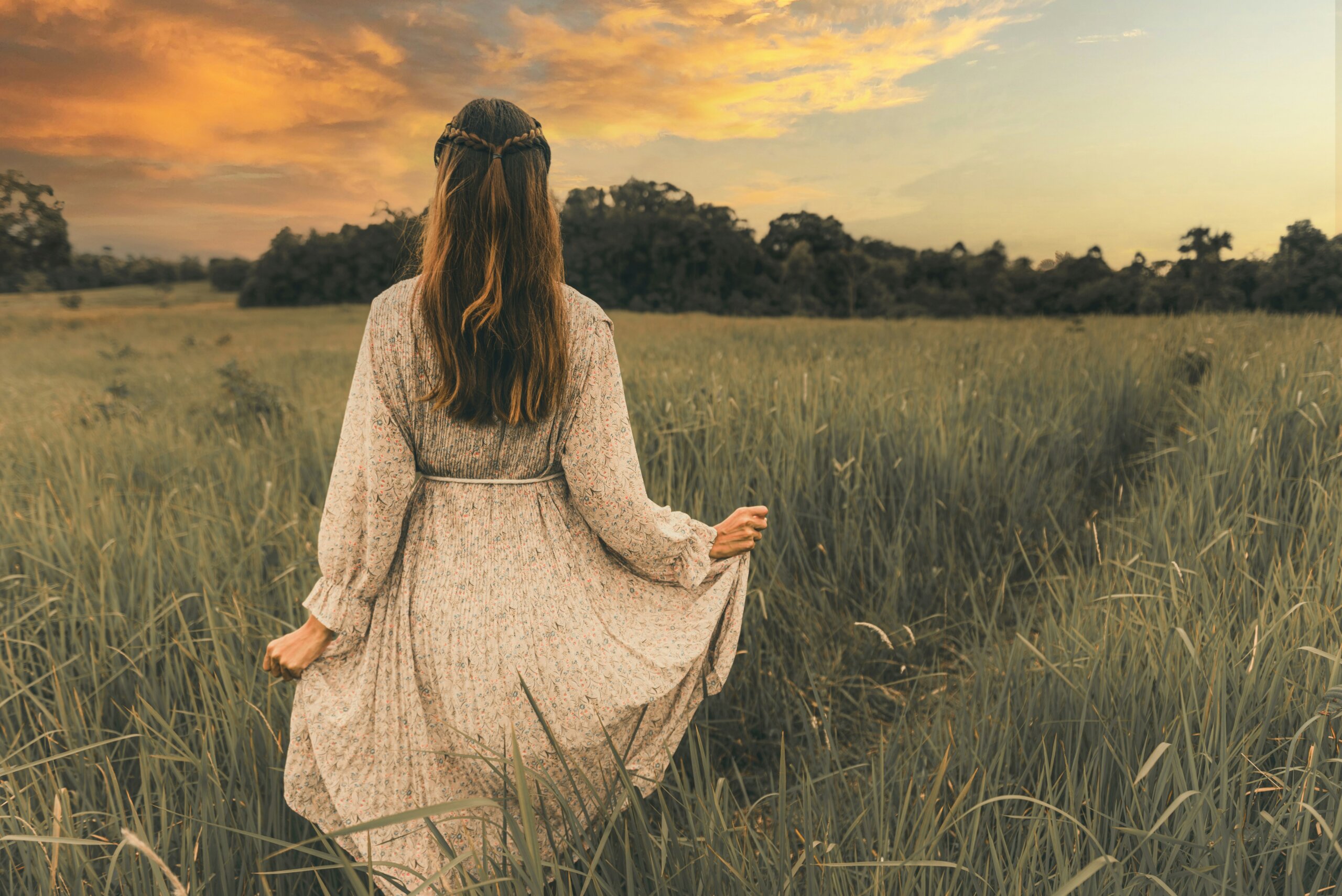
Travel has started to feel different in recent years. The pace that once defined a “good trip,” moving quickly, fitting in as much as possible, and seeing everything, no longer holds the same appeal.
Instead, you’ll notice a quiet change taking place. Trips are stretching out, fewer places are being packed into the same amount of time, and people are returning to the same destinations, rather than trying to check off new ones. It’s not always something we set out to do intentionally. But, once the pace changes, it tends to stick.
What’s Changing
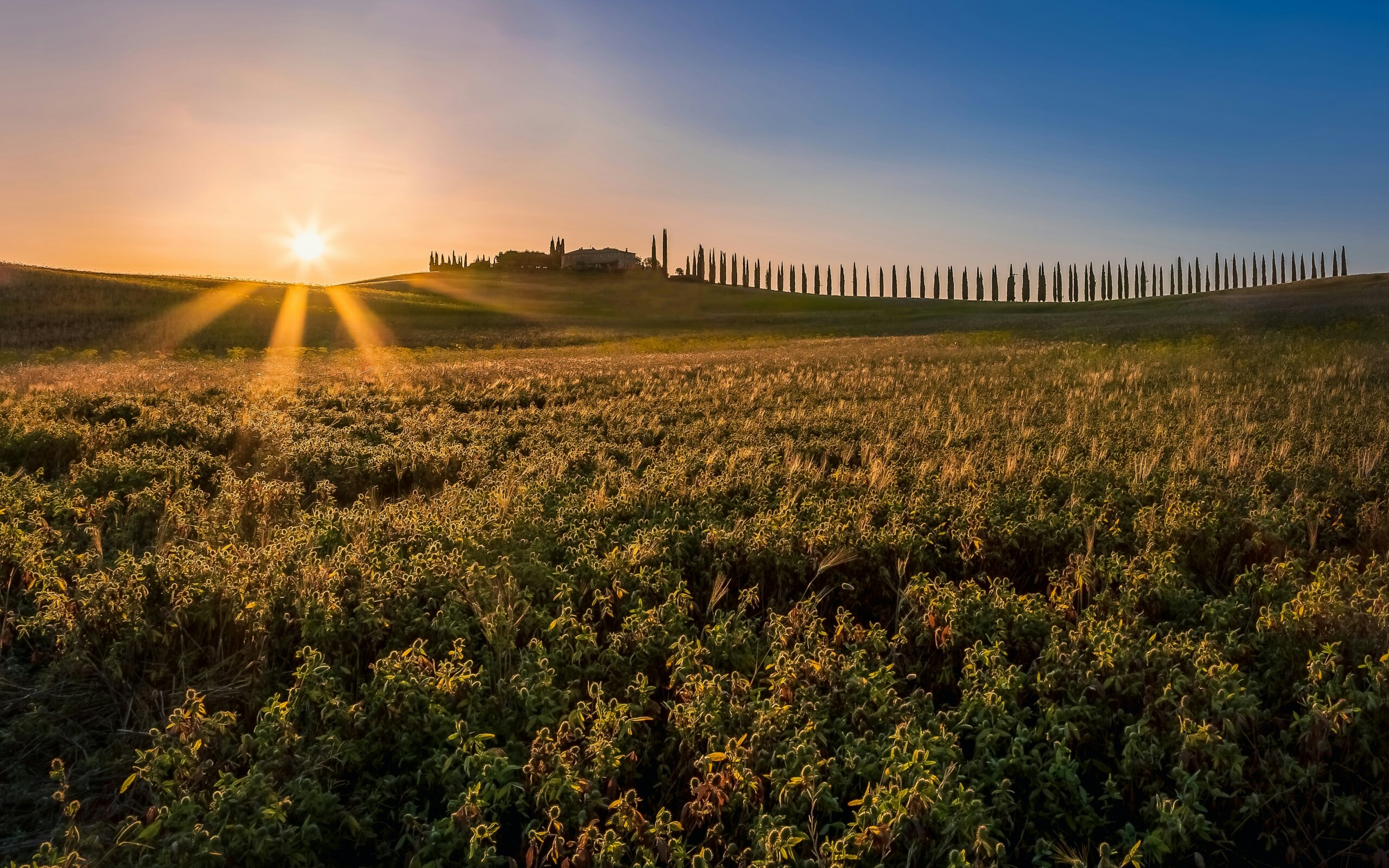
The structure of a typical trip is starting to shift. Instead of moving every couple of days, people are staying in one place for a longer stretch of time. You might find that a week in a single town will feel more natural than trying to cover three or four.
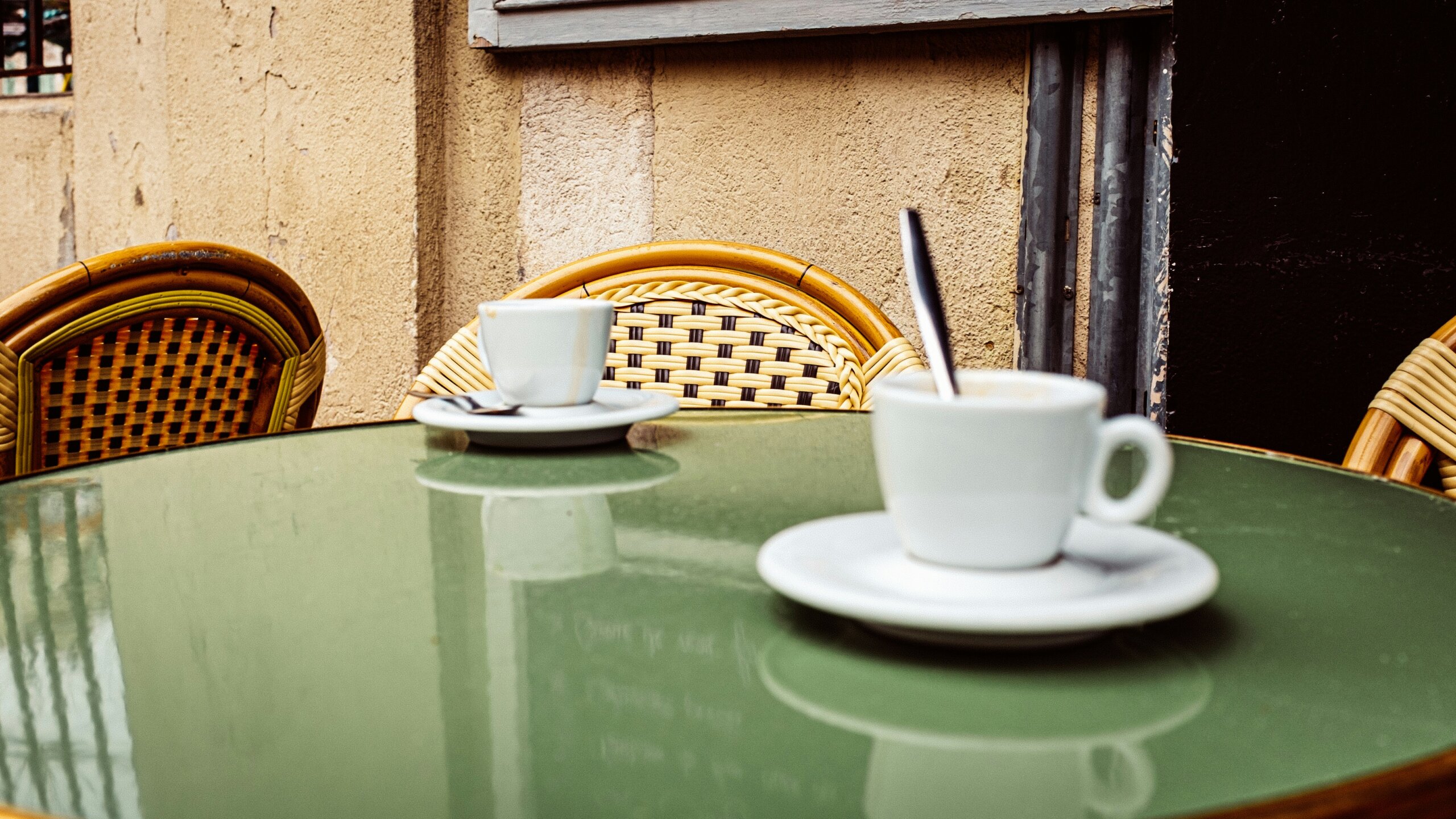
You’ll start to recognize the same streets without needing directions. You’ll return to the same café without thinking about it. The day won’t need as much planning because the place itself will become familiar. And that sense of familiarity is what’s driving the change. Once you experience it, it becomes difficult to go back to a faster pace.
Why It’s Happening
Part of this shift comes down to how travel fits into everyday life now. Trips aren’t always separate from our routines in the way they used to be. More people are working remotely, extending their stays, and blending travel with their everyday habits.
Cost plays a role, as well. Moving less often tends to reduce expenses, whether that’s transportation, accommodations, or the constant need to plan what comes next. But, the biggest change is harder to measure. Folks are starting to value how a place feels, over how much of it they can see. Slowing down makes that possible in a way that fast travel never really did.
What It Looks Like in Practice
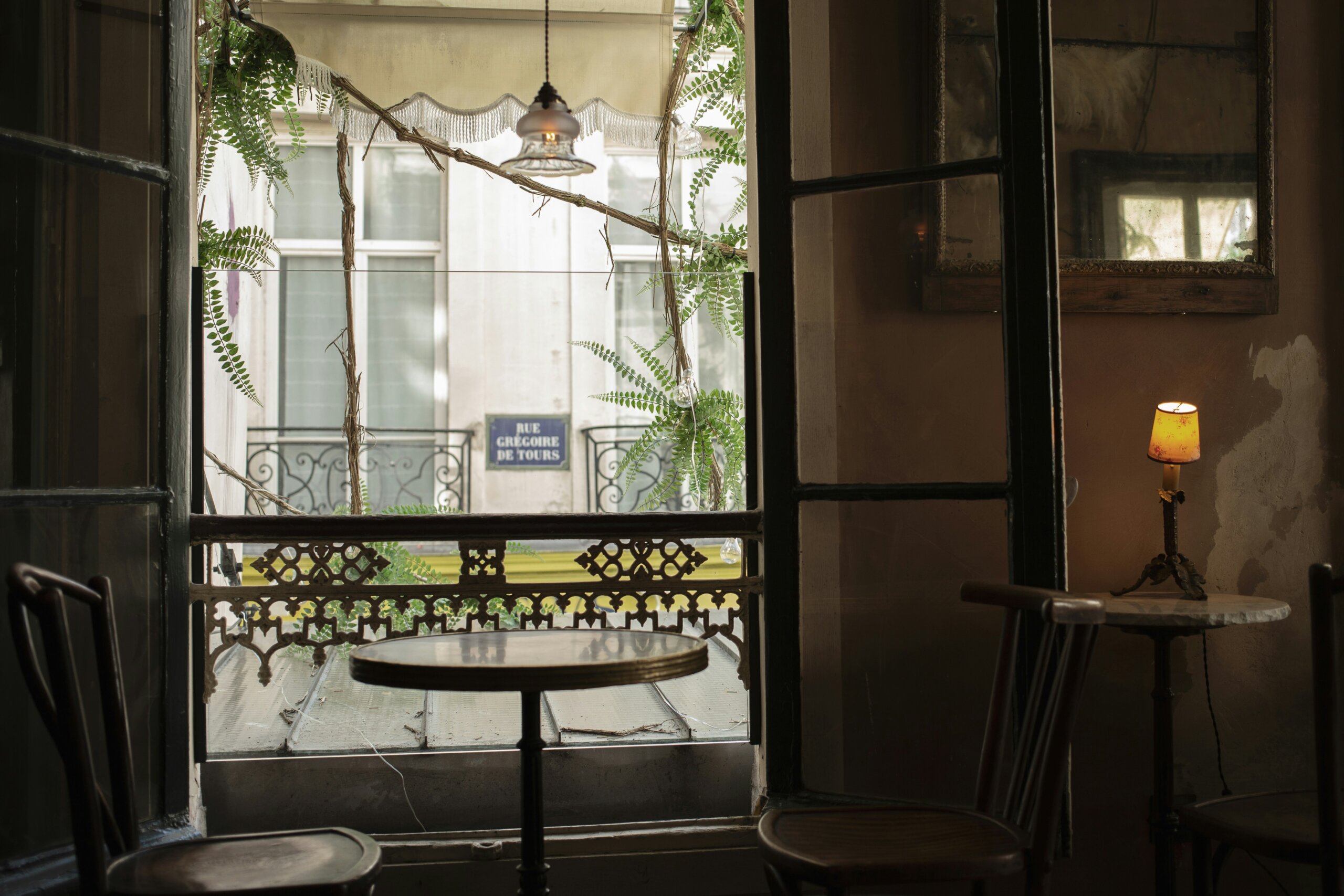
You’ll see the change in the small decisions, rather than the big ones. You might book an apartment, instead of a hotel room. You might choose a town where everything is within walking distance. You might let a morning stretch out instead of rushing to the next stop.
The structure of the day will begin to change, as well. You’ll head out without a strict plan, return to the same places, and move through a town in a way that starts to feel natural. Over time, the trip will become less about where you’ll go next and more about how you’ll spend the time where you are.
Where You’ll Feel This Shift the Most
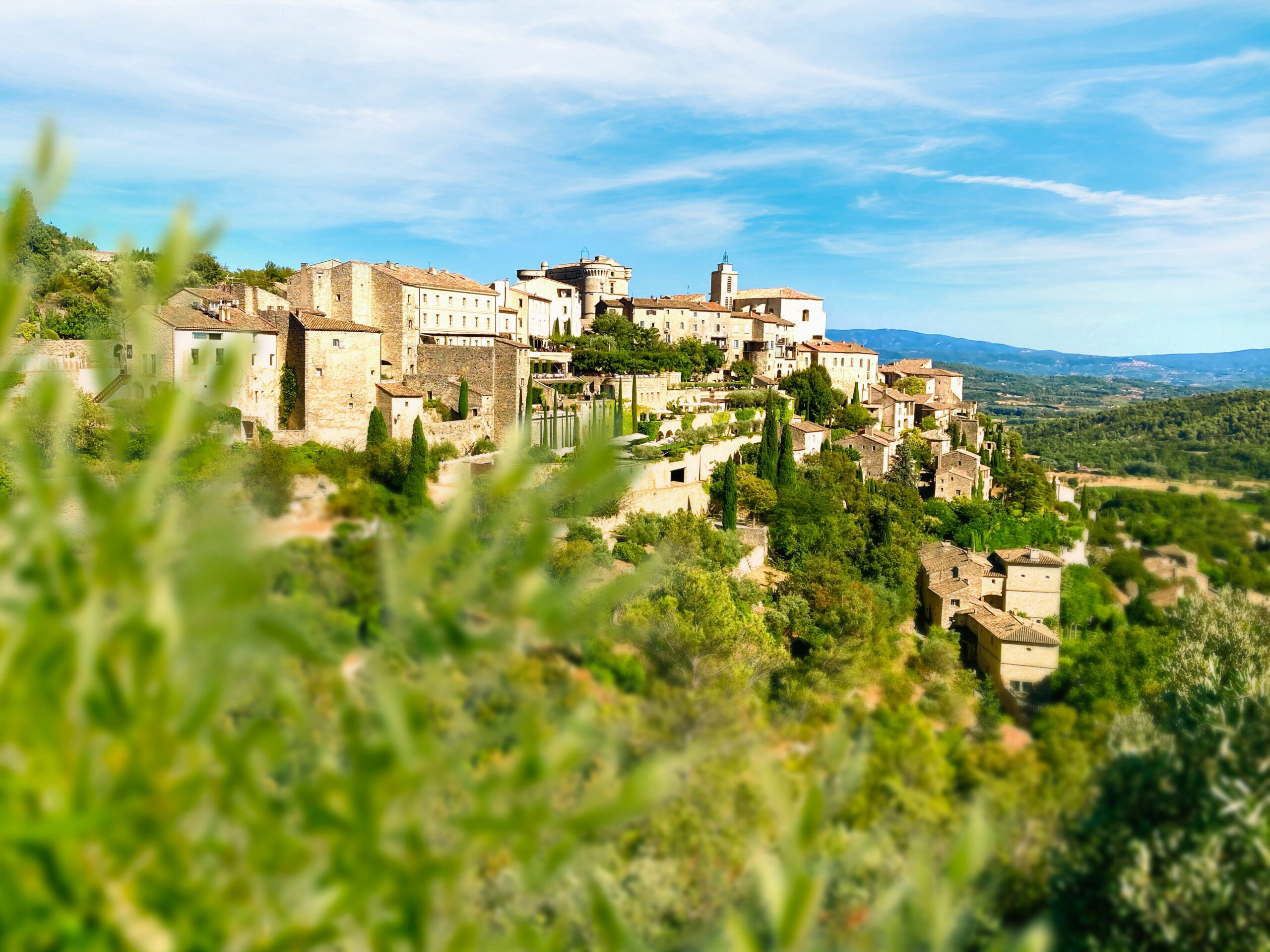
Some places make this way of traveling easier than others. Small towns, rural regions, and areas that haven’t been built around constant turnover tend to support a slower pace without much effort.
In parts of Tuscany, you’ll find towns like Pienza within landscapes that encourage you to stay put. The distances between places are short, and the rhythm of the countryside will naturally shape how your days will unfold.
In southwestern France, villages in regions like the Dordogne or Provence allow for a similar experience. Renting a house in the countryside can create a nice base, and the surrounding towns will become part of a wider, slower routine.
Along Ireland’s west coast, particularly in Donegal, the pace has never been fast to begin with. Staying in a small town like Ardara or Killybegs will give you easy access to both the coastline and the inland landscape without needing to move around a lot. Then, you can retreat home to your cozy cottage at the end of the day.
In the Austrian Alps, lake towns like Altaussee or quieter parts of the Salzkammergut region also have a similar rhythm. The days will tend to revolve around the landscape itself, rather than a list of things to do. These places don’t require you to slow down. But, they make it easier to do so without thinking about it.
How the Pace Begins to Change
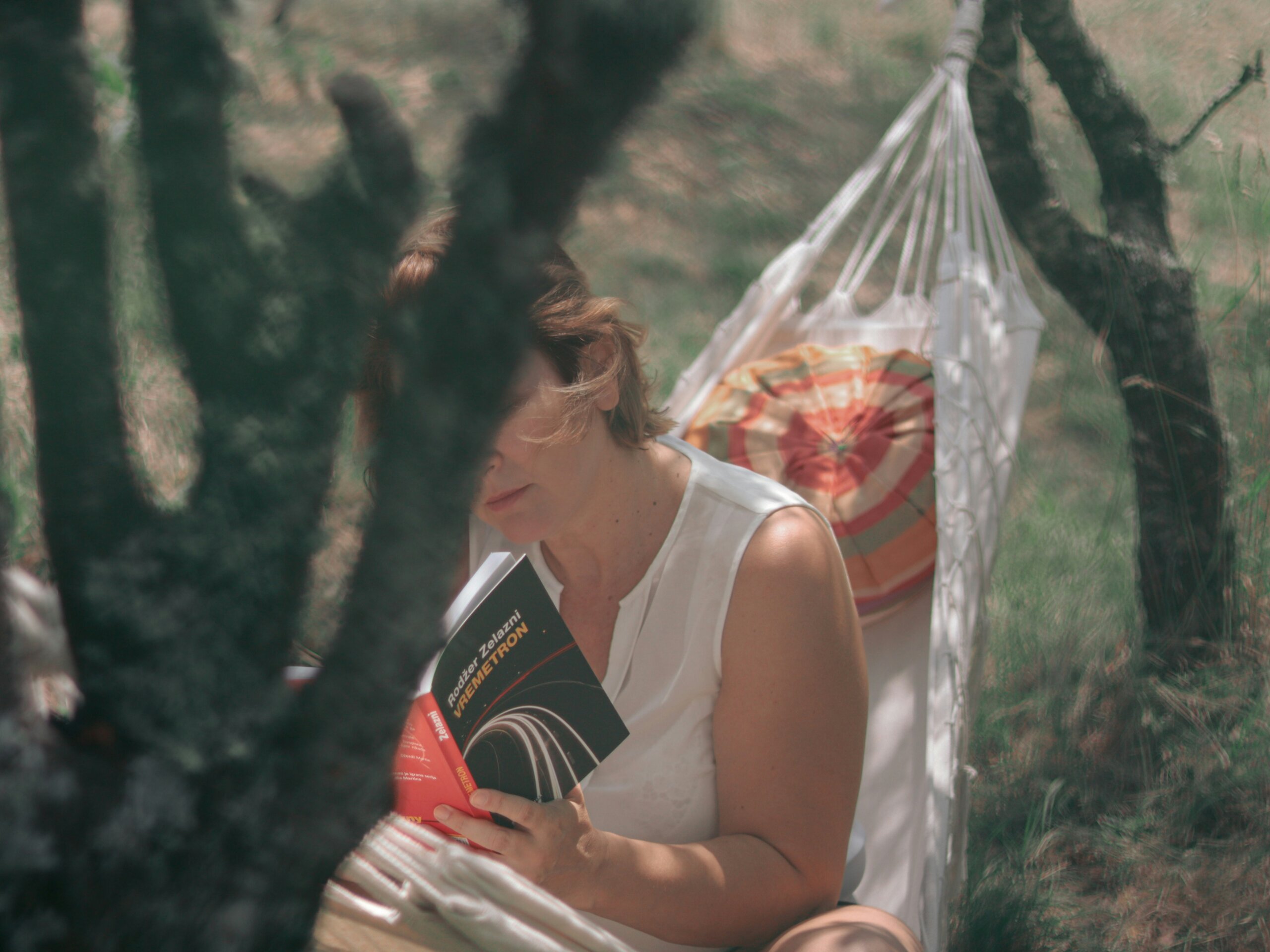
This kind of shift usually happens gradually. You’ll give yourself a little more time in one place, and then a little more after that. You’ll begin to plan less, move less, and notice more.
It’ll become easier to return to the same street, the same walk, and the same place to sit still for a while. The need to move on will fade, replaced by a sense that you’re exactly where you need to be. That’s when the trip will start to feel different.
Giving Yourself More Time in One Place
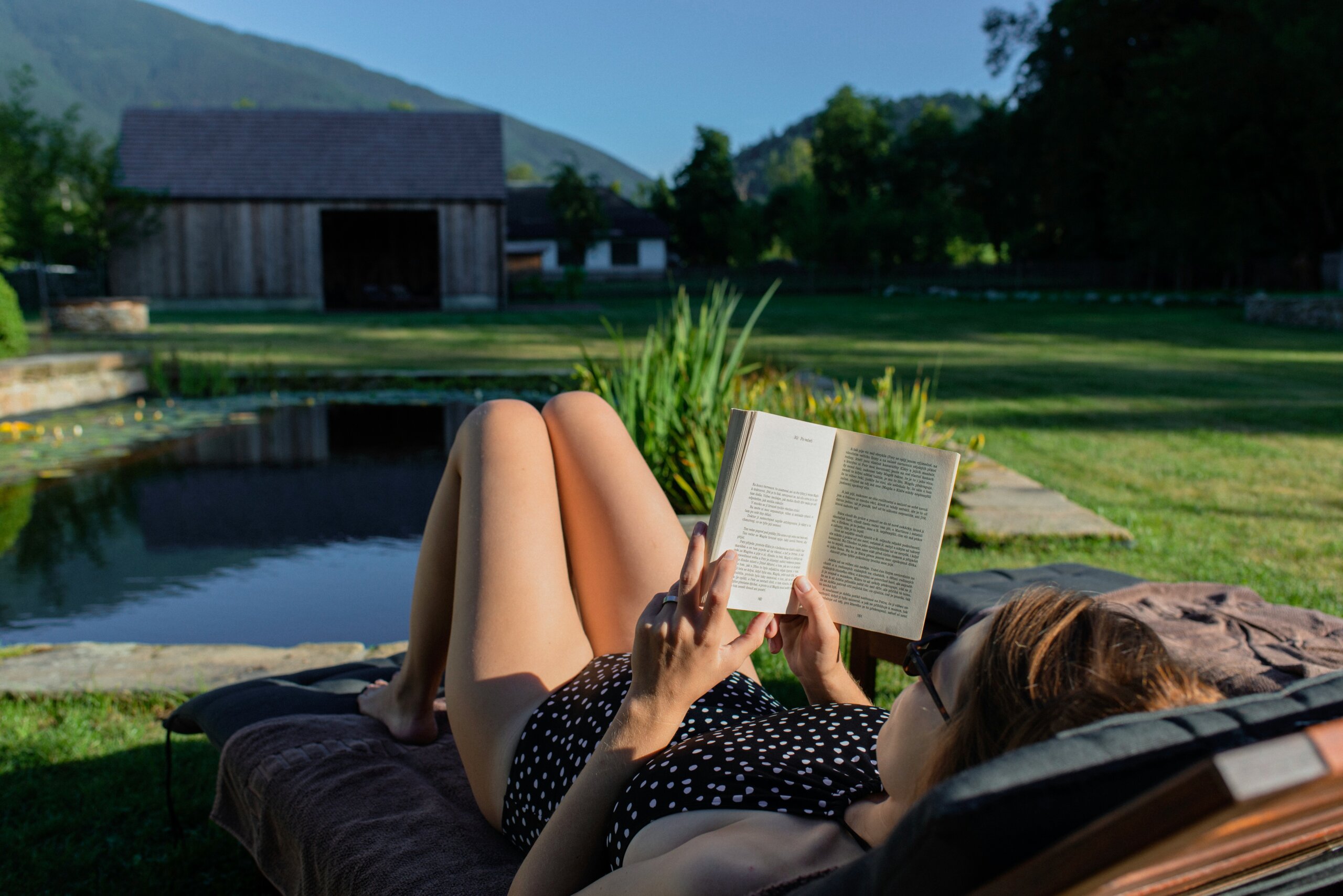
This way of traveling doesn’t require a complete overhaul. It usually starts with one decision: staying longer in a place that feels easy to settle into.
From there, the rest will follow. You’ll move differently, plan differently, and experience new places in a way that feels more natural.
If you’re thinking about slowing things down on your next trip, our library of destination guides can help you make new discoveries and change the way you travel.
More from Travel Reveal: