
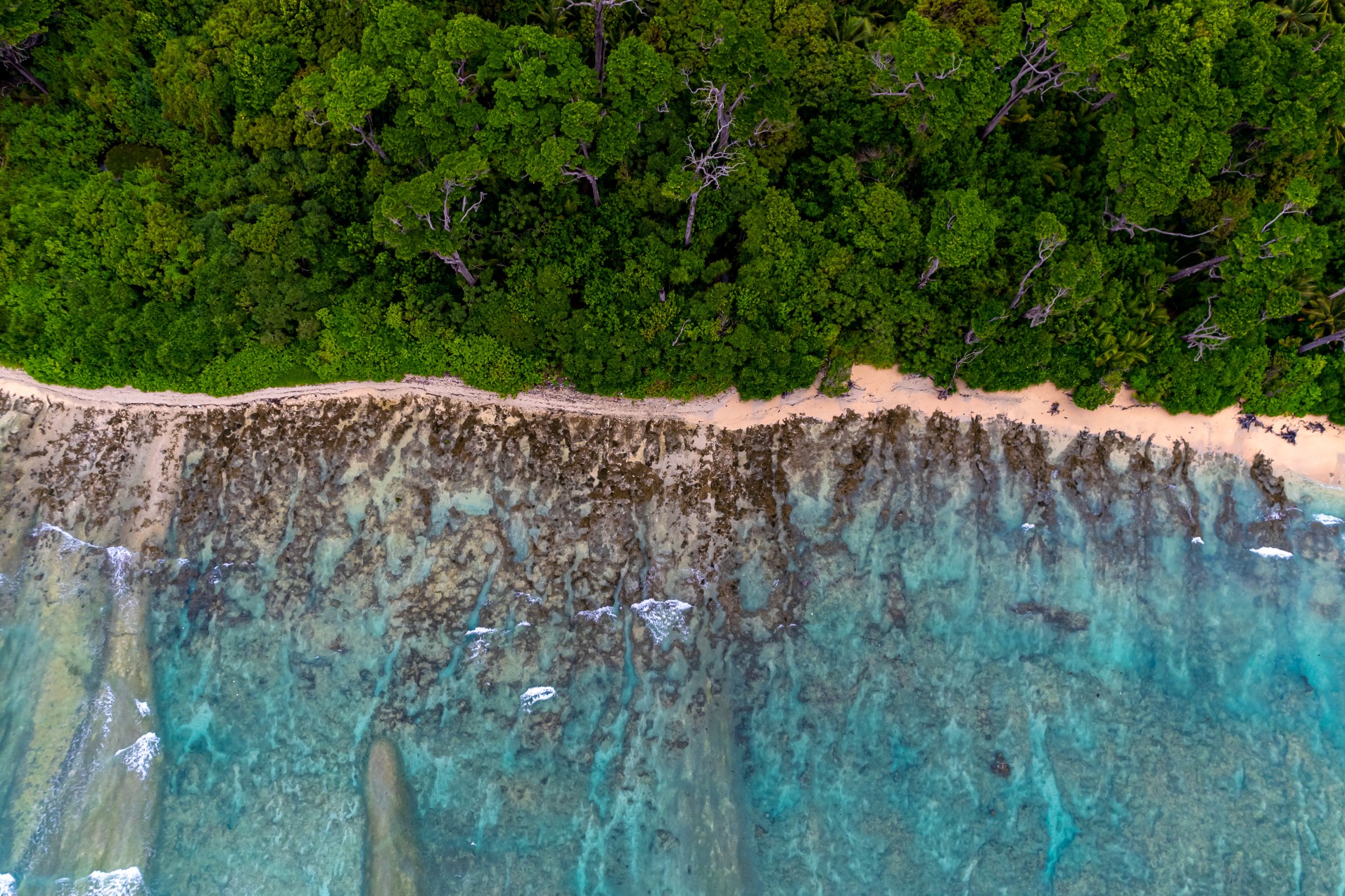
Tropical islands make some of the most extraordinary escapes. Deserted islands are the stuff of fantasy and many extraordinary novels. The reality, though, can be a lot different. Here’s a look at some of the most terrifying islands on the planet. They might look like paradise from a distance, but there is a reason most people steer clear of these islands.
North Sentinel Island
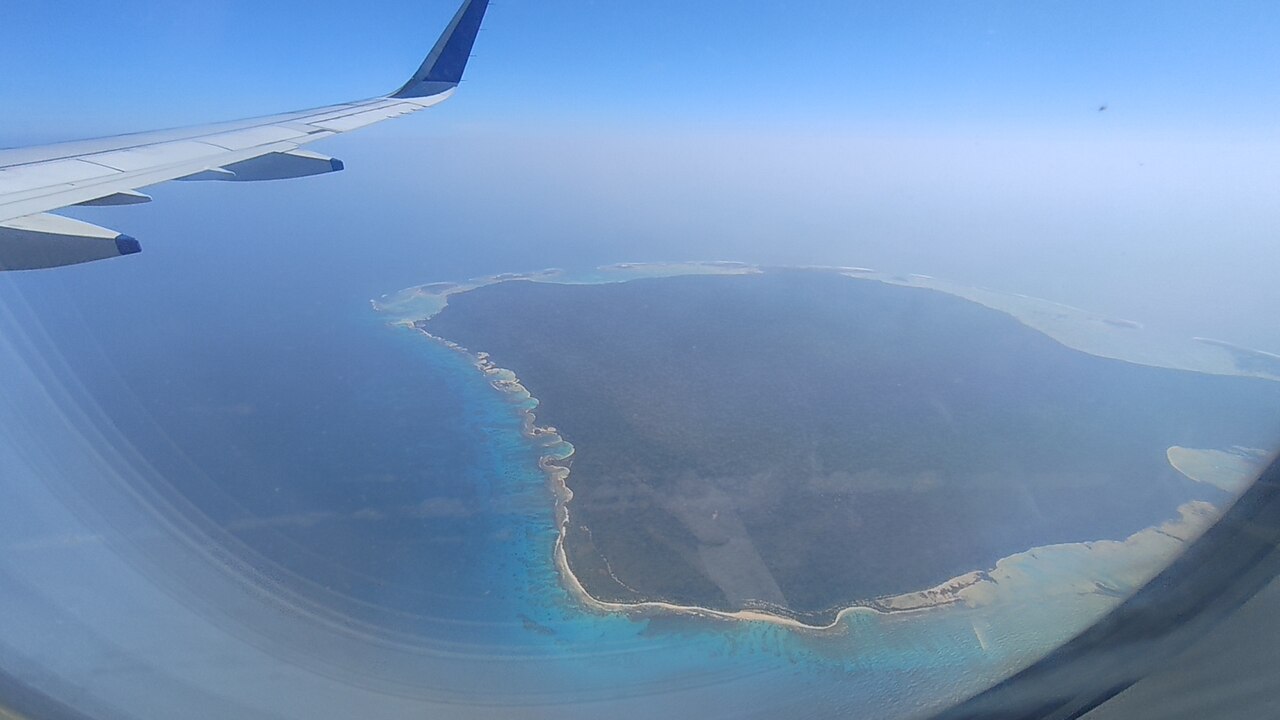
No one is allowed to visit North Sentinel Island, and there is a very good reason for that. The Indigenous Sentinelese people actively defend their shores and reject all contact. Visits are illegal and dangerous, as outsiders have been attacked, and outside disease poses a serious risk to the Sentinelese people.
Gruinard Island
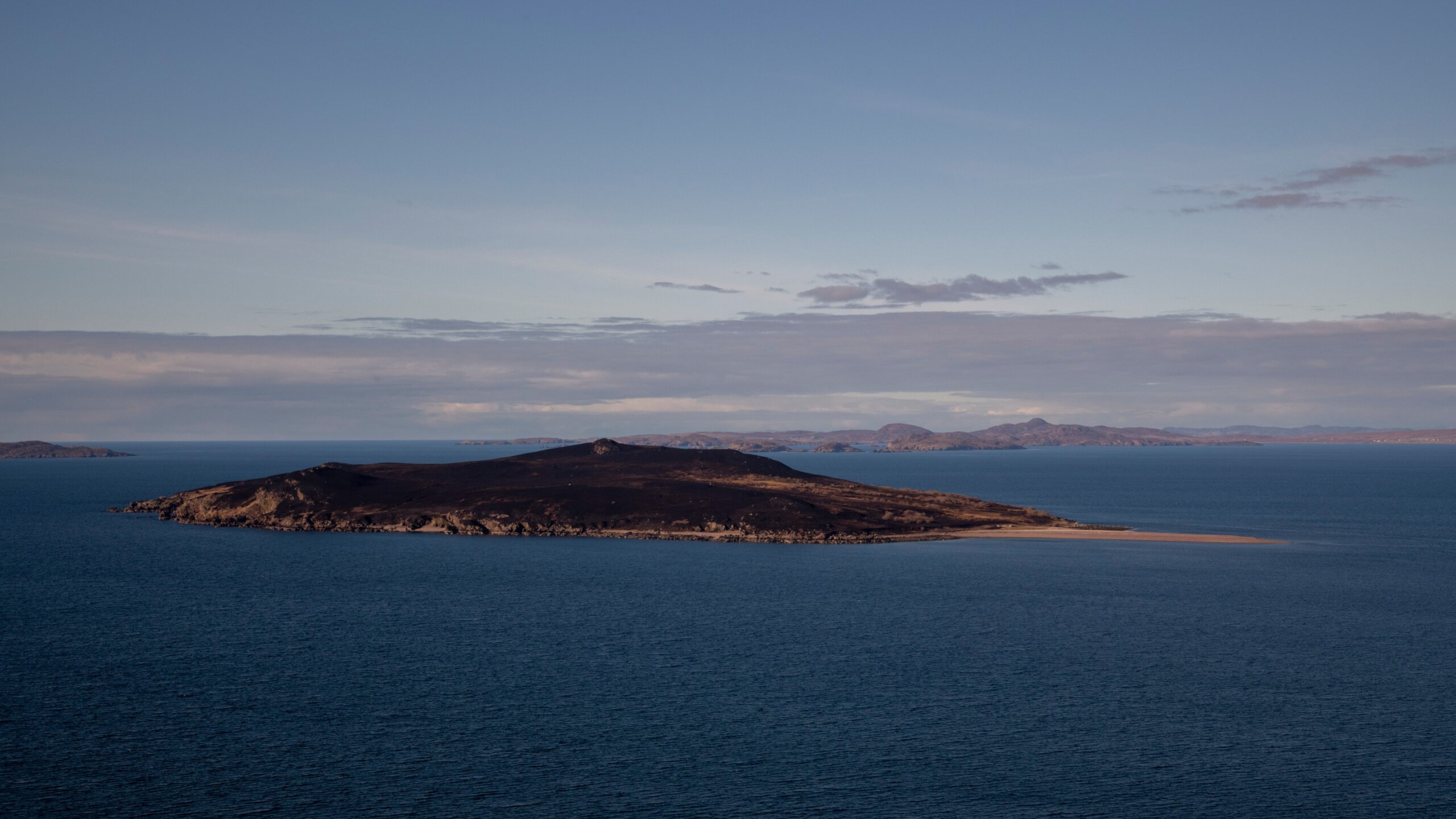
A troubling history plagues Gruinard Island, having been used for anthrax weapon tests during World War II. The contamination rendered it unsafe for decades, requiring extensive cleanup in the 1980s. Although later declared safe, its legacy of danger remains, and access has long been restricted due to lingering caution and risk.
Komodo Island
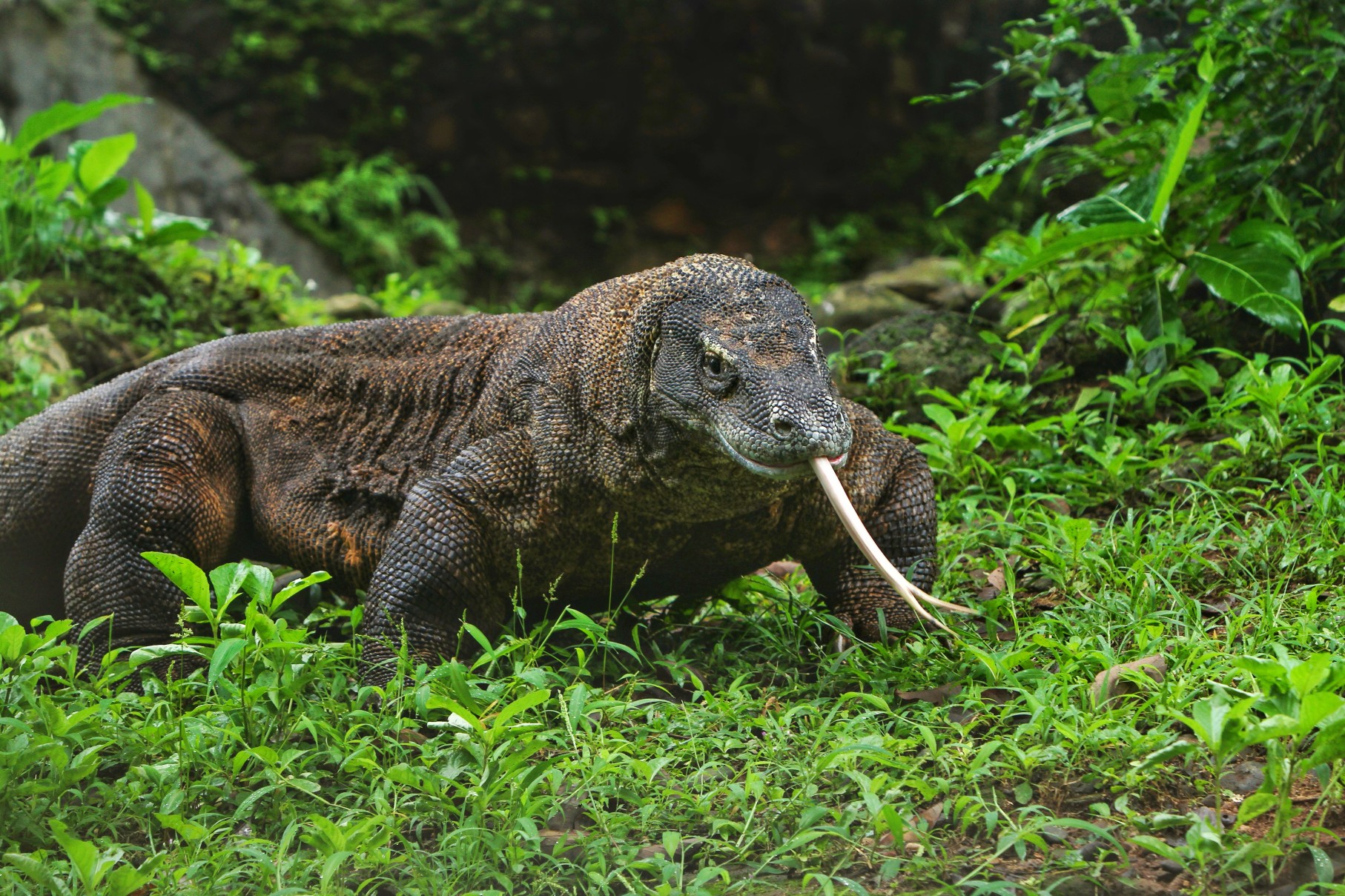
The island is named for the Komodo dragons that inhabit it. They are large, powerful reptiles with venomous bites that can cause severe infection. They can sprint short distances and are closely monitored by rangers using protective tools. Visitors must follow strict rules, as close contact can be dangerous. Respectful distance and guidance are essential for safety.
New Britain Island
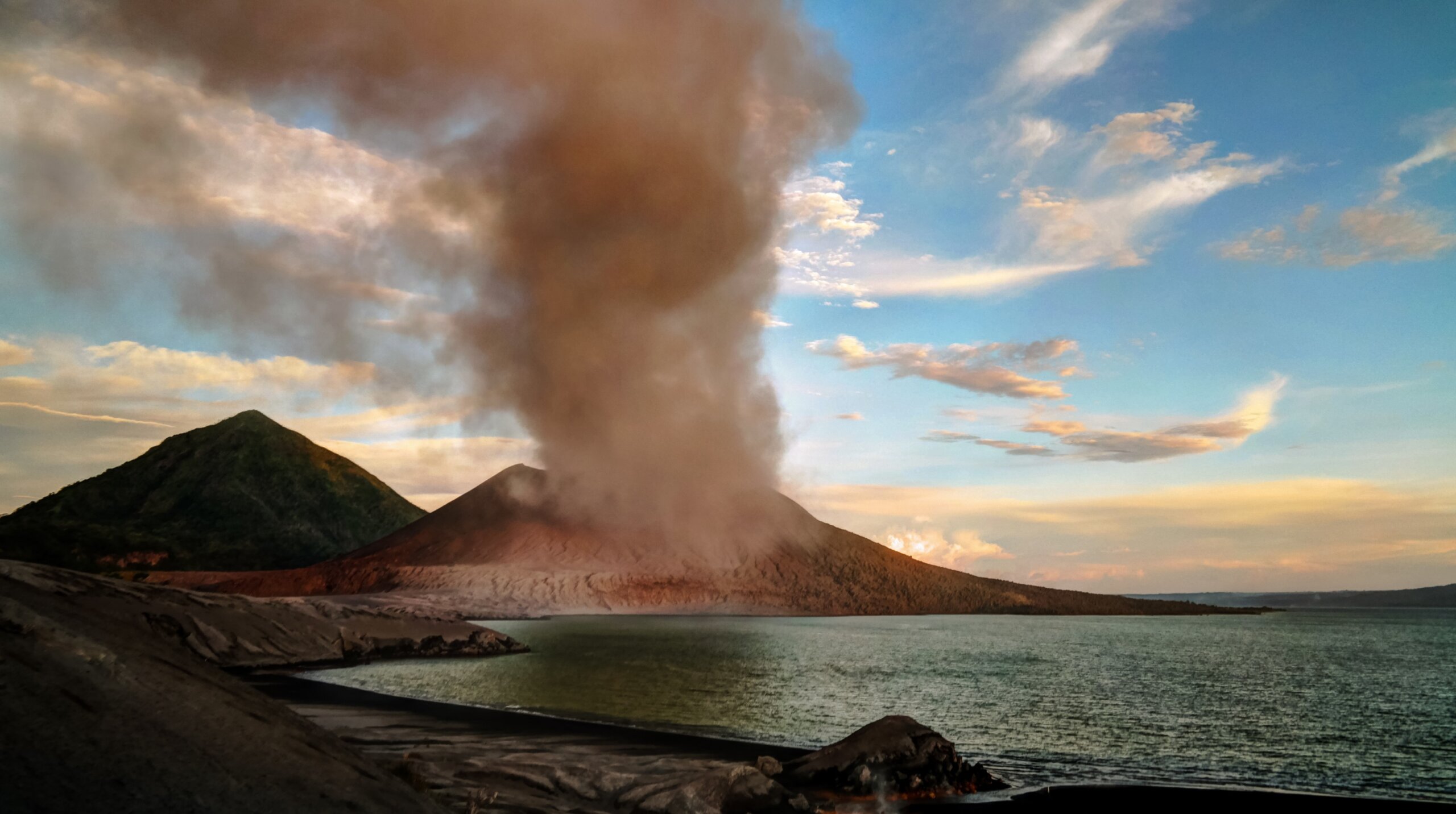
New Britain Island lies on the volatile Pacific Ring of Fire, with Mount Ulawun as one of its most active volcanoes. Eruptions regularly send ash into the sky, disrupt flights, and force evacuations. Earthquakes, landslides, and heavy ash create constant hazards, making safety dependent on strict adherence to local warnings, and that’s still not a guarantee.
Heard Island & McDonald Islands
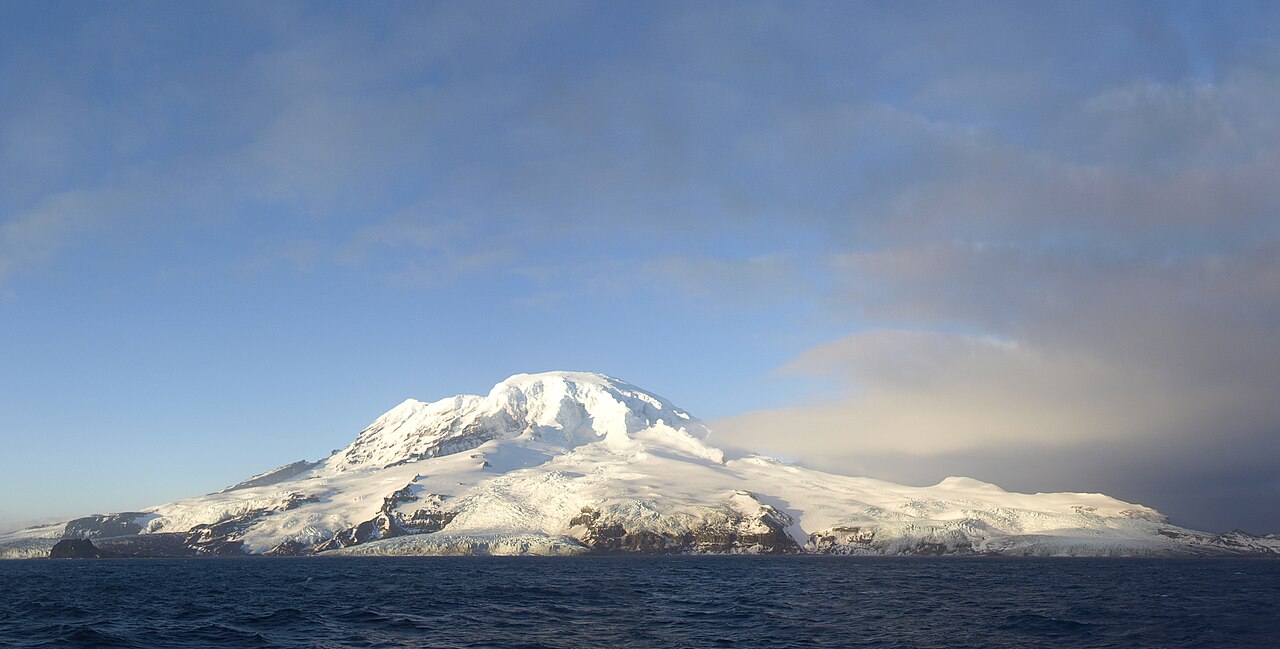
These remote subantarctic territories may be the most unpredictable place on earth- and that is really saying something on this list. Dominated by the active volcano Big Ben, severe weather, freezing temperatures, and powerful Southern Ocean storms make access extremely difficult. Landings require rare conditions and expedition skill, with glaciers, surf, and crevasses posing risks. If you need to be rescued, it is distant and often delayed.
Snake Island
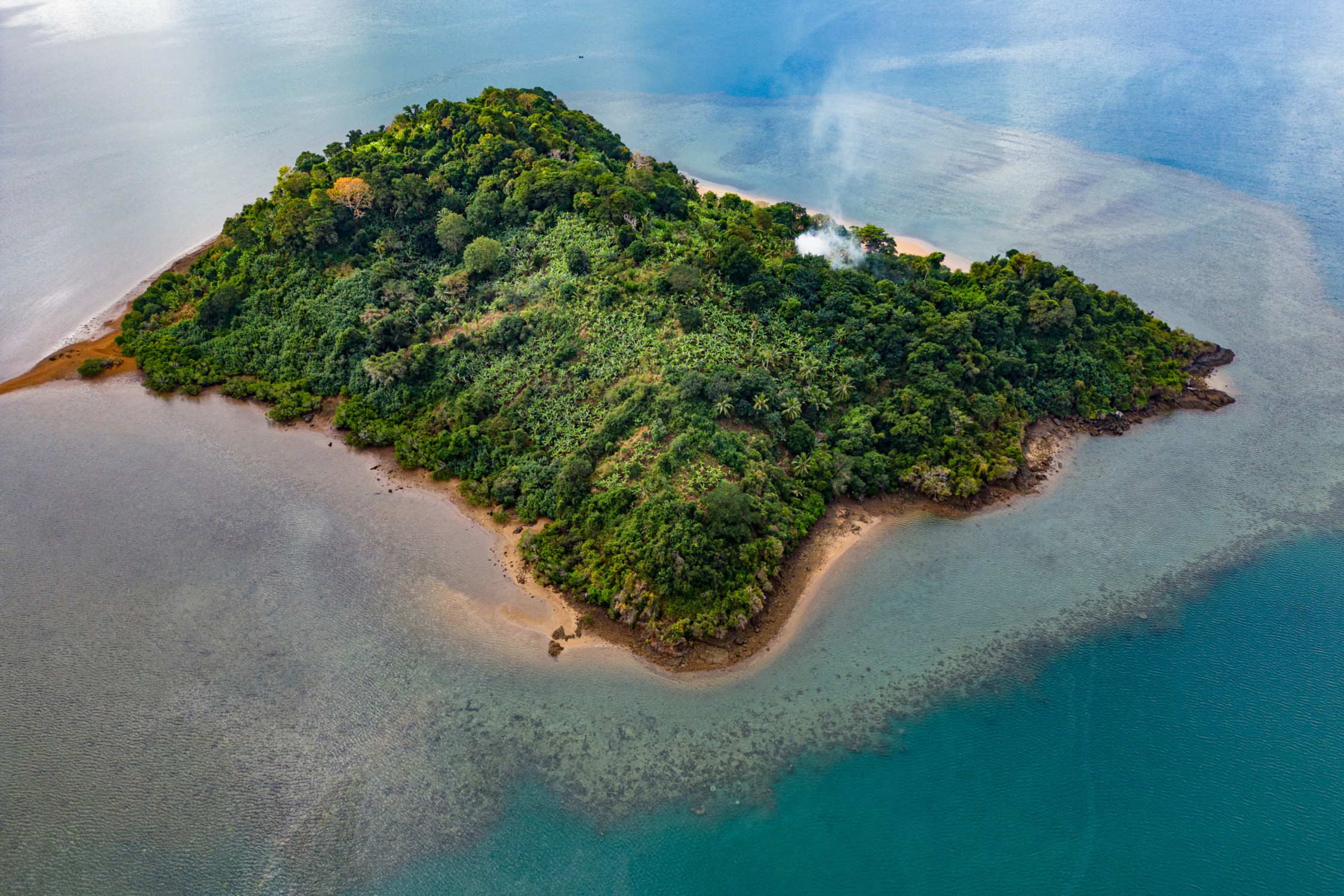
Ilha da Queimada Grande, or Snake Island, is home to a dense population of highly venomous golden lancehead vipers. Estimates suggest snakes are extremely concentrated, making movement hazardous. The island is off limits to the public, with only controlled scientific visits allowed. Its isolation and dangerous terrain make any bite potentially fatal.
Bikini Atoll
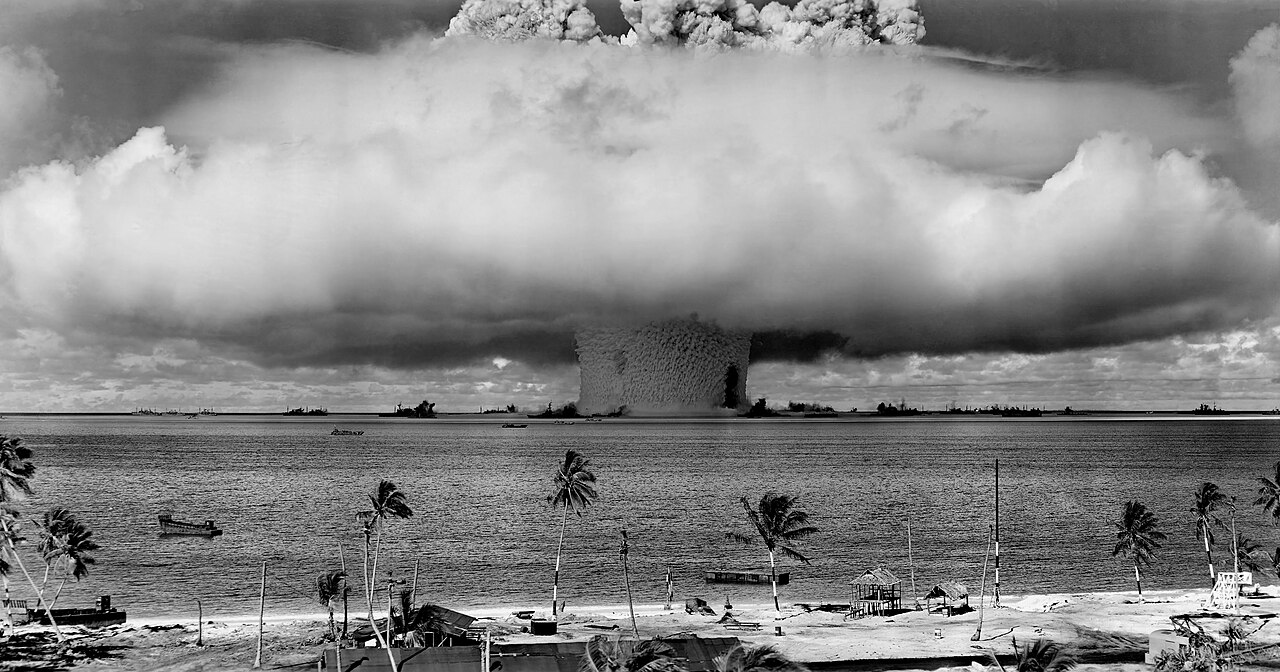
Bikini Atoll in the Marshall Islands was the site of 23 U.S. nuclear tests between 1946 and 1958, leaving lasting radioactive contamination in parts of the environment. While the lagoon is striking and can be visited under strict conditions, long term habitation is still considered unsafe due to lingering radiation risks in soil and food sources.
Ramree Island
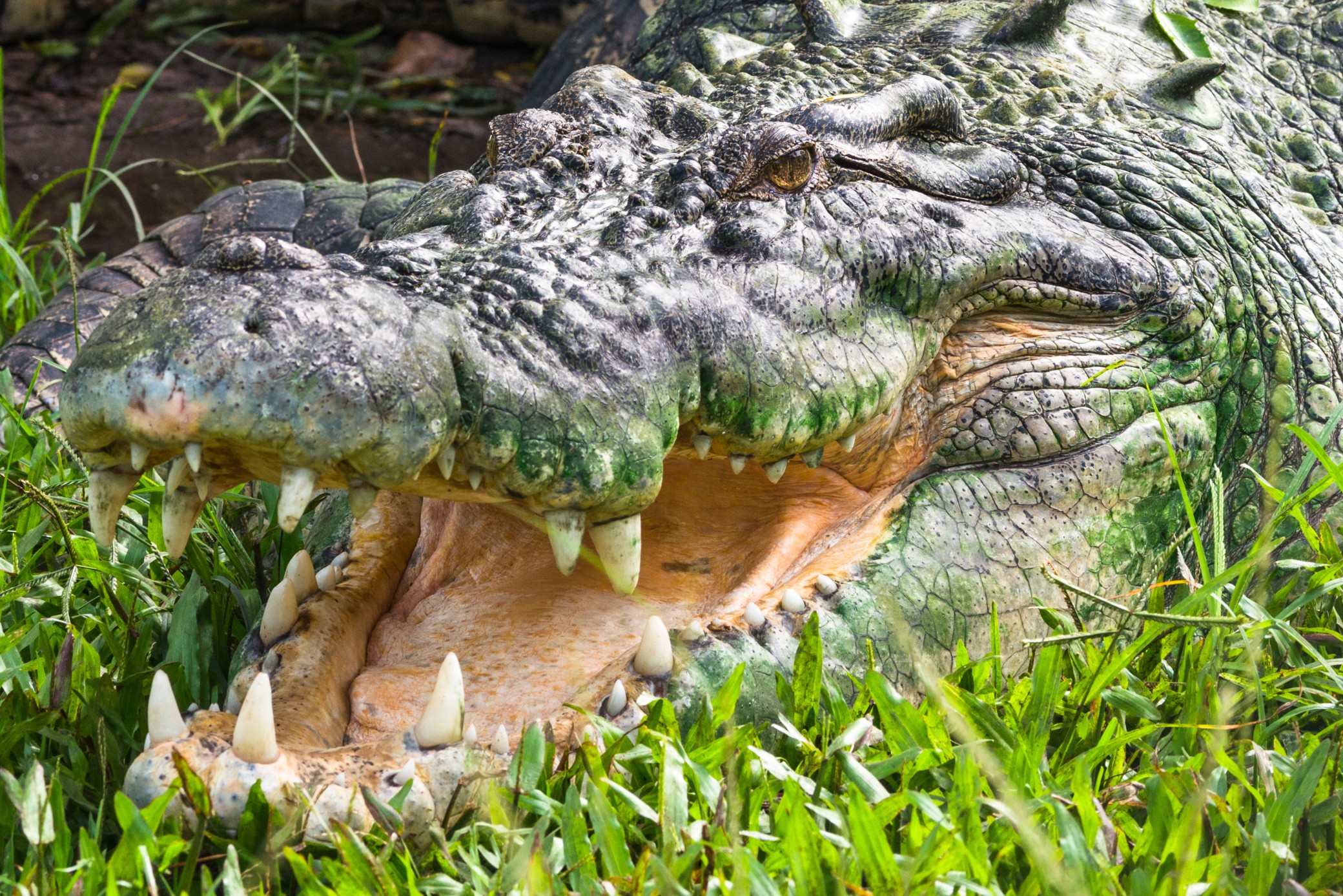
Meet the large saltwater crocodiles that call Ramree Island in Myanmar home. It is surrounded by dense mangrove swamps that hide these powerful predators. They are fast and highly dangerous, especially in low visibility waterways. The terrain is difficult and disorienting, with shifting tides and hidden hazards, making the area unsafe to visit.
Poveglia Island
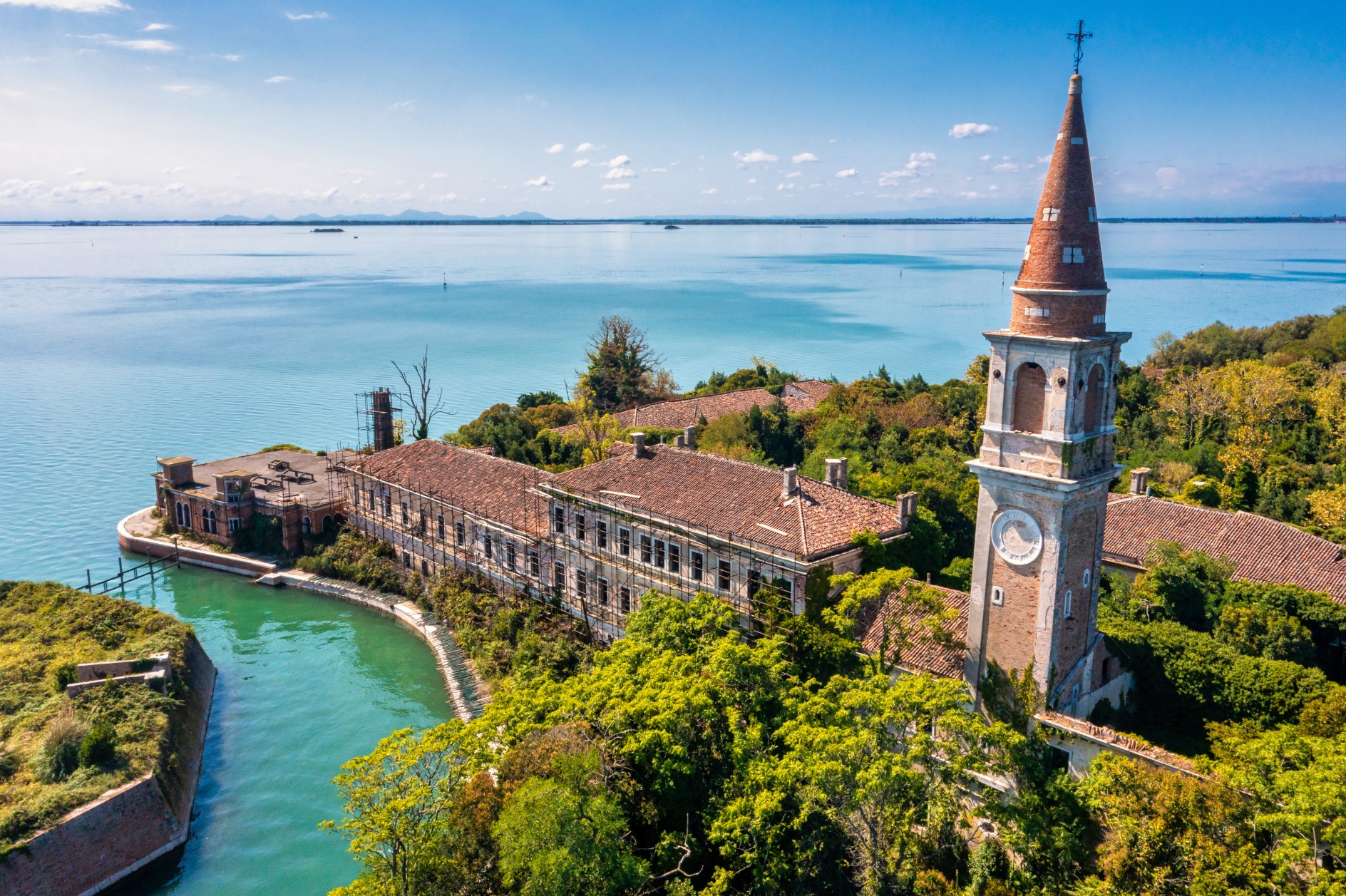
Near Venice, Poveglia Island carries a long history as a quarantine station and plague burial site. Its abandoned buildings are heavily decayed, with unstable floors and collapsing structures making exploration unsafe. Official restrictions remain in place due to these hazards, as well as risks from tides and weather in the lagoon.
Miyake-Jima
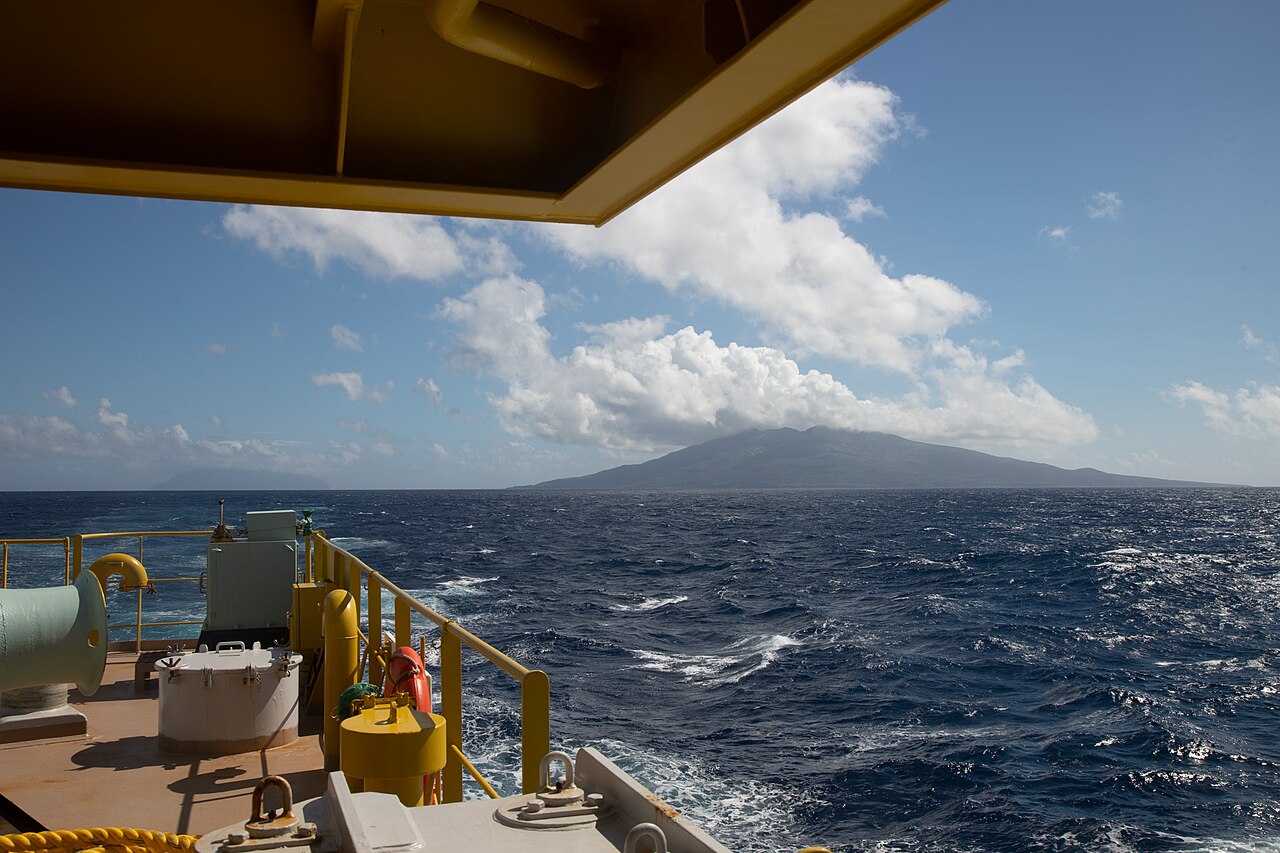
Miyake-Jima in Japan is an inhabited volcanic island where Mount Oyama releases sulfur gases, sometimes requiring residents and visitors to wear protective masks. Air quality can shift quickly depending on wind conditions, and alerts are common. Despite its beauty, daily life is shaped by volcanic activity and ongoing safety precautions.
Some Islands Are Better Left Alone
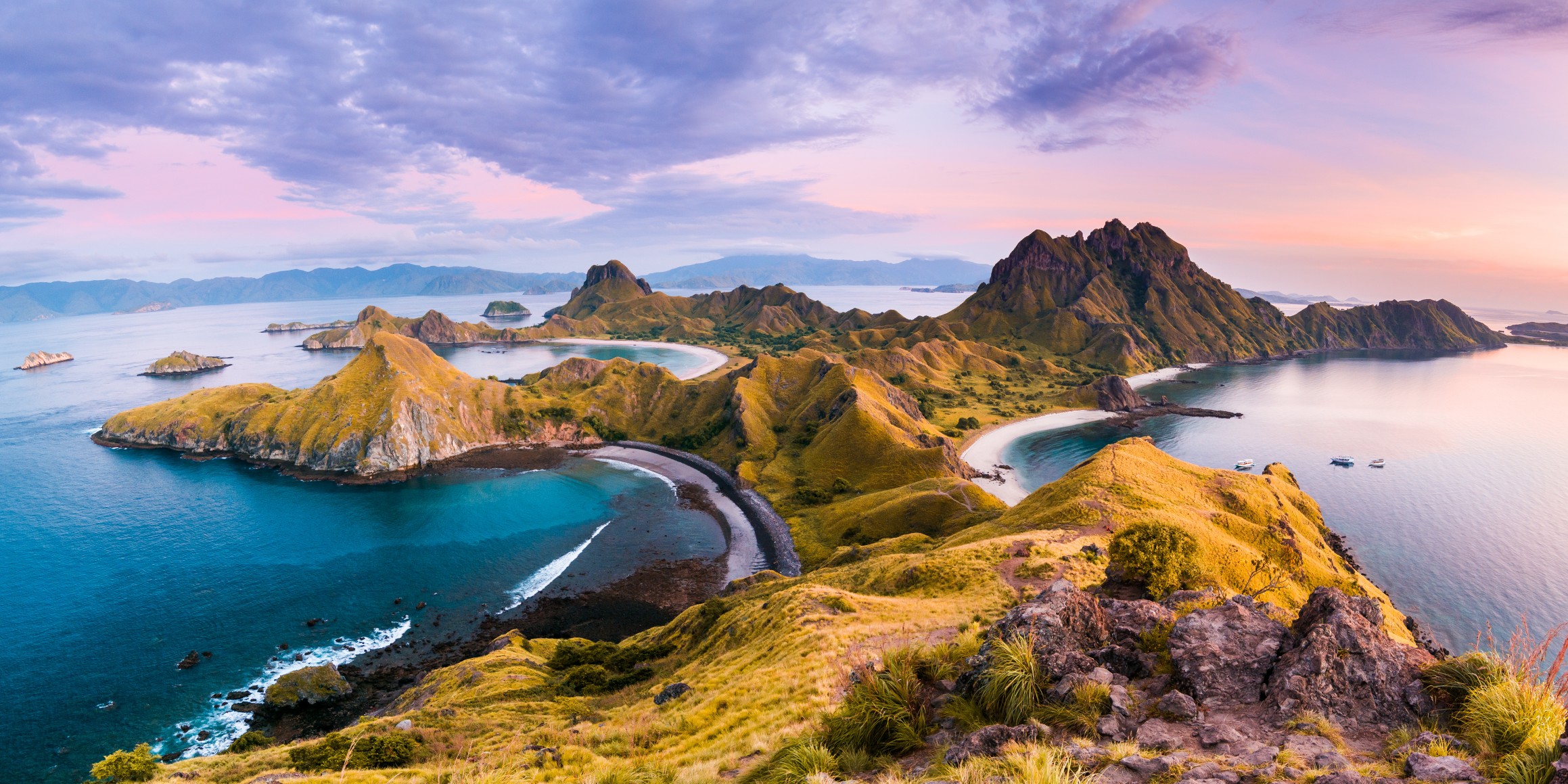
Some islands inspire dreams of escape and adventure, but others remind us how dangerous and unpredictable nature can truly be. Whether shaped by deadly wildlife, active volcanoes, toxic contamination, or complete isolation, these islands remain some of the most hazardous places on Earth. Their terrifying reputations may fascinate travelers, but in many cases, the safest decision is simply admiring them from a distance.
More from Travel Reveal: