
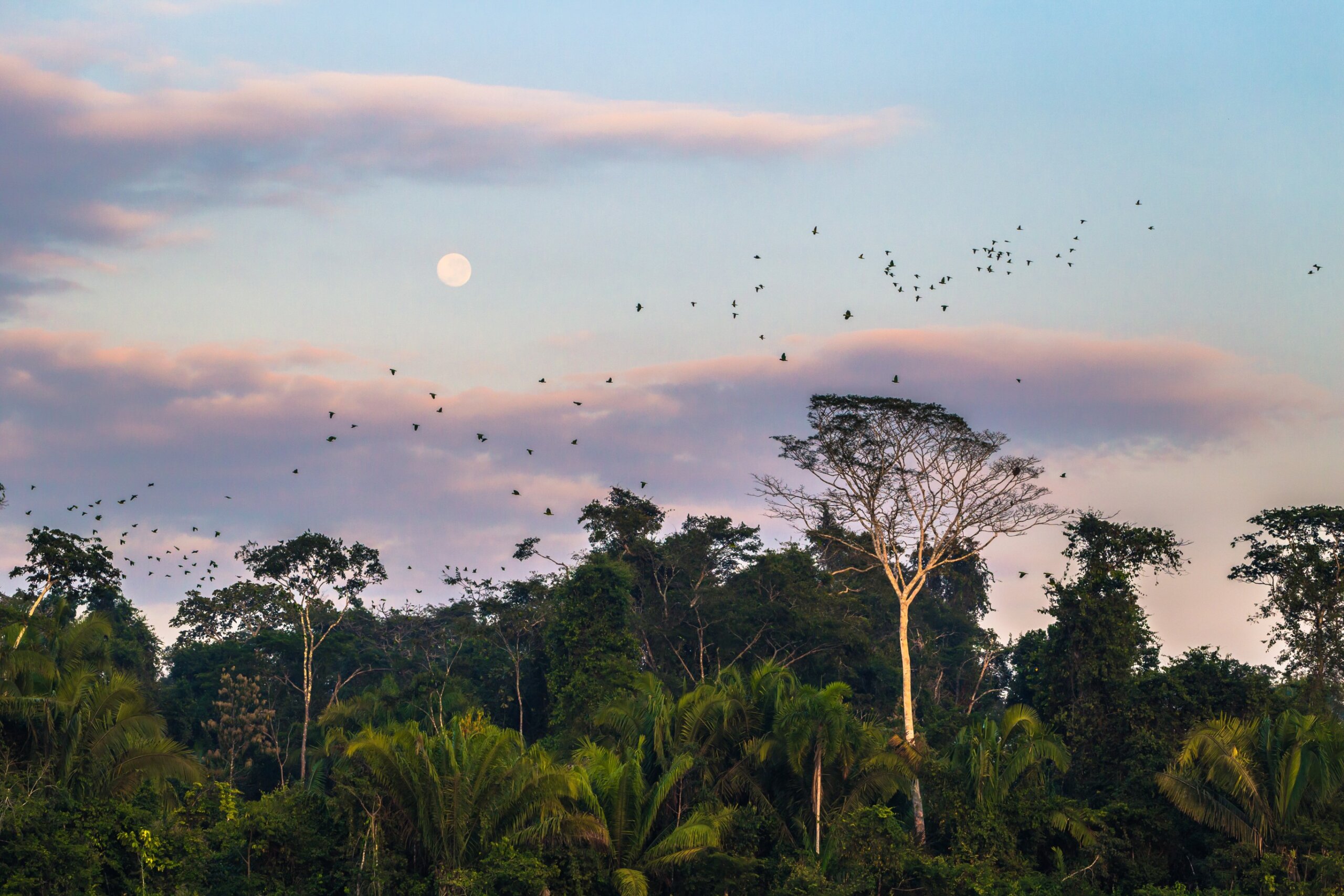
Across the planet, some of the most extraordinary natural landmarks are changing faster than scientists once believed possible. Ecosystems that shaped civilizations, inspired mythologies, and defined entire regions are now under accelerating pressure. Within a single generation, places long considered timeless could shift beyond recognition, altering the landscapes we thought would endure.
Your grandchildren may grow up hearing stories about wonders they will never stand beside, swim within, or walk through. These places are not fading quietly. They are transforming in real time as climate stress, resource extraction, and environmental instability push them toward thresholds from which they cannot return. Understanding what is happening now is the first step in grasping the scale of what is at stake.
The Amazon Rainforest
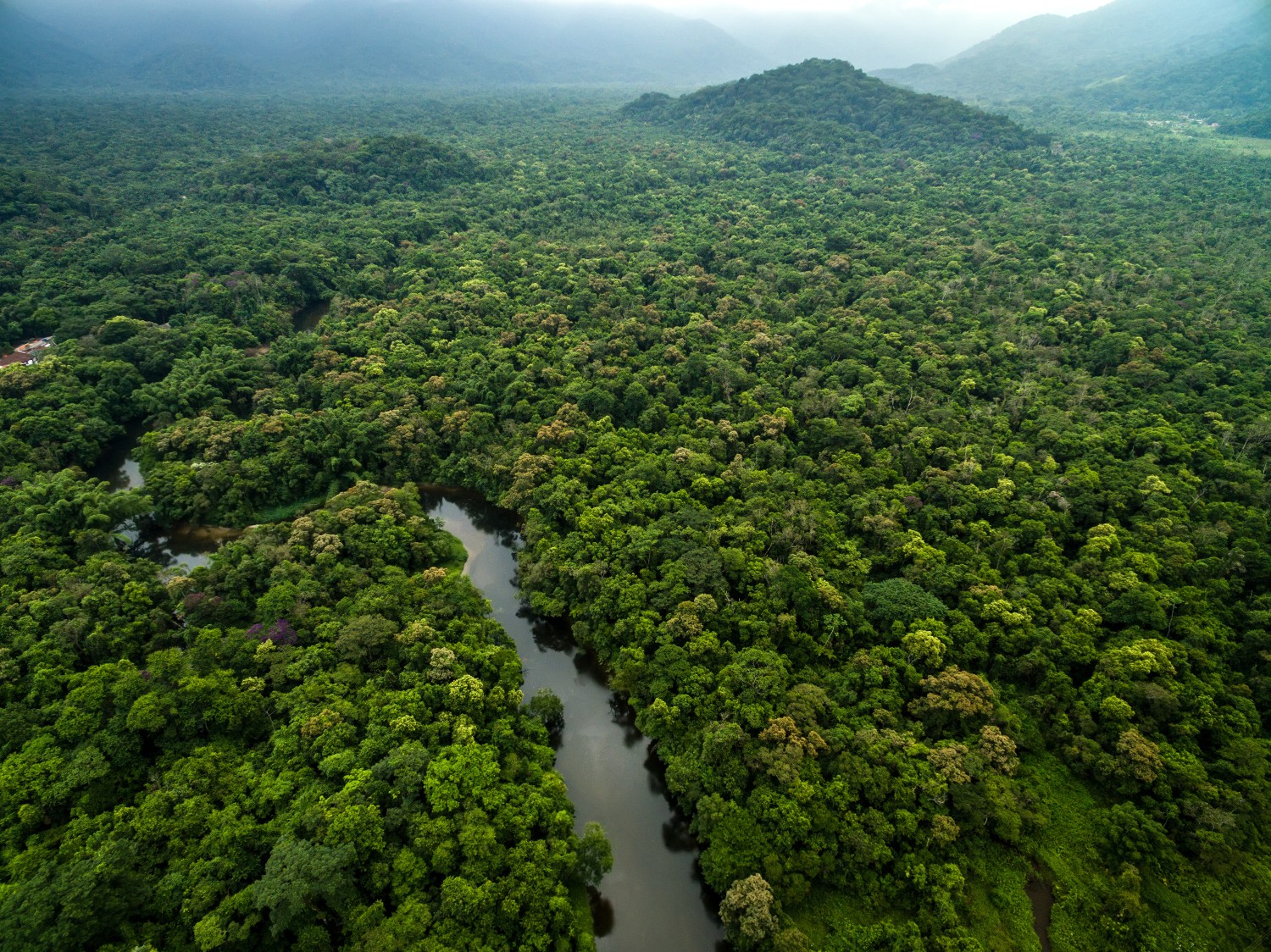
The Amazon Rainforest covers roughly 2.3 million square miles across nine South American countries and holds more than 10 percent of Earth’s known species, making it the largest and richest tropical forest in the world. Its trees, plants, and animals form a complex web of life that supports global rainfall patterns and absorbs huge amounts of carbon from the atmosphere.
Signs of a Fast-Changing Forest
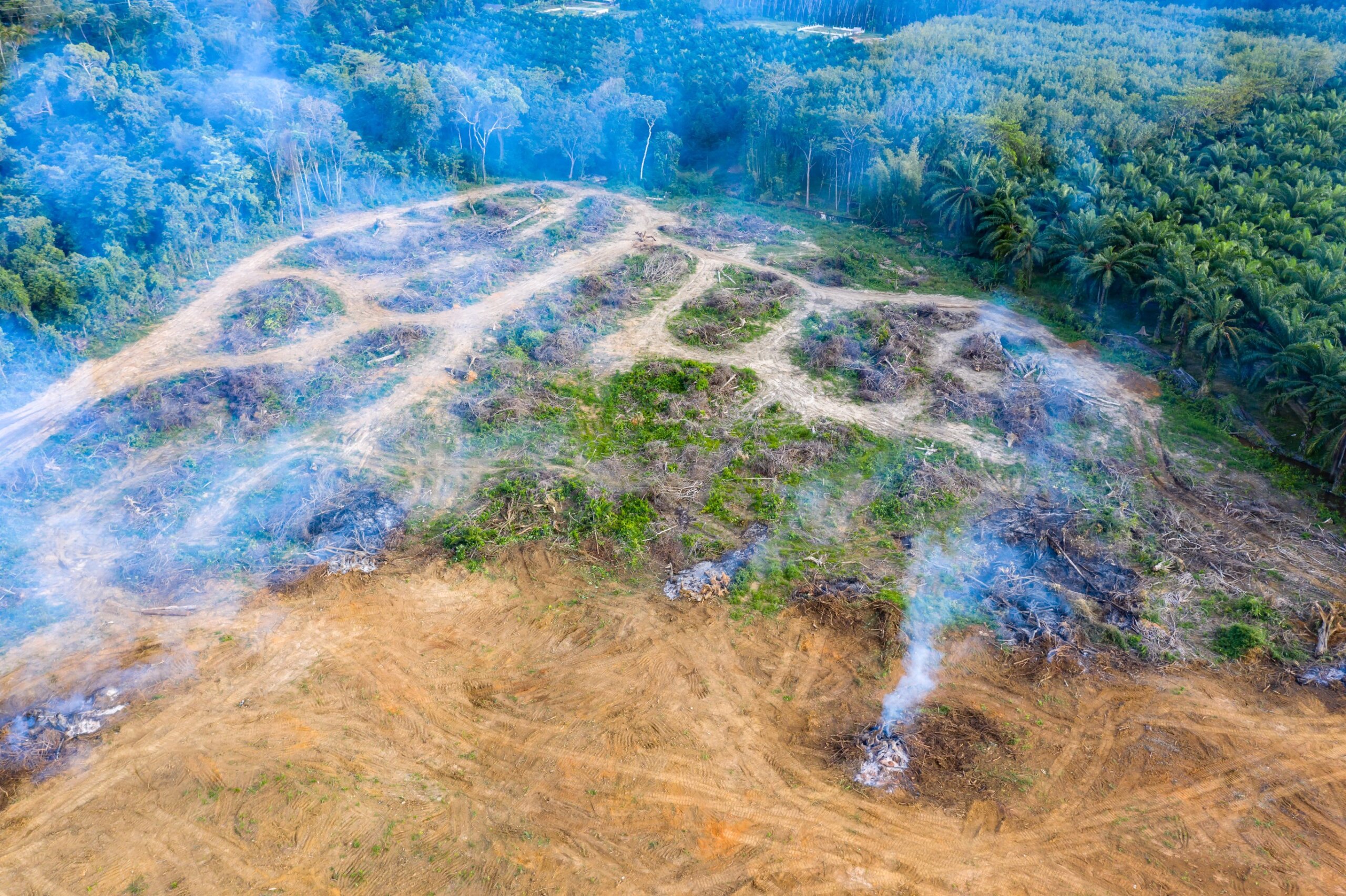
Decades of clearing for cattle, farming, logging, and mining have already eliminated nearly one-fifth of the Amazon’s forest and pushed the ecosystem toward a critical tipping point. Scientists warn that once deforestation and climate pressures exceed key thresholds, much of this vast rainforest could shift into drier savanna landscapes before mid-century, dramatically reducing its biodiversity and climate value.
The Great Barrier Reef
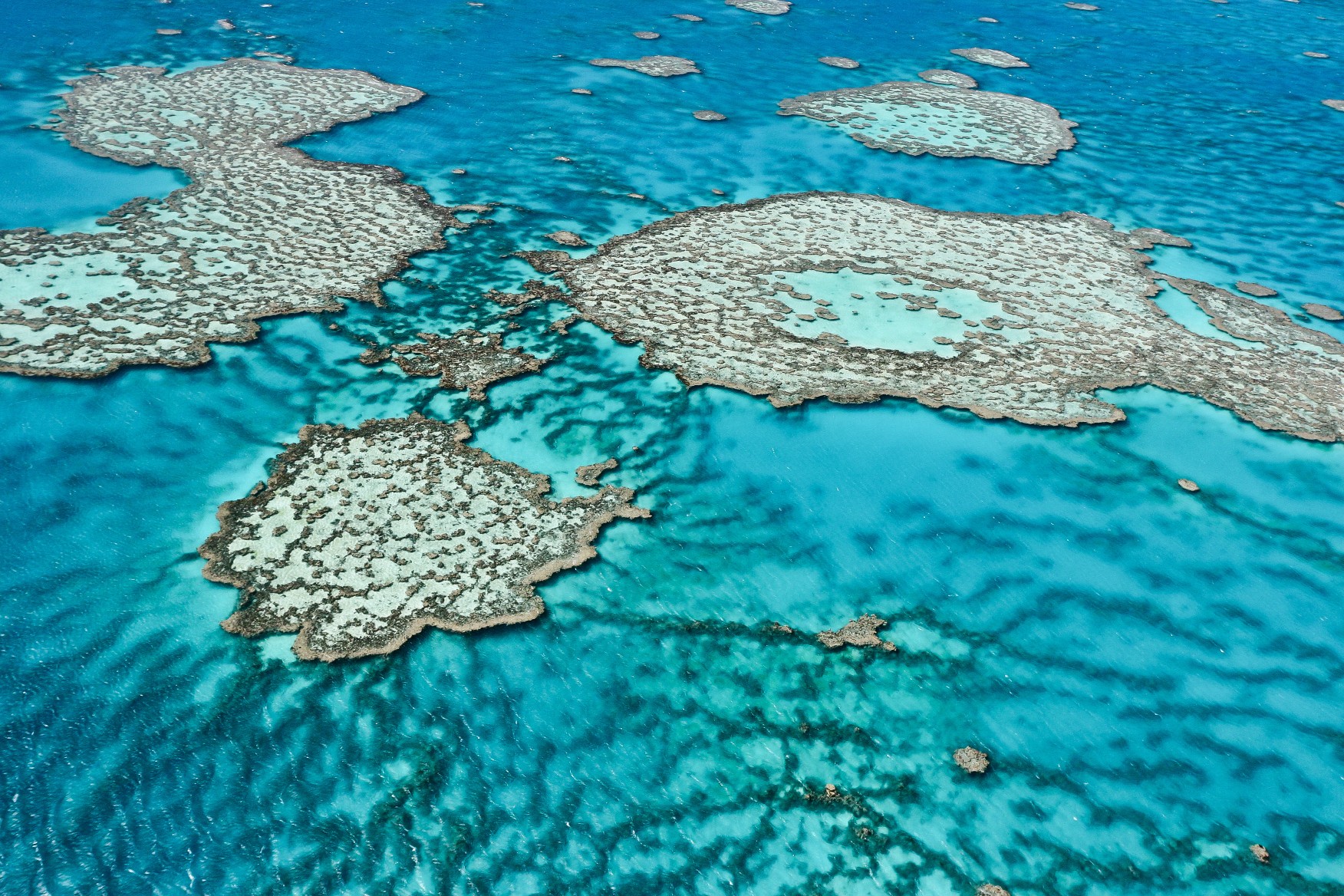
Warm tropical waters reveal a maze of living structures that formed over thousands of years, creating one of the most extraordinary marine environments on the planet. The Great Barrier Reef stretches across the Coral Sea and supports an enormous variety of fish, rays, turtles, and corals, each depending on the others in a constantly moving and beautifully layered ecosystem.
Signs of Accelerating Damage
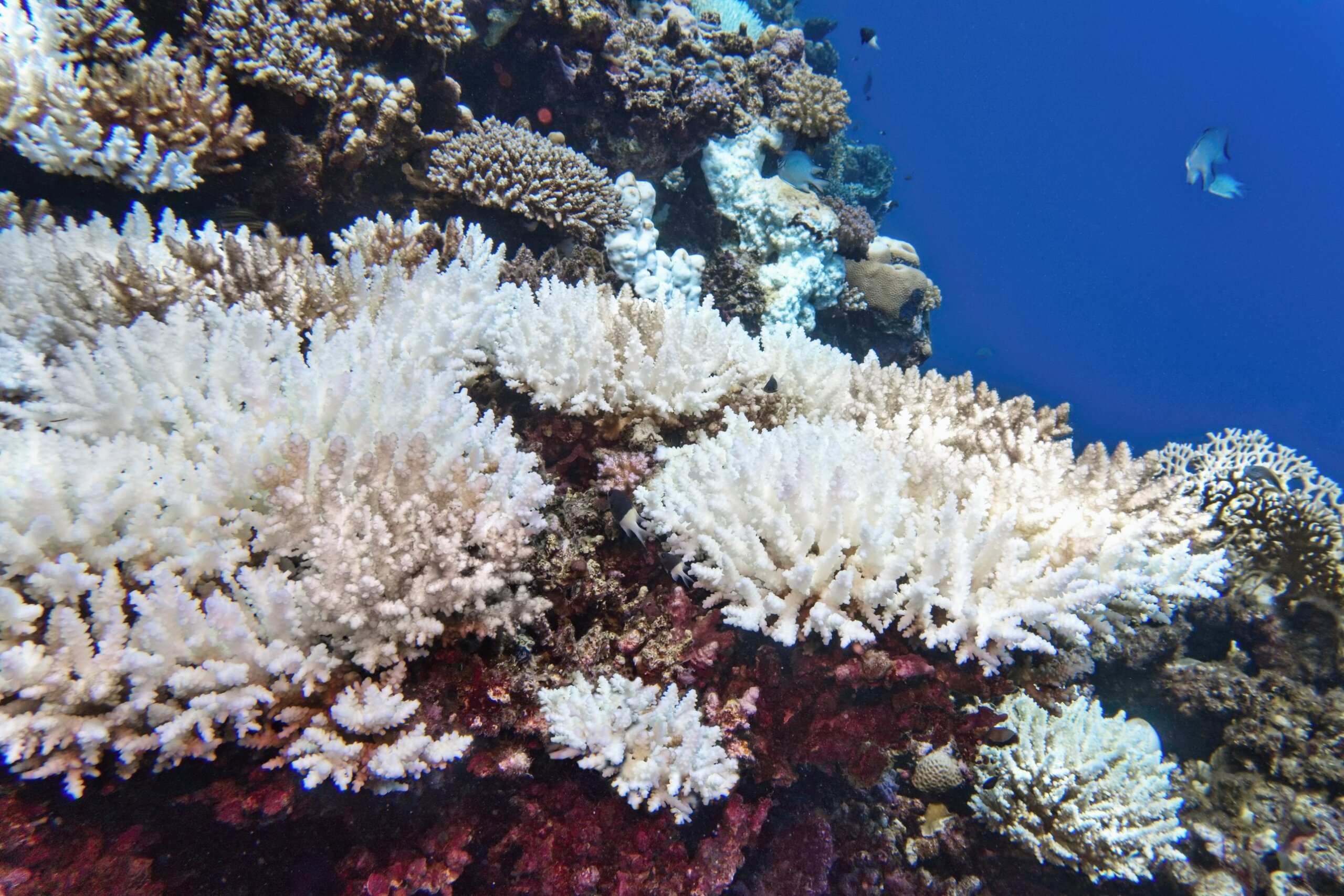
Rising ocean temperatures and pollution are disrupting the conditions that once allowed this vast habitat to thrive. The Great Barrier Reef has now faced multiple mass bleaching events in recent years, including a sweeping episode confirmed in 2024. Scientists warn that more frequent thermal stress could reshape large sections of the reef within the coming decades, altering its diversity and structural complexity.
Madagascar’s Baobab Forests
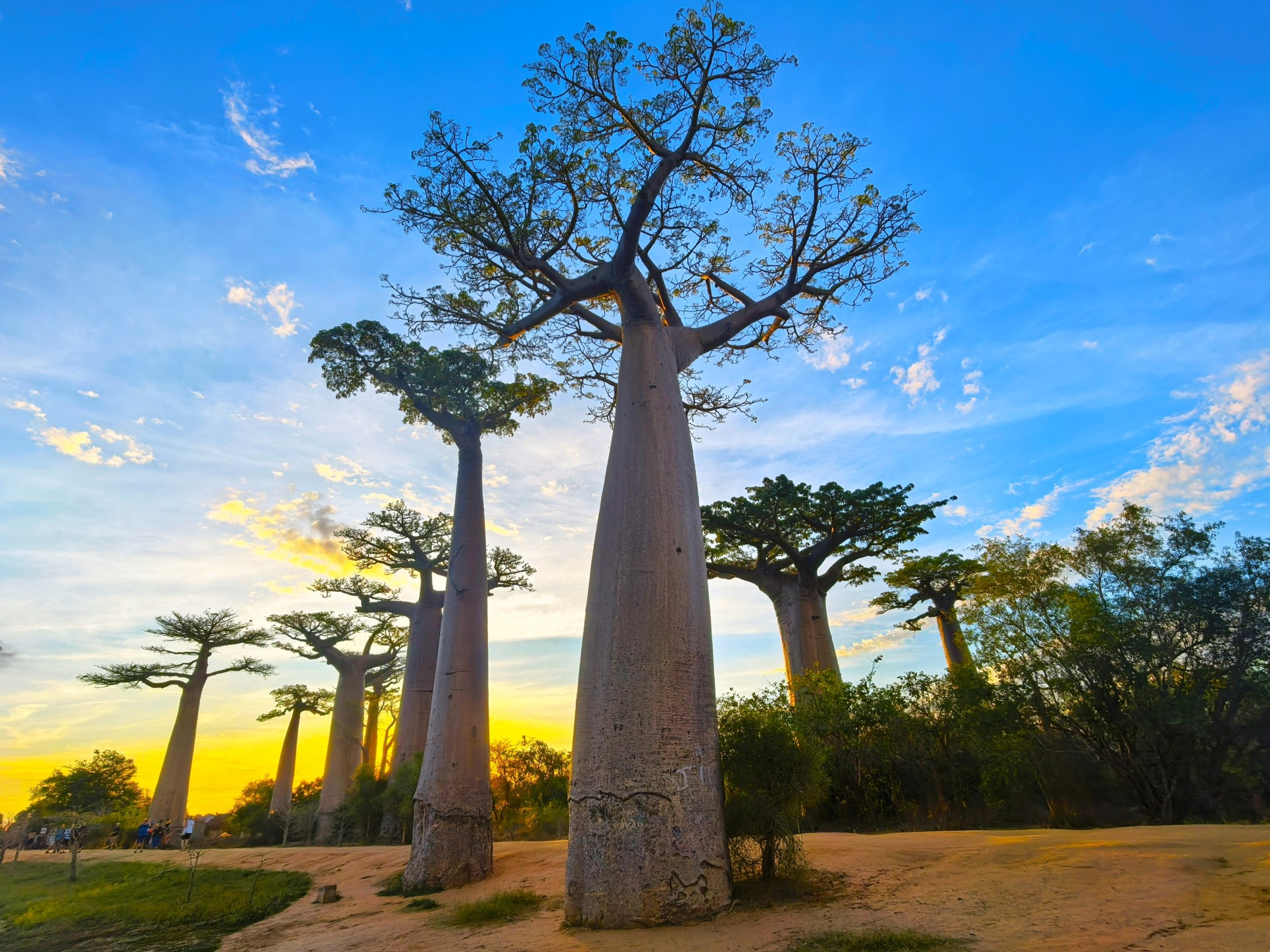
Centuries-old giants rise from Madagascar’s varied landscapes, their swollen trunks and rootlike crowns shaping one of the planet’s most distinctive forest ecosystems. Baobabs anchor entire habitats, supporting pollinators, sheltering wildlife, and supplying communities with food and materials. These ancient trees hold cultural importance across the island and embody the deep evolutionary history that makes Madagascar unlike any other place on Earth.
A Habitat Losing Its Hold
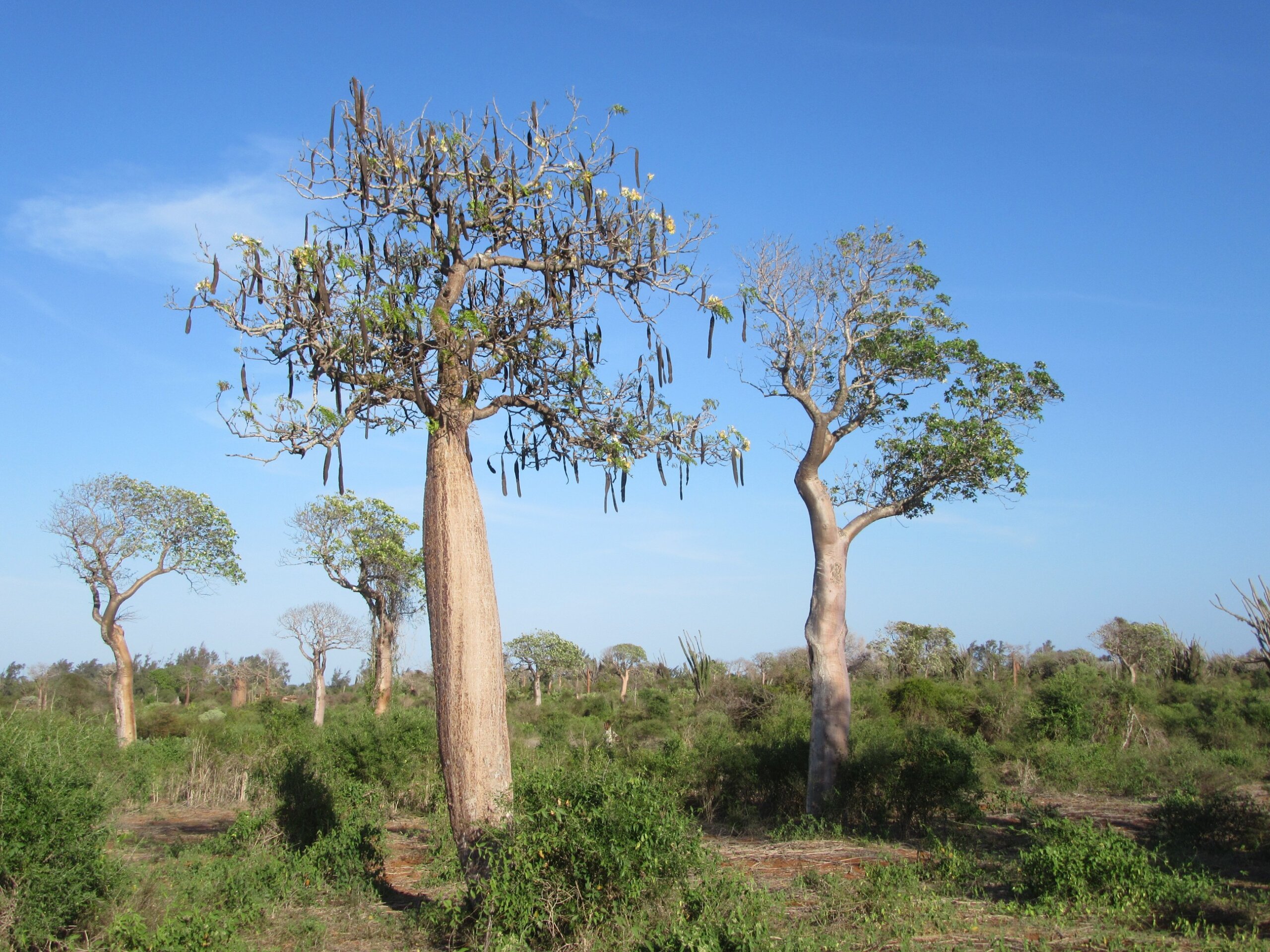
Shifts in rainfall, rising temperatures, and habitat loss are changing the conditions that once nurtured these towering trees. Madagascar’s baobabs now face pressures ranging from drought to mining and agricultural expansion, and several species number only a few hundred individuals. Researchers caution that rapid climate-driven shifts could reduce suitable habitat within this century, placing unique lineages at serious risk of disappearing.
The Dead Sea
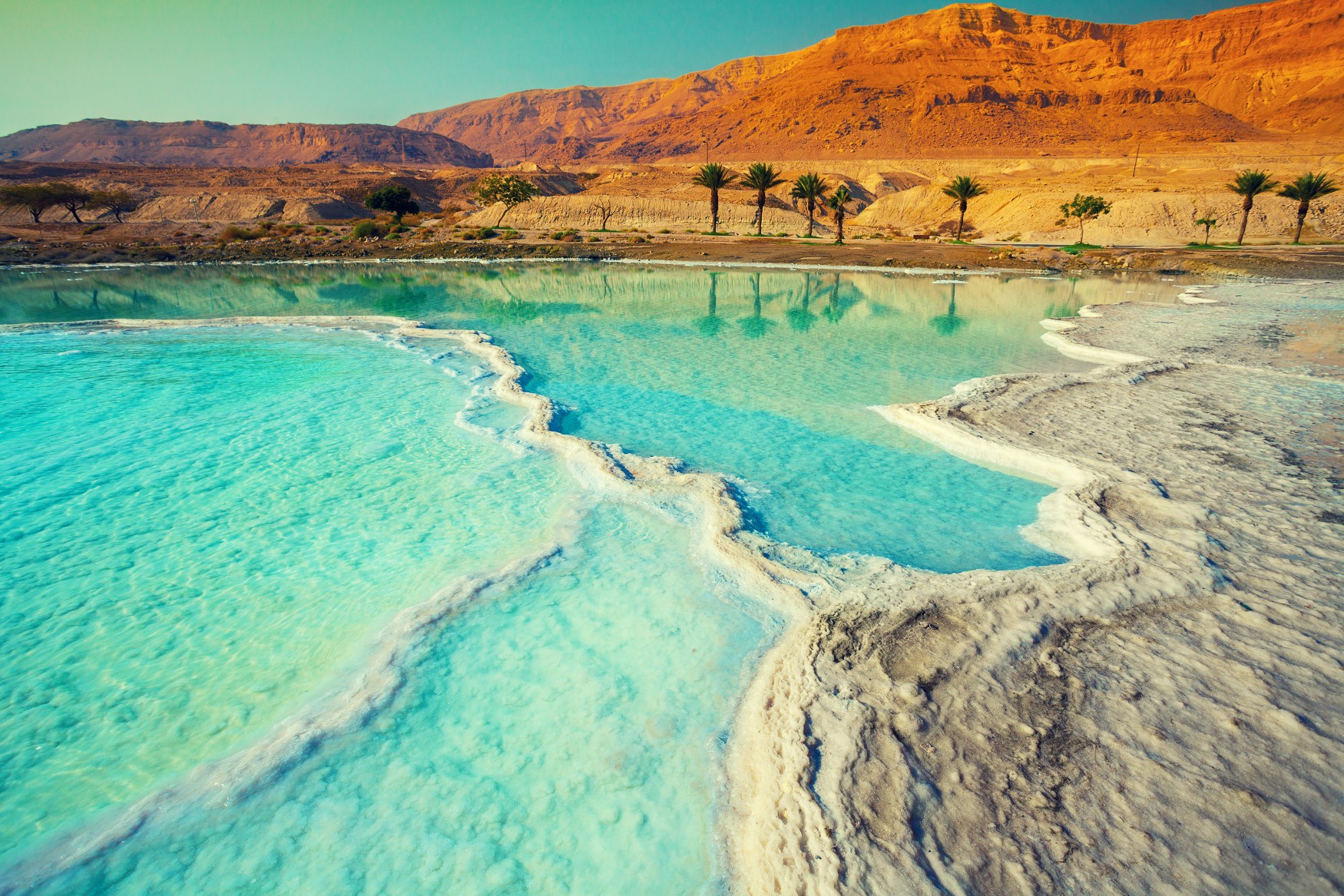
Ancient trade routes once passed through a basin where mineral-rich waters shaped cultures and commerce for thousands of years. The Dead Sea occupies one of the lowest points on Earth and holds a striking mix of geology, history, and natural chemistry. Its dense, buoyant water has long drawn travelers seeking wellness, curiosity, and dramatic desert scenery.
A Vanishing Coastline Takes Shape
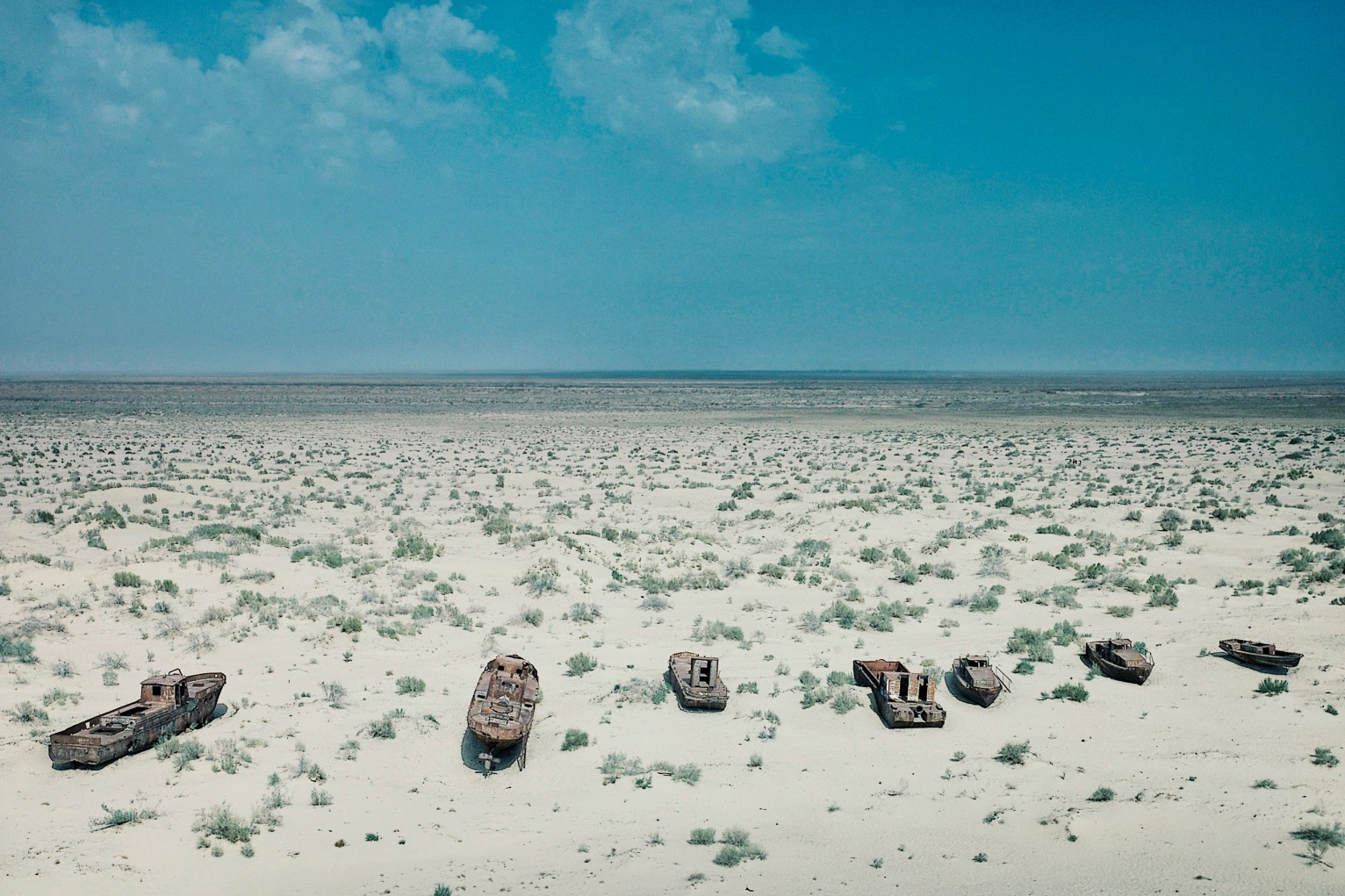
Declining river inflow, industrial extraction, and intense evaporation are reshaping this hypersaline lake at a remarkable speed. The Dead Sea continues to lose more than a meter of water each year, triggering collapsing shorelines and widespread sinkholes. Scientists tracking groundwater shifts and land subsidence warn that continued imbalance could rapidly transform its shoreline and reduce accessible areas within the coming decades.
Mountainous Glaciers
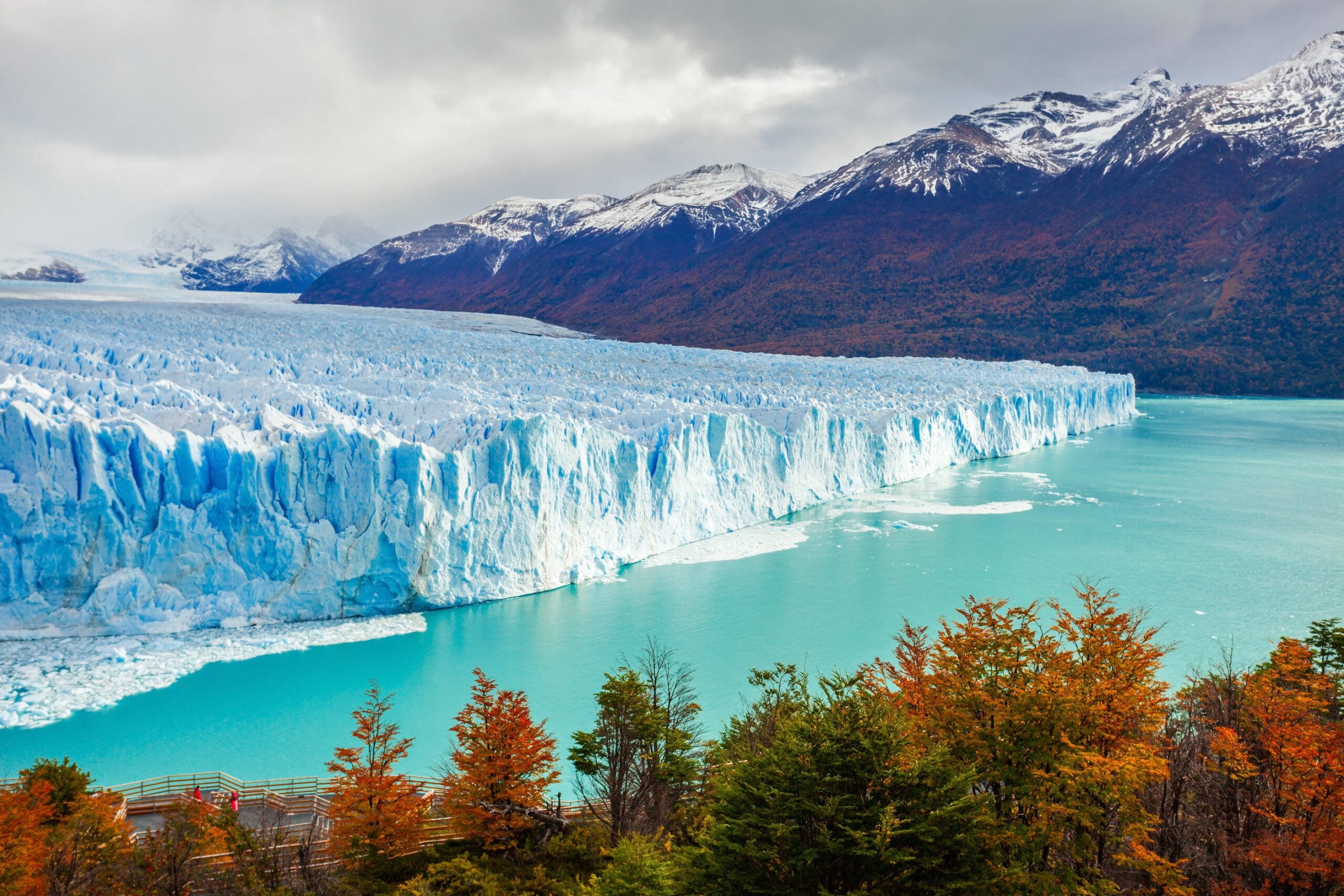
Rapid ice loss is reshaping mountain regions around the world as long-standing glaciers thin at record speed. Recent monitoring shows that global ice networks lost the largest three-year volume on record between 2022 and 2024, with more than twenty-seven meters of water equivalent removed. This scale of retreat is already changing valleys, altering runoff patterns, and exposing previously buried terrain.
Decline Accelerating Across the Peaks
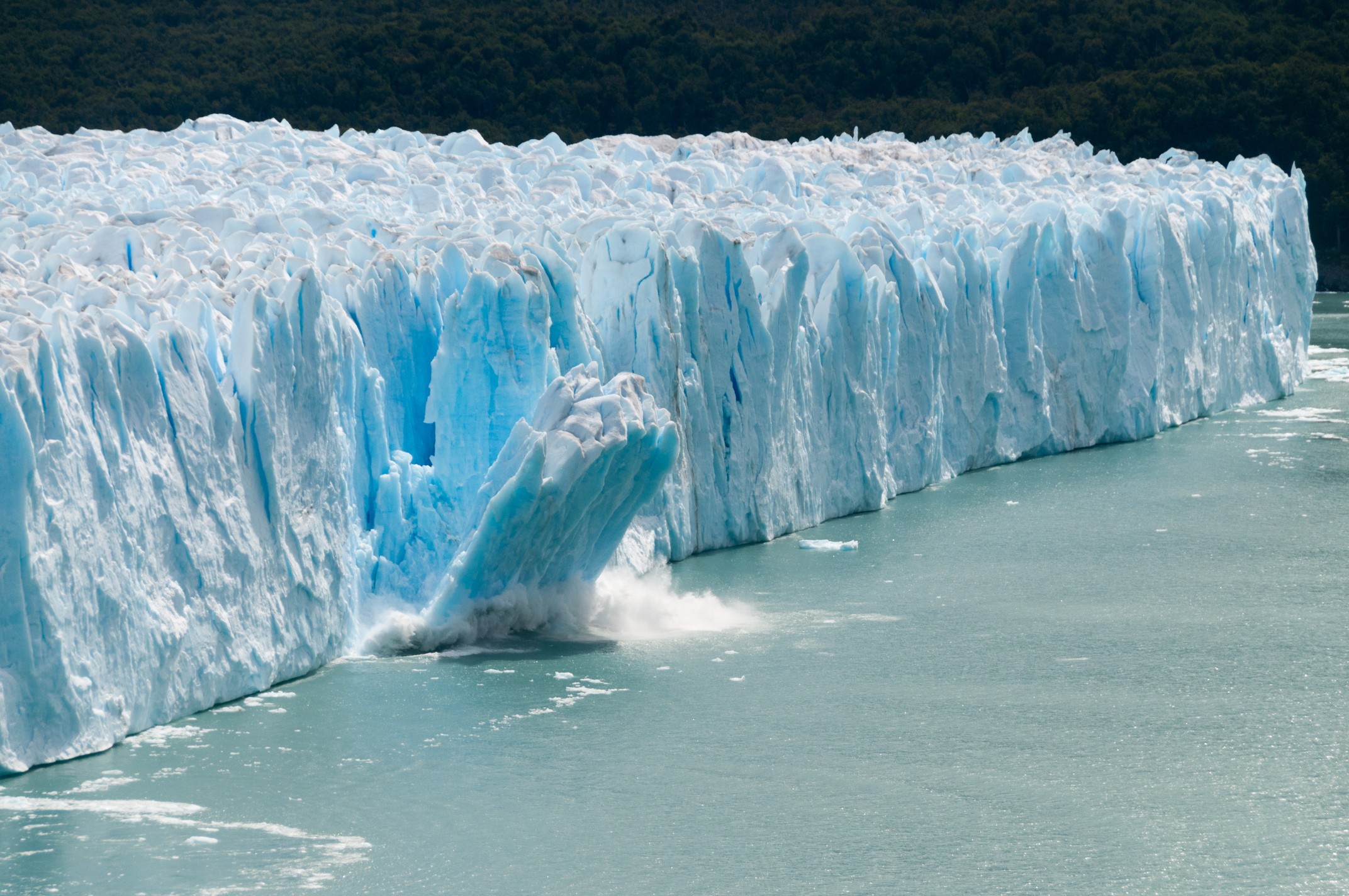
Acceleration is now the defining trend. Nearly half of all glacial mass lost since the mid nineteen seventies has disappeared in the past decade alone, and seasonal extremes are speeding the decline. Swiss glaciers recently recorded losses approaching three percent in a single year, with some shrinking more than two meters in one summer. Current models suggest that only about half of the world’s glaciers may remain by 2100 under continued warming.
The Clock Is Moving Faster Than We Think
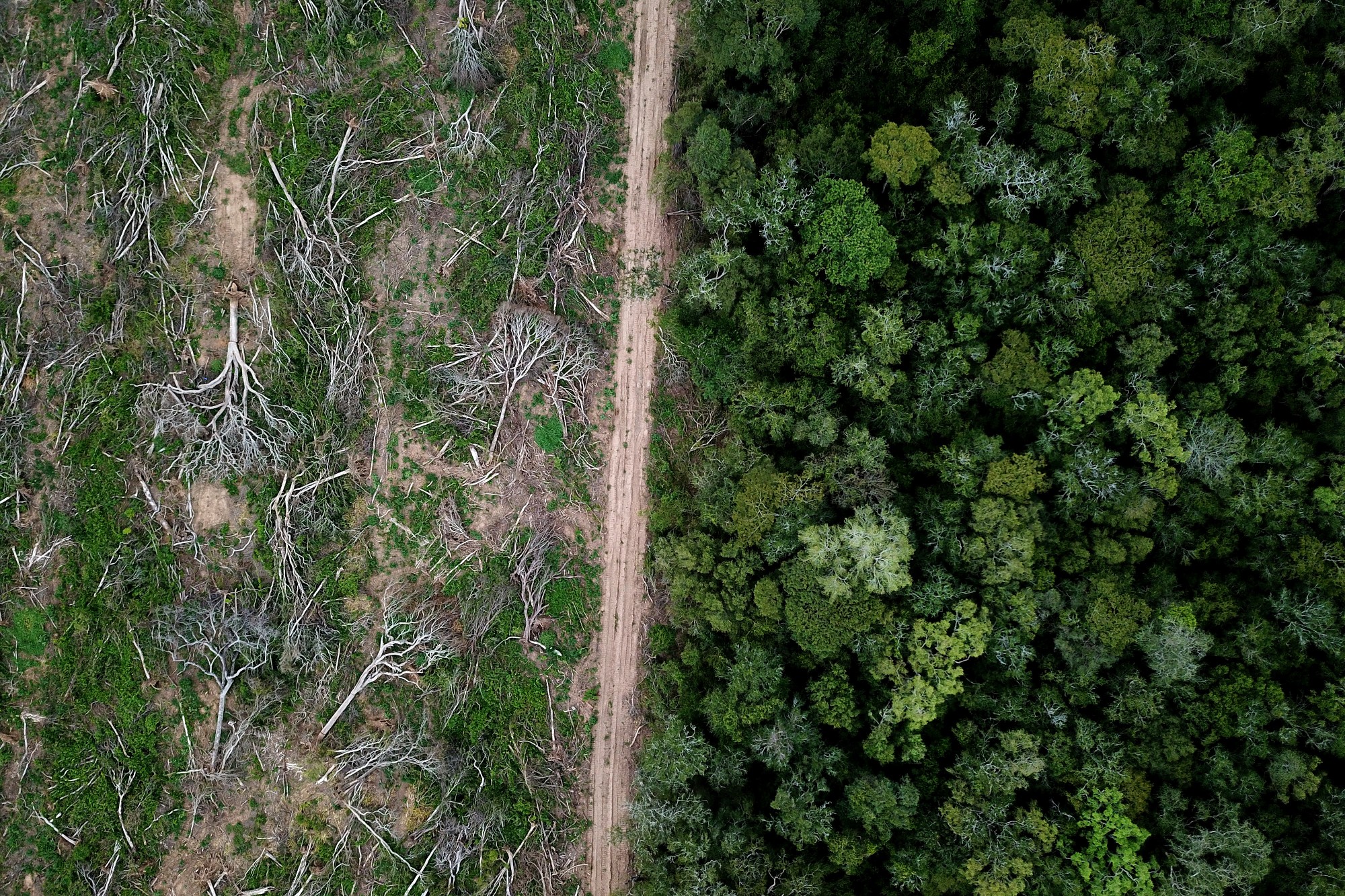
These landmarks are not distant warnings or abstract projections. They are changing now, within a single lifetime, reshaping ecosystems that once felt permanent. What happens to them will influence water systems, food chains, cultures, and the natural balance far beyond their borders. Whether seen in melting ice, retreating shorelines, or thinning forests, the message is the same: the planet is responding to the pressure placed upon it. The question is not whether change is coming, but how much of these wonders will remain for those who come after us.
If this story made you stop and think, here are a few more journeys worth exploring next: