
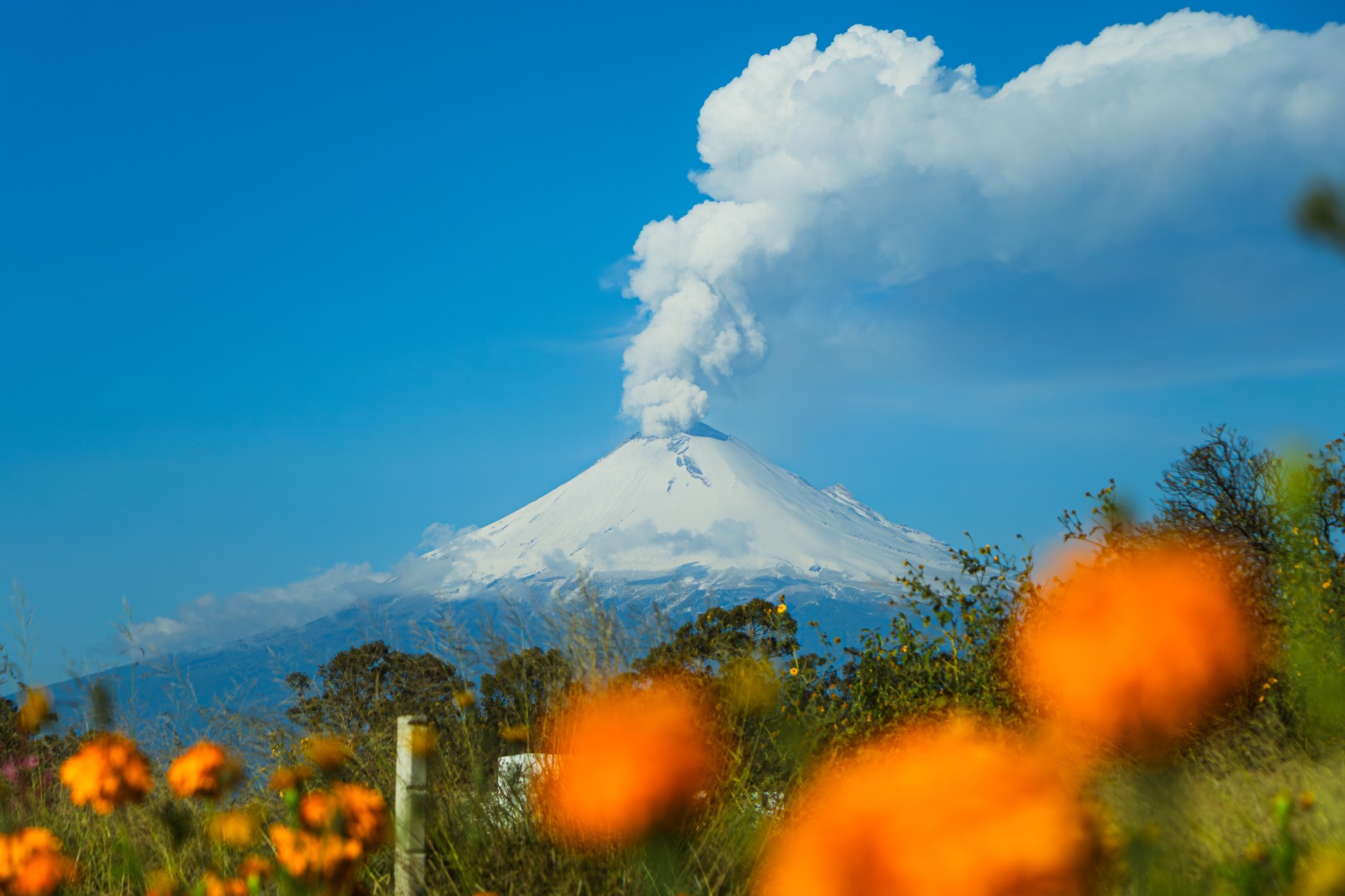
There is something irresistible about standing near a volcano. Part danger, part wonder, and part pure curiosity, these places remind us how alive the earth really is. Watching steam rise, seeing old lava flows, or climbing to a crater rim turns an ordinary trip into an unforgettable story. Here are 15 volcanoes you can visit right now.
Stromboli (Italy)
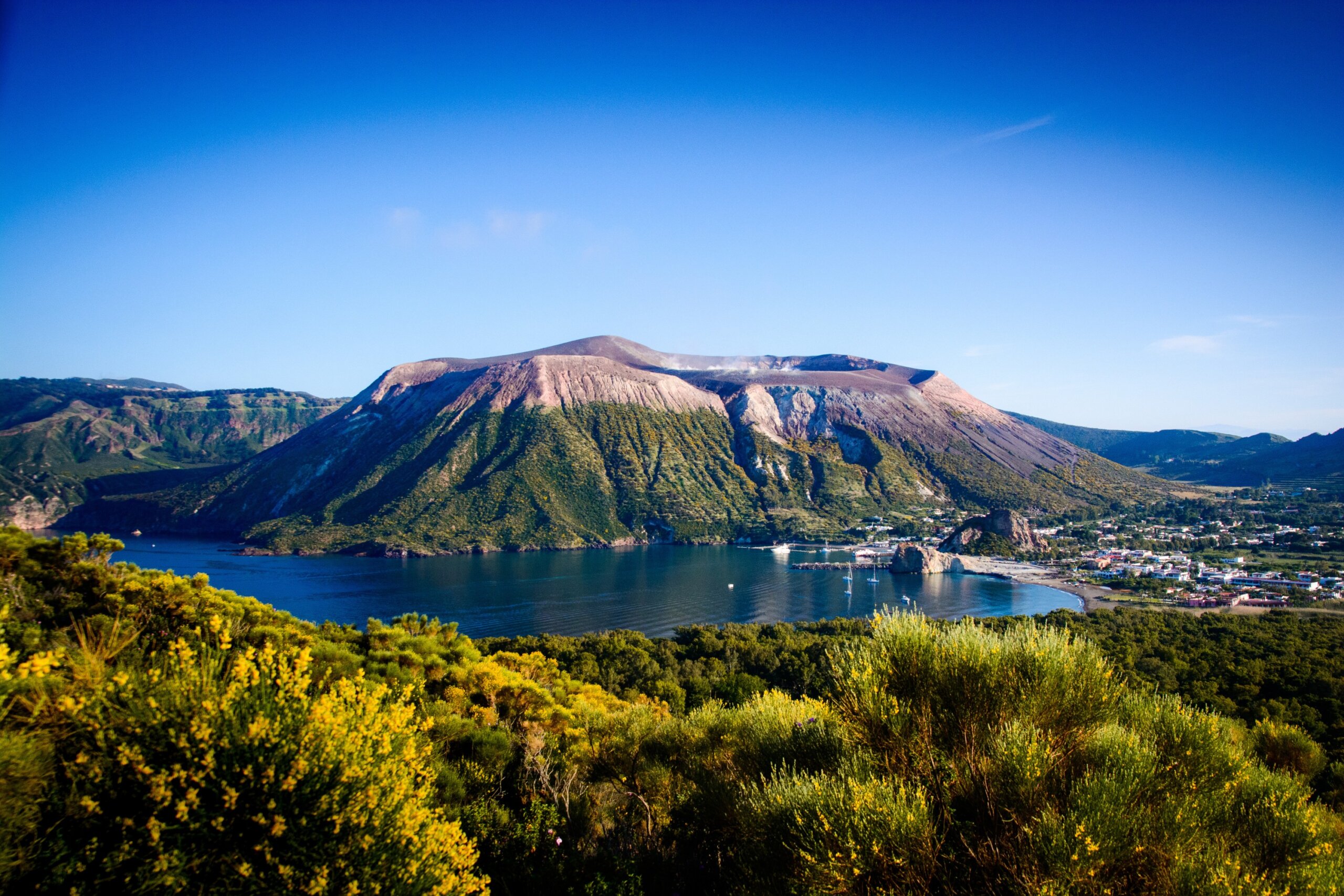
One of the Aeolian Islands offers a rare chance to watch steady volcanic activity up close, with small bursts lighting the sky day and night. Travelers arrive by ferry or helicopter, then hike with a guide to higher viewpoints for safe, unforgettable looks at Stromboli in action.
Sakurajima (Japan)
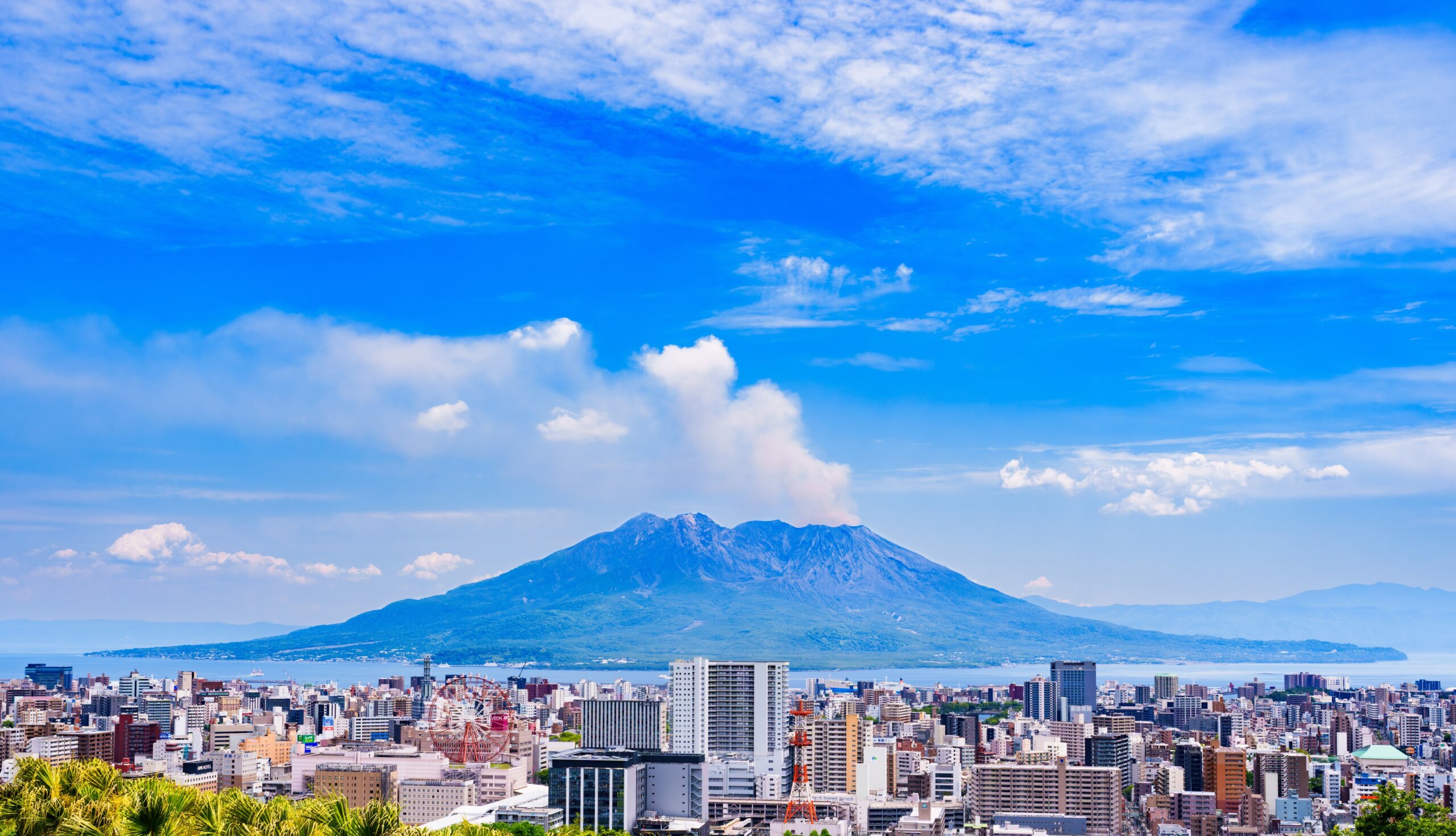
Ferries from Kagoshima bring travelers to the dramatic landscape surrounding Sakurajima, where a major 1914 eruption reshaped the coastline. Visitors can walk the Lava Nagisa Promenade to see impressive formations up close and unwind at the island’s visitor center, which includes a relaxing foot bath.
Iztaccihuatl & Popocatépetl (Mexico)
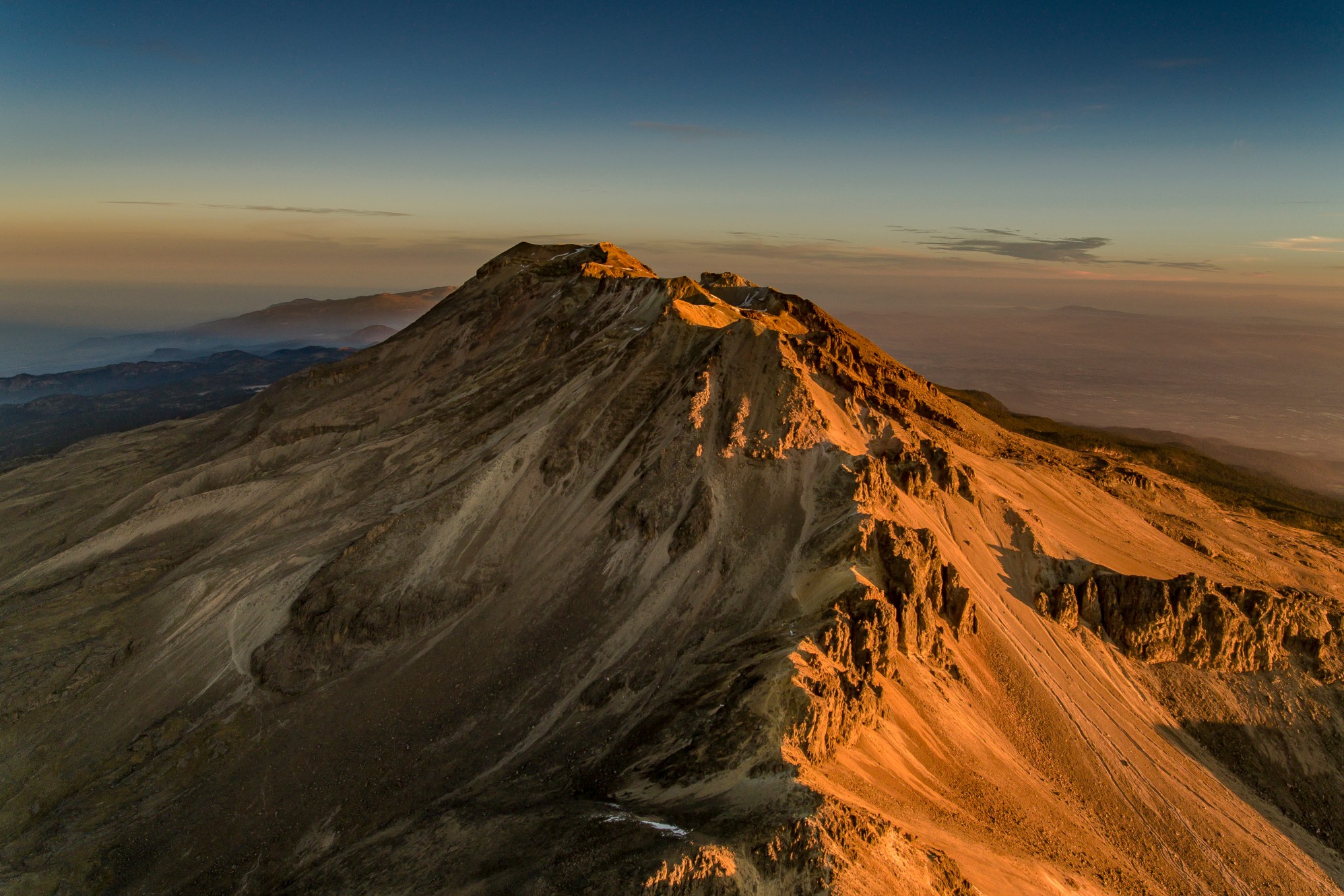
Travelers visiting Mexico City can reach Iztaccihuatl in under two hours for views of its distinctive sleeping woman shaped silhouette and nearby Popocatepetl, locally called Popo. Jeep tours, guided hikes, and independent walks through the national park make it easy to explore both volcanic giants in a single trip.
Mount Merapi (Indonesia)
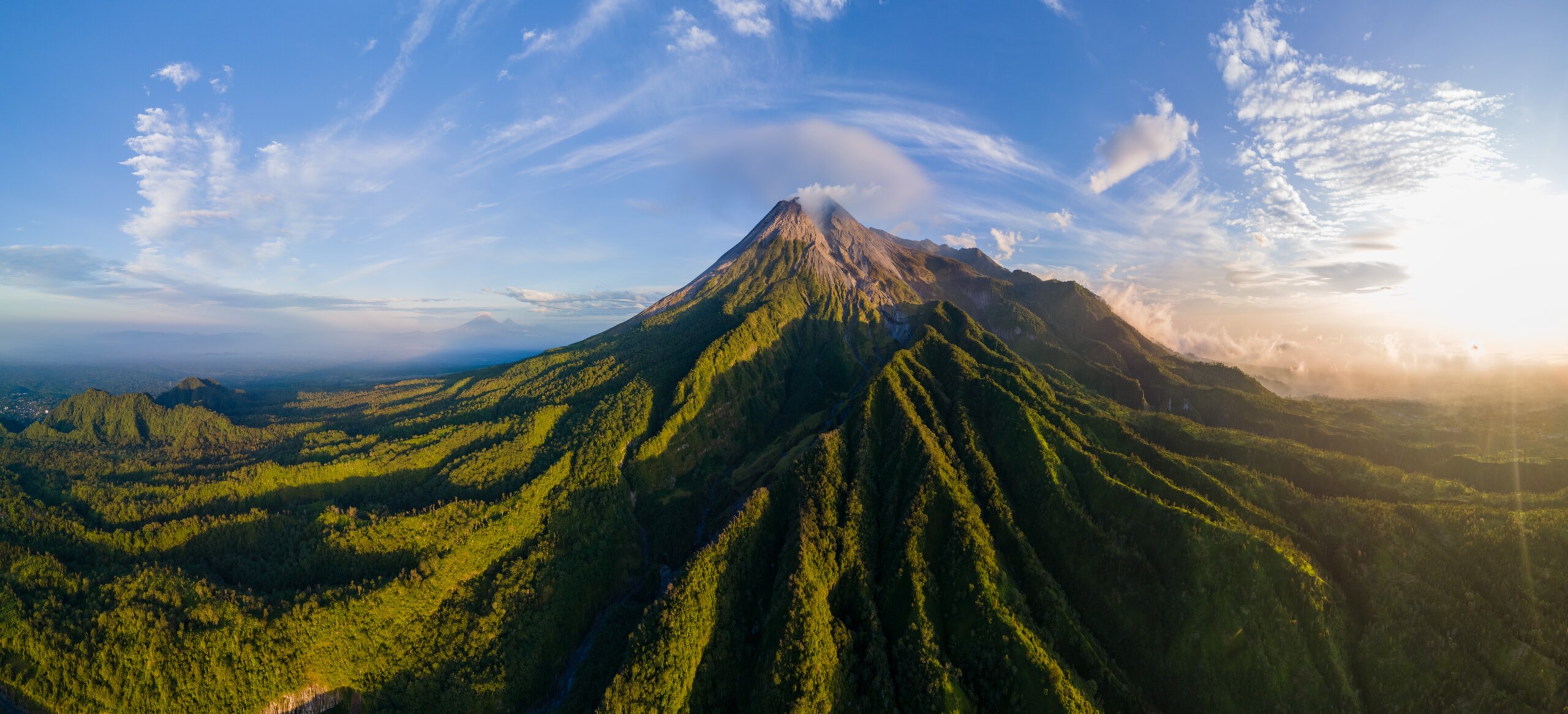
Less than 20 miles from Yogyakarta, Mount Merapi draws visitors who want a closer look at one of Indonesia’s most active peaks. Guided hikes begin before dawn, and Jeep tours offer a safer way to explore an area known for fast-moving ash clouds that make the landscape both dramatic and unpredictable.
Mount Etna (Italy)
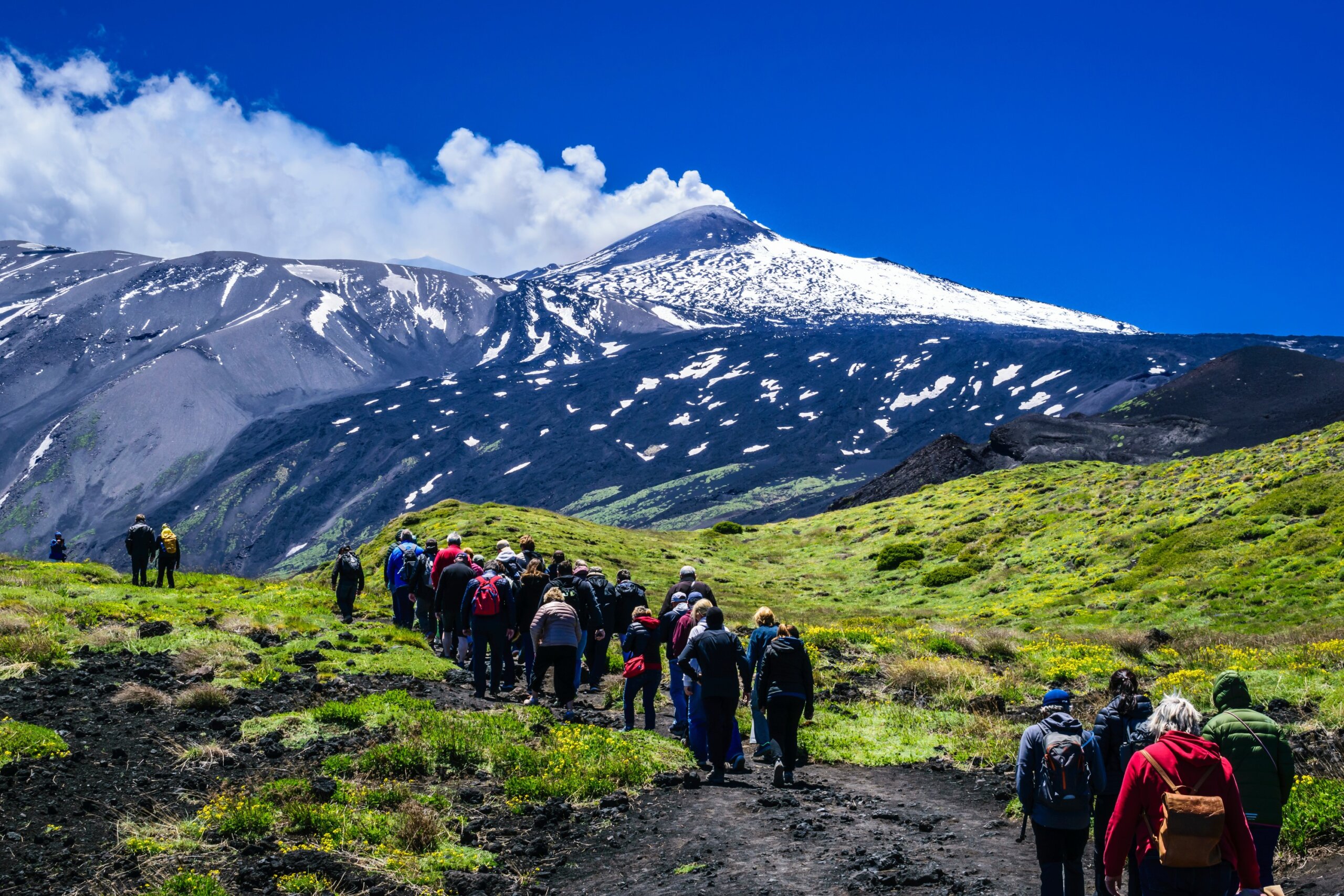
On the outskirts of Catania, Mount Etna remains one of the world’s most active volcanoes, with documented eruptions dating back to 1500 BC. Its powerful history continues today, and visitors can reach higher elevations by cable car or guided hike before exploring the volcanic wine country that thrives along its fertile lower slopes.
Mount Fuji (Japan)
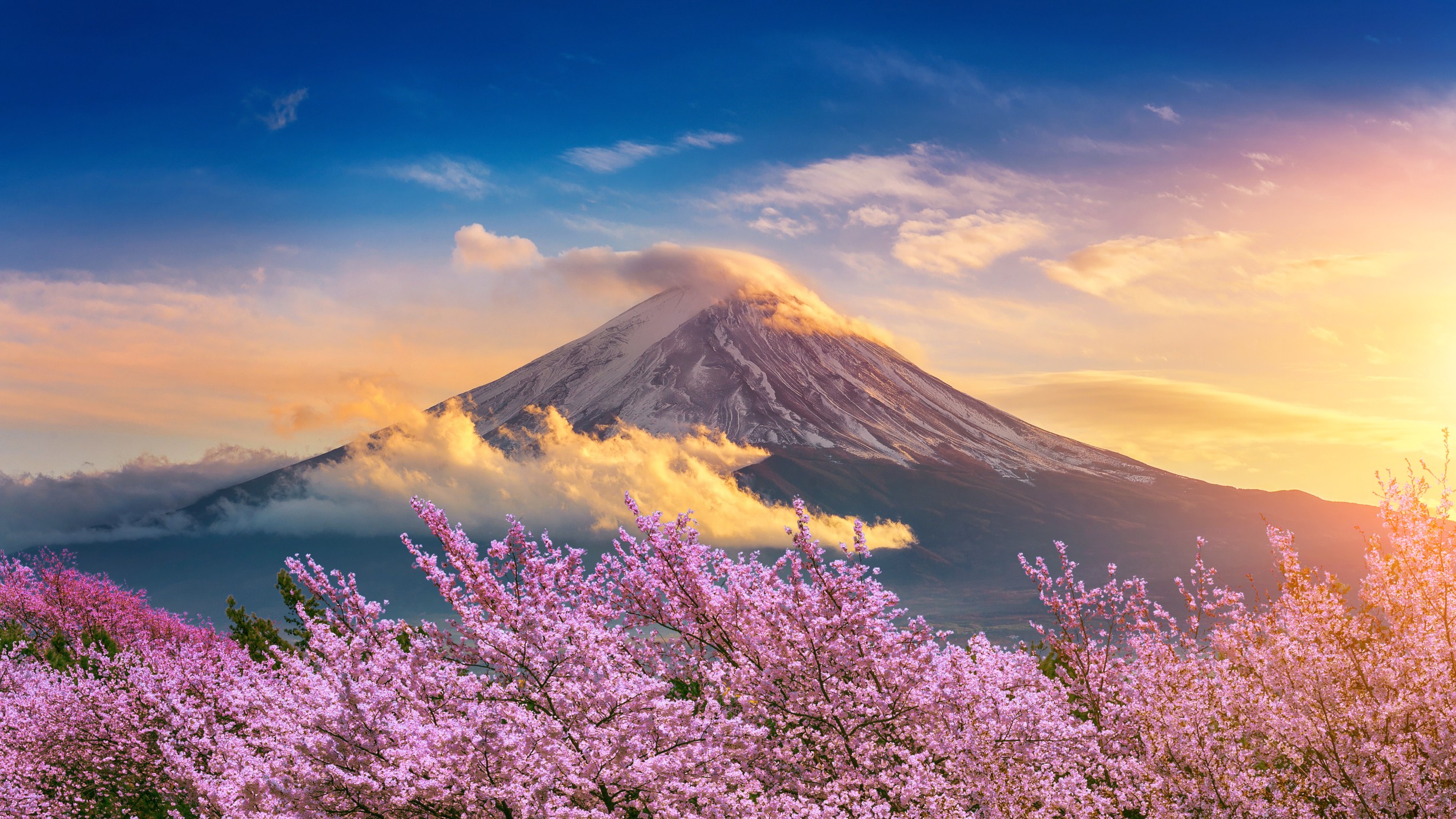
Japan’s tallest peak, Mount Fuji, rises more than 12,000 feet and draws visitors who want a close look at its snow-topped cone. The climb is possible only from July to September, with huts along the trails for rest or overnight stays.
Cotopaxi (Ecuador)
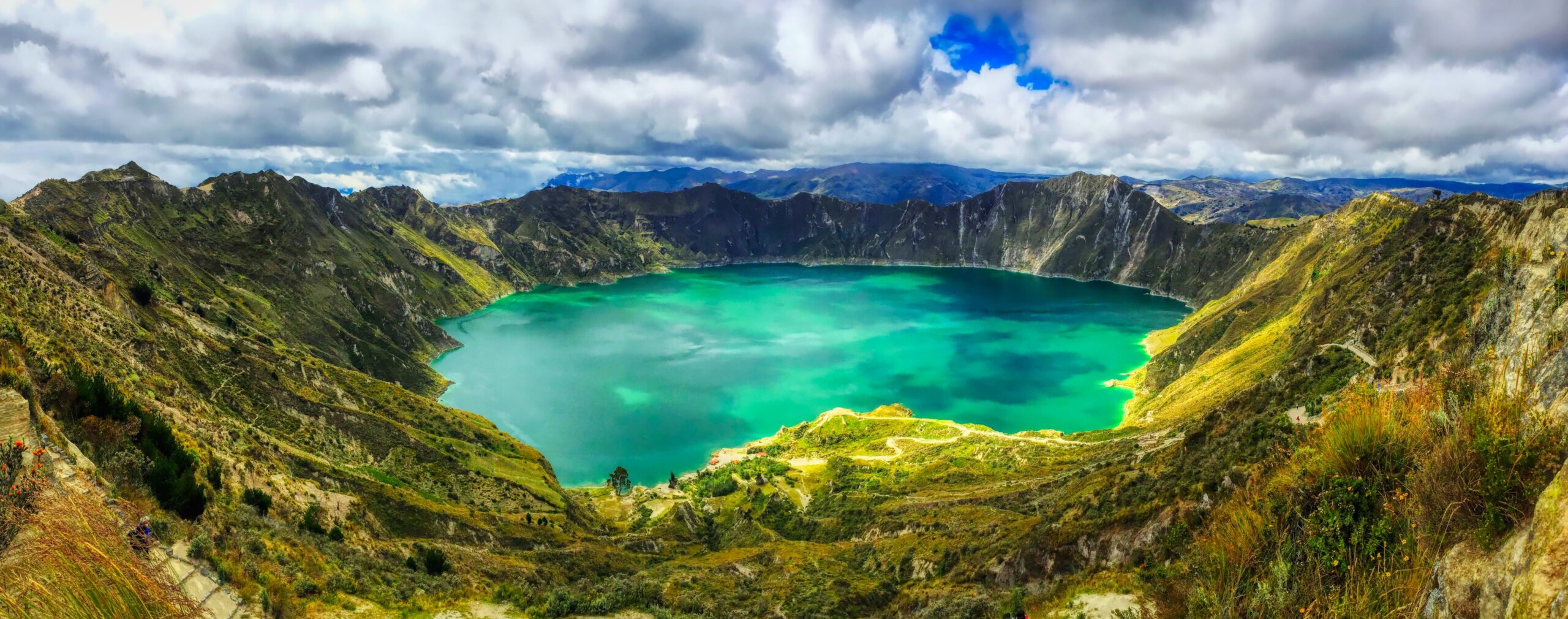
Travelers heading through Quito often detour into Cotopaxi National Park to see Cotopaxi, a near perfect cone that has erupted more than 50 times in 300 years. Visitors hike, bike, or climb around its high altitude landscape, explore the Enchanted Valley’s eruption debris, and visit nearby Lake Limpiopungo and the smaller Rumiñahui volcano.
Mount Aso (Japan)
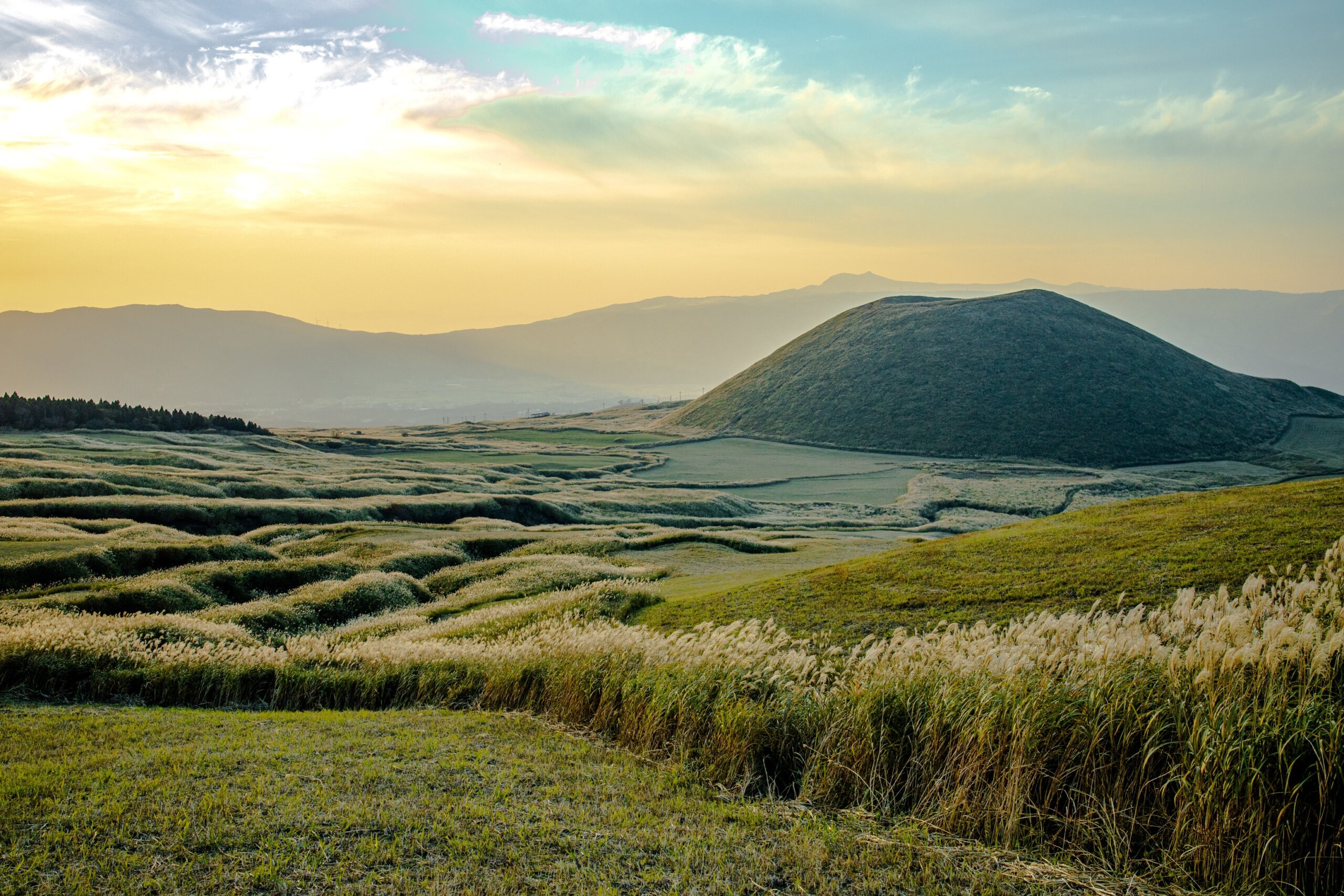
On Japan’s island of Kyushu, the vast caldera of Mount Aso stretches nearly 10 by 15 miles, formed by four major eruptions beginning about 270000 years ago. Visitors reach the crater by shuttle or car, though those sensitive to volcanic gases are advised to keep their distance.
Mount Pinatubo (Philippines)
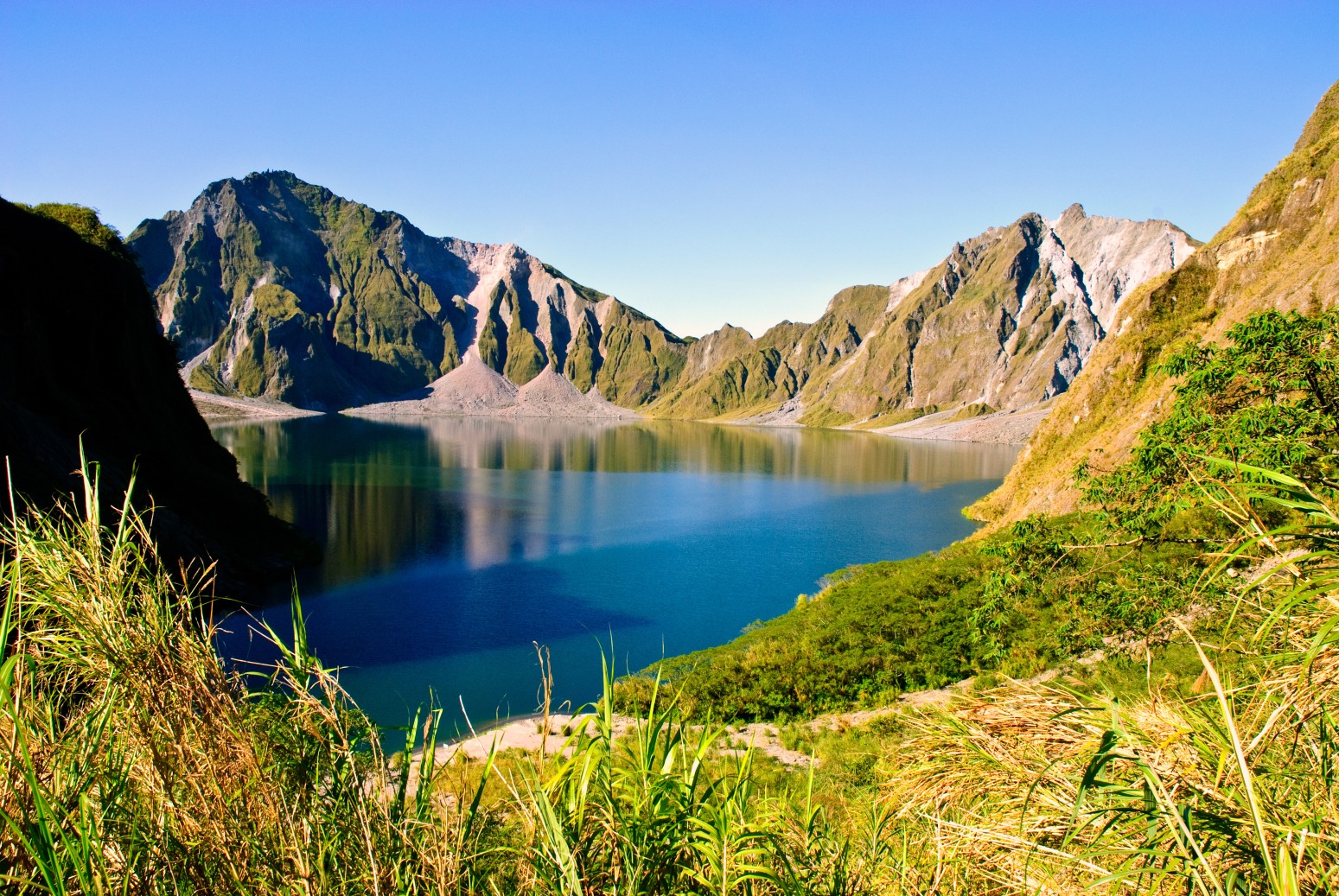
The dramatic 1991 eruption of Mount Pinatubo sent ash 22 miles high and reshaped the surrounding landscape, but the area is now a major draw for visitors. Most arrive by Jeep before hiking to Lake Pinatubo, a turquoise filled crater that offers unforgettable views even though swimming is not allowed.
Villarrica (Chile)
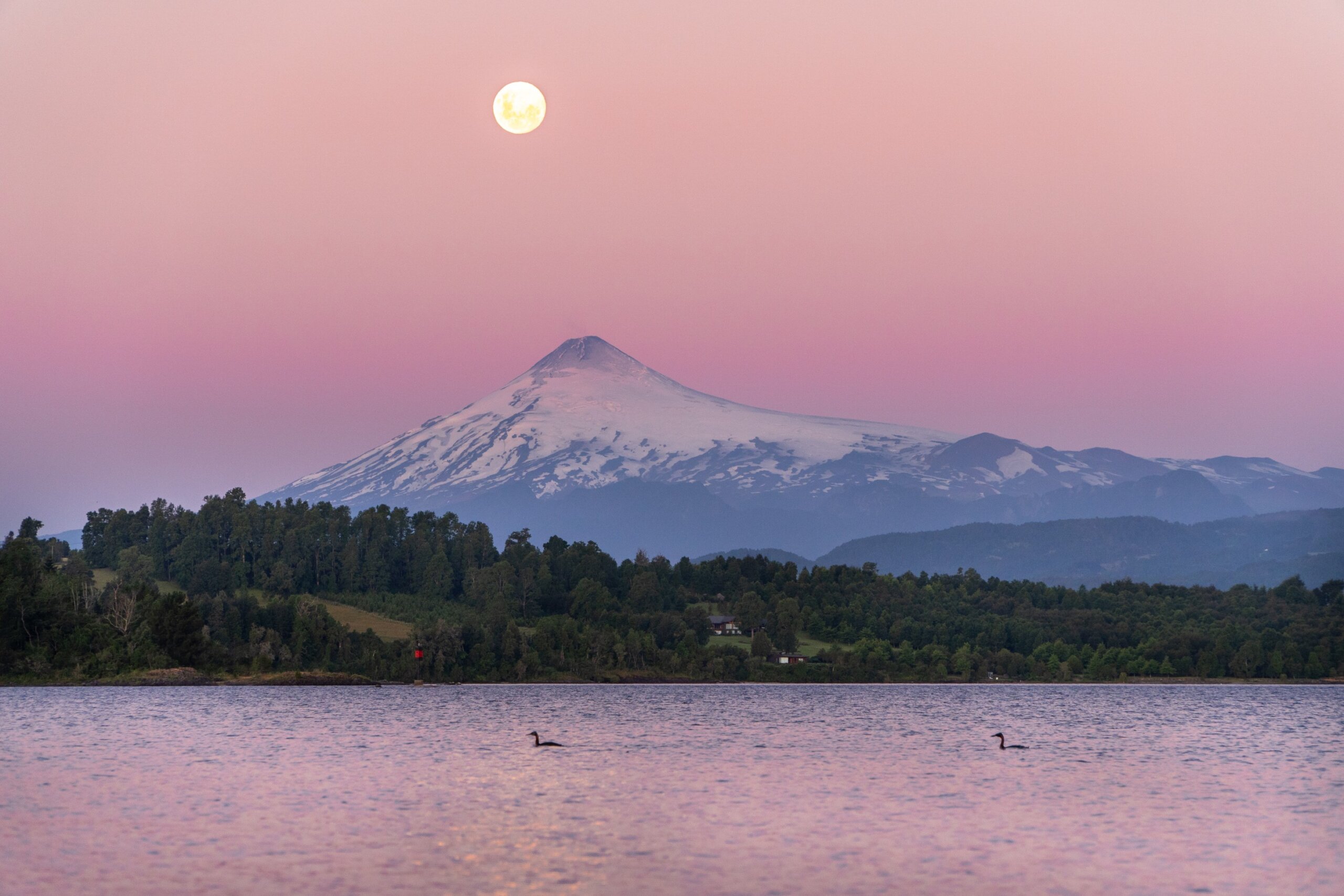
In southern Chile, Villarrica rises above its namesake lake and town, known both for constant activity and a snowy summit that can trigger dangerous mudflows during eruptions. Visitors explore the area through Villarrica National Park, guided treks, or winter skiing at the nearby Villarrica Pucon Ski Resort.
Kīlauea (Hawaii)
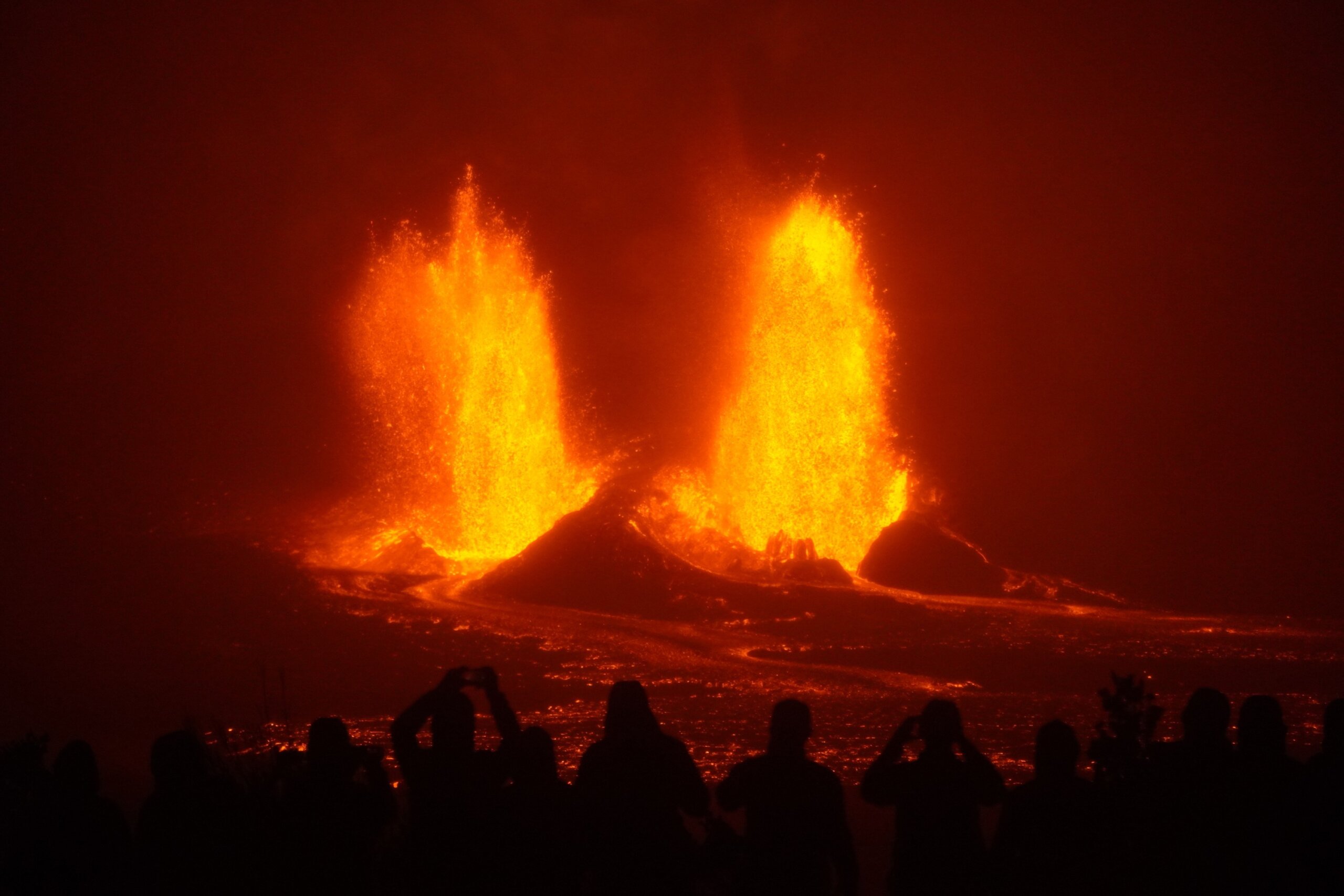
On the Big Island, Kīlauea offers visitors a close look at one of the world’s most continuously active volcanoes. Travelers explore its lava fields and steam vents inside Hawaii Volcanoes National Park, where ranger led routes provide safe access to recent flows and other volcanic features shaped by ongoing activity.
Arenal (Costa Rica)
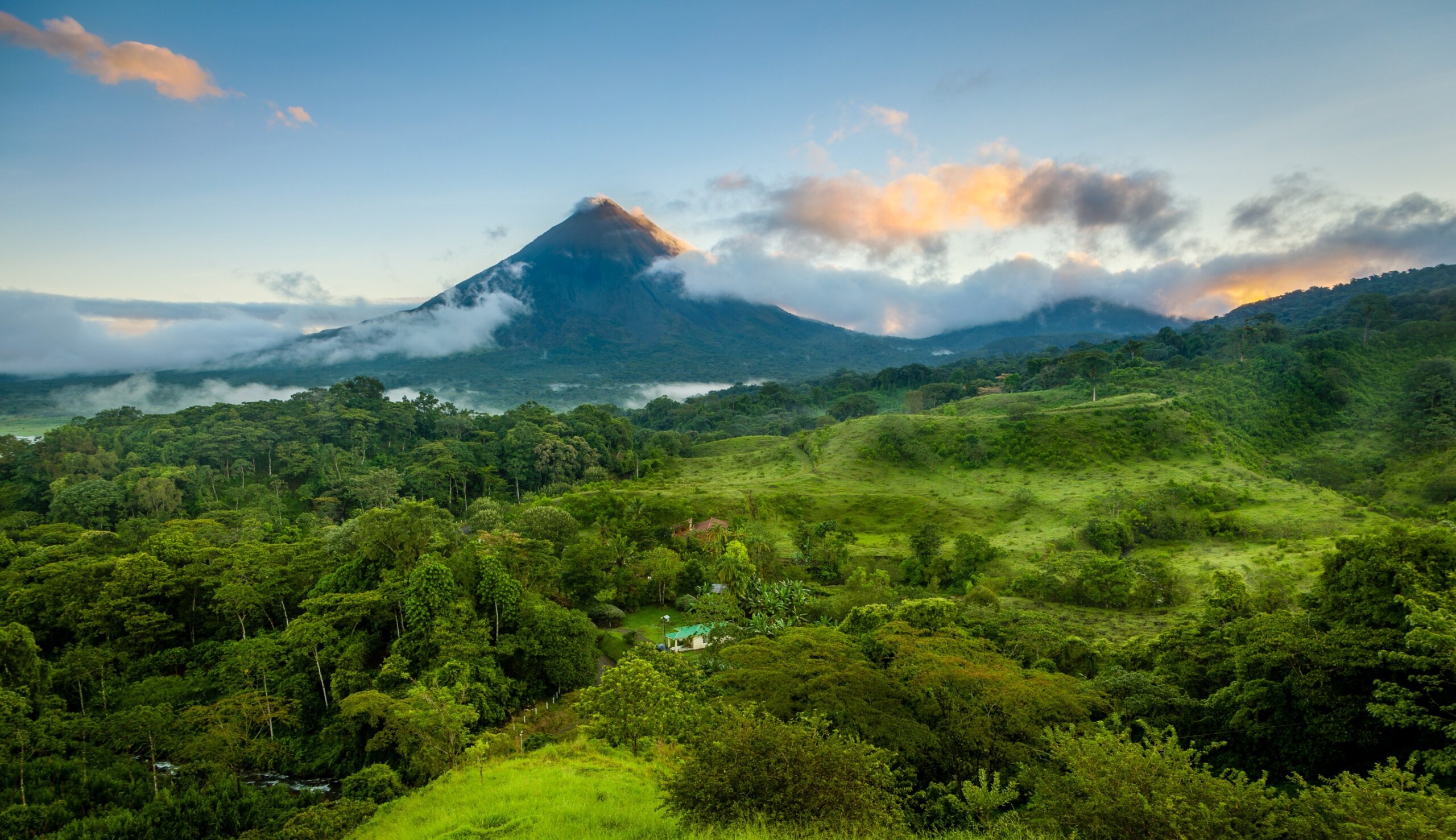
Northern Costa Rica’s Arenal Volcano rises above rainforest and Lake Arenal, known for a 1968 eruption that reshaped the region. Travelers explore Arenal Volcano National Park, visit nearby Chato Volcano, and unwind in the many hot springs and thermal resorts that surround the area.
White Island (New Zealand)
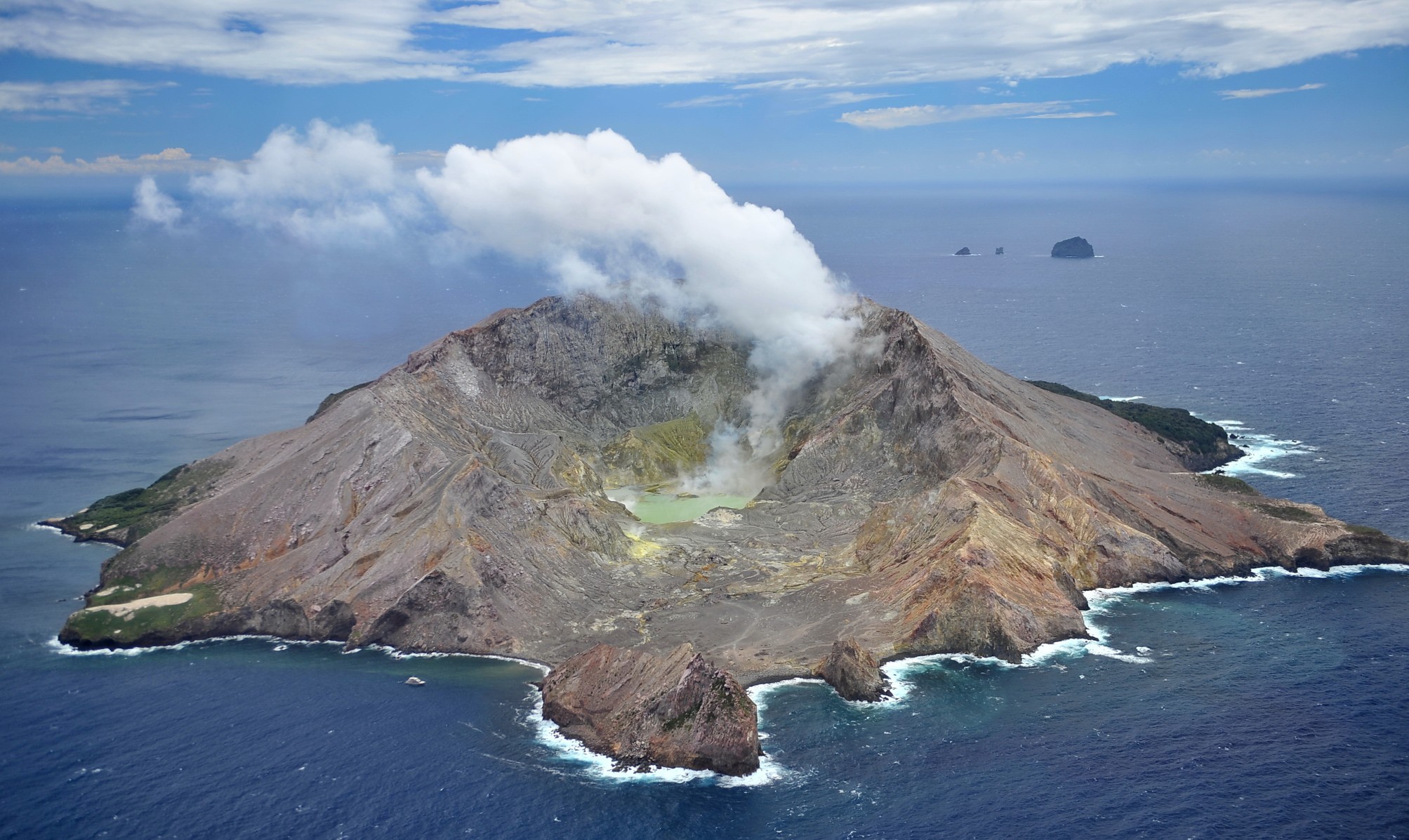
Guided tours to Whakaari / White Island reveal one of New Zealand’s most active volcanoes, where only a small portion rises above the Bay of Plenty. Visitors explore steaming vents, mud pits, and the remnants of an old sulphur works while wearing gas masks, with boat or helicopter access from Whakatane.
Mauna Loa (Hawaii)
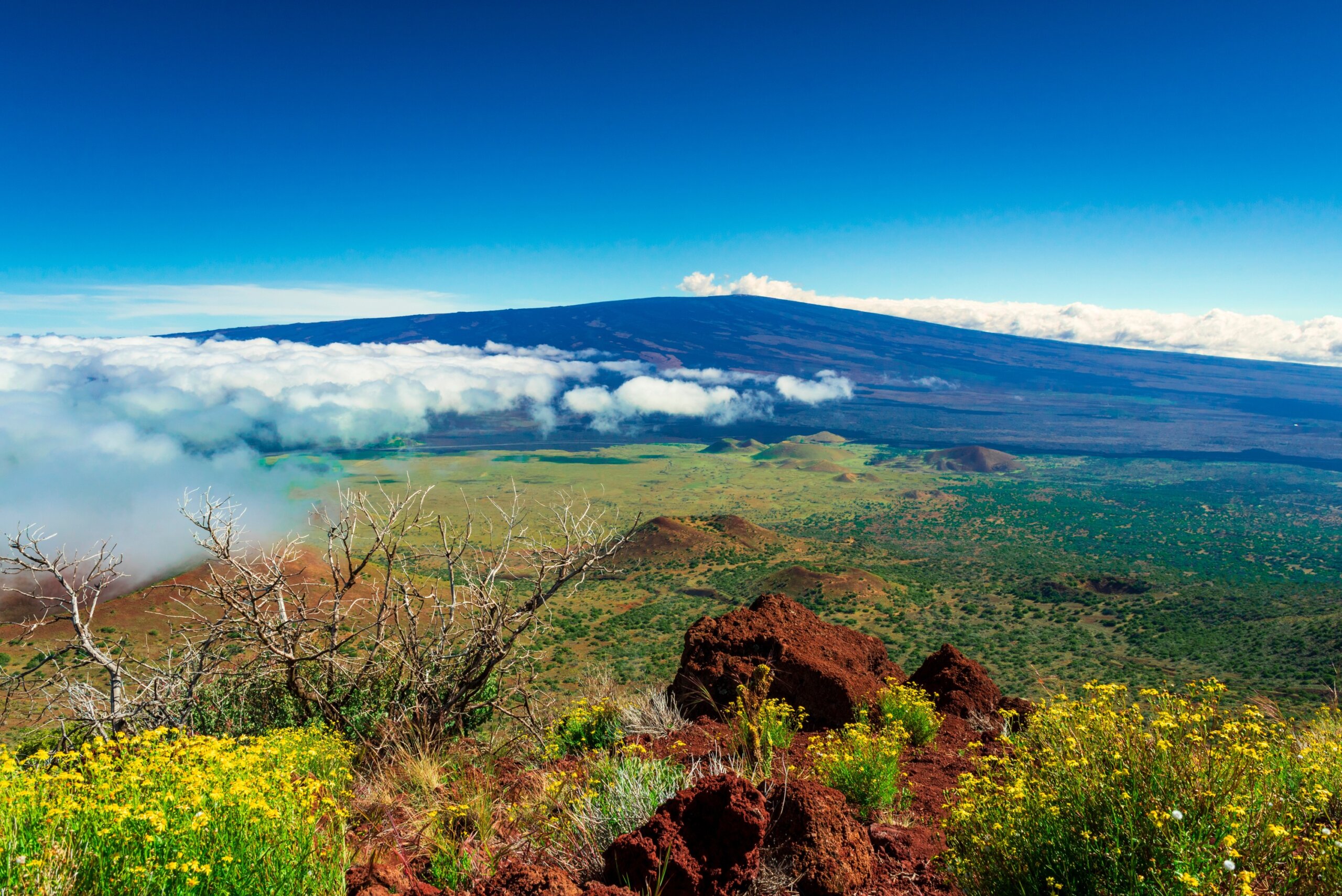
The massive profile of Mauna Loa dominates the Big Island, drawing visitors who want to see one of the largest volcanoes on Earth. Scenic drives lead through black lava terrain, and trails inside Hawaii Volcanoes National Park reveal how recent eruptions have reshaped the landscape, creating a rare chance to observe geological change up close.
Eyjafjallajökull (Iceland)
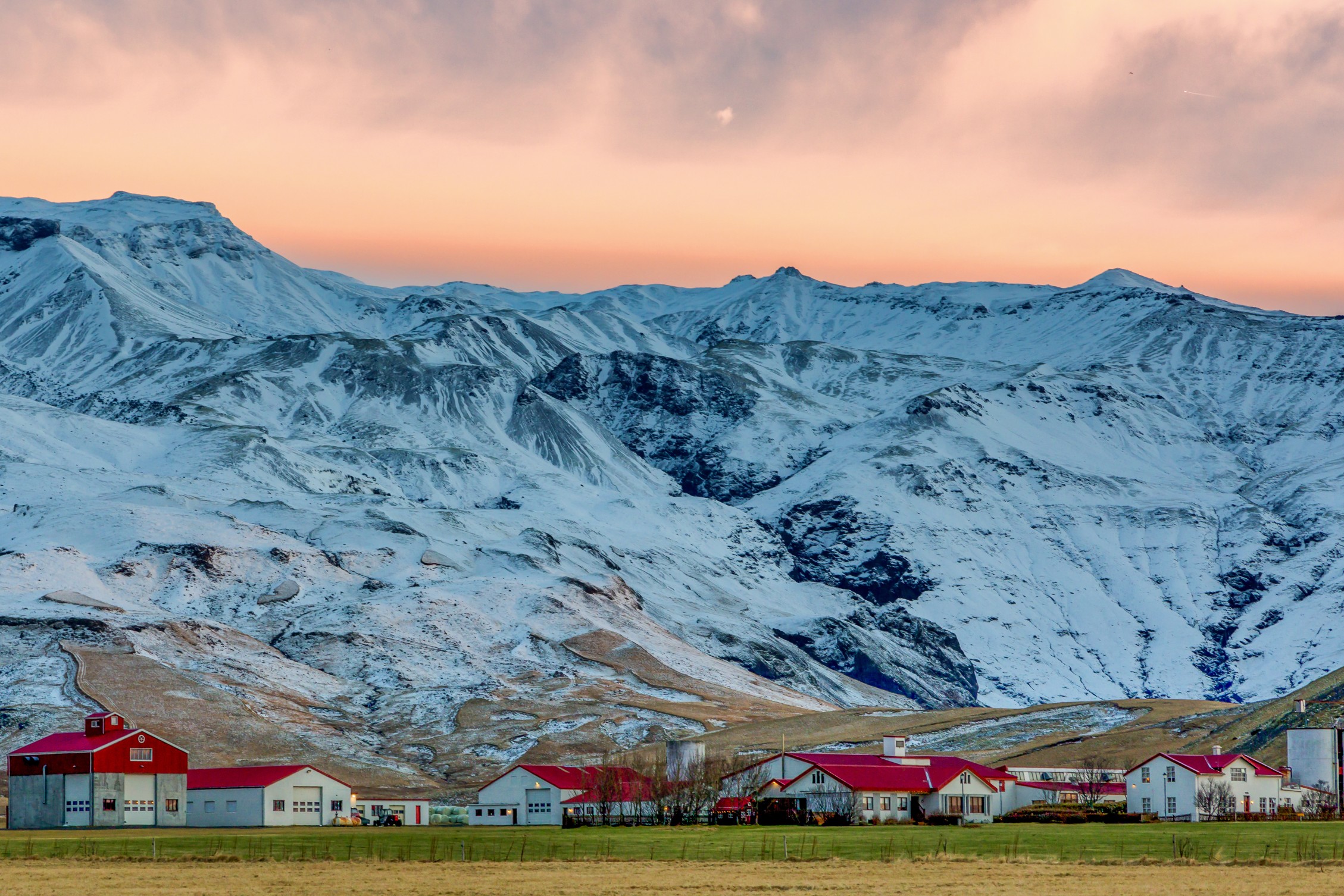
Travelers exploring southern Iceland often stop near Eyjafjallajökull, known worldwide for its disruptive 2010 eruption. Roads and viewpoints around the area provide striking looks at the glacier-capped summit and surrounding valleys, and visitors can learn about the event’s impact on aviation and local communities at a nearby family-run information center.
Where Will Your Volcano Adventure Take You?
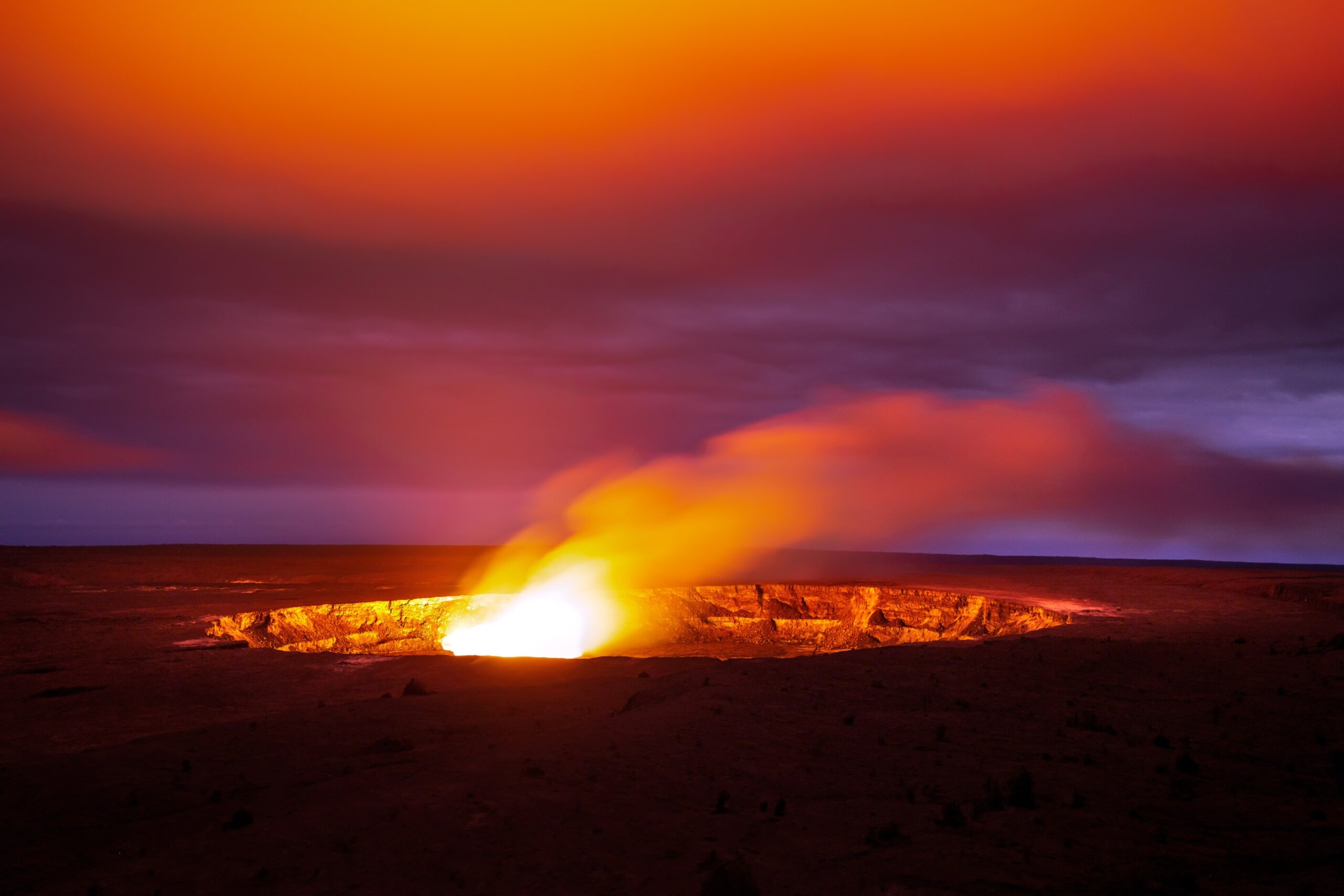
Standing near a volcano is not just about checking off a destination. It is about witnessing the earth in motion, feeling its power, and seeing landscapes shaped by fire and time. Whether you choose a guided hike up Mount Etna, a ferry ride to Sakurajima, or a scenic drive across Hawaii’s lava fields, these volcanoes you can visit right now offer unforgettable experiences for every level of traveler. With the right planning and respect for safety guidelines, active volcano travel can become one of the most extraordinary journeys you will ever take.
If this kind of adventure inspires you, here are a few more travel ideas worth exploring: