The Surprising Truth About South Korea and Why It’s Worth the Hype
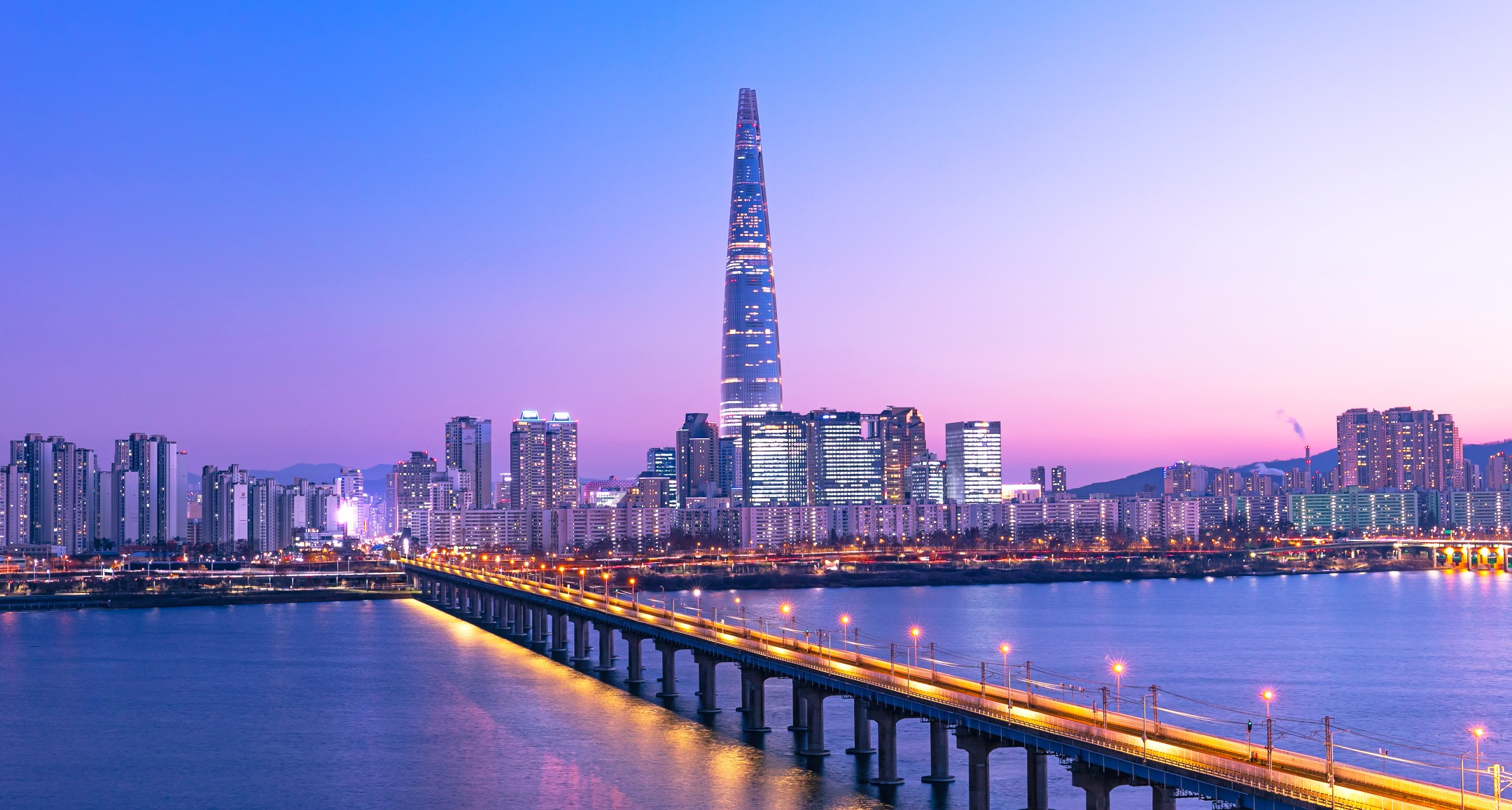
South Korea is easy to hype up from a screen: glowing streets, cool cafés, K-pop energy, perfect skincare shops, and food that looks too good to touch.
But visiting South Korea in real life comes with surprises people do not always talk about – from the pace of the cities to the small culture shocks that can catch you off guard.
At the same time, plenty of things really are as amazing as everyone says. The street food hits hard, the trains are smooth, the neighborhoods feel alive, and the mix of old palaces and modern towers is hard to beat.
So let’s look closer at both sides – the things nobody tells you and the reasons South Korea is still worth every bit of the hype.
1. Smoking Is Much More Common Than You Might Expect
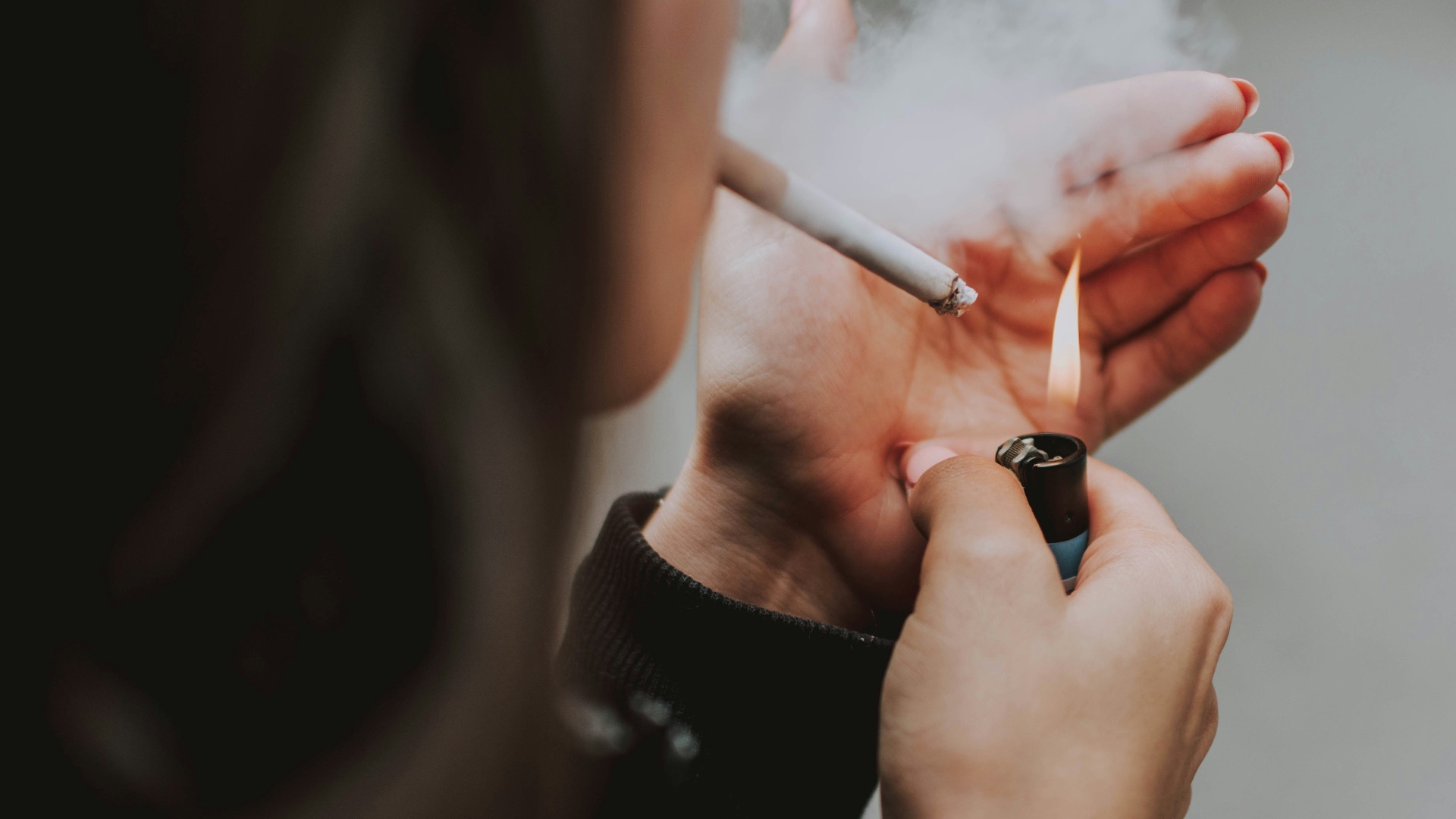
Smoking is incredibly common in South Korea, and many visitors notice it fast in places like Seoul, Busan, or Daegu. You may see clear smoke free signs and marked smoking areas, but that does not mean the air always feels smoke free.
Around crowded blocks, office streets, and nightlife zones, cigarette breaks are still part of daily life.
The surprise is where the smoke shows up. It can drift near sidewalks, subway station exits, restaurant doors, or packed streets where people are moving shoulder to shoulder.
If smoke bothers your throat or eyes, choose outdoor seats with care and step away from building entrances when crowds gather.
2. Directness Can Come Across as Curt
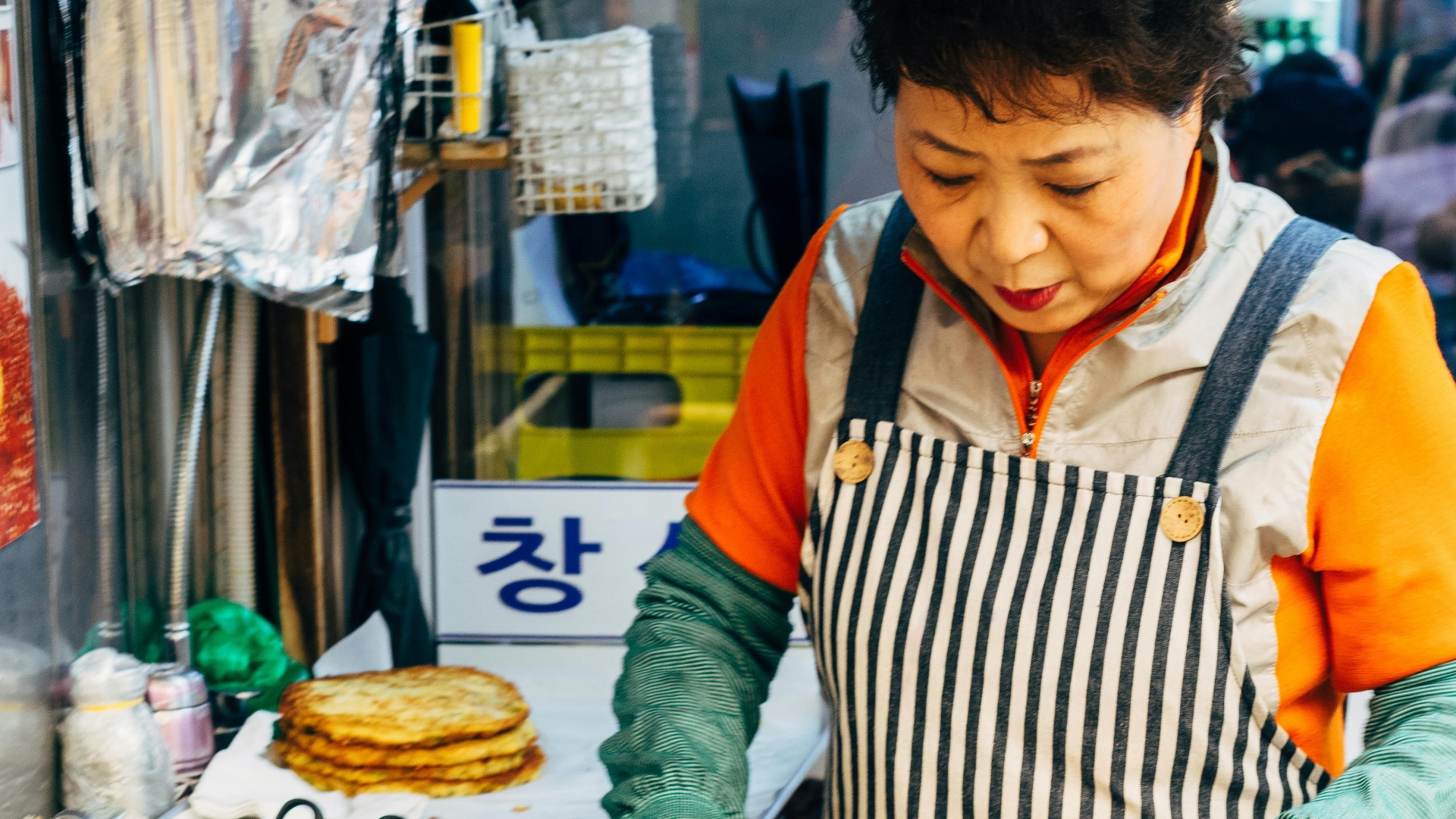
Directness in South Korea can catch visitors off guard. In a shop, market, subway station, or tiny restaurant, someone may speak quickly, point, answer with one word, or move on before you feel fully ready.
That can feel cold if you expect smiles and warm small talk. But most of the time, it is not meant to be rude. Busy workers repeat the same tasks all day, crowds move fast, and language gaps can make short answers seem sharper than they are.
A calm face, a simple “thank you,” and a little patience can change the whole moment.
3. Myeongdong Is More of a Tourist Trap Than a Hidden Gem
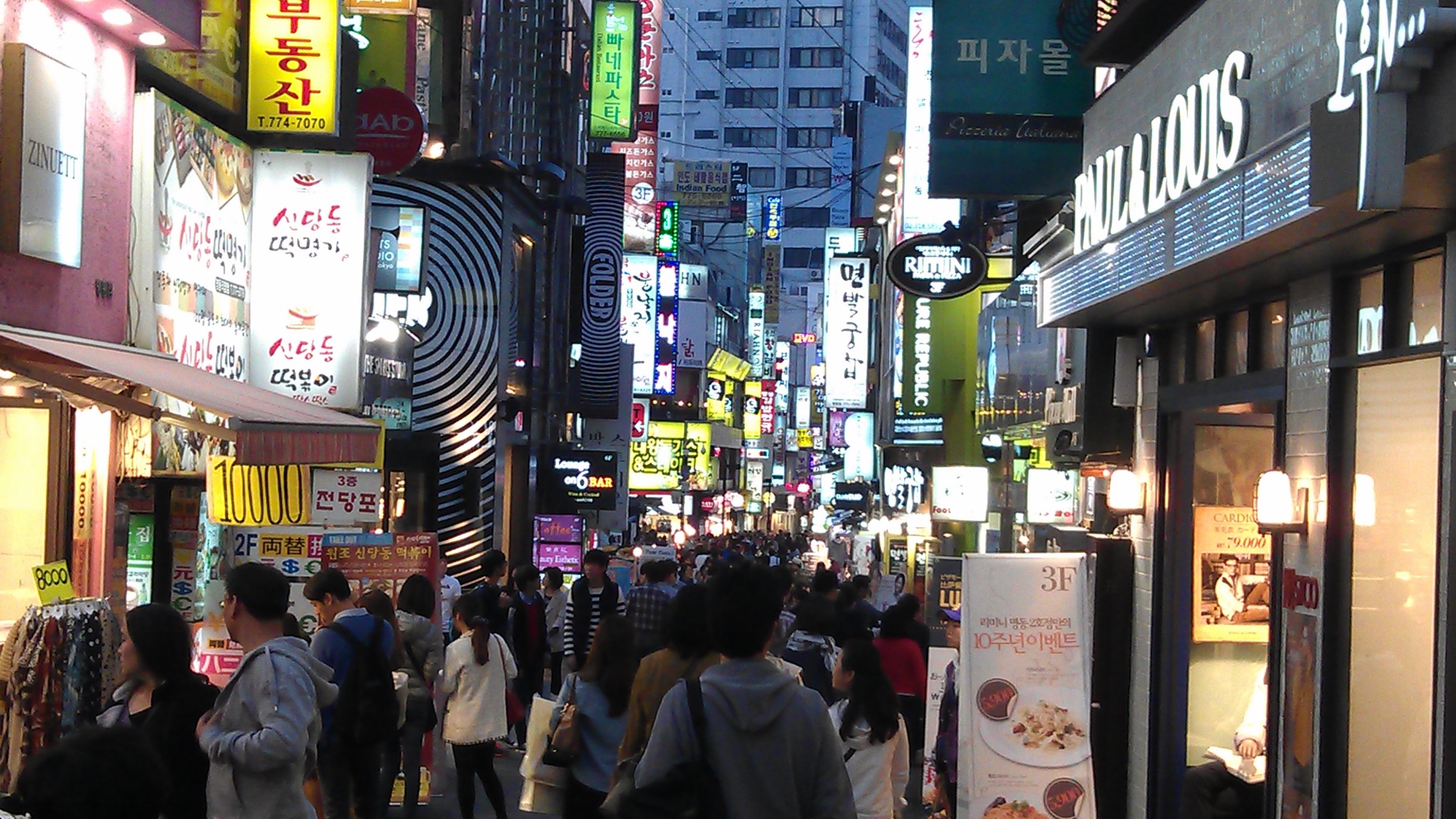
Myeongdong is famous for a reason. It is bright, busy, easy to reach, and packed with shopping, snacks, beauty shops, and big brand stores. But if you arrive expecting a secret local corner of Seoul, it may feel more like a clean travel show set than a surprise discovery.
That does not mean you should skip it. Myeongdong can still be fun, especially if you want skincare, street food, and bright night energy in one easy place. Just know what it is before you go.
For a more local feel, many travelers enjoy Ikseon dong, Seongsu, or Mangwon, where the city feels less staged and more lived in.
4. Lookism Plays a Major Cultural Role
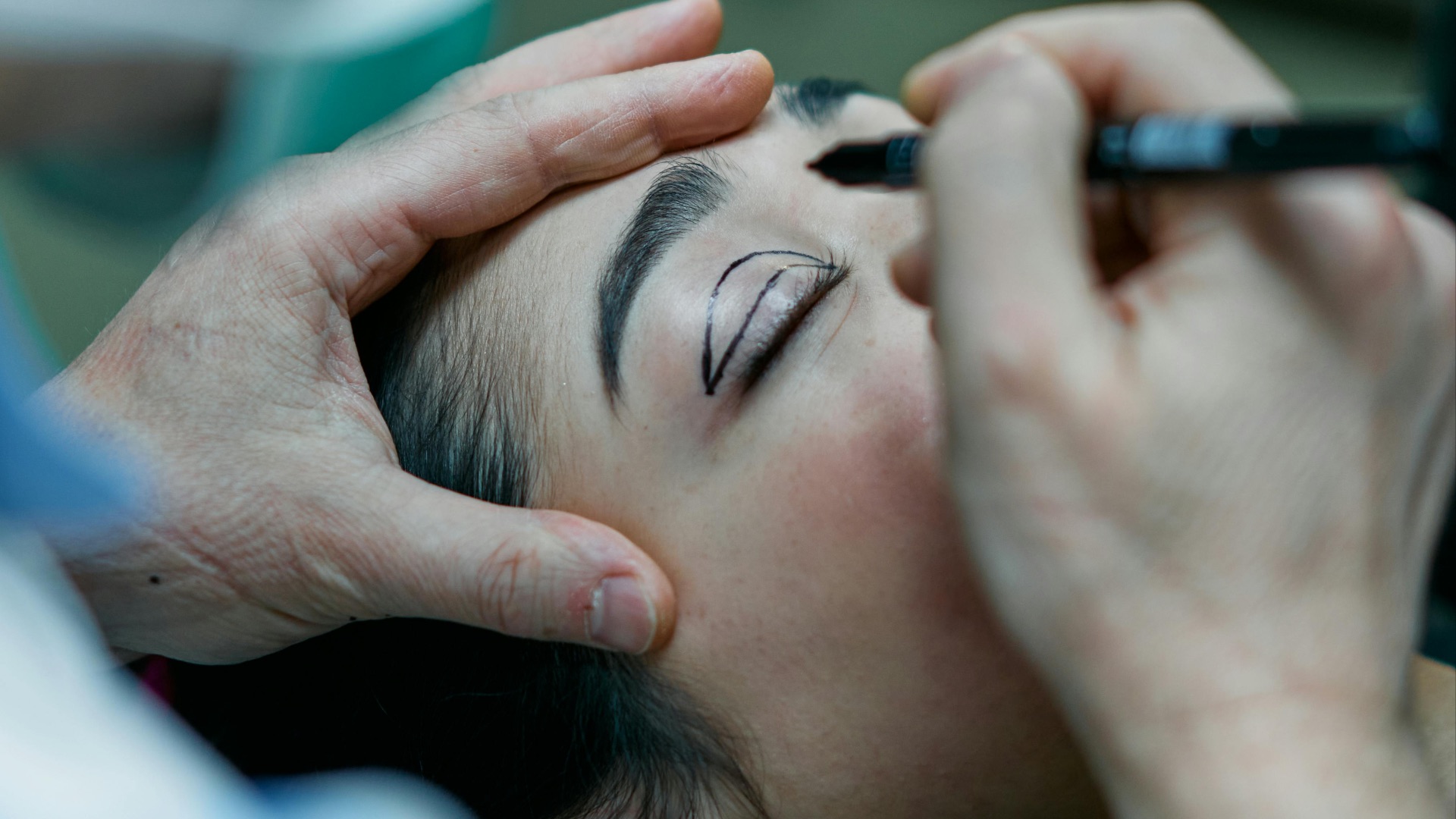
South Korea has a strong focus on looks, and visitors may notice that it goes far beyond skincare or makeup. In cities like Seoul, cosmetic surgery clinics can be a very visible part of major streets, right alongside shops, cafés, and ads. The message is not hidden.
It shows up in daily life and can be hard to miss.
What may feel most surprising is how normal the talk around it can seem. Procedures like double eyelid surgery or rhinoplasty may be mentioned as casually as getting a haircut or changing your style.
This is also a bigger cultural issue that many Koreans talk about and question themselves, so it is not a simple story. Still, for visitors who are not ready for how open and visible it is, that normal feeling can be pretty jarring.