20 Shipwrecks You Can Visit Without a Submersible
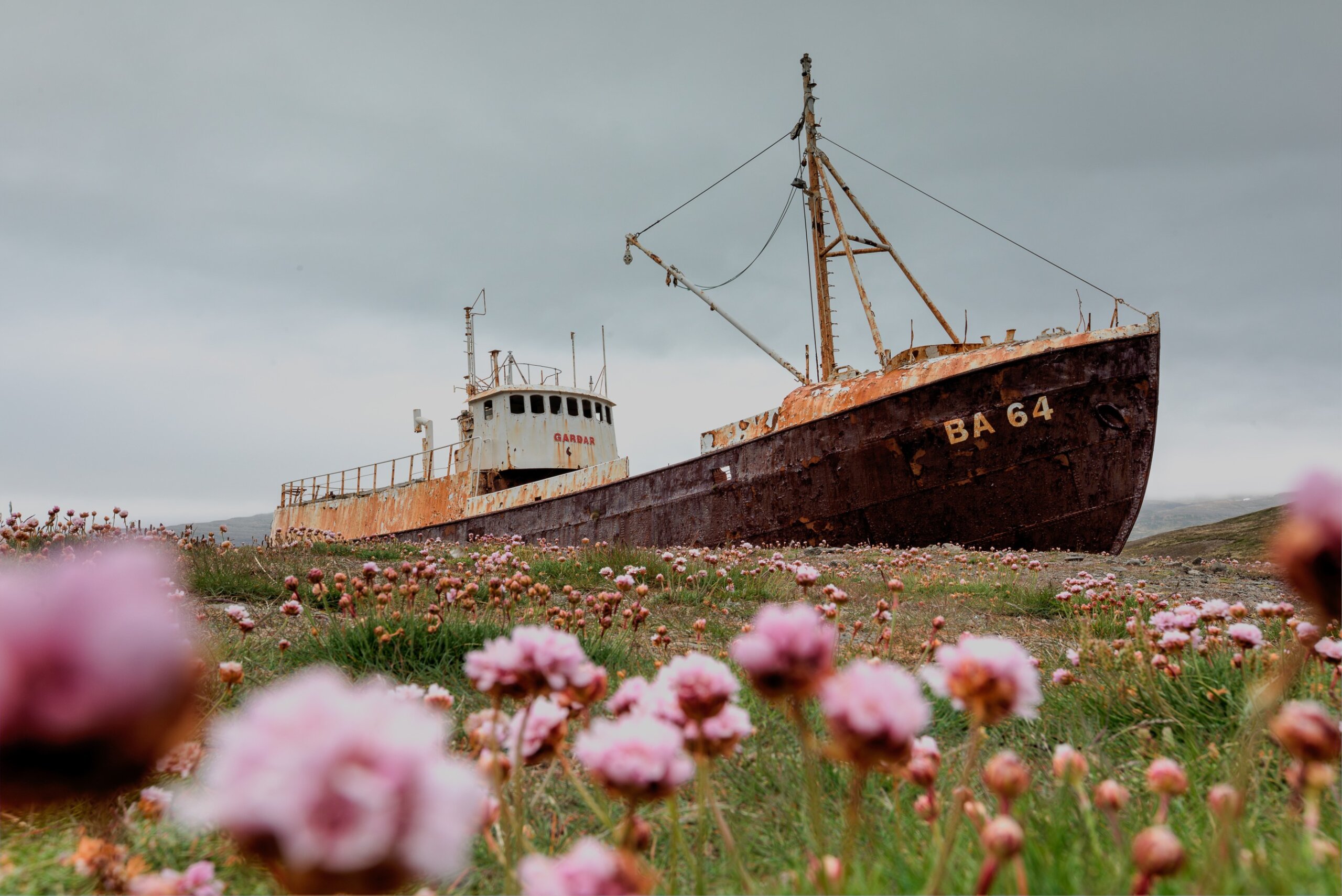
Fog shrouded coastlines, windswept beaches, remote deserts, and hidden forests all hide shipwrecks not at the bottom of the ocean. Some lie half-buried in sand, others still rise from the sea, but all can be visited without diving beneath the waves.
Here are 20 haunting shipwrecks you can experience up close, no submersible required.
Lord Lonsdale Shipwreck
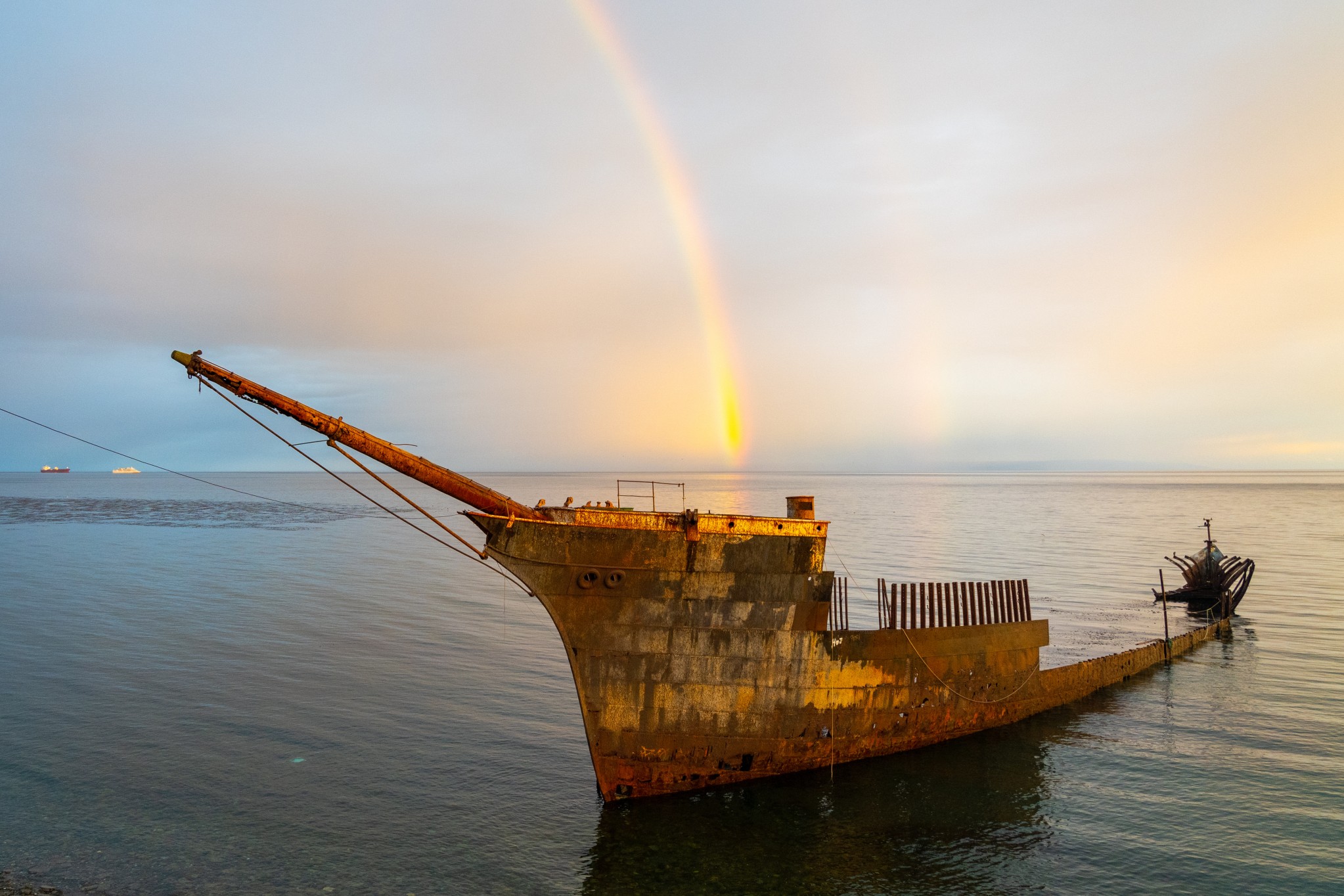
At the edge of southern Chile in Punta Arenas, the rusting remains of the Lord Lonsdale sit stranded along the shore. The British frigate caught fire in 1909 while traveling through the treacherous Strait of Magellan and was deliberately sunk to stop the blaze.
Somehow, later towed hundreds of miles north, the abandoned wreck has become a haunting monument to the sailors who once crossed these remote waters.
Chappaquiddick Shipwreck
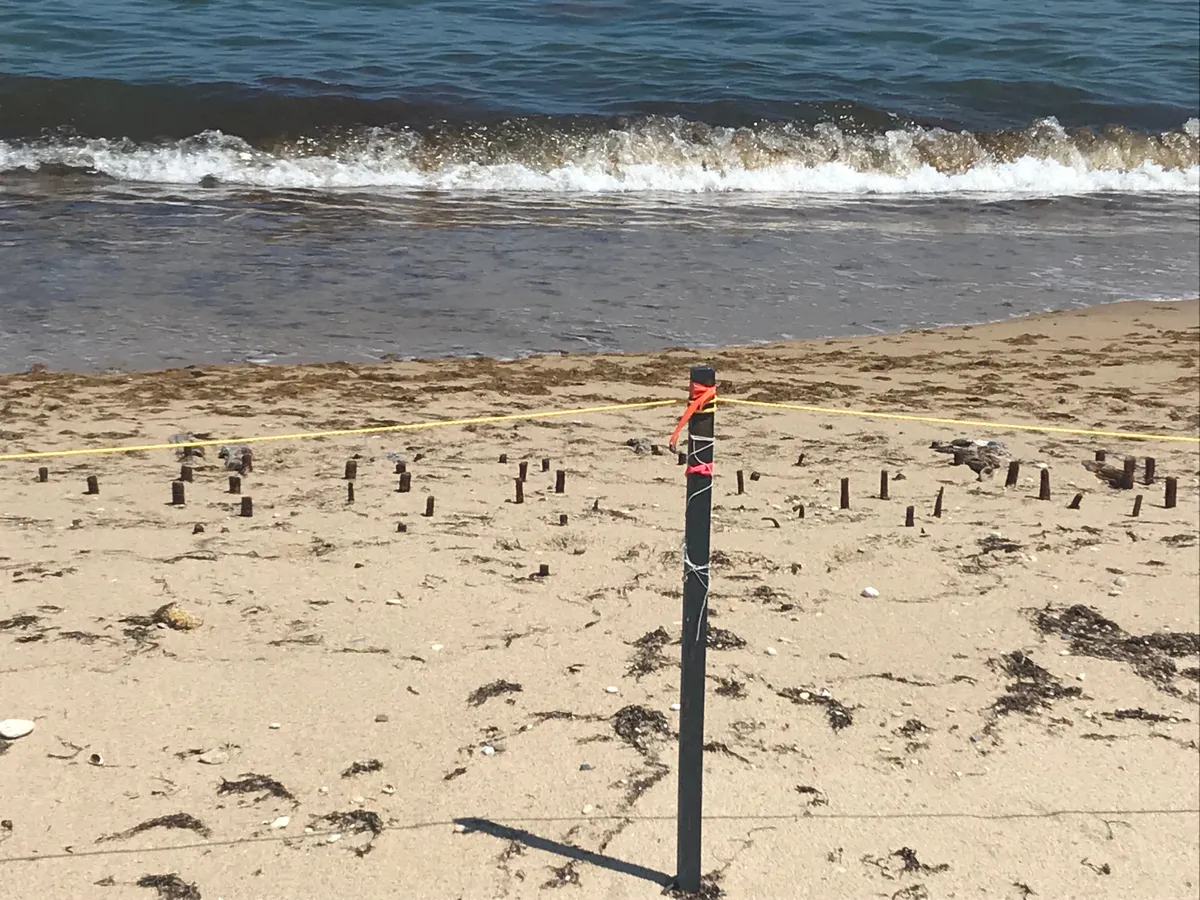
After violent winter storms battered Martha’s Vineyard in 1866, the schooner Christina capsized off nearby Chappaquiddick Island. Only one crewman survived, clinging to the mast for more than two days in freezing conditions.
More than 150 years later, storms uncovered weathered wooden remains on the beach, sparking an ongoing mystery that researchers now believe may finally be the long lost Christina herself.
Passages Shipwreck
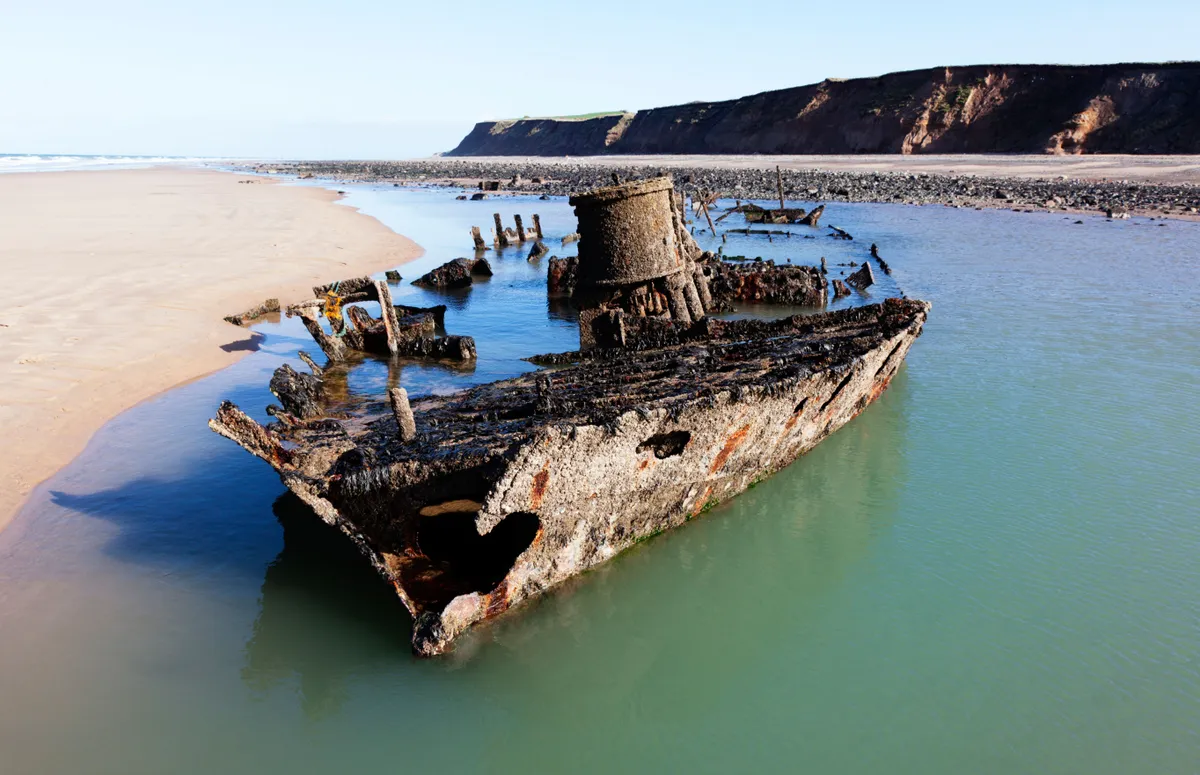
The wreck of the Passages still rests on Jurby Beach more than 90 years after the fishing vessel ran aground during a violent storm in 1931. All 13 crew members survived the dramatic rescue, but the ship never sailed again.
At low tide, visitors can still spot parts of the hull and engine emerging from the sand like a ghostly outline of the past.
Garðar BA 64 Shipwreck
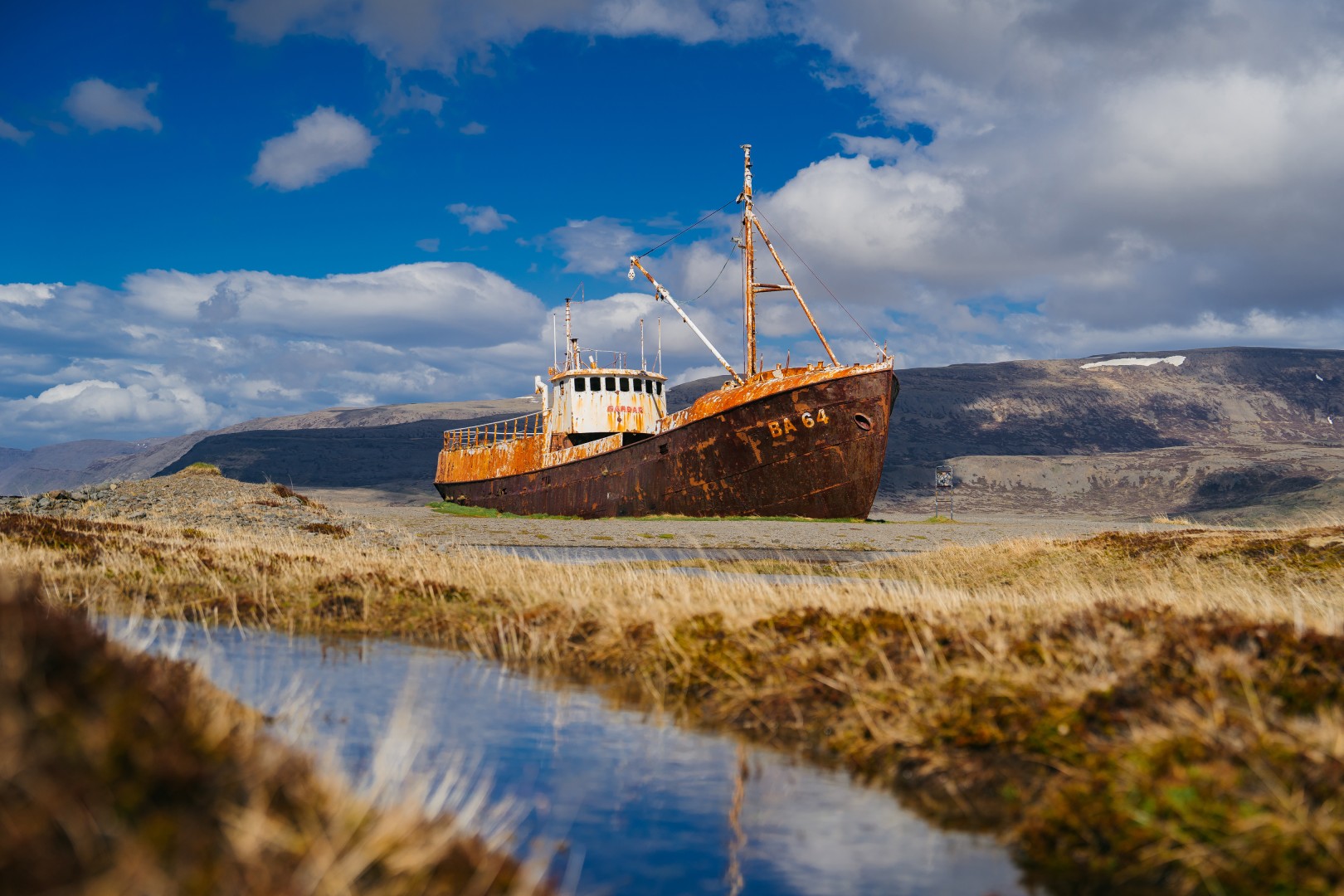
Launched in 1912 in Norway, the vessel later known as Garðar BA 64 began life as a cutting edge hybrid whaling ship, built to push through icy southern waters with both steam power and sail.
After decades changing hands across different countries, it ended its working life in Iceland’s fishing industry before being deliberately run aground in 1981 in Skápadalur Valley, where its rusting frame is now slowly decaying.