The Most Culturally Confusing Country in Europe (In the Best Way)
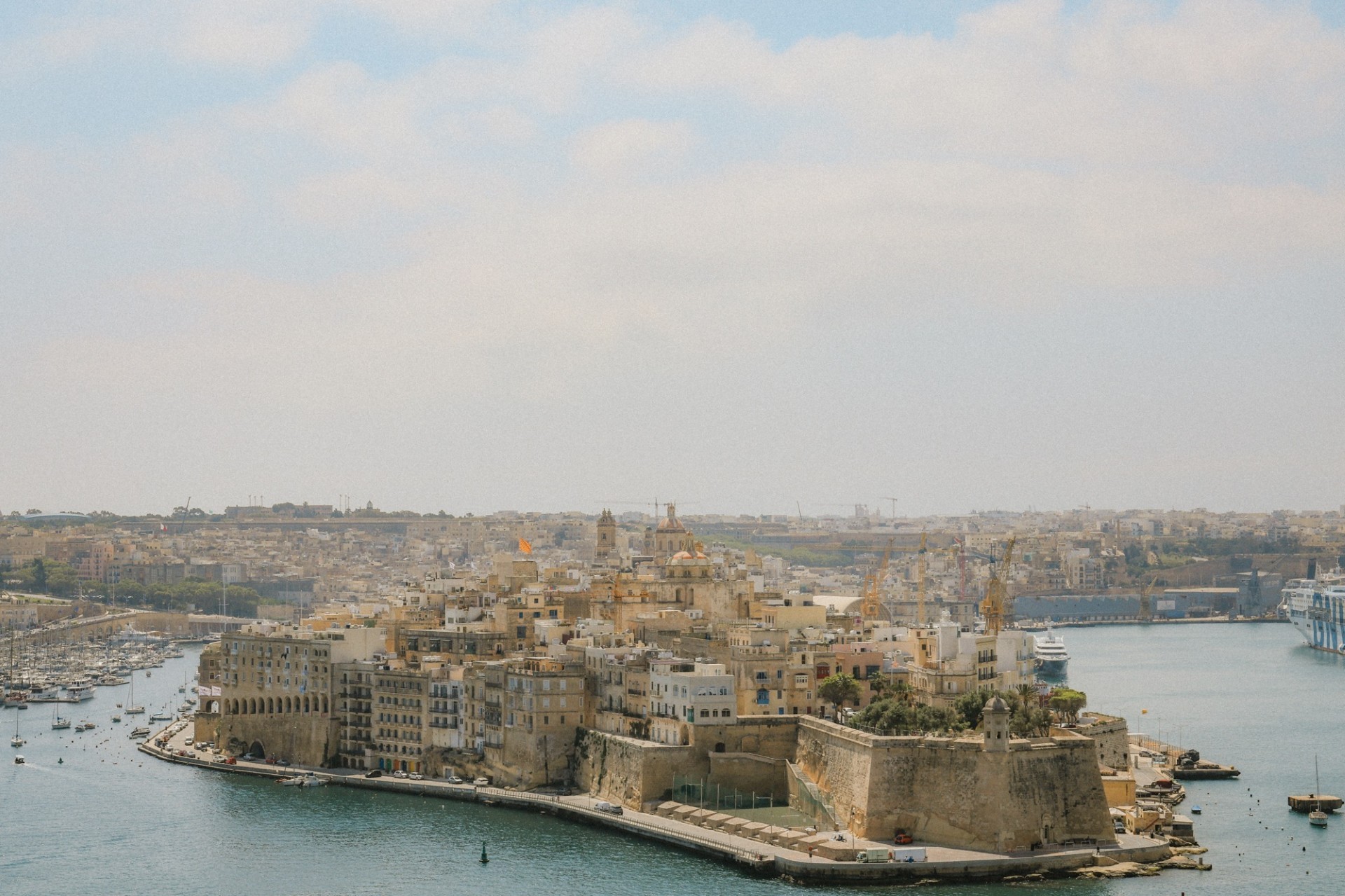
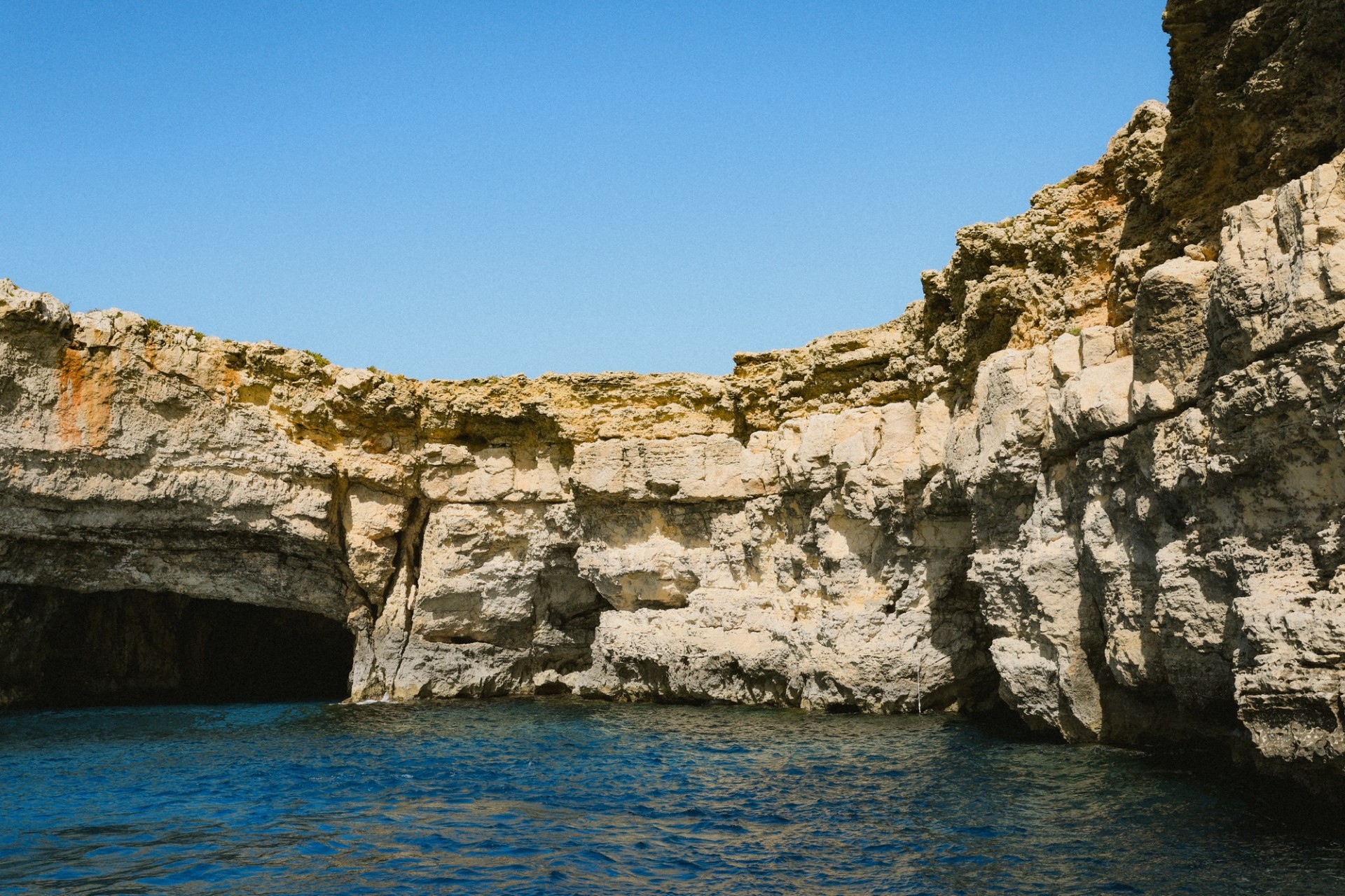
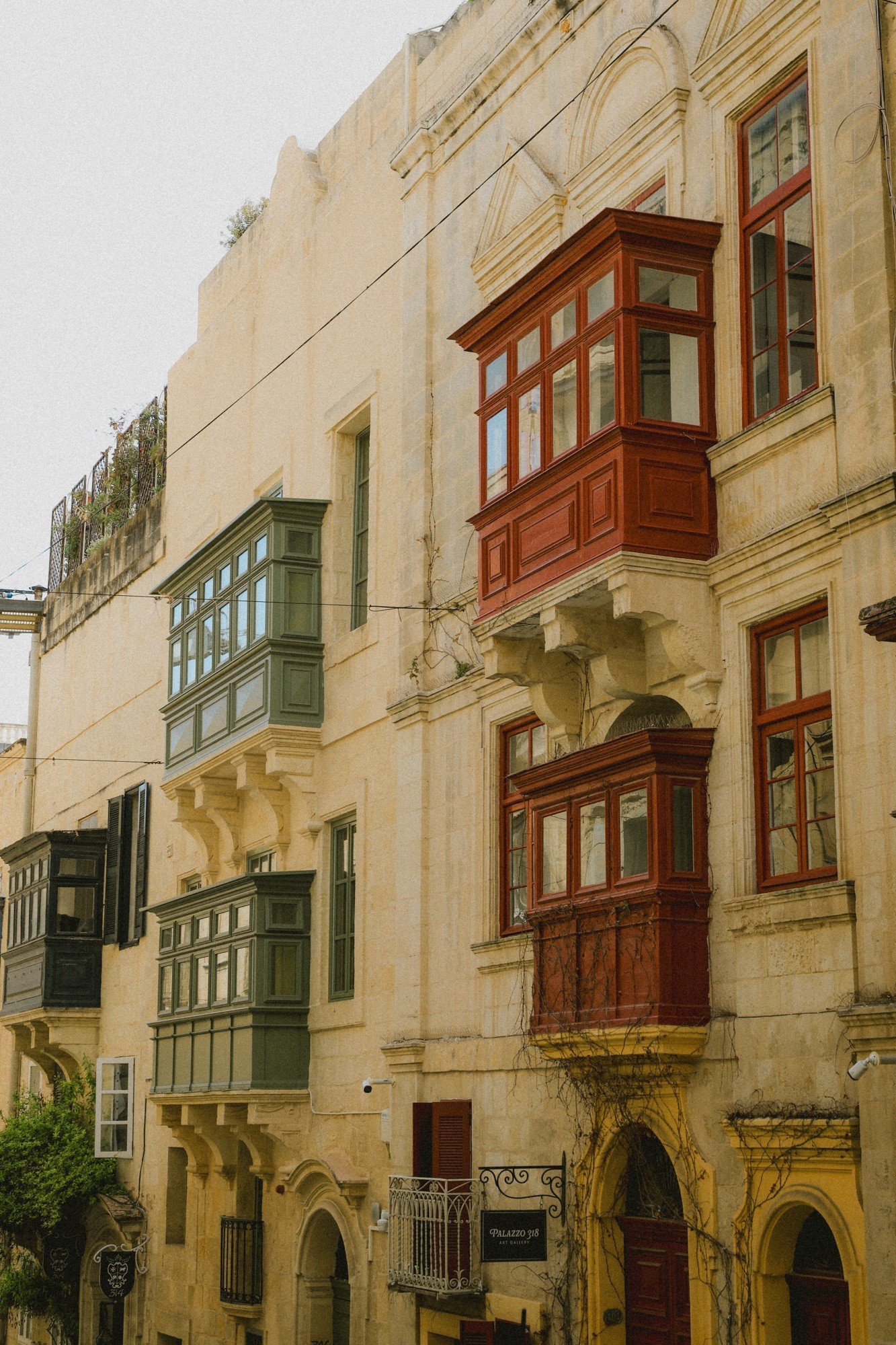
Malta is one of Europe’s most unique countries, and for reasons you might not expect. The country is undeniably beautiful. Full of stunning architecture, some of the bluest water I have ever seen, hundreds of impressive churches, and so many quaint medieval cities.
Walking around and exploring the country, I kept finding myself mentally blending together three countries that ultimately pieced together the vibe of the place. I explained to friends and family back home that the country felt like the perfect mix of Italy, Greece, and Morocco.
It felt like the country had such a blend of these three cultures in terms of vibe, architecture, and everyday life.
Now before diving into the history of the country and exploring more of the reasons behind the culture here, I did not realize how accurate this description actually was. There is a big reason why this country feels like such a blend of cultures and what makes it so unique.
The religion, the daily life, the architecture, the food, and the overall atmosphere is all a hybrid and blend of so many different places, and here is why.
Malta’s Geography Made It One Of The Most Important Islands In The Mediterranean
If you have never heard much about Malta or really learned about it, let us start with where this small island country is located. The island is positioned right in the center of the Mediterranean Sea.
It sits just south of Italy, specifically Sicily, and just north of North Africa, including Libya and Tunisia.
This location made the country an incredibly important naval base and a major hub for trade. It is a truly strategic spot in terms of geography, sitting right between two major parts of the world in the middle of the sea.
Whoever had control of Malta throughout history essentially had influence over key maritime routes. The power occupying Malta could influence trade, military movement, and broader regional control.
So instead of this island being a floating piece of nothing in the Mediterranean, it was constantly occupied by different powers who used its geographical position in very strategic ways.
Malta Became A Blend Of Countless Empires And Civilizations
Because of that location, Malta has been shaped by a long list of rulers and influences. Let us set a timeline to understand the major powers and occupations throughout history, because this is really where the cultural mix starts to make sense.
The Phoenicians Laid Malta’s Earliest Foundations
Starting around 800 BC, it was occupied and populated by the Phoenicians. These settlers came from the region of modern day Lebanon. They introduced some of the earliest known trade routes and used the island as a strategic maritime post for commerce across the Mediterranean.
They made use of the natural harbors on the island and laid early foundations for local culture, language, and religious influence. They also helped establish early settlements that would later evolve into important historic cities like Mdina and Rabat.
Roman Rule Connected Malta To The Wider European World
After that, around 200 BC, came the rule of the Roman Empire. The Romans ruled Malta for almost 750 years. Malta was part of the province of Sicily and was considered a prosperous and valuable territory.
The island was filled with Roman baths, villas, and continued use of its harbors for both trade and military operations. During this time, Roman religious practices and Latin language began to take hold.
The Latin influence became deeply rooted, and Malta became integrated into a much larger political system that connected it to the broader Roman world.