Historic Architectural Styles We Rarely See Today
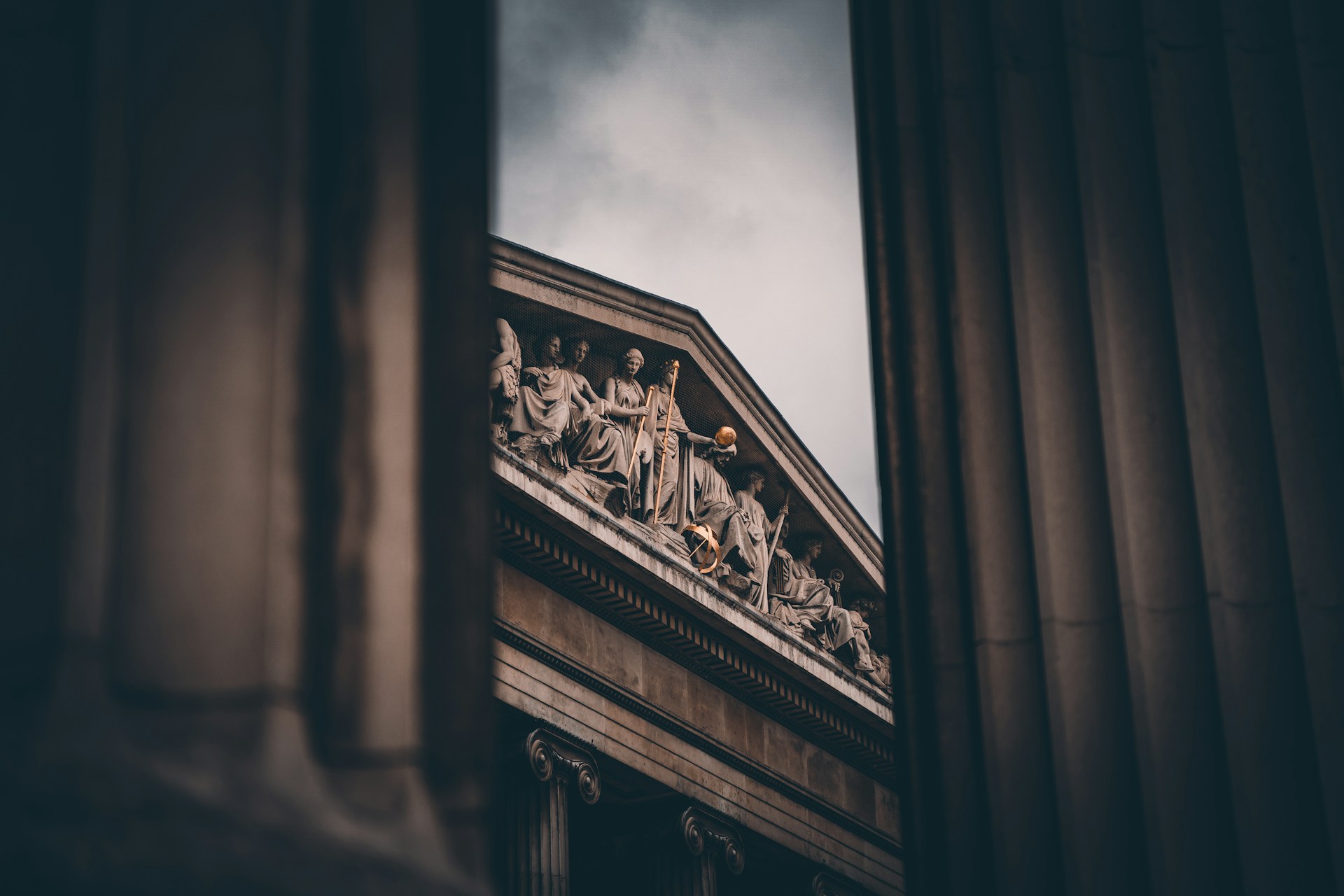
Some old buildings look like they came from a wild dream. They have towers, painted walls, strange shapes, carved faces, bright tiles, and roofs that seem to point at the sky. Many buildings today are made to be fast, neat, and useful, but older styles often feel like they wanted to tell a story.
You can still find that magic in old cities, museums, castles, temples, and historic streets.
So why did so many bold and beautiful styles fade away? Some were too costly, some took too long to build, and some simply fell out of fashion as the world changed.
Let’s take a look back at historic architectural styles we rarely see today – the kind that make you stop, stare, and wonder who dreamed them up in the first place.
Gothic
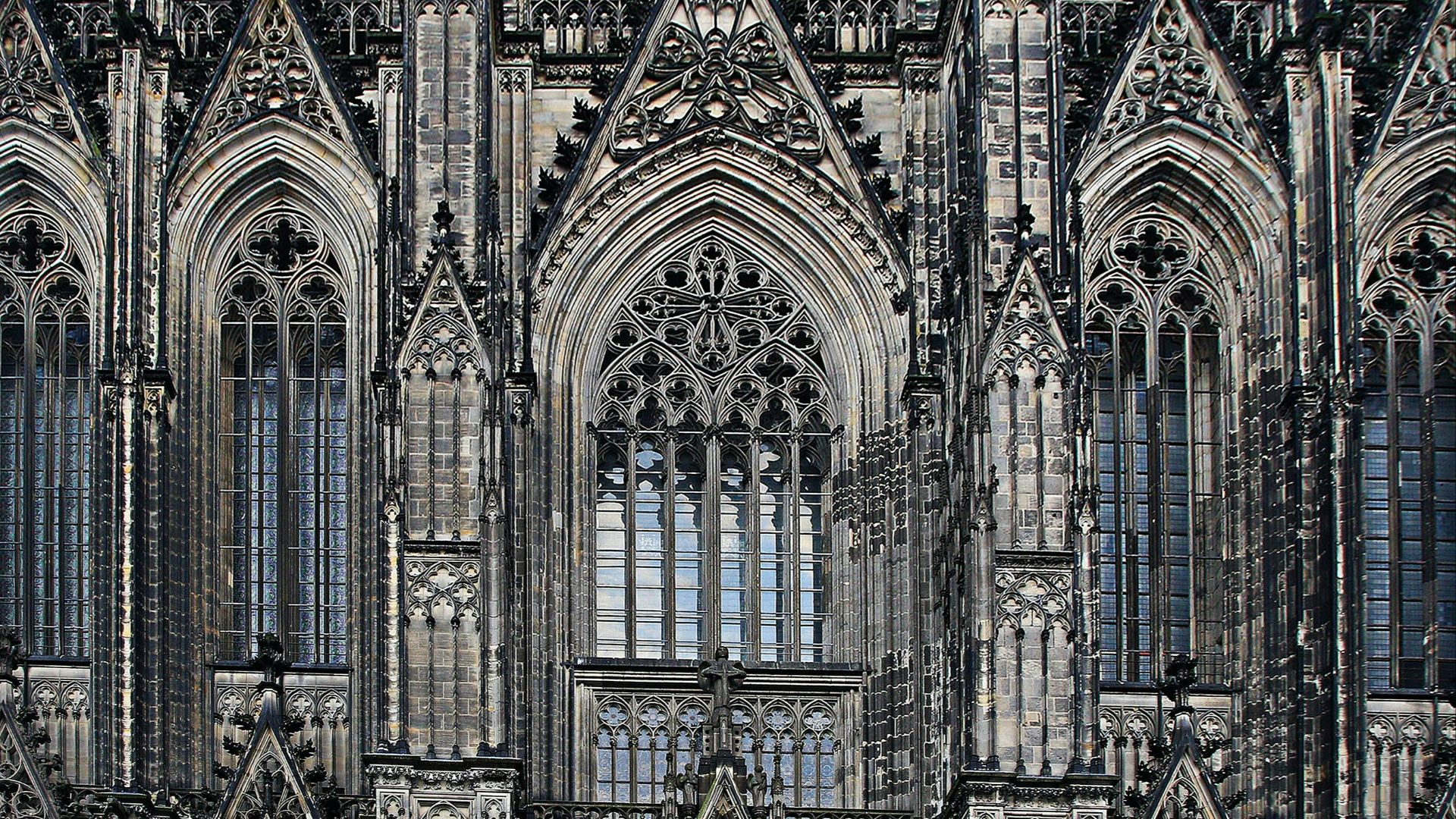
Gothic architecture grew from the older Romanesque style, but it chose a sharper, taller look. It first took shape in northern France during the 12th century, then moved through Europe as towns and church leaders built grand cathedrals.
In some places, people still used Gothic ideas into the 16th century.
Its best-known signs are pointed arches, flying buttresses, stone tracery – thin stone lines that hold window glass – and bright stained glass windows. These parts were not just for show: they helped walls carry weight, made room for bigger windows, and filled dark halls with color.
Neoclassical
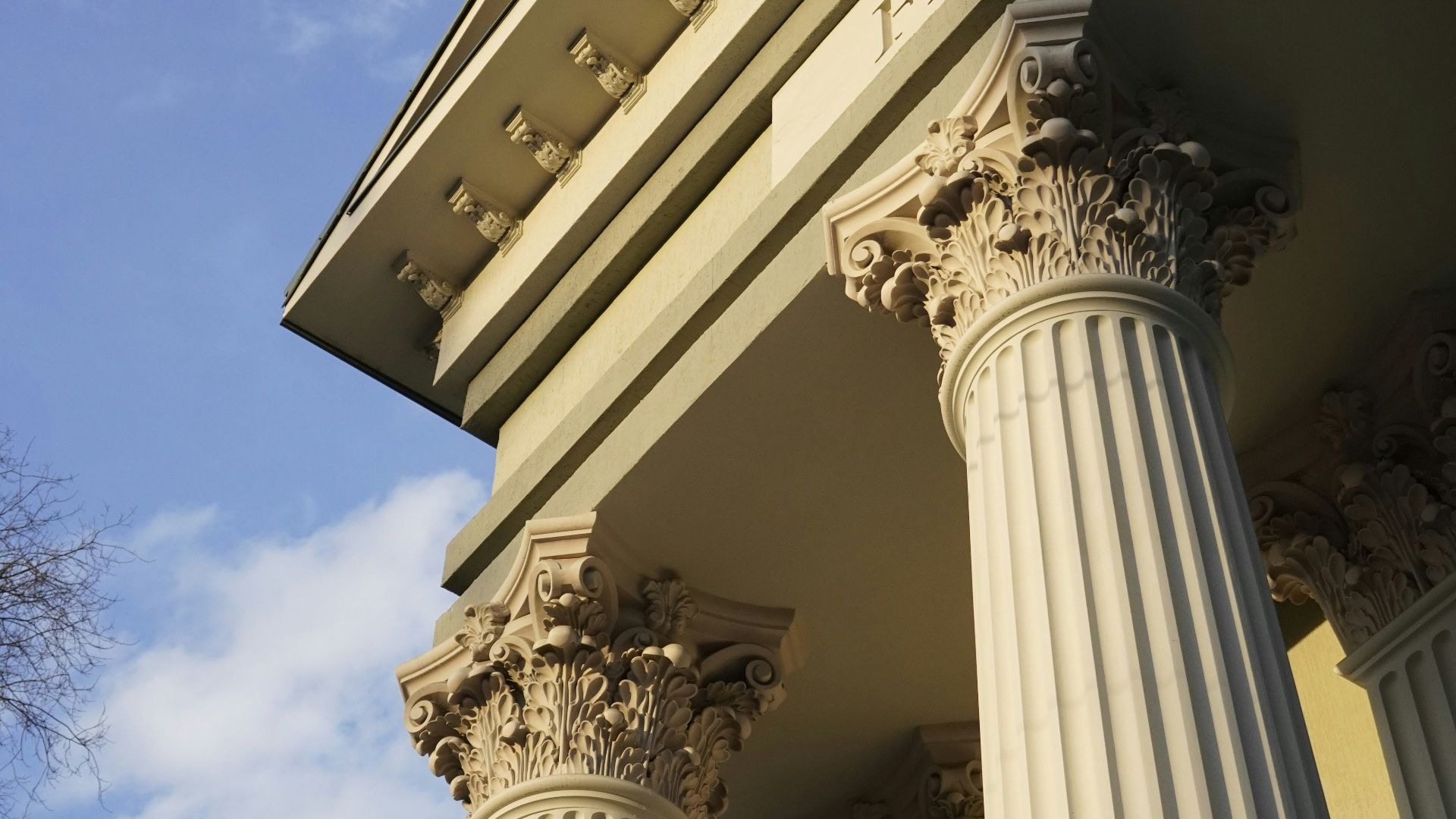
Neoclassical architecture was like Europe pressing rewind on style. In the 18th and early 19th centuries, architects looked back to ancient Greece and Rome, then brought those temple-like ideas into courts, banks, museums, and government buildings.
The goal was order, balance, and a calm kind of power.
You can often notice it by tall columns, matching sides, simple geometric shapes, and plain walls with little clutter. Instead of wild curves or crowded decoration, Neoclassical buildings stand straight and sure, like they are trying to look wise.
Today, we still see hints of it, but full Neoclassical design is much rarer.
Baroque
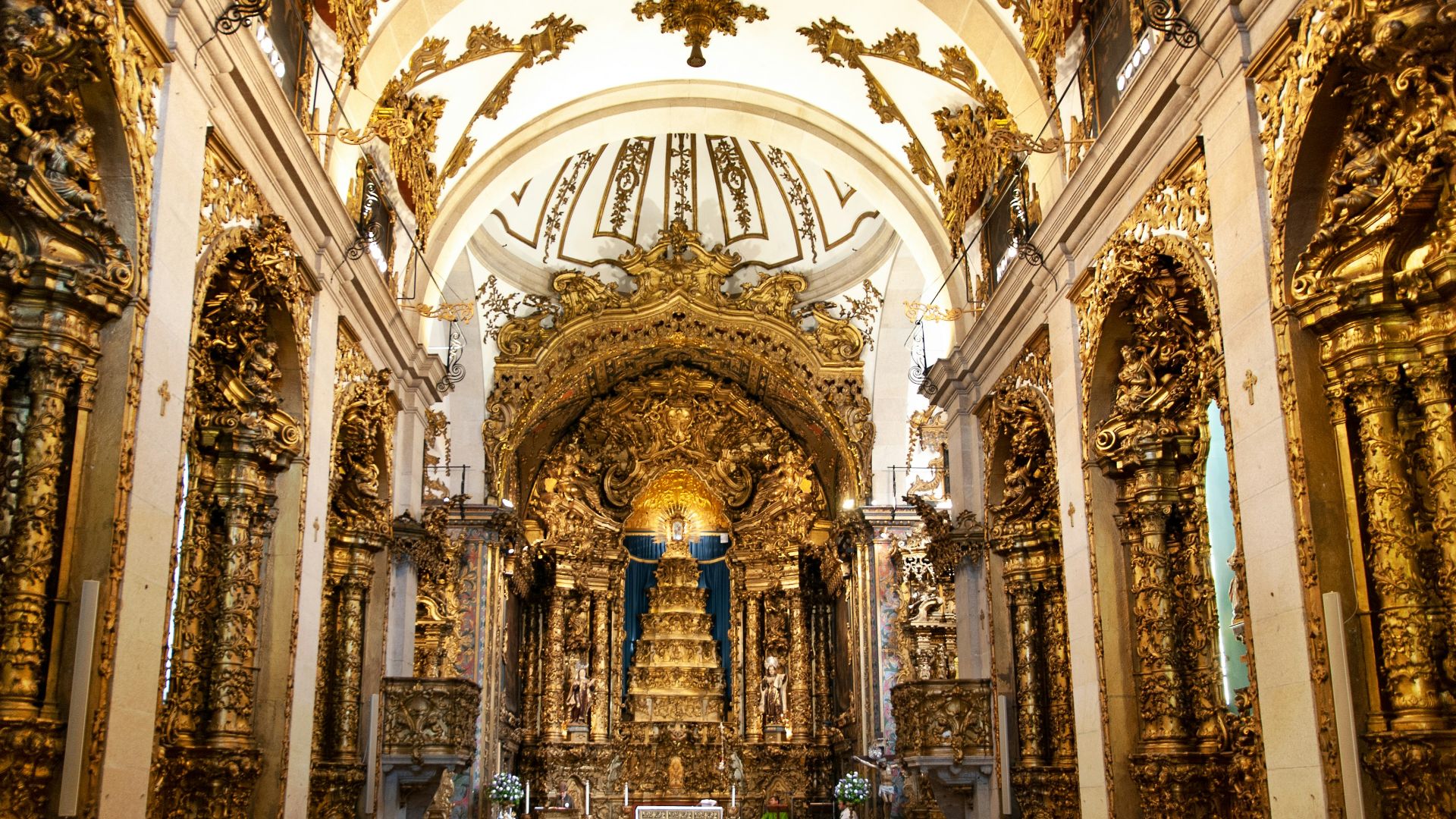
Baroque architecture shows why some old buildings feel almost like theater. It began in late 16th-century Italy, then spread across Europe as churches, palaces, and city spaces grew bigger and bolder. In some places, including colonial South America, the style lasted into the 18th century.
Baroque buildings often used grand scale, rich decoration, curved forms, and strong contrast between light and shadow. Walls could bend, ceilings could look like they were opening, and rooms were planned to pull you forward.
The key takeaway is simple: Baroque did not want to sit quietly – it wanted to move, surprise, and impress.
Victorian
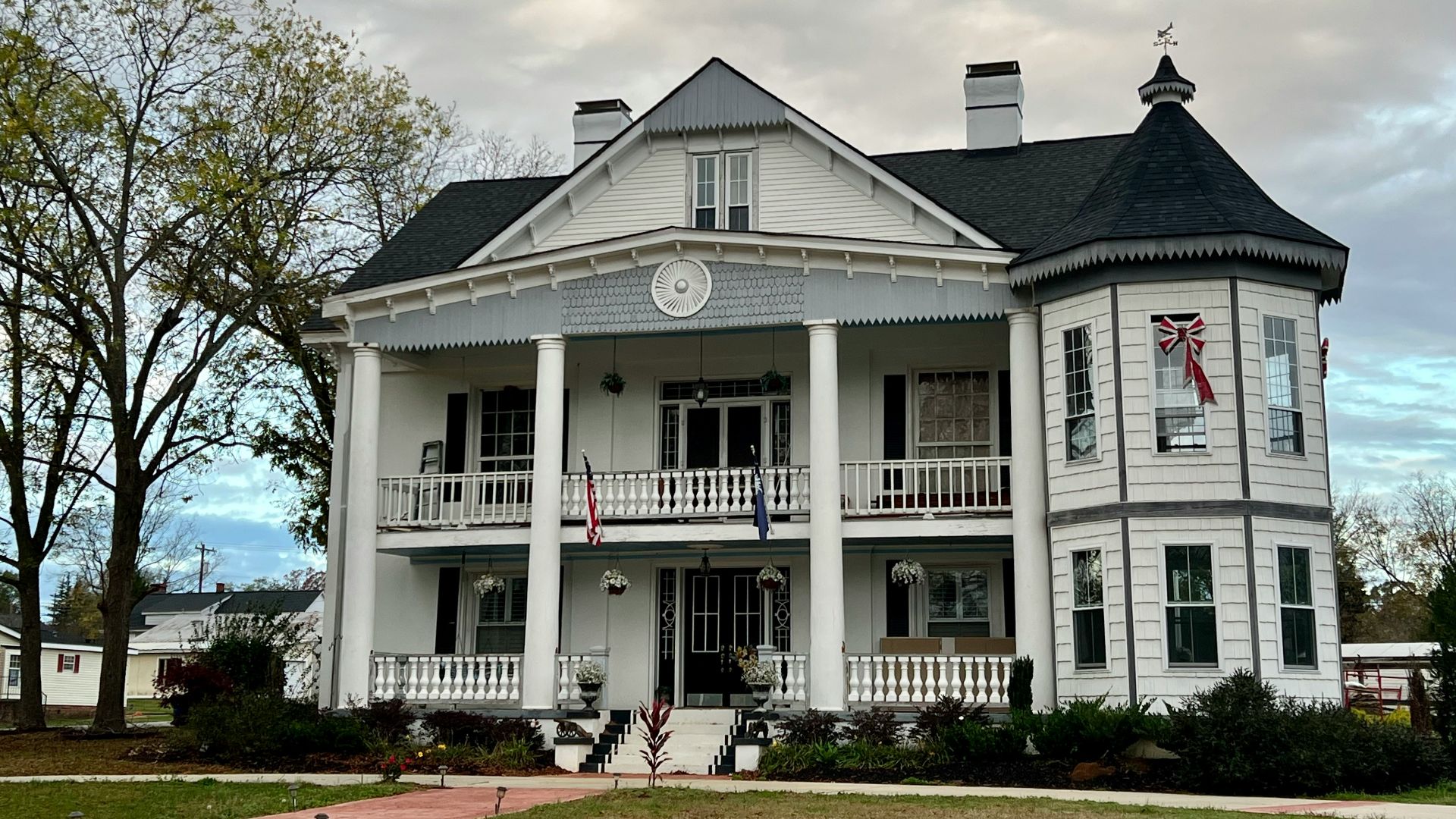
Victorian architecture came from Queen Victoria’s era, roughly 1837 to 1901. It was not one single look. It mixed older ideas, like Gothic Revival and Italianate, into homes and public buildings that often felt busy, bold, and full of personality.
You can know a Victorian building by its steep roof, tower or turret, fancy trim, porch, and asymmetrical shape – meaning the sides do not match perfectly. These buildings often look like they were built with a playful mood, but making them today would take time, skill, and money.