Europe’s Most Remarkable Cathedrals: Places Where Stone, Light, and Time Come Together
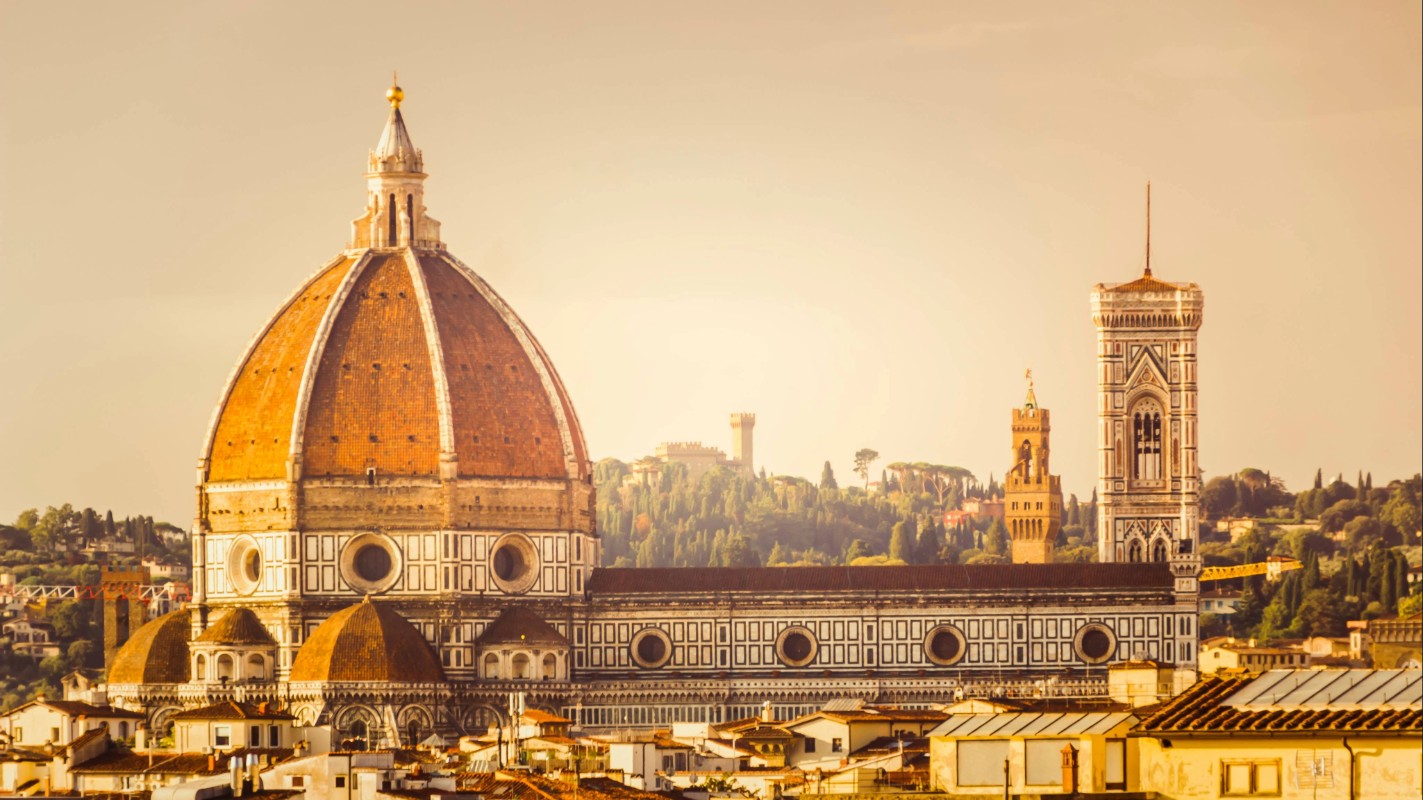
Cathedrals were never built to blend in. They were designed to anchor a city, reflect certain beliefs, signal power, and display the capabilities of the people who built them.
Across Europe, these structures took decades, sometimes centuries, to complete. Each one carries the mark of the time and evolving ideas about how a space should function. What stands today isn’t a single vision, but a layered record of everything that came before it.
Notre-Dame | Paris, France
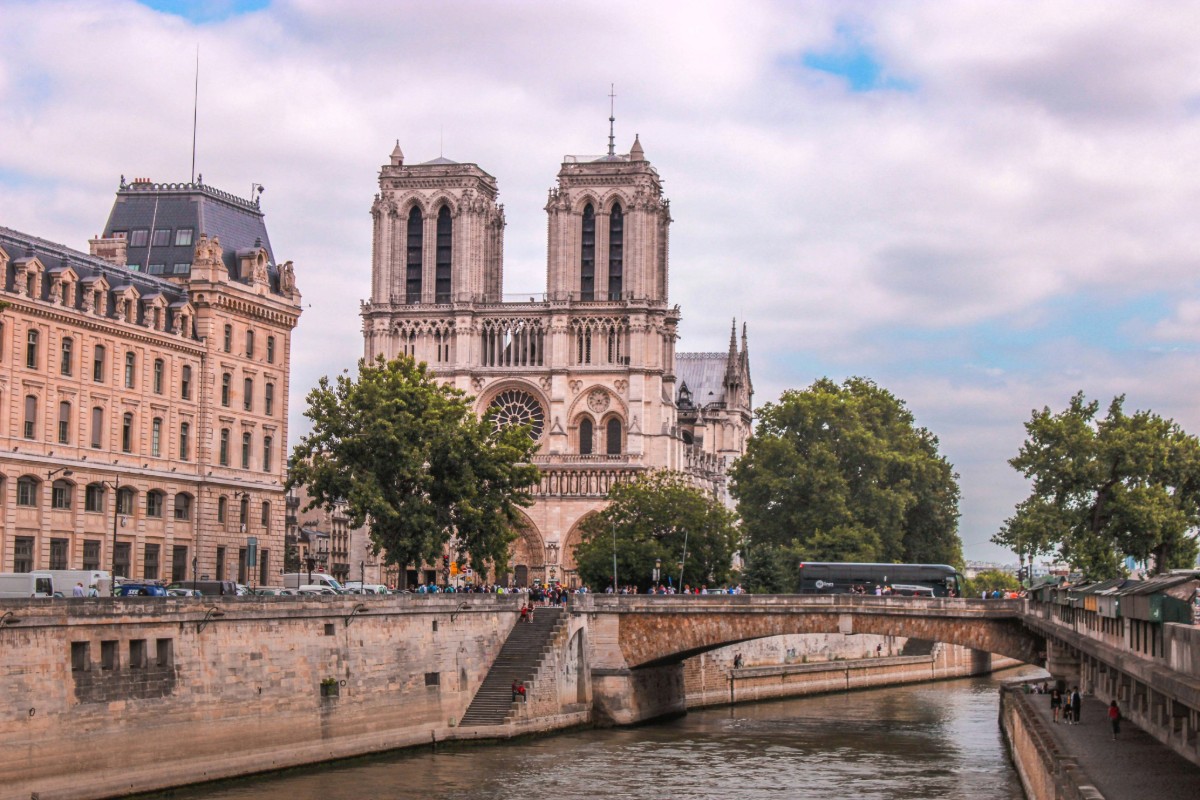
At the heart of Paris, Notre-Dame took shape over nearly two centuries, beginning in 1163 under Bishop Maurice de Sully. It quickly became important to both religious and civic life, hosting coronations, major ceremonies, and public gatherings.
After periods of neglect, particularly following the French Revolution, the cathedral underwent a major 19th-century restoration that shaped what we see today.
Inside, the church reflects classic Gothic engineering. Ribbed vaults and flying buttresses redistribute the weight outward, allowing the walls to open for the stained glass, rather than just the stone.
The three rose windows are the clearest example of this, casting light across the nave in a beautiful way that changes throughout the day.
Sagrada Família | Barcelona, Spain
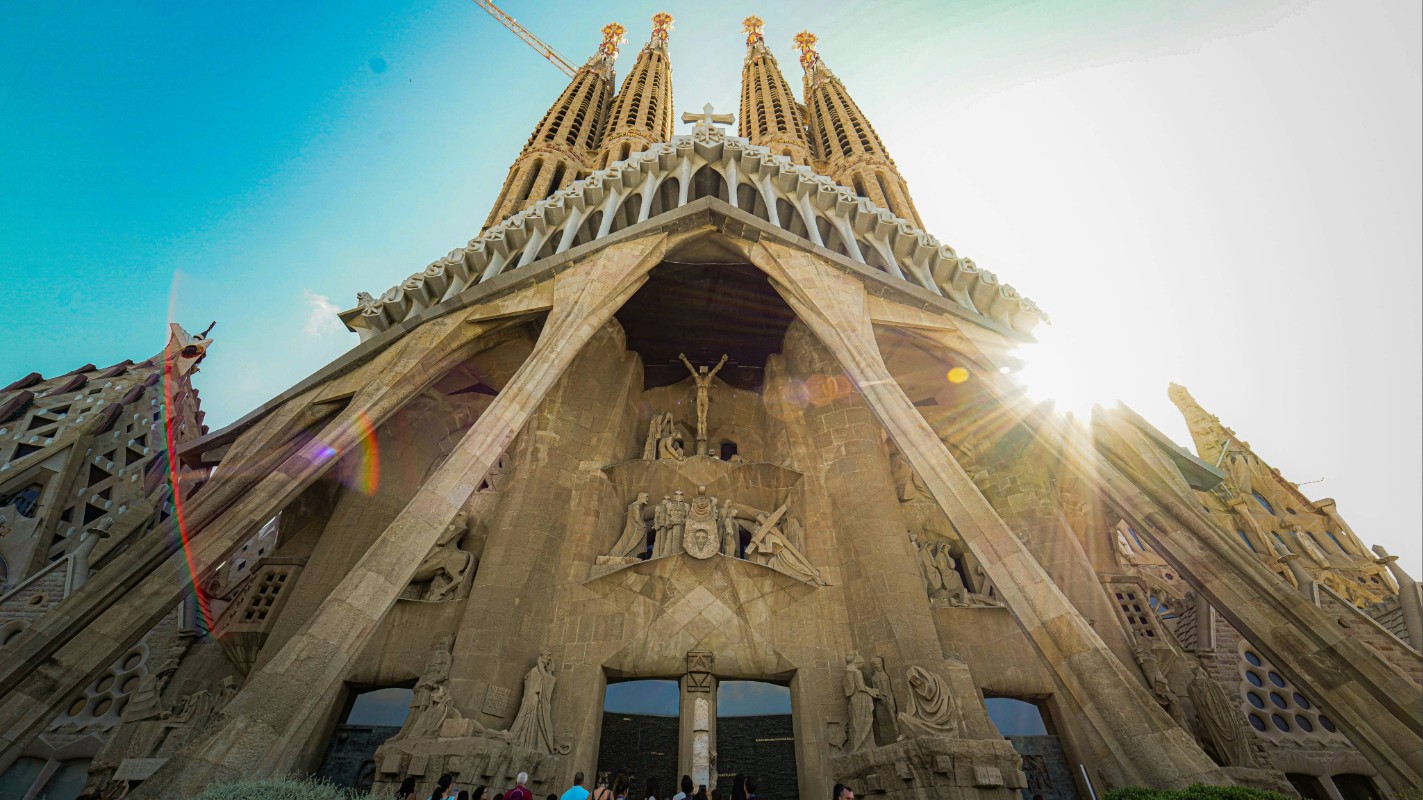
What began in Barcelona as a conventional church in 1882 completely changed direction when Antoni Gaudí took over the project. Gaudí reworked the design using natural geometry and structural forms inspired by trees, light, and movement. Construction is still ongoing today, guided by his original models and plans.
Inside, columns branch outward like a canopy, distributing the weight while shaping the interior. Light plays a central role here, as well.
The stained glass is arranged by color, with cooler tones on one side and warmer tones on the other, so the interior changes as the sun moves across the sky each day.
Cologne Cathedral | Cologne, Germany
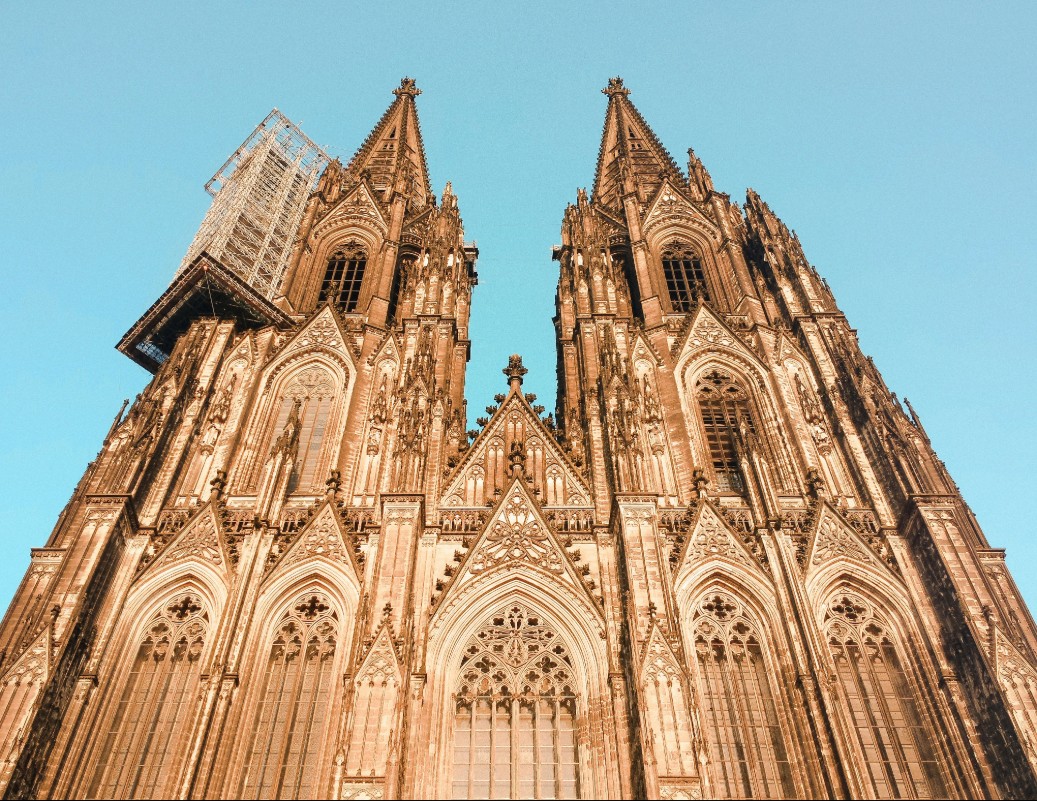
In Cologne, the cathedral was built to house relics believed to belong to the Three Kings, making it one of the most important pilgrimage sites in medieval Europe.
Work began in 1248, stalled for centuries, and then resumed in the 19th century, using the original plans before finally being completed in 1880.
What we see today are High Gothic principles at full scale. Twin spires dominate the skyline, and, inside, the nave extends with a high vertical emphasis that draws the eye upward, without interruption.
The stained glass reflects both its medieval origins and later additions, showing how the church continued to evolve, long after its initial construction.
St. Peter’s Basilica | Vatican City
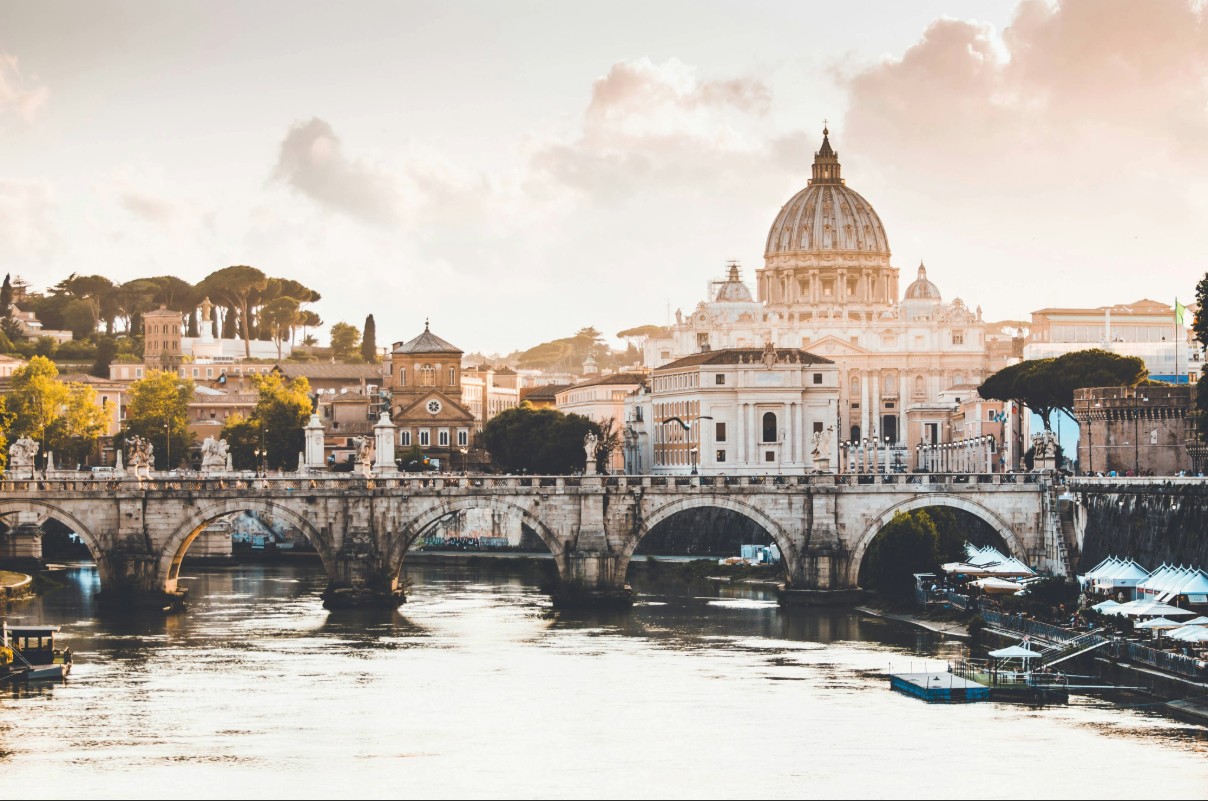
Built over what’s believed to be the burial site of Saint Peter, the current basilica in Vatican City was constructed between 1506 and 1626. The project brought together several major players, including Michelangelo, whose work on the dome is one of its defining features.
The interior was designed on a monumental scale. The dome rises high above the central crossing, while Bernini’s baldachin anchors the space below.
Rather than a single central line, the interior is organized around the main altar and a series of radiating chapels, each drawing attention outward from the central space.