Edinburgh Castle First: The Ultimate Guide to Scotland’s Most Famous Fortress
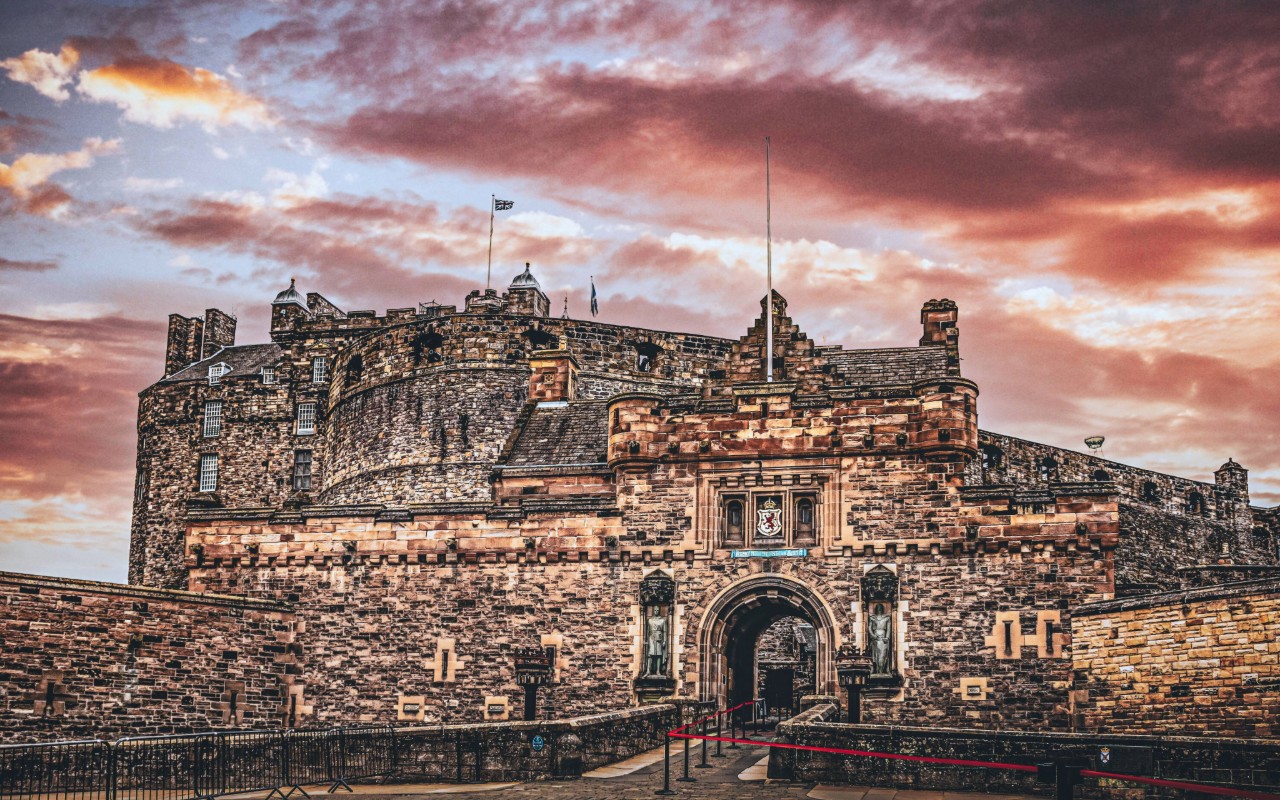
Edinburgh Castle deserves more than a quick photo from the Royal Mile. The fortress crowns Castle Rock, a volcanic crag above the Old Town, and has served as a royal residence, military fortress, and prison of war across centuries of Scottish history.
Historic Environment Scotland describes it as one of Britain’s most besieged places, and that history still comes through in the gates, batteries, chapels, museums, and stone courtyards you’ll move through during your visit.
Start With the History
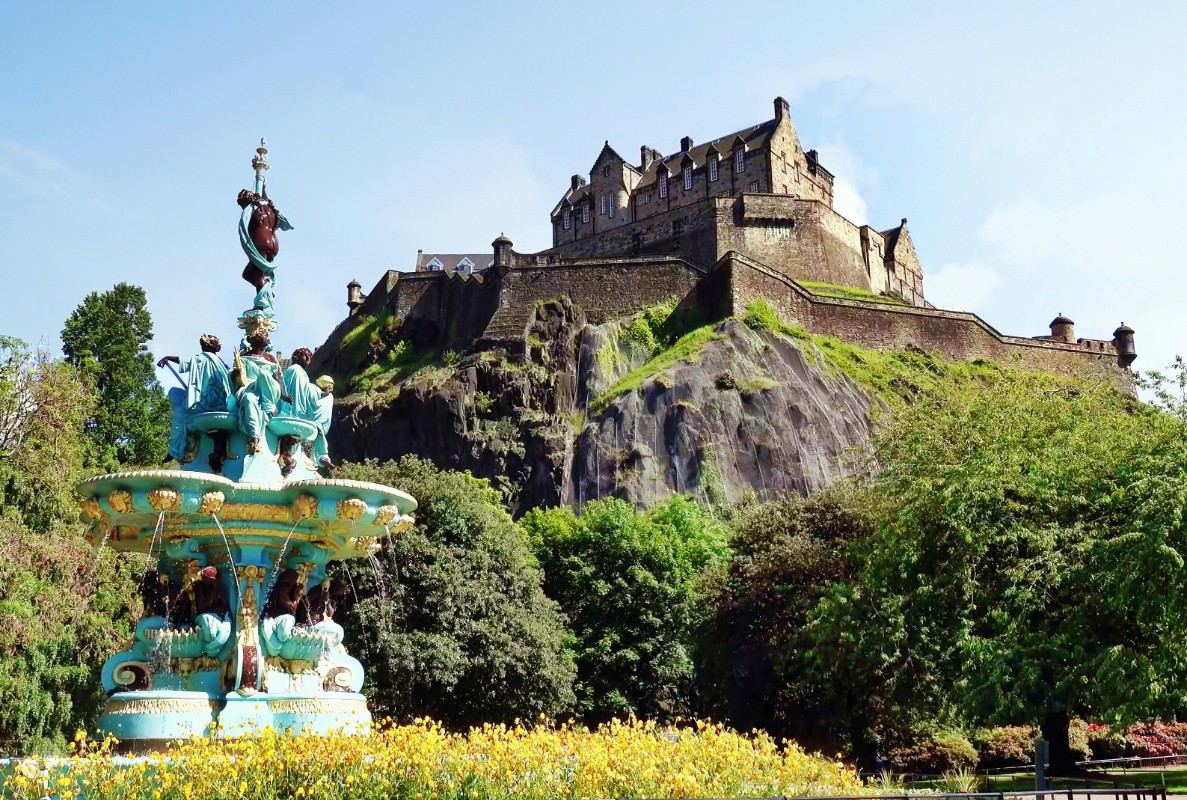
The first known reference to a castle on Castle Rock dates back to the 11th century, during the reign of Malcolm III. Queen Margaret died in the castle in 1093, and her son, David I, later built St Margaret’s Chapel in her memory.
That chapel remains the oldest building in Edinburgh, which makes it one of the most important stops on the castle grounds.
Later, the castle became deeply tied to Scotland’s royal history. The Royal Palace includes the room where Mary, Queen of Scots gave birth to James VI, who later became James I of England and united the crowns of Scotland and England.
The Crown Room holds the Honours of Scotland, the oldest Crown jewels in Britain, along with the Stone of Destiny.
When to Go and How to Buy Tickets

Edinburgh Castle is open daily, from 9.30 am. From April 1st to September 30th, the last entry is 5:00 pm, and the castle closes at 6:00 pm. From October 1st to March 31st, the last entry is 4:00 pm, and the castle closes at 5:00 pm.
Tickets often sell out, particularly in peak season, and tickets aren’t available at the castle once the online tickets sell out, so be sure to book in advance.
Morning is usually the best time to go. You’ll have more space before the heaviest crowds arrive, and you can see the main highlights in two to three hours if you start early. Give yourself more time, however, if you’d like to enjoy the views, museums, tea rooms, and wander around Crown Square.
To Tour or Not to Tour?
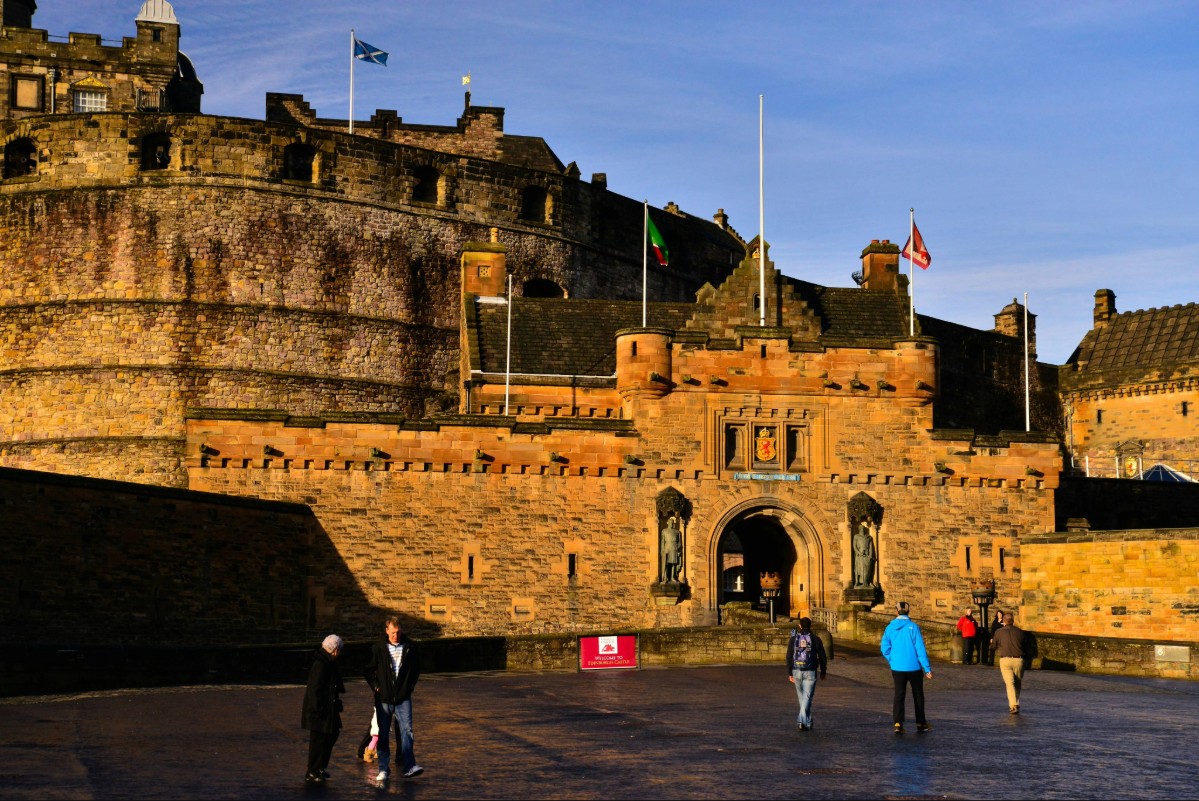
If this is your first visit, the official guided tour is worth considering. It includes admission plus a 30-minute guided tour, and the castle guides focus on important stories, major viewpoints, and the must-see areas. Availability is limited, so this, too, needs to be booked in advance.
If you prefer moving at your own speed, use the audio guide. It’s available after the Portcullis Gate and can be used on your phone or one of the castle’s handsets. This is a nice opportunity to go your own way and linger in the hallways and banquet rooms that speak to you.
What to Look Forward to Inside Edinburgh Castle
Begin with the Portcullis Gate and the climb upward. You’ll need comfortable shoes because the ground is steep and uneven in places.
From the batteries, you can look across the Old Town, New Town, and out toward the Firth of Forth, which will help you understand why this rock mattered so much, strategically.
St Margaret’s Chapel is small, quiet, and easy to miss if you rush. Be sure to step inside. It’s the oldest surviving building in Edinburgh and one of the most intimate parts of the whole castle.
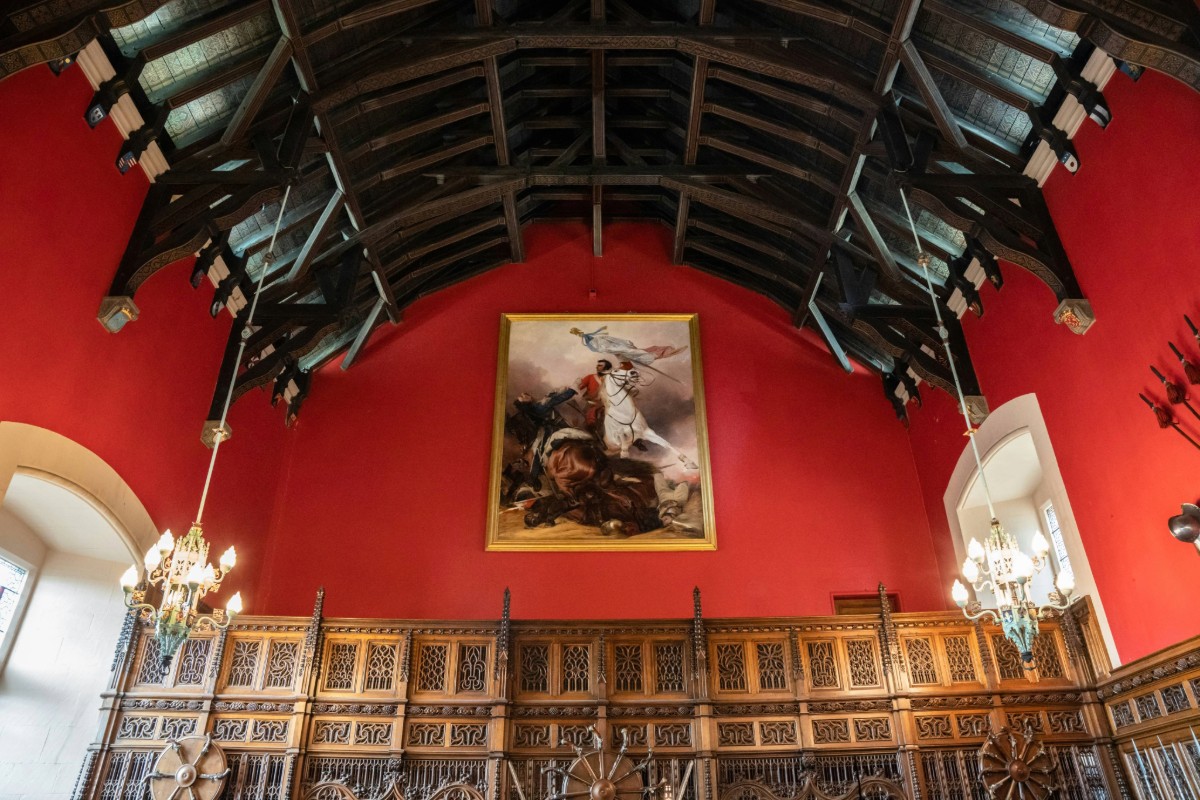
The Great Hall has one of the best interiors, especially its original hammerbeam roof. It’ll give you a stronger sense of the castle as a place of ceremony, not just defense.
Nearby, the Royal Palace and Crown Room hold the Honours of Scotland and the Stone of Destiny, two of the most important national treasures in the country.
Mons Meg is another highlight. The six-ton siege gun was given to James II in 1457 and could fire a 150kg gunstone nearly two miles. The One o’Clock Gun is still fired at 1:00 pm every day, except Sundays, Good Friday, and Christmas Day.
You can plan your visit around it if you’d like the full castle experience.
The Prisons of War exhibition adds a different layer, especially if you’d like to understand the castle beyond its royal history.
The castle’s map also highlights the Scottish National War Memorial, military museums, Half Moon Battery, and David’s Tower remains, where the late medieval royal residence once stood.