Compliments That Are Surprisingly Rude in Other Countries

A compliment can be a tiny gift, or a tiny disaster with a smile on top. What sounds sweet in one country can sound rude, nosy, flirty, or even insulting in another.
You might mean, “I like your style,” but they might hear, “You look strange.” That is the tricky thing about travel, language, and culture: good intentions do not always arrive in one piece.
The wild part is that the other person may still smile, nod, and say thank you, even if your words just made the room feel weird. Politeness can hide a lot.
Here, you’ll see compliments that seem harmless but can land badly around the world, why they can feel wrong, and how to praise people without accidentally stepping on a cultural landmine.
You Look Great For Your Age

n Japan, “You look great for your age” can feel less like praise and more like a public grade. Modesty matters, and direct comments about looks can make someone uneasy, even when the words sound nice to you. Instead of feeling seen, they may feel studied.
In parts of Northern Europe, personal remarks often need more trust before they land well. This line can sound too close too fast, and it puts age in the front seat. A safer move is to praise a choice, like their jacket, style, or smile. In short, skip the age math.
You’ve Lost Weight
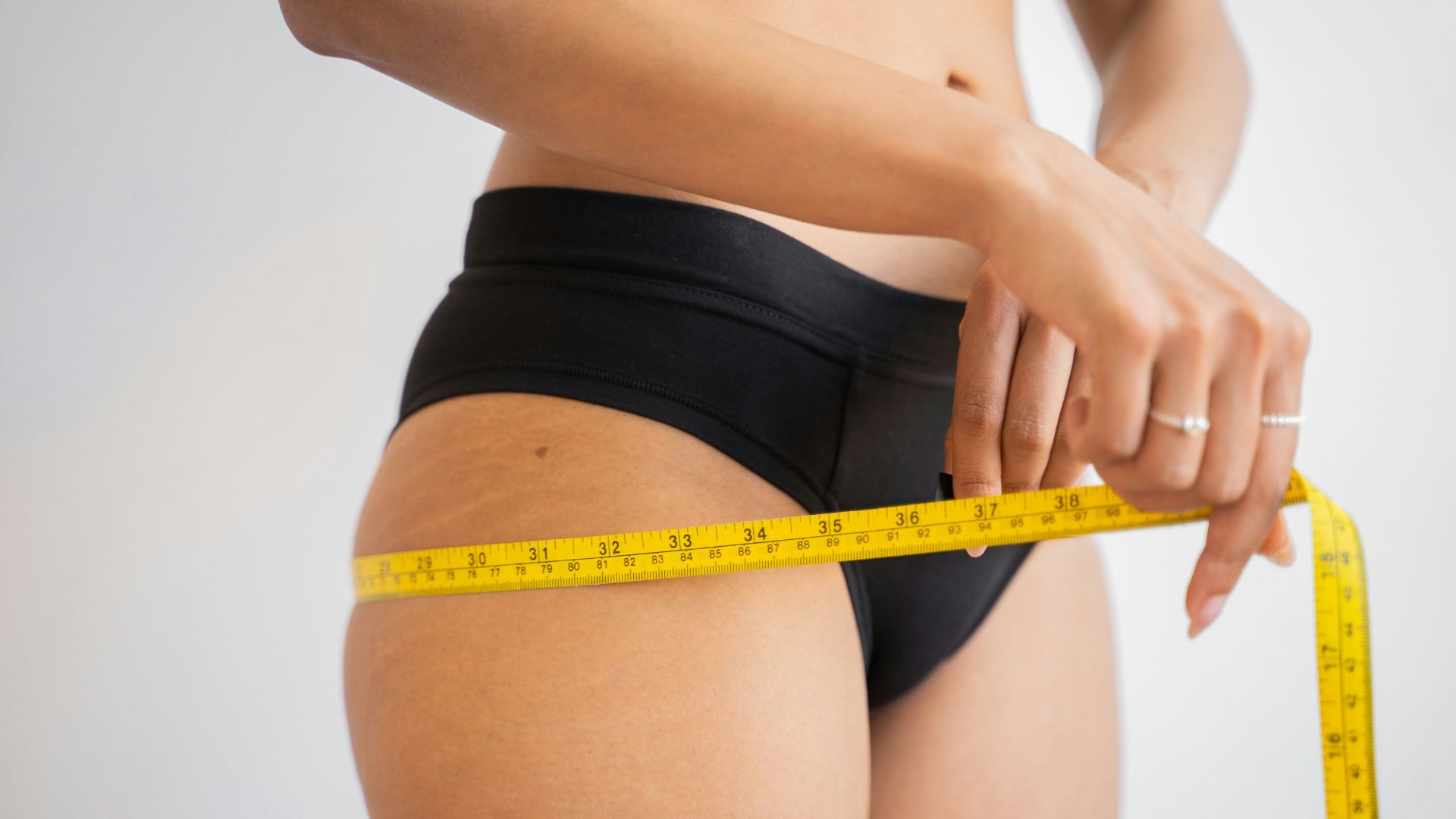
“You’ve lost weight” may sound like confetti in your mouth, but in the U.K., Canada, and the U.S., it can feel like someone opened a private drawer. Weight loss is not always a glow up.
It can come from stress, illness, grief, or an eating disorder, so the line may press on a bruise you cannot see.
In parts of East Asia, body comments can be more common in daily talk, especially among family or older people. Still, common does not always mean kind. Hearing it can feel like your body has been under quiet watch, with someone keeping score.
A safer compliment skips the scale and notices energy, kindness, or style instead.
You Look So Healthy

In the U.K. and Ireland, “You look so healthy” can wobble instead of shine. It may sound like code for “you looked rough before,” even if that is not what you meant. The person might wonder if you noticed old tiredness, sickness, weight change, or a bad week they hoped nobody saw.
In Japan, praise that points at the body can feel too close unless you know each other well. Direct comments on looks may make someone feel put on display, not praised. And for someone dealing with an eating disorder, “healthy” can be a heavy word, tied to fear or body checks.
Try “It’s good to see you” instead.
You’re So Tan

“You’re so tan” may sound sunny, but in South Korea, Japan, China, and India, it can land with a thud. Lighter skin has often been tied to beauty, wealth, and indoor life, while darker skin could be linked to farm work, street work, or lower rank.
So your beachy compliment may not feel beachy at all.
In places where colorism still hurts, skin tone is not small talk. That comment can drag in race, class, marriage pressure, or family remarks someone has heard for years.
Even if you mean “you look cool,” they may hear, “I noticed your skin got darker.” Safer move: praise the outfit, the glow, or the vacation story.