The Real Side of Guatemala, And How You Can See It
Every place that’s full of adventure, beautiful nature, unique culture, and exciting experiences tends to follow the same pattern when it comes to tourism. Over time, a well worn path develops. A handful of cities, a few must do experiences, and a version of the country that becomes widely known.
And while those places are popular for a reason, they often only scratch the surface.
What gets missed are the layers underneath. The stories, the communities, the history that actually shape a place into what it is.
That’s not to say you shouldn’t visit the well known spots. You absolutely should. But if you really want to understand a country, it’s important to step beyond that path. To go a little further, a little deeper.
To experience something that challenges you, teaches you, and connects you to the place in a more meaningful way.
Why the Guatemalan Highlands Are Where the Real Experience Begins
Guatemala is one of those countries where that deeper experience is not only possible, but incredibly powerful.
It’s a country with one of the richest and most complex cultures I’ve encountered, and while it’s grown in popularity, there is still so much of it that remains unseen by most travelers.
And that’s what I want to share with you.
This is really for my hikers. The ones who crave something a little raw and real. The ones who don’t mind getting uncomfortable, who don’t need luxury to feel fulfilled. The people who are searching for experiences that are simple on the surface, but end up being life changing.
If that’s you, the Guatemalan highlands are where you need to go.
And more specifically, you need to go with Quetzal Trekkers.
Quetzal Trekkers: The Non-Profit Hike That Gives Everything Back to the Community
I first heard about this company through a friend I met while traveling in Central America. The way she described it stuck with me immediately. It wasn’t just about hiking for views or checking off another experience. It was about purpose. About impact. About connection.
I booked it almost right away.
Quetzal Trekkers is based in Quetzaltenango, also known as Xela, a city a few hours from Antigua that already feels far more local and less traveled. But what they do goes far beyond just location.
They are a non profit trekking company run entirely by volunteers from around the world, and every single dollar they make goes directly back into the communities they work with.
Their focus is on supporting indigenous communities in the highlands, many of which were deeply affected by Guatemala’s civil war between 1960 and 1990.
This conflict devastated entire regions. Communities were displaced, families were torn apart, and the long term effects are still visible today. Poverty, lack of resources, and limited access to education continue to shape daily life in many of these areas.
Quetzal Trekkers is actively working to change that.
Staying in Local Homes, Sharing Meals, and Understanding Where the Money Actually Goes
They have helped build and support a primary school in the region and are currently working toward expanding access to secondary education. They encourage hikers to bring donations like clothes, school supplies, and food.
They also sell things like trail mix, baked goods made by local kids, and shirts, with all proceeds going back into these community projects.
What makes their impact even more meaningful is how they structure the hikes themselves.
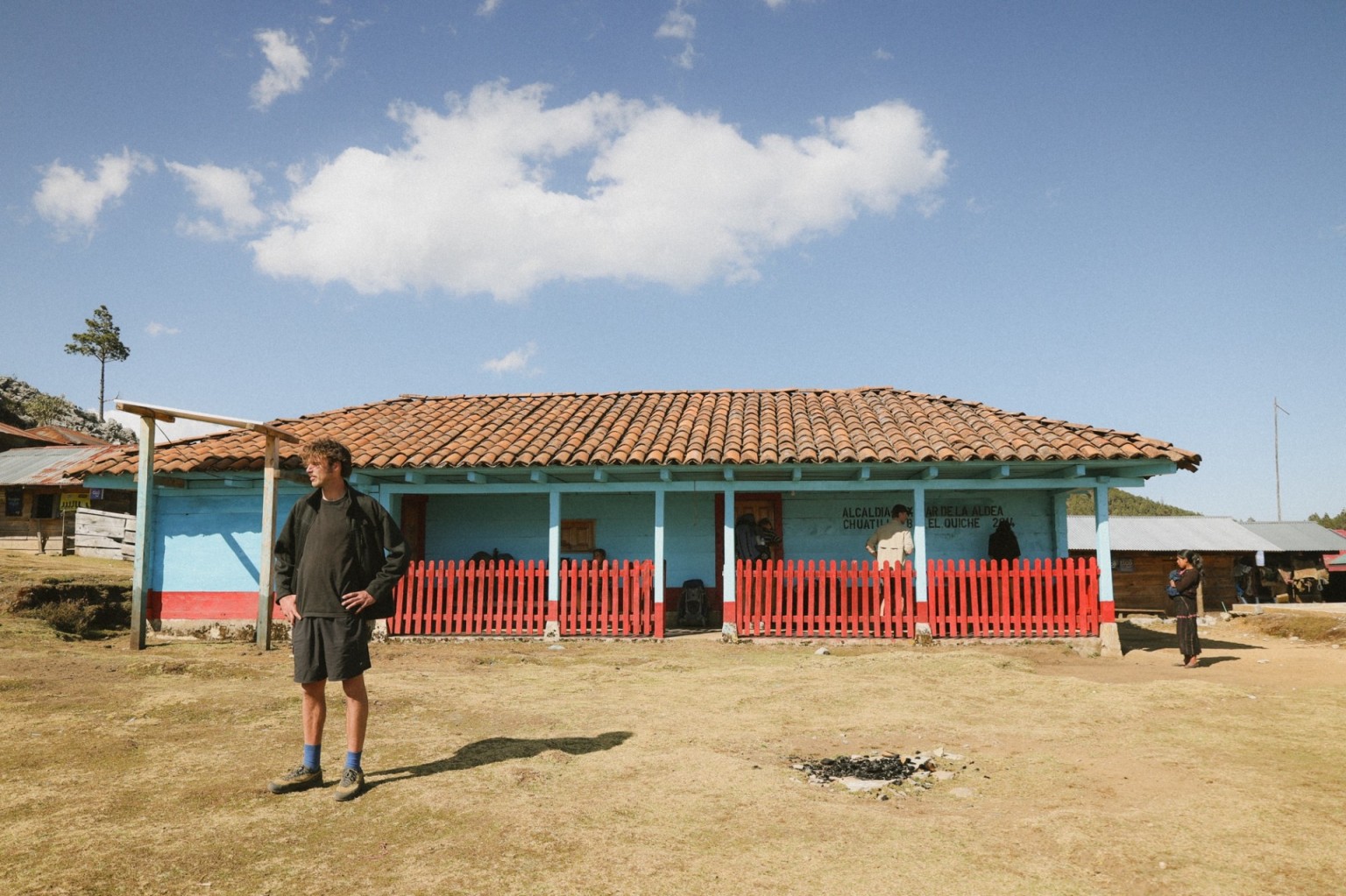
Instead of staying in hostels or hotels, hikers stay in local homes throughout the trek. Families in remote villages open their doors, cook meals, and provide a place to sleep. In return, they are paid directly.
It’s a system that supports the local economy in a real and immediate way, rather than funneling money into larger businesses that don’t benefit these communities.
And beyond the financial impact, there’s something even more important happening. Connection.
Throughout the hike, you’re not just passing through these villages. You’re engaging with them. Listening to stories, sharing meals, learning about daily life. It becomes a cultural exchange that feels genuine and deeply human.
Five Days, 35 Miles, and a History Most Travelers Never Learn About
If you’re reading this and realizing you’ve never heard about Guatemala’s civil war, you are not alone. I hadn’t either before this experience. And that’s exactly why something like this matters so much.
Quetzal Trekkers’ slogan is “hike volcanoes, help kids,” and it really does capture everything they stand for. You’re not just there to see something beautiful. You’re there to learn, to understand, and to contribute in a small but meaningful way.
I chose to do their longest trek, a five day journey from Nebaj to Todos Santos in the highlands.
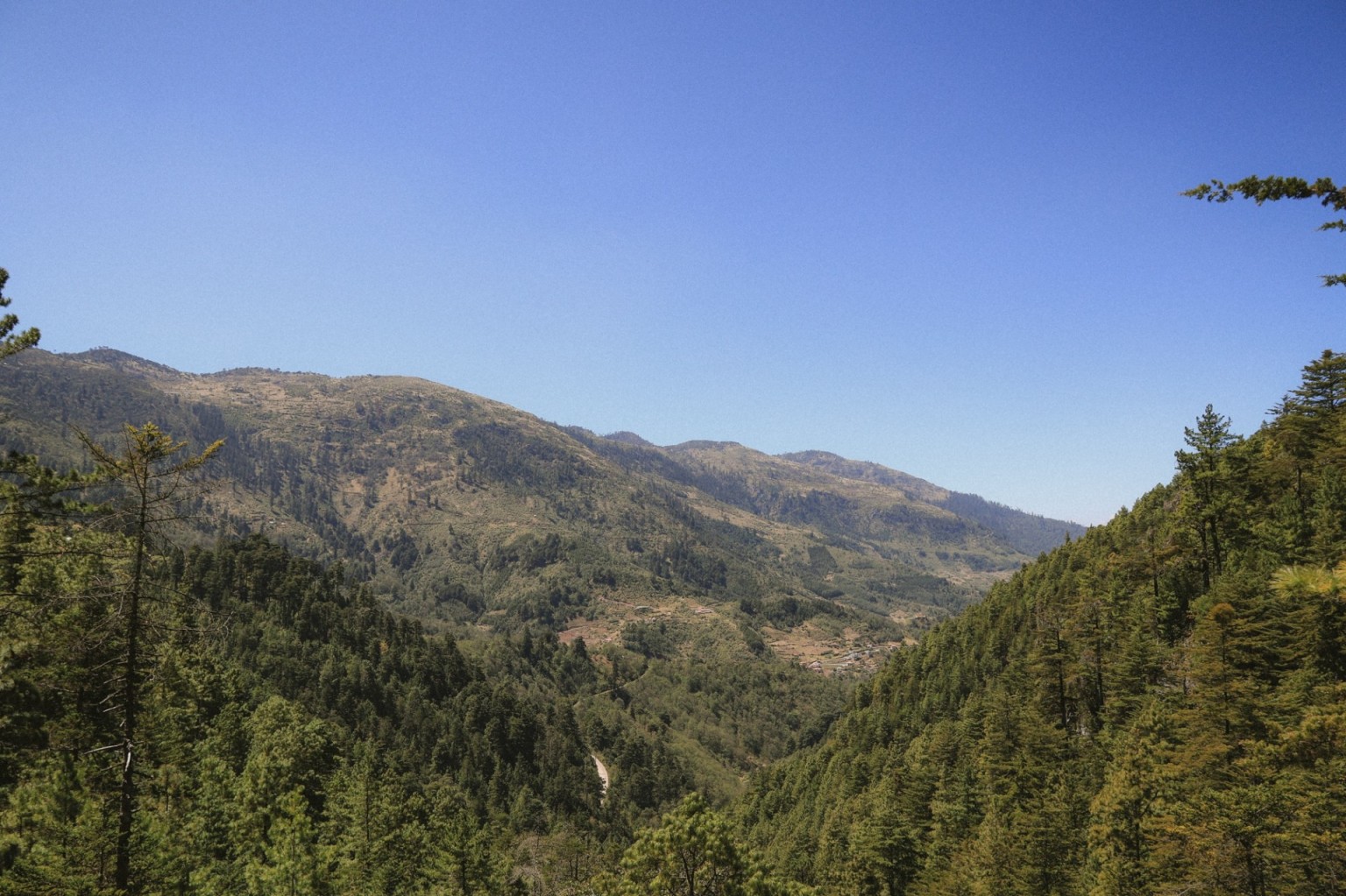
It was over 35 miles of hiking, reaching elevations close to 13,000 feet, and it was one of the most impactful experiences I’ve had while traveling.
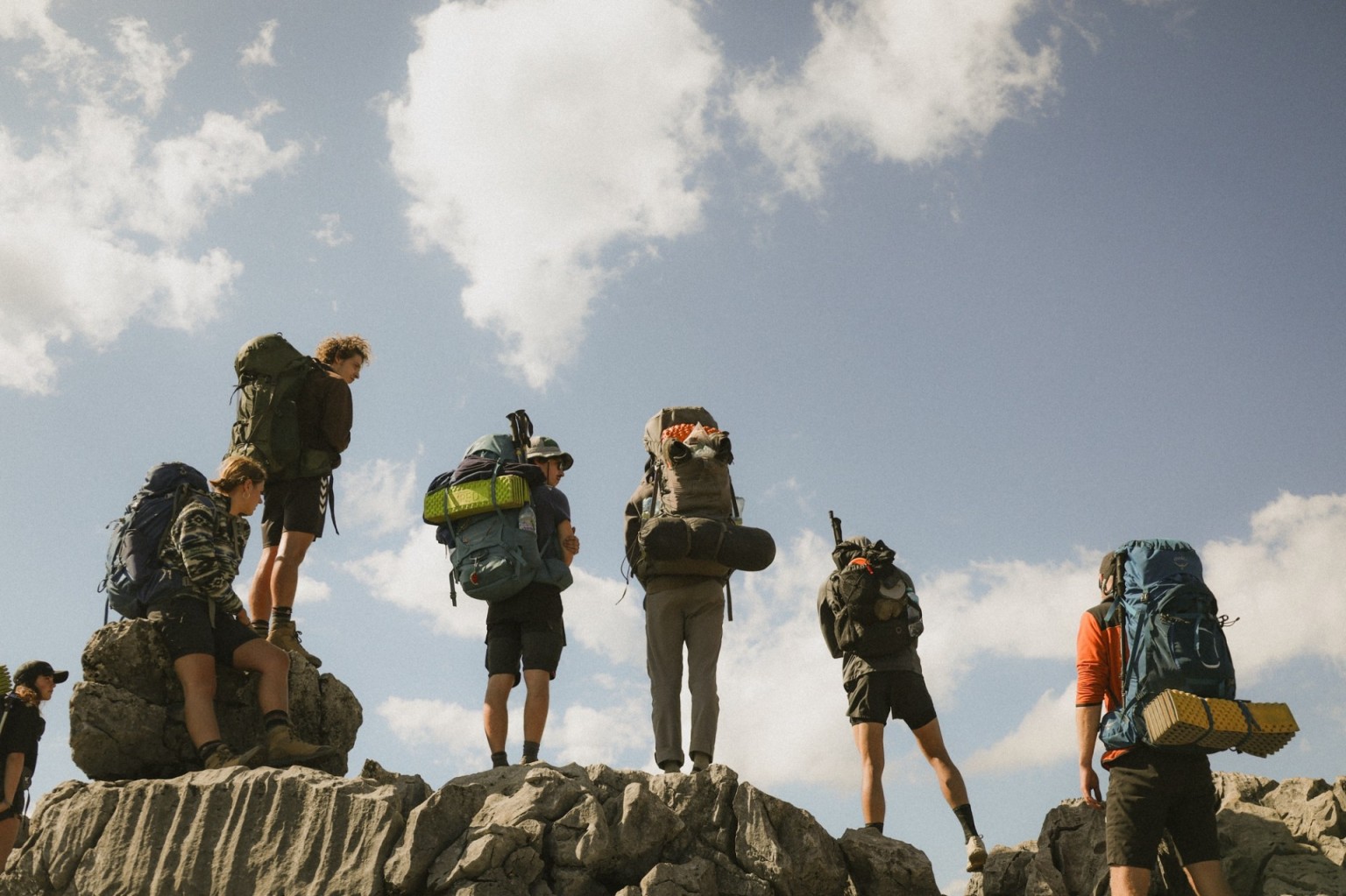
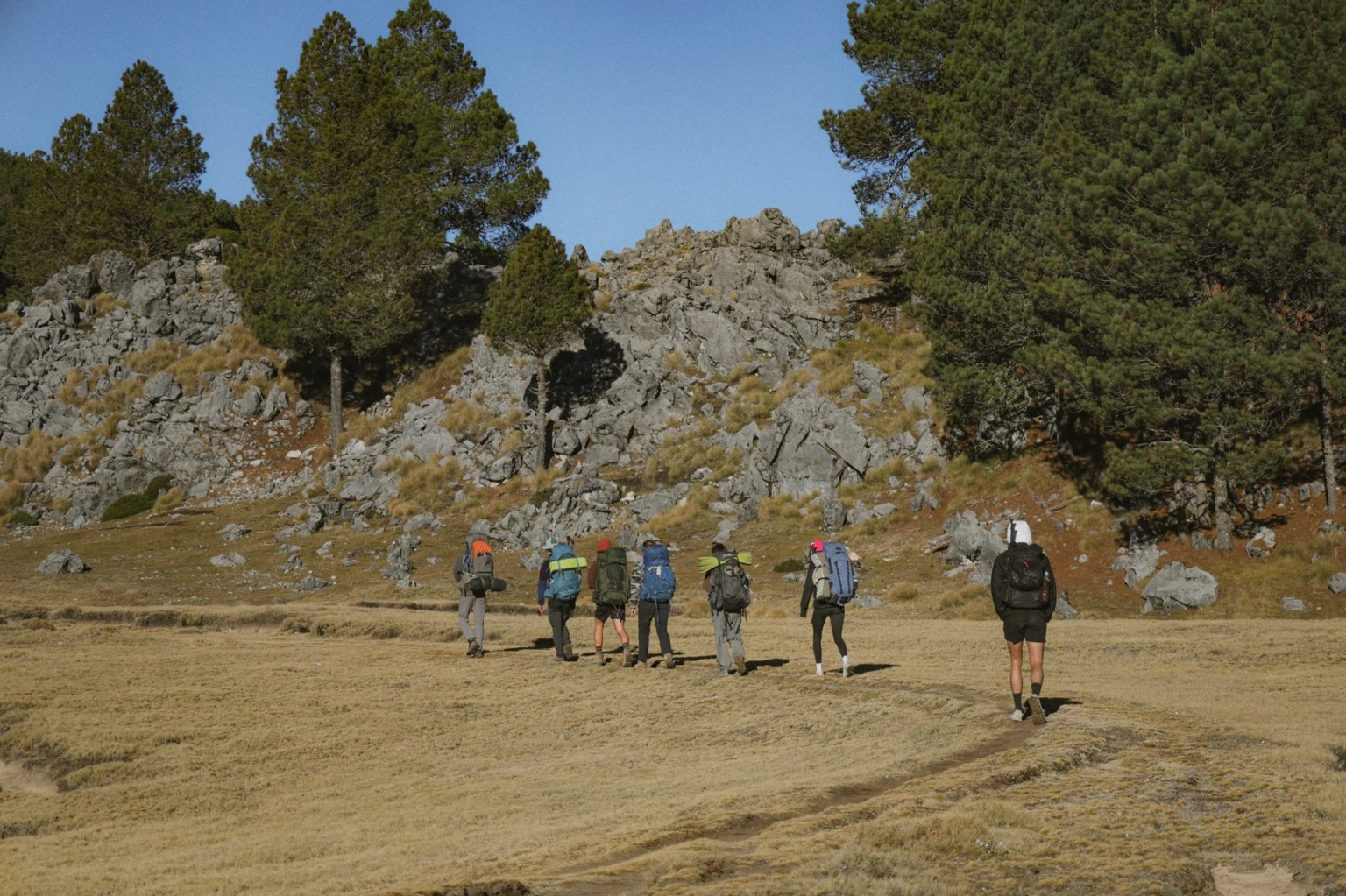
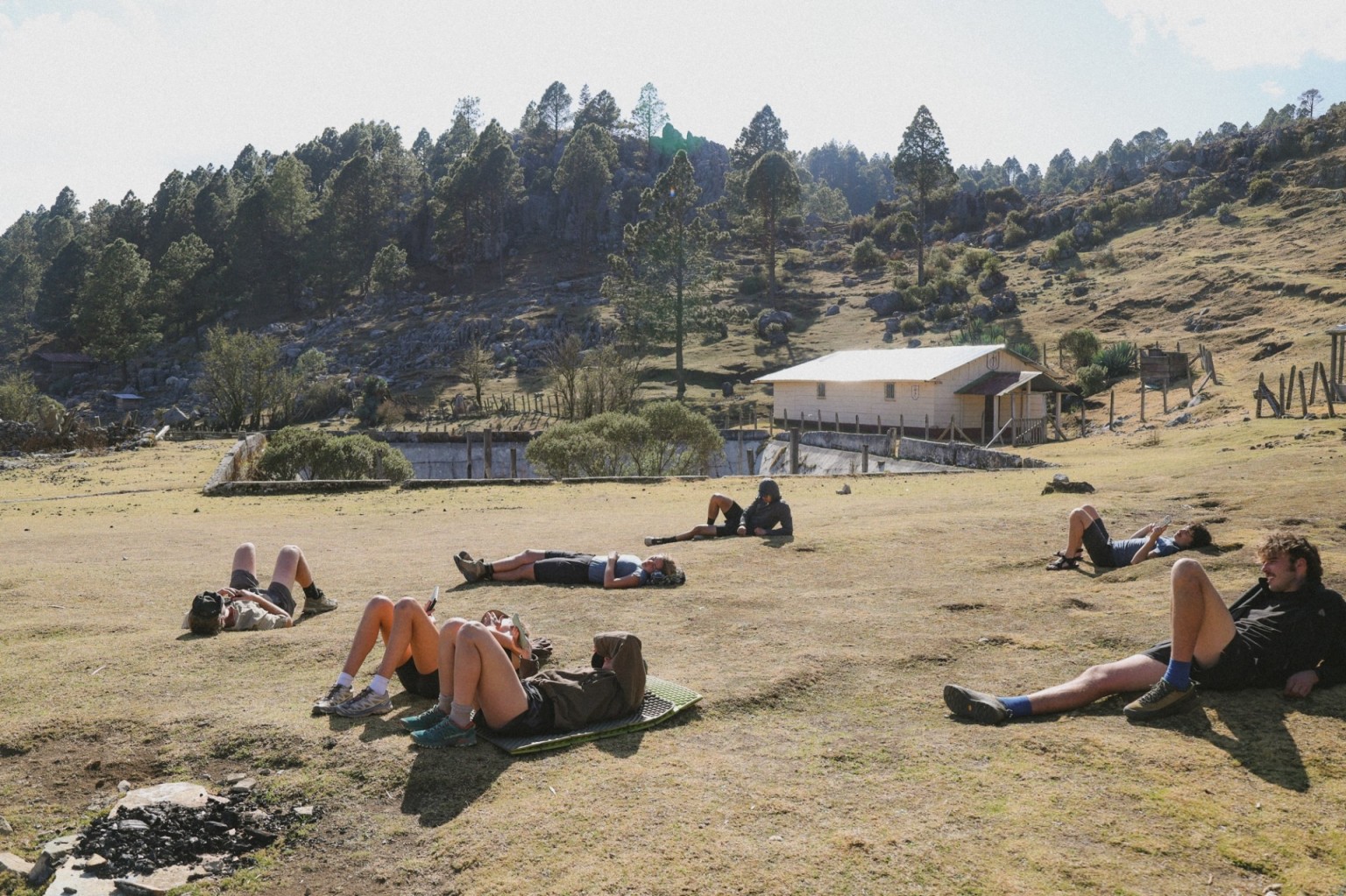
We were a small group of about ten people, led by two volunteer guides who walked with us through the highlands for five days. Our days were spent hiking through mountains and remote villages, and our nights were spent in homestays, sharing meals and stories with local families.
One of the things I appreciated most was how intentional the experience was.
Our guides weren’t just there to lead the way. They were there to educate us. Throughout the hike, during breaks and after dinner, they shared lessons about Guatemala’s history, the civil war, and the social and political structures that shaped it.
We listened to stories from the communities themselves, sometimes directly from the families we were staying with.