The Orkney Islands Will Completely Change How You See Scotland
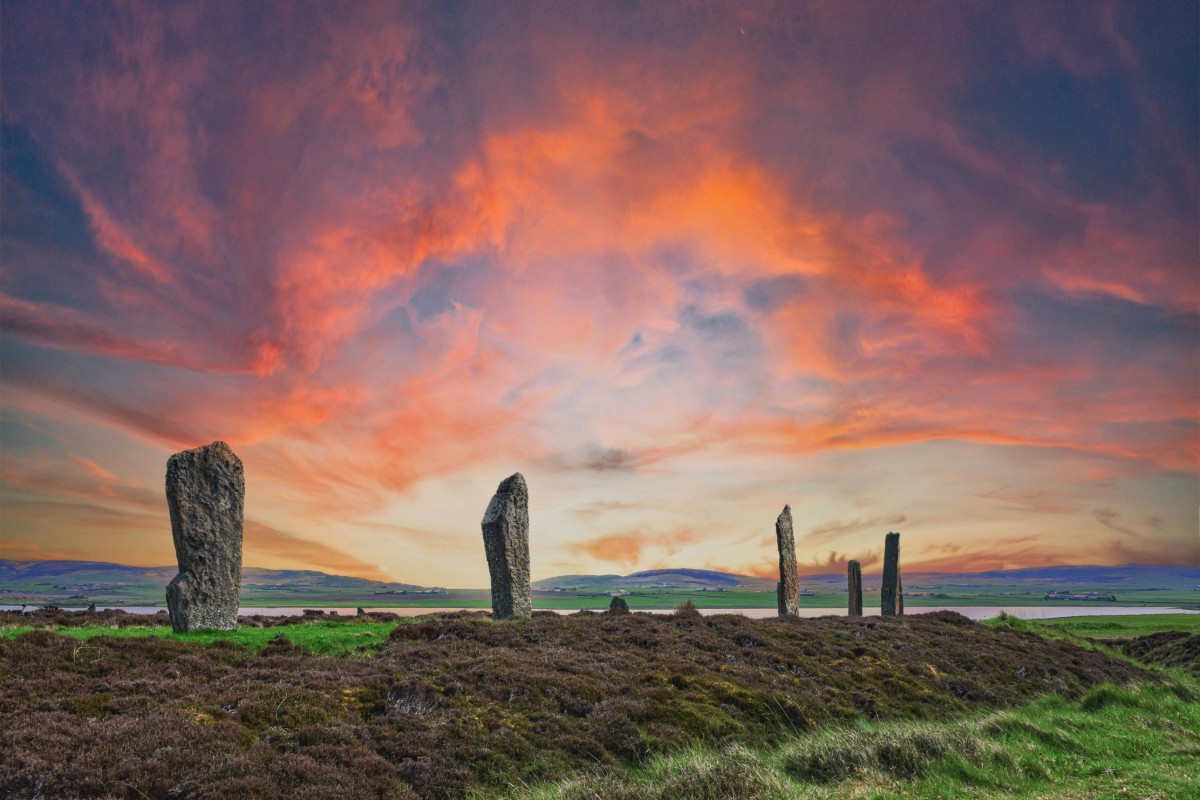
The Orkney Islands are just north of mainland Scotland, scattered across the sea with dramatic cliffs, ancient stone circles, windswept farmland, and small harbor towns where life still moves at its own steady pace.
The islands don’t rely on towering mountains or packed itineraries to leave an impression. Instead, Orkney slowly pulls you in through its history, coastline, wildlife, and long stretches of quiet.
This is the kind of trip where your days naturally become simpler. You’ll spend your mornings driving down narrow coastal roads, your afternoons wandering around Neolithic ruins older than the pyramids, and your evenings settling into pubs while the wind sweeps across the harbor.
The further you move through Orkney, the more the islands will begin to change your sense of time altogether.
The History Here Is Almost Impossible to Comprehend
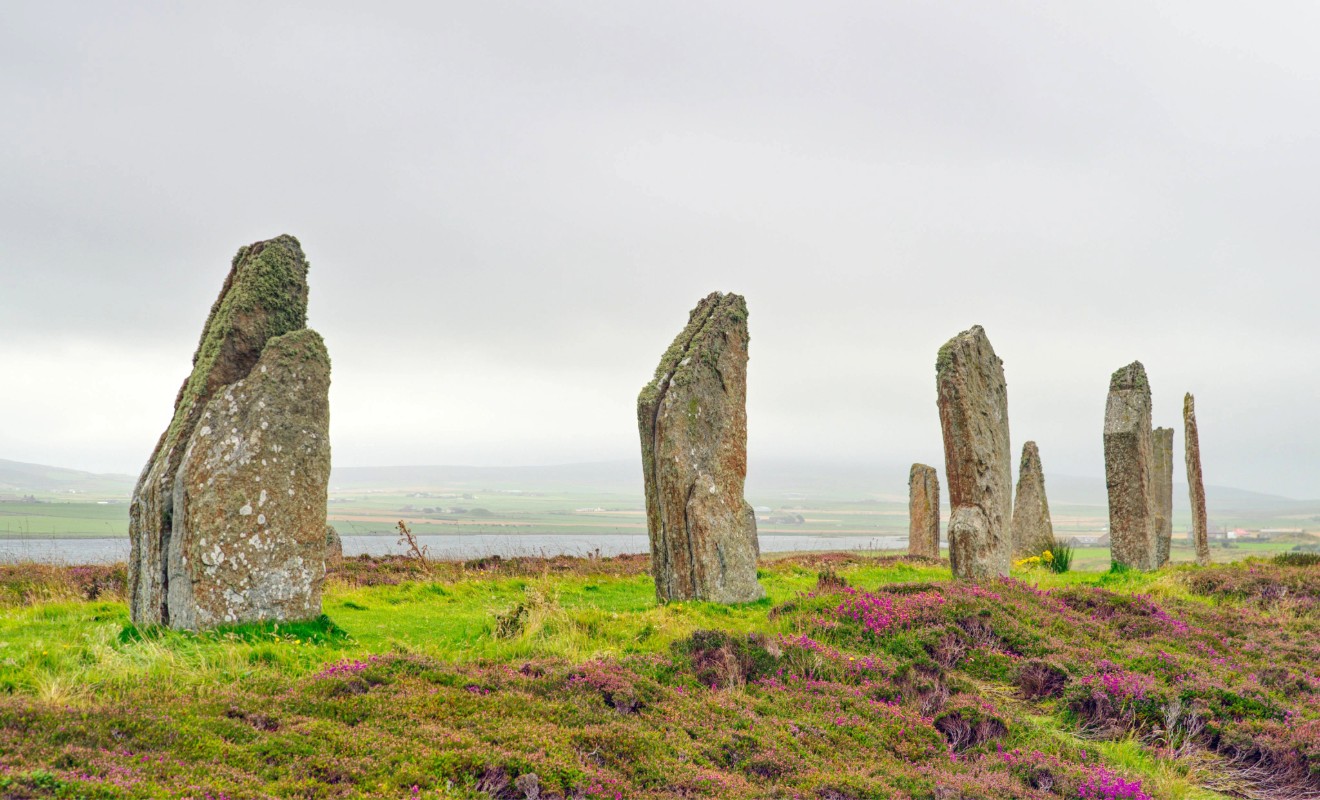
Orkney has some of the most important prehistoric sites in Europe, and seeing them in person will completely change your understanding of ancient Scotland.
The Heart of Neolithic Orkney UNESCO World Heritage Site includes Skara Brae, the Ring of Brodgar, the Standing Stones of Stenness, and Maeshowe, all remarkably preserved against the landscape.
Skara Brae is particularly unforgettable because the stone houses are startlingly intact, despite being more than 5,000 years old.
The landscape surrounding these sites matters just as much as the ruins themselves. The Standing Stones of Stenness rise directly out of open farmland beneath enormous skies, while the Ring of Brodgar stretches quietly across the loch with sheep grazing nearby.
You can spend hours driving between these sites without ever feeling rushed because the roads themselves are part of the experience.
The Coastline Constantly Changes
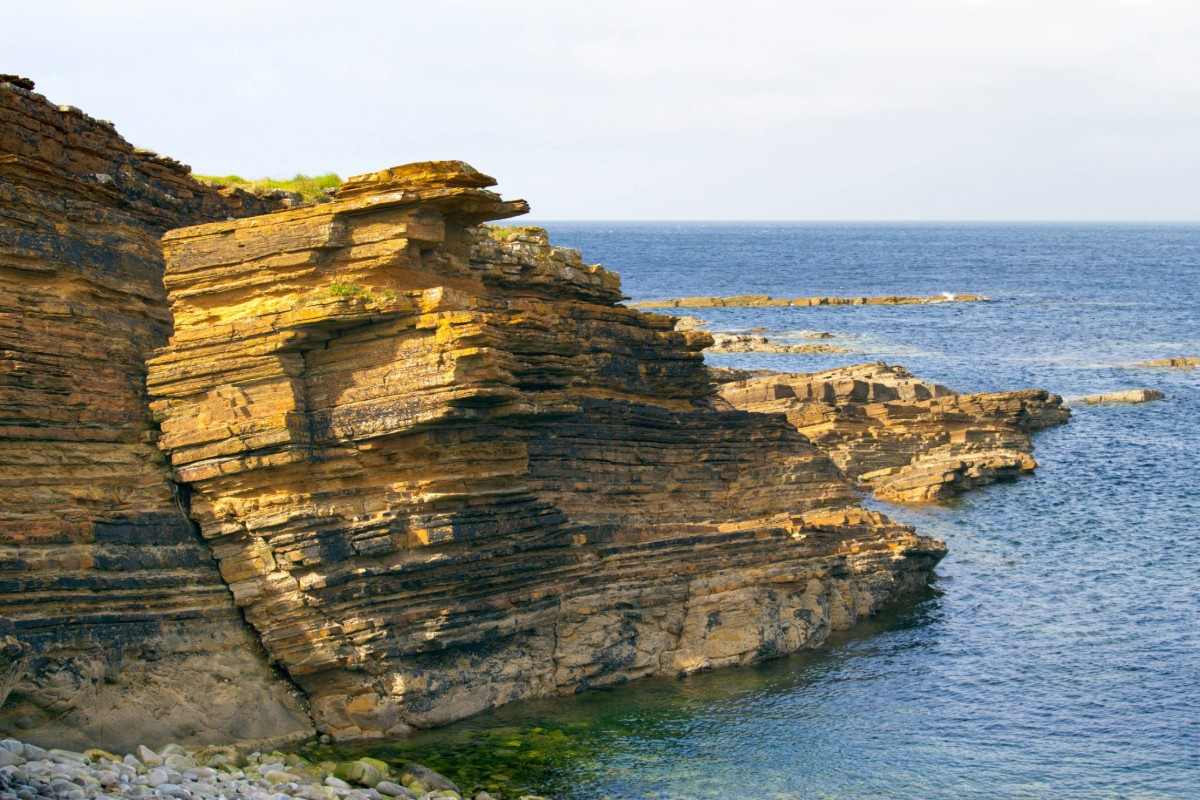
The coastline across Orkney rarely stays the same for long. Cliffs give way to wide beaches, grassy hills that suddenly open toward the sea, and small roads that curve toward isolated coves with hardly anybody else around.
Yesnaby Cliffs are one of the best examples of this. The cliffs rise above the Atlantic, with sea stacks standing offshore while the waves crash below. The walking paths follow the coastline, and the weather changes so quickly that the light across the water never really looks the same twice.
Further north, places like Birsay and Deerness are quieter stretches of coastline with seabirds, walking trails, and dramatic sea views that aren’t overly developed. Even the beaches here have a different atmosphere from mainland Scotland because they’re so open and uncrowded.
Kirkwall Will Give You a Place to Settle In
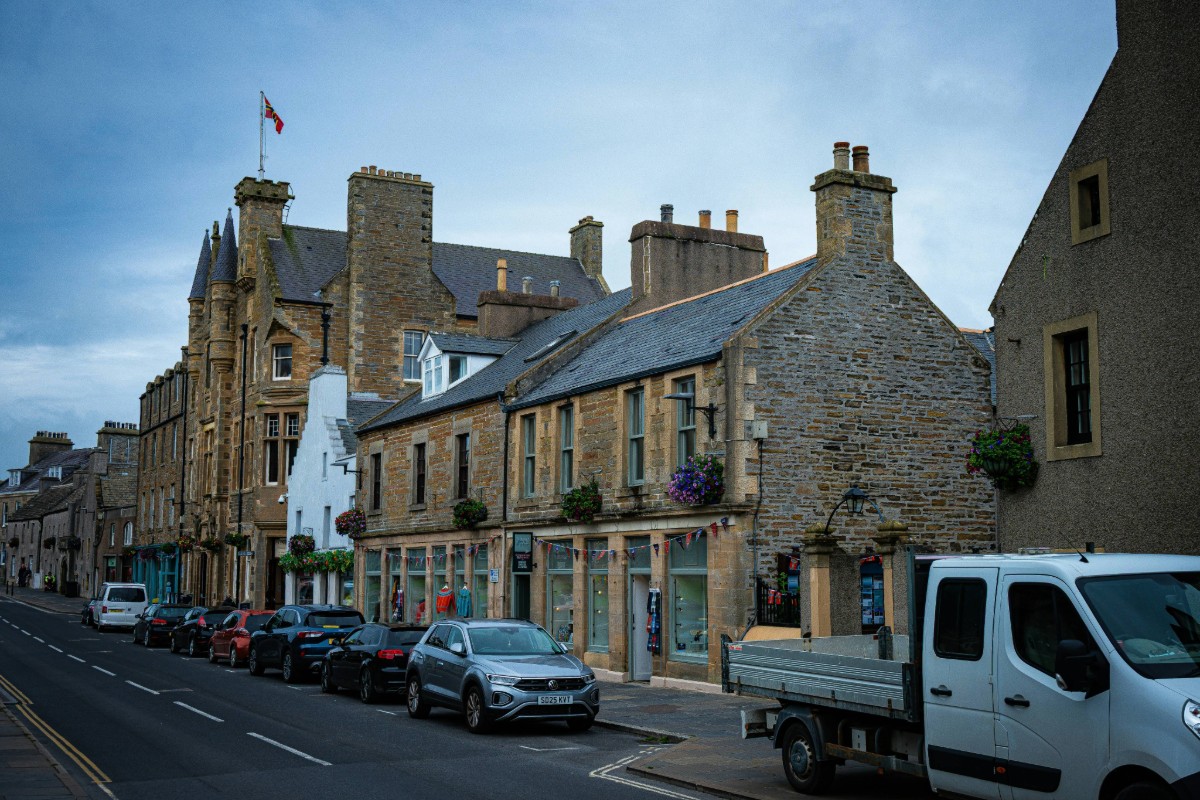
Kirkwall is a great base because it will give you a little bit of everything without losing the slower pace that defines the islands. The harbor is active throughout the day, and the smaller streets are full of local shops, cafés, bookstores, and pubs that make it easy to settle into a routine.
St Magnus Cathedral dominates the center of town with its red sandstone walls and enormous interior. The nearby streets will lead you to small independent shops selling Orkney cheese, knitwear, jewelry, and local crafts.
In the evenings, the pubs will gradually fill with the locals, ferry passengers, and travelers sharing stories from whichever island road they explored that day.
The Wildlife Is Just as Memorable as the History
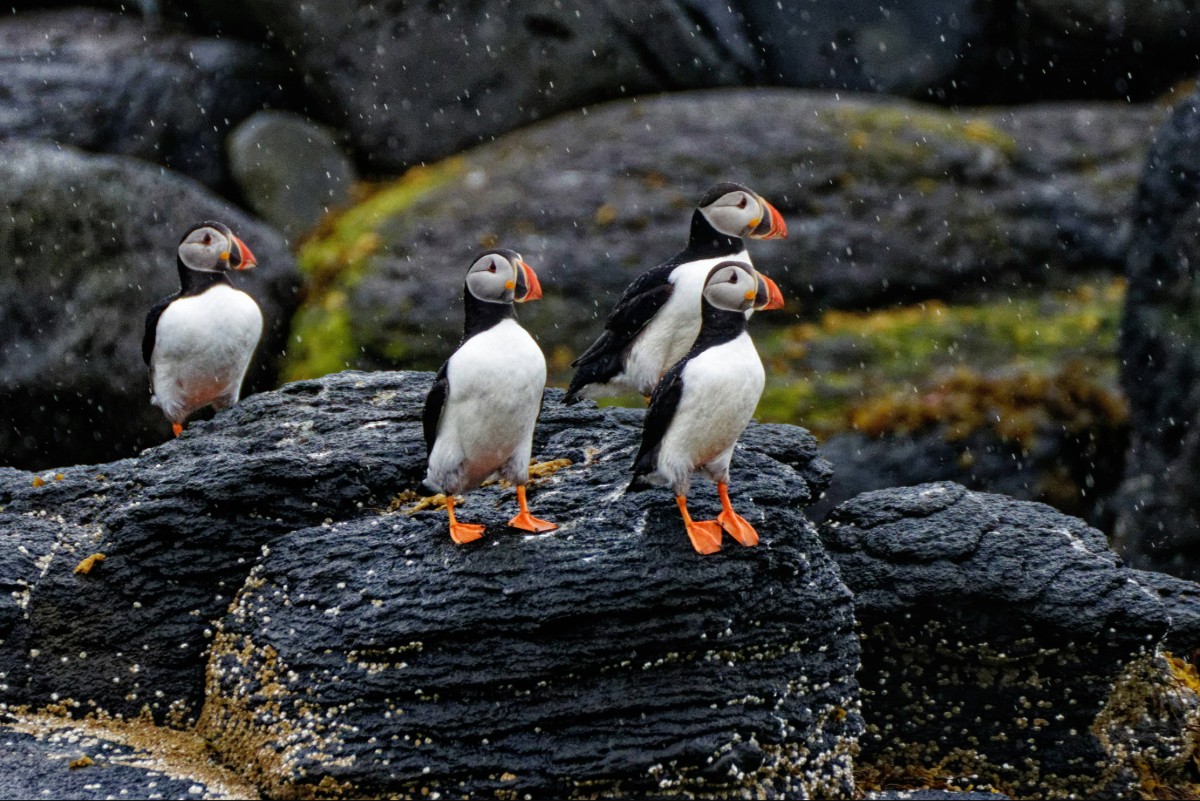
Orkney is a wonderful place for wildlife watching because nature is woven into daily life across the islands. Puffins arrive in the warmer months, seals regularly appear along the coastline, and seabirds are constantly circling above the cliffs.
Boat tours to smaller islands are one of the highlights of the trip. Depending on the season, you may spot dolphins, whales, or colonies of seabirds gathering along the rocky cliffs.
Just driving through the islands will lead to unexpected wildlife sightings because the landscape is so open and lightly populated.