The 10 Most Dangerous Mountains to Climb
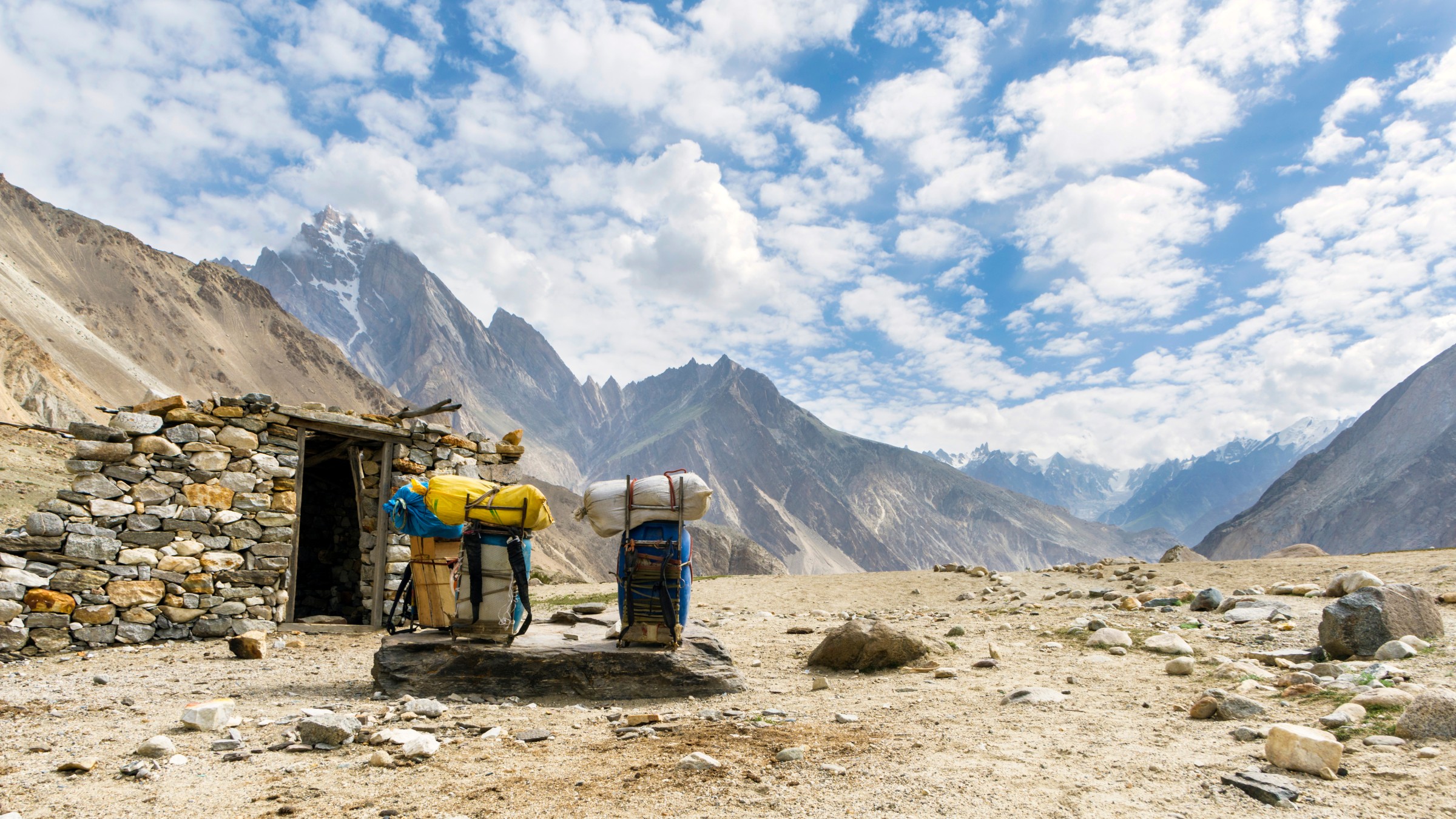
Some mountains don’t just challenge climbers; they erase them. Above 8,000 meters, oxygen thins, weather turns hostile without warning, and ice shifts like a living thing. On these peaks, a single misstep can mean the difference between a summit photo and never coming back down.
Annapurna I
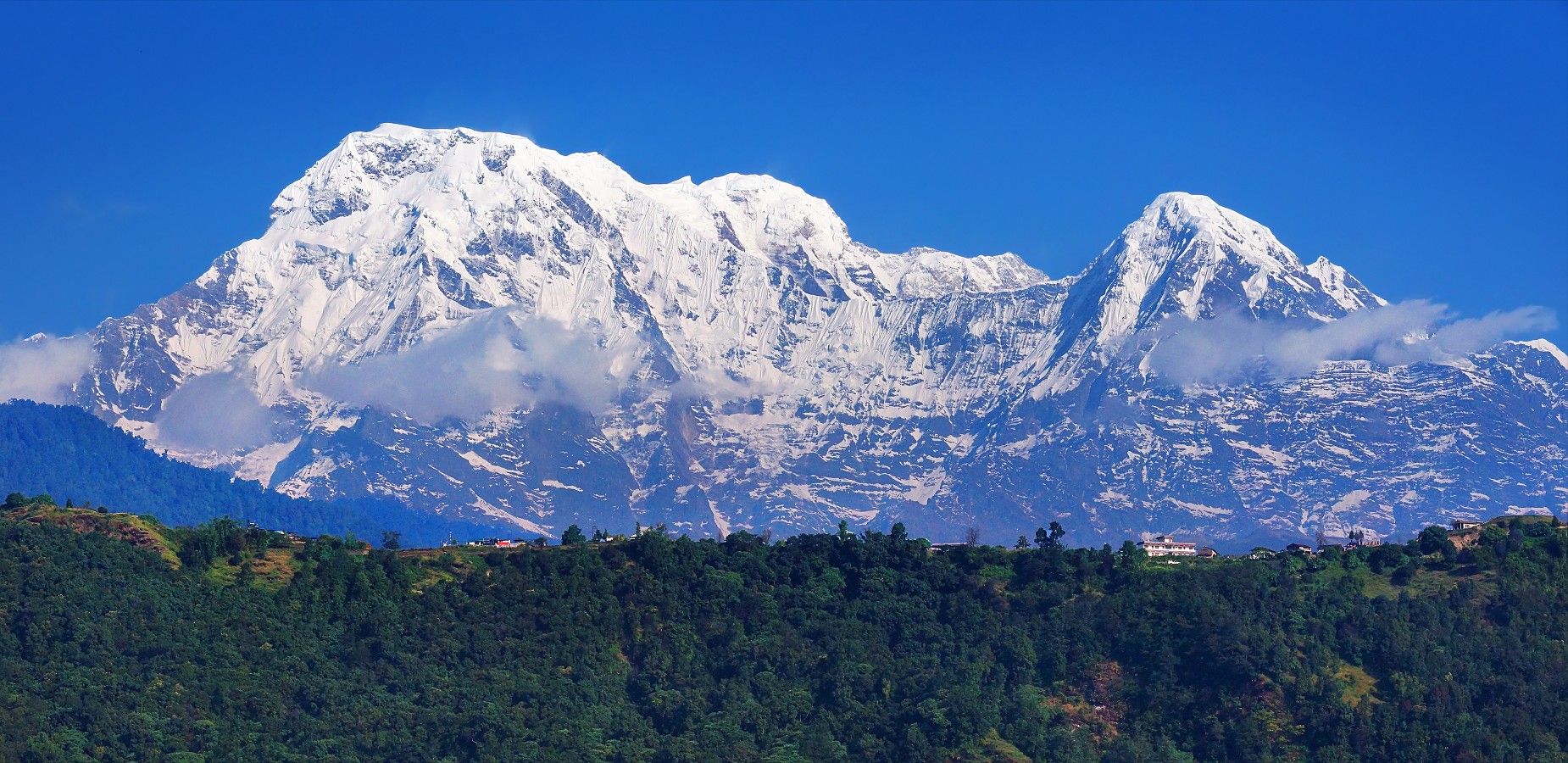
Annapurna I in Nepal is considered one of the deadliest mountains due to extreme avalanche danger, unstable ice formations, and rapidly changing weather. Its steep walls and hidden crevasses create constant risk for climbers.
High altitude and unpredictable conditions make successful ascents rare and fatalities unusually common among expeditions overall.
Makalu
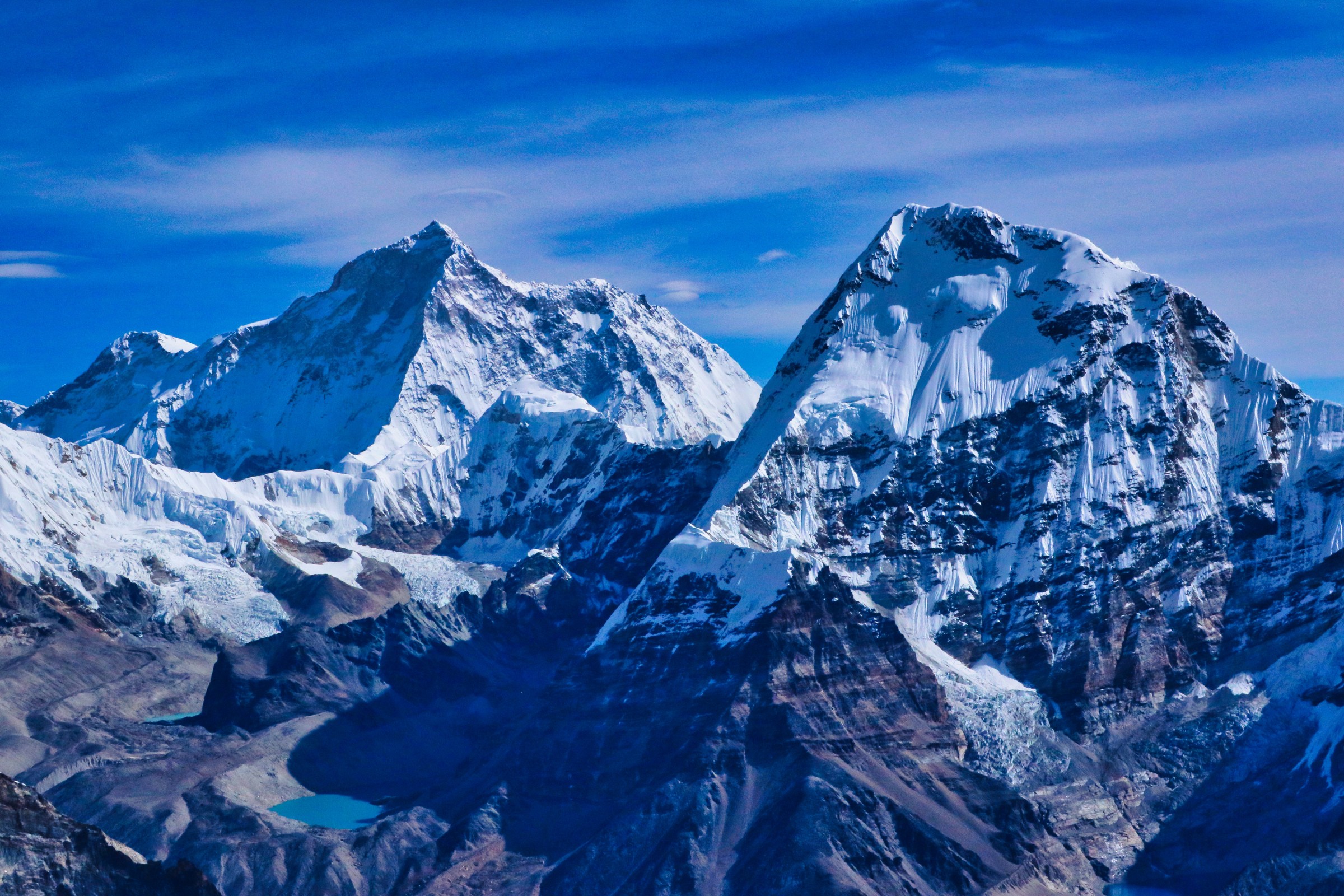
Among Nepal’s very dangerous mountains is Makalu. It is extremely dangerous due to steep technical terrain, unstable ice, and sudden storms at extreme altitude. Climbers face exposed ridges, hidden crevasses, and massive serac walls that can collapse without warning.
Its high fatality risk reflects the combination of altitude, technical difficulty, and unpredictable Himalayan weather patterns.
Cho Oyu
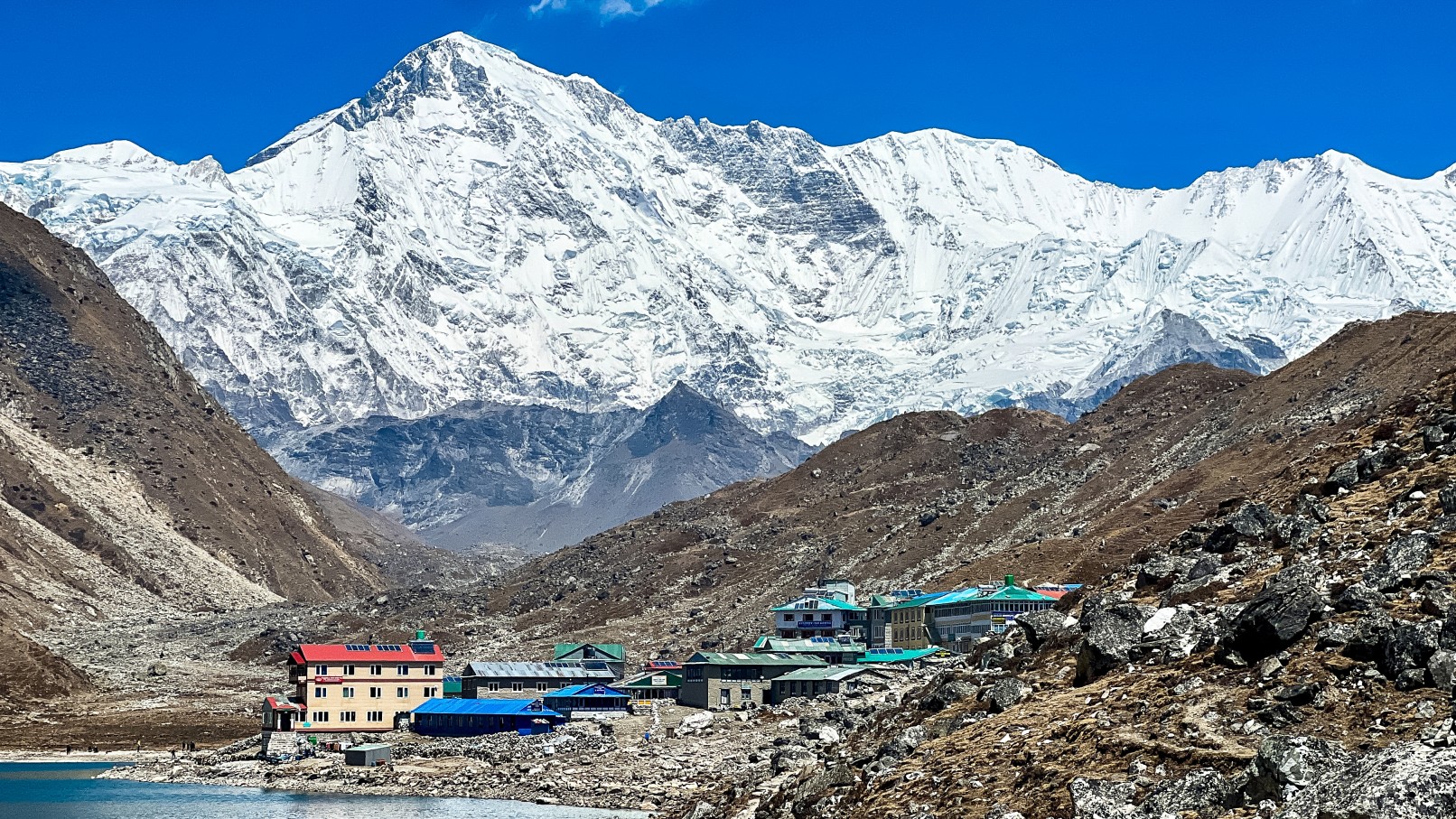
Cho Oyu is often labeled the “easiest” 8,000 meter peak, but it still poses serious danger from high altitude, hidden crevasses, and avalanche risk on its glacier approaches. Sudden storms can rapidly reduce visibility and temperature, trapping climbers.
Its remoteness and unstable conditions make rescues difficult and risks unpredictable overall.
Shishapangma
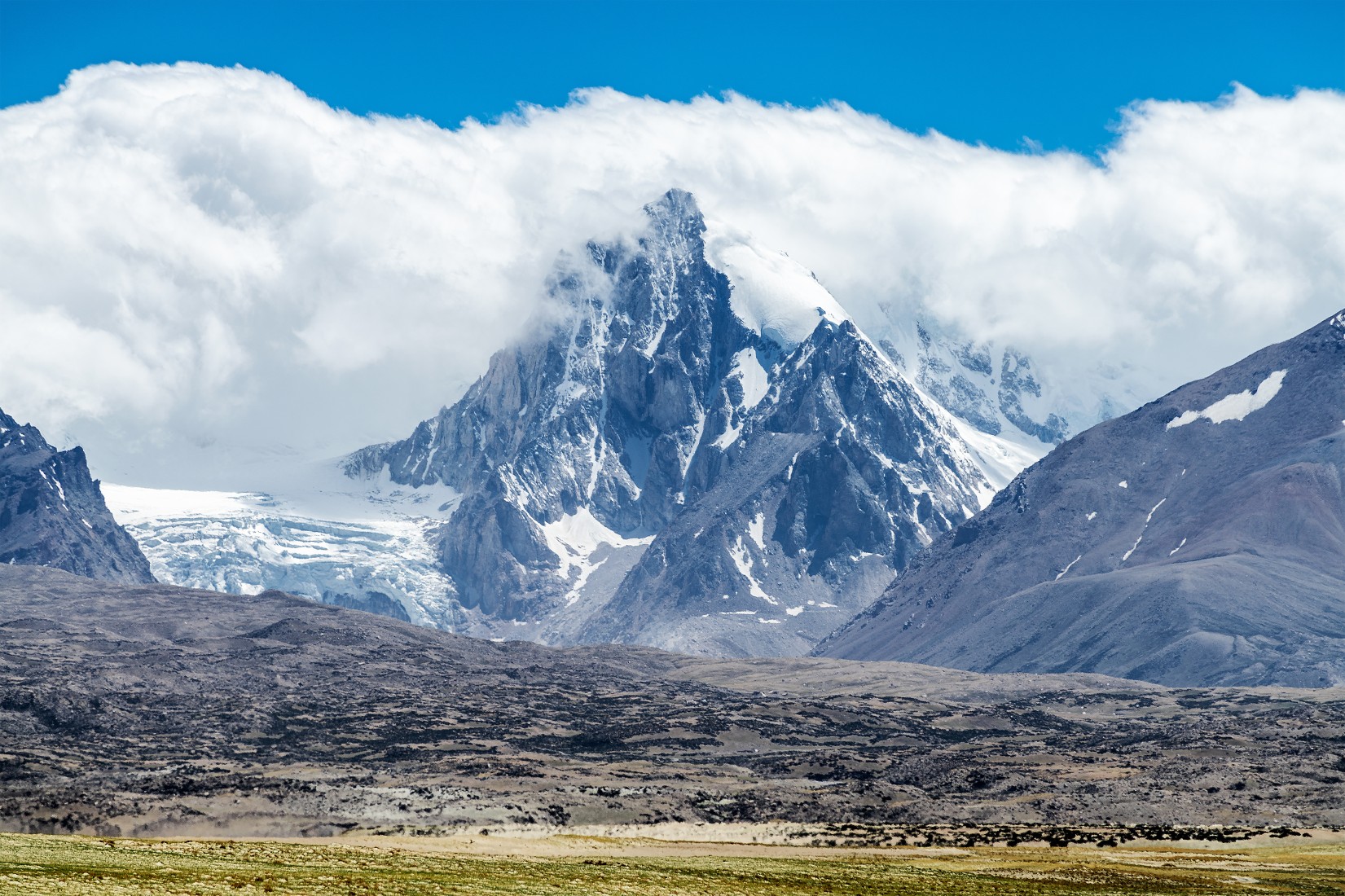
Like Cho Oyu, Shishapangma may be misleading. It is the lowest of the 8,000 meter peaks, but it remains dangerous due to rockfall zones, unstable snow slopes, and sudden high altitude storms. Its remote location makes rescue difficult and adds logistical strain.
Climbers also face hypothermia risk and navigation errors in harsh, rapidly changing conditions.