
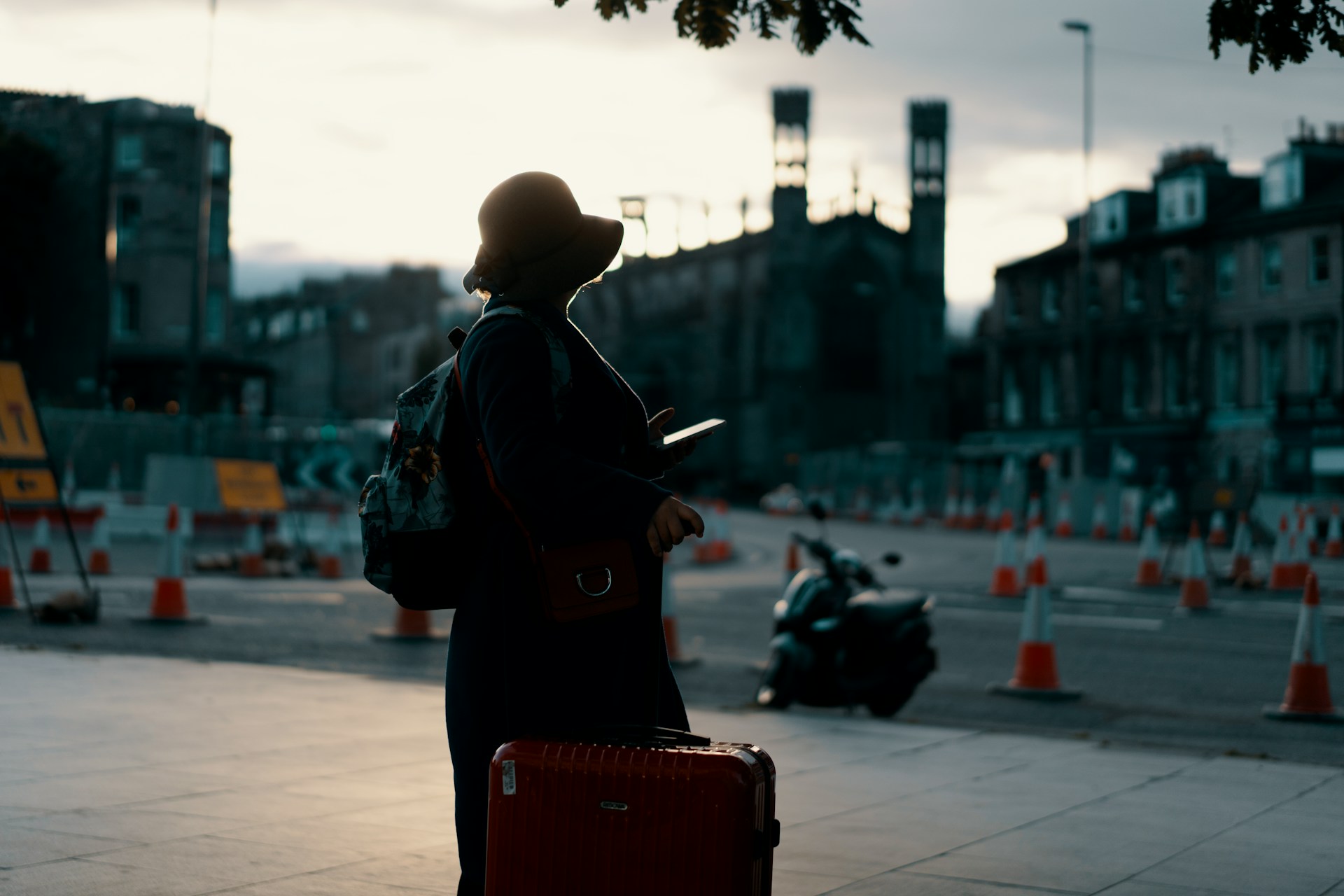
Tourist places can change faster than you think. A quiet beach town can become the next big thing, while a once-famous spot can lose its magic under crowds, hotels, and souvenir shops. Some places get a second chance after cleanups, repairs, or a new wave of interest. Others feel like they have been loved too hard, until the reason people came in the first place is almost gone.
Travel is not just about where you go – it is also about when you go. The right trip can feel like finding a secret before everyone else does, while the wrong one can feel like arriving after the best part is over. This look at tourist places making a comeback and ones it’s too late to visit will help you see which destinations are rising again, and which may now live better in old photos and memories.
Lisbon, Portugal
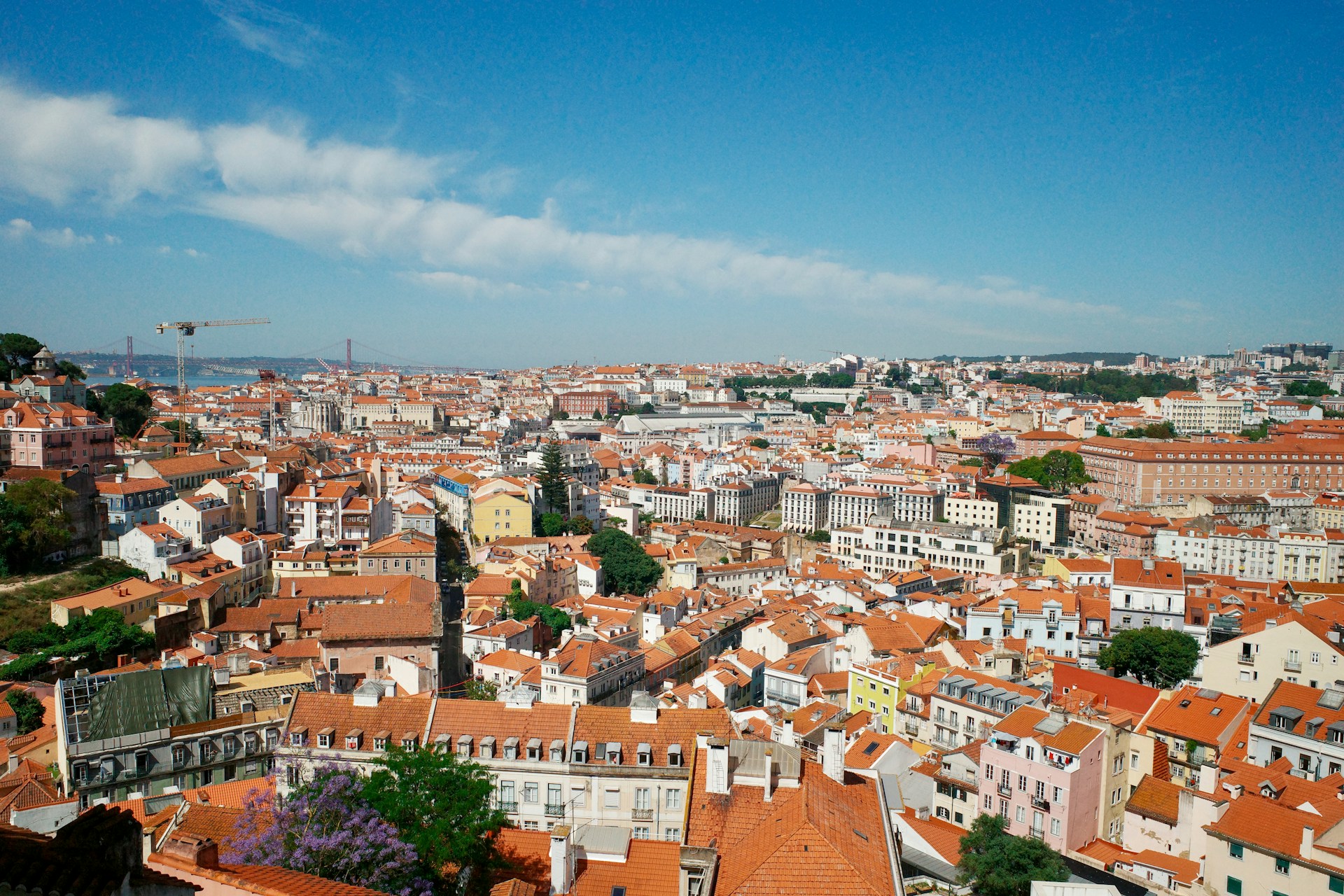
Lisbon, Portugal feels bright again without acting like a brand new city. Restored streets, tiled walls, old trams, and hilltop views give it the kind of charm that still feels real. In Alfama, narrow lanes still carry the sound of fado music, and locals still shape the mood of the area.
The comeback works because Lisbon has not pushed its past aside. New cafes, art spaces, and riverfront areas add fresh energy, while old neighborhoods keep their color and soul. It feels alive, not frozen, and that balance makes Lisbon worth visiting now.
Kyoto, Japan
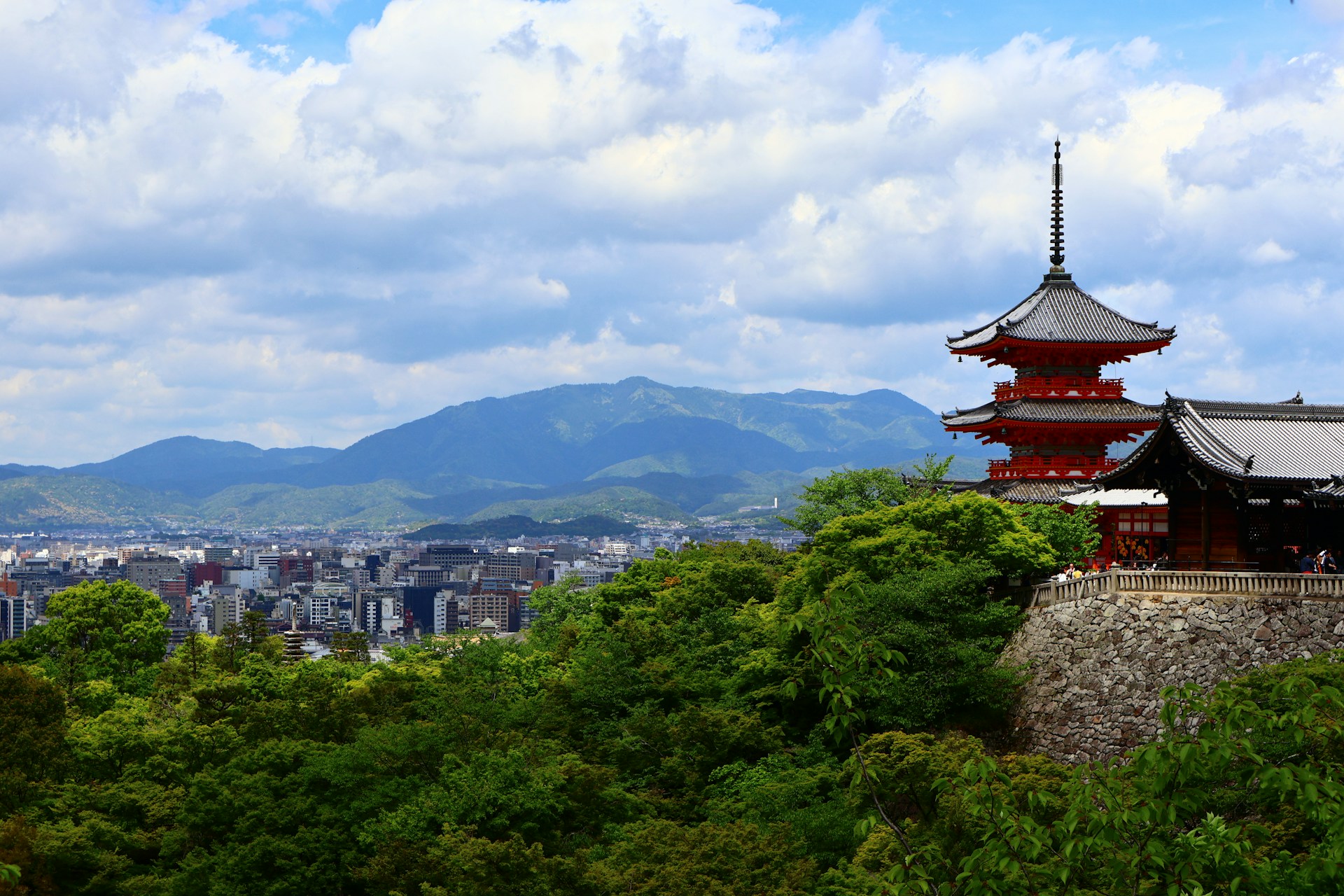
Kyoto, Japan is finding a softer rhythm after years of packed paths and crowded photo stops. The city has added rules and travel advice to guide visitors away from the busiest hours, helping temples, shrines, and old lanes feel more peaceful again.
That calm matters because Kyoto is best when you can hear your own steps on stone streets or watch maple leaves fall without a rush around you. Spring blossoms and autumn colors still pull big crowds, but smarter planning and more care for local life are giving the city room to breathe. Kyoto is not frozen in the past. It is learning how to protect its magic while still welcoming people in.
Medellín, Colombia
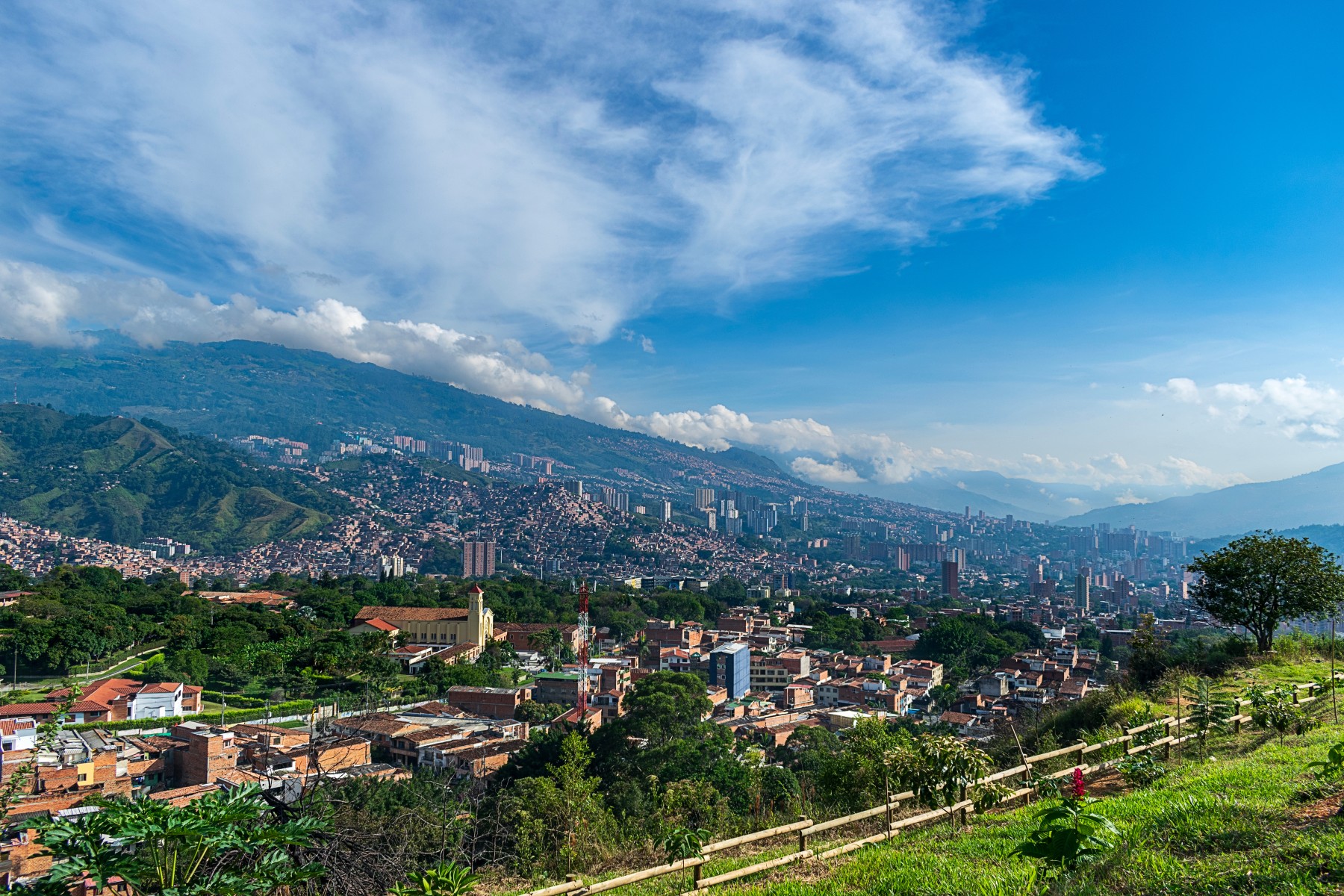
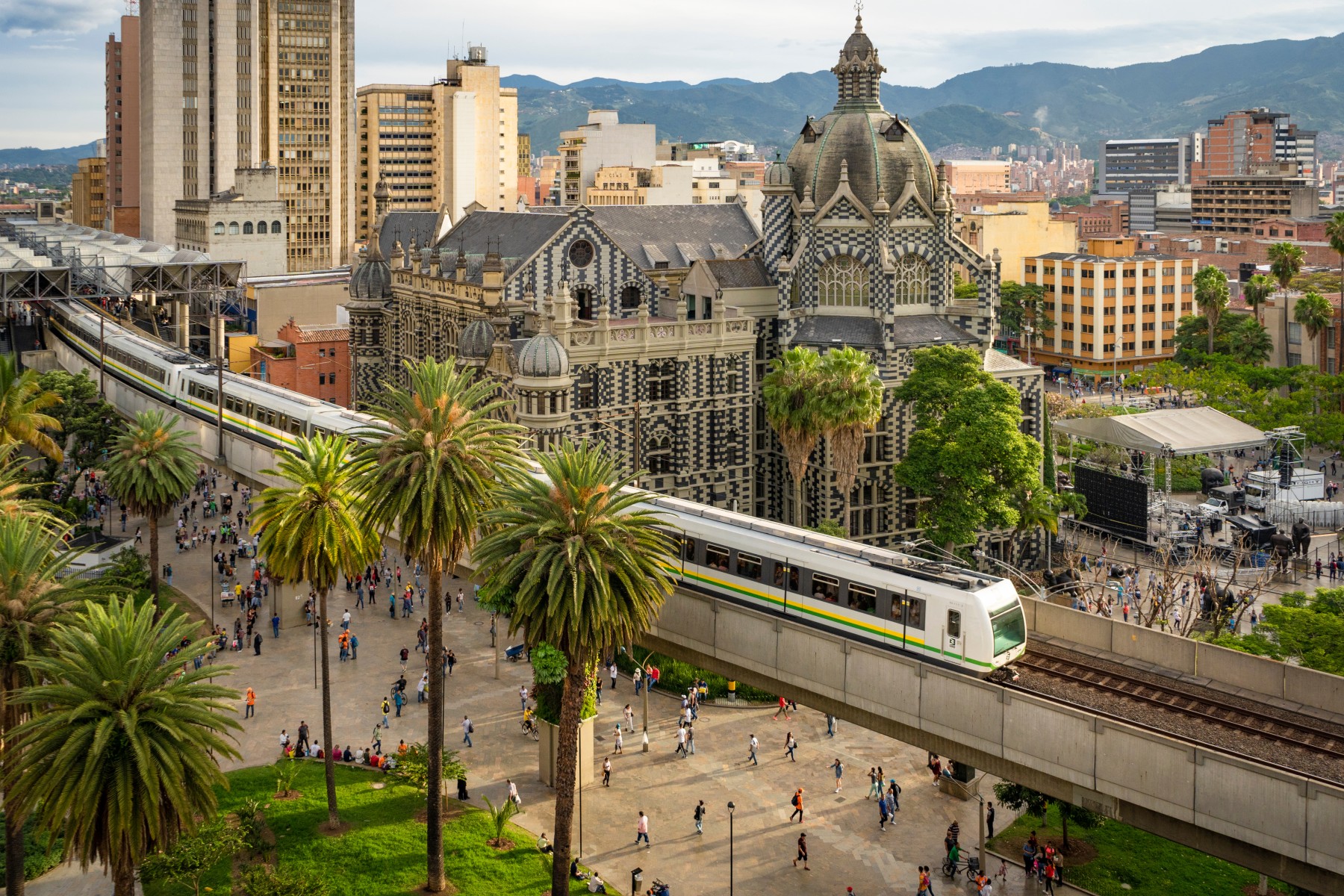
Medellín, Colombia has worked hard to change the story people once told about it. The city is now known for bright public parks, cleaner transit, hillside cable cars, and outdoor escalators that help connect steep neighborhoods to the rest of town.
Its comeback feels real because the changes are part of daily life, not just a show for visitors. Street art in Comuna 13, busy plazas, and new green areas give Medellín a warmer feel, while its past is not forgotten. The city still asks for smart travel choices, but it now shows how design, care, and local pride can help a place rise again.
Athens, Greece
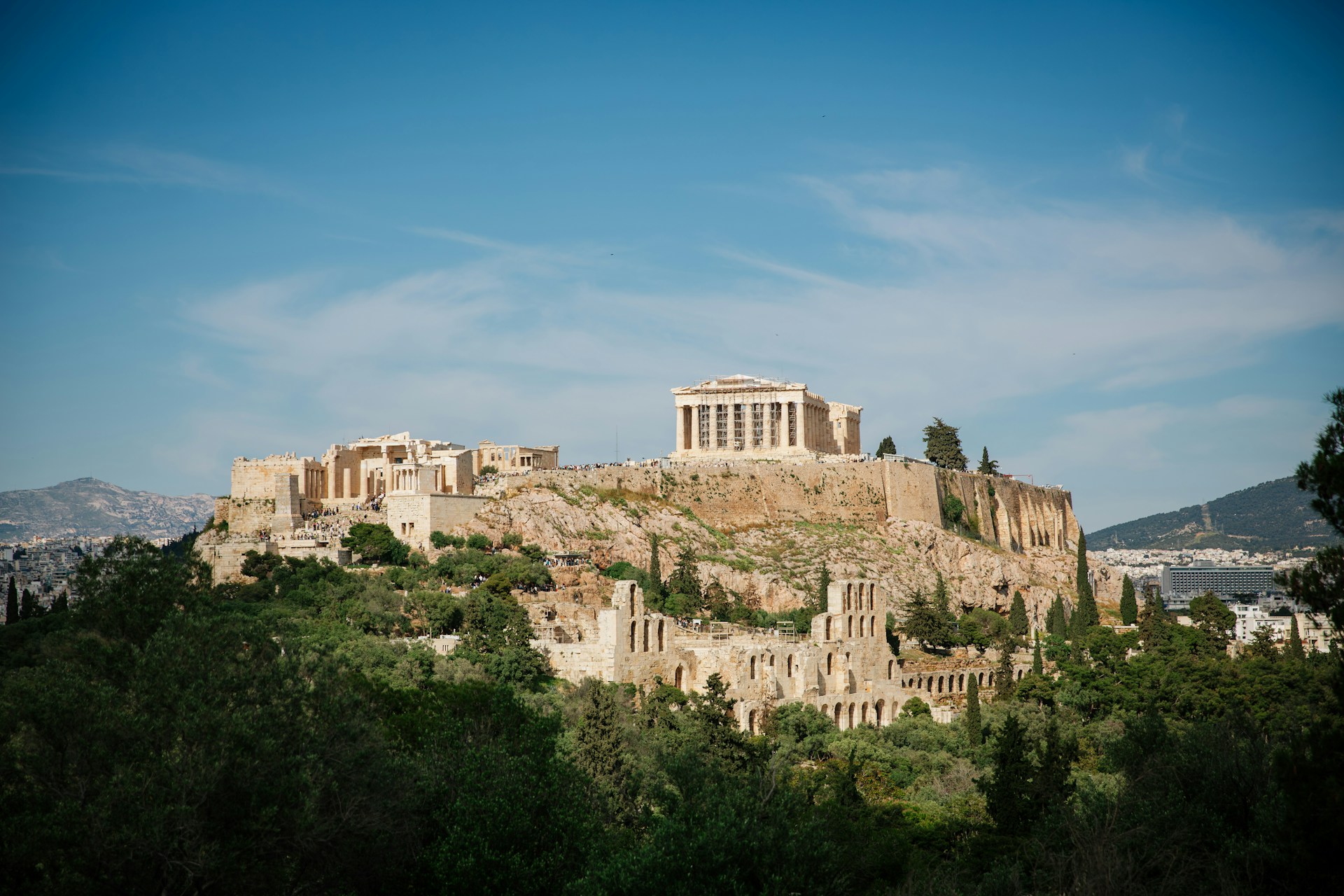
Athens, Greece is coming back as a culture stop, not just a place for old stones. You can still climb toward the Acropolis, but the city now pulls you into bright museums, busy squares, small cafes, and walls filled with street art.
The new Athens feels loud, warm, and awake. You can taste souvlaki after sunset, watch local shops fill with music, or walk through neighborhoods where young artists and family run businesses share the same streets. Athens still carries its ancient story, but its comeback comes from the life happening right now.
Tbilisi, Georgia
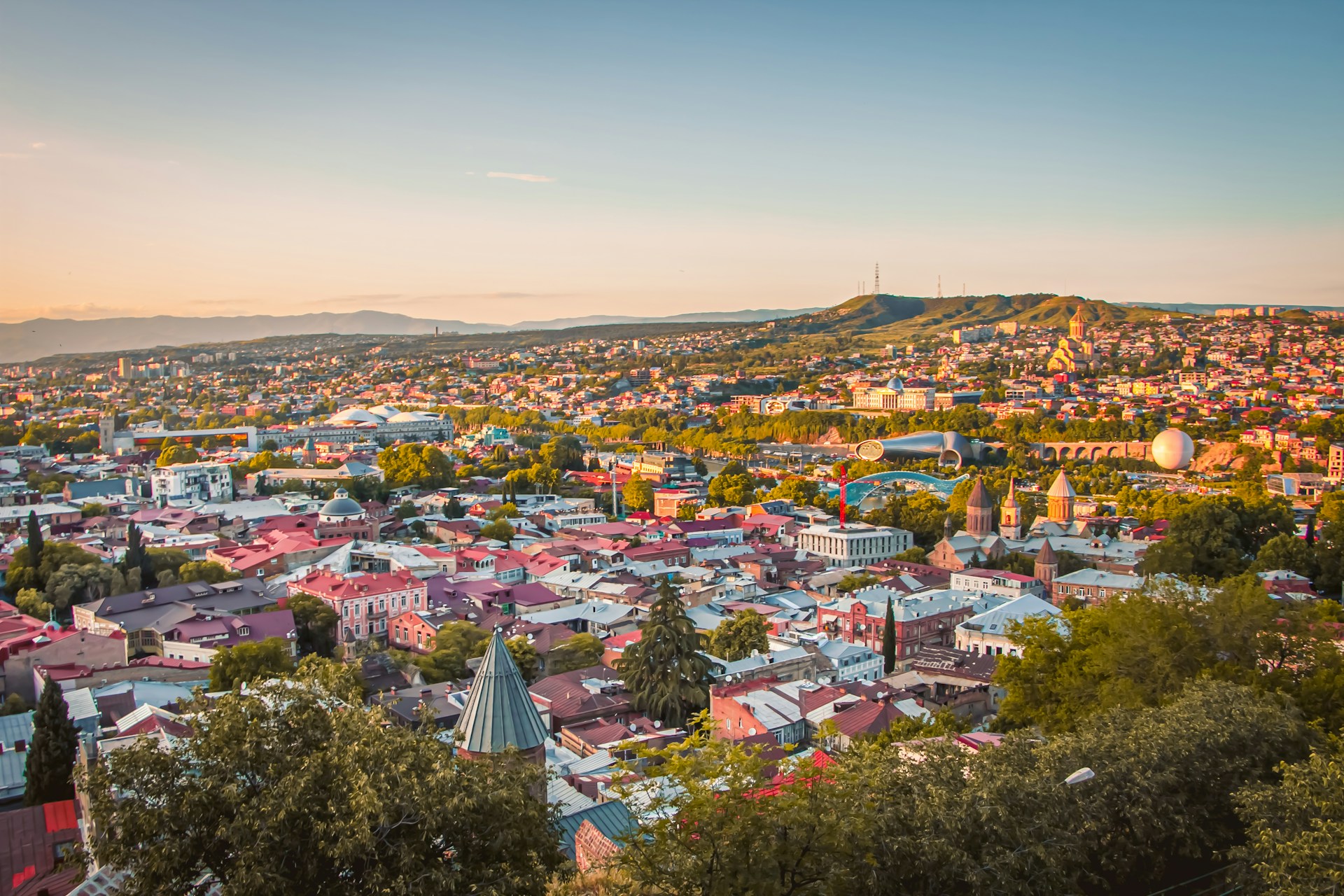
Tbilisi, Georgia is stepping into the travel light with a look all its own. Wooden balconies hang over old streets, glass buildings rise nearby, and hillside views make the city feel bold without feeling fake. Restored parts of the old town help keep its warm, lived in charm.
Food is a huge part of the comeback too. Travelers come for khachapuri, dumplings, sulfur baths, small cafes, and prices that can feel kinder than in many big European cities. Tbilisi works because it still feels real – a little wild, very tasty, and full of surprises around each corner.
New Orleans, USA
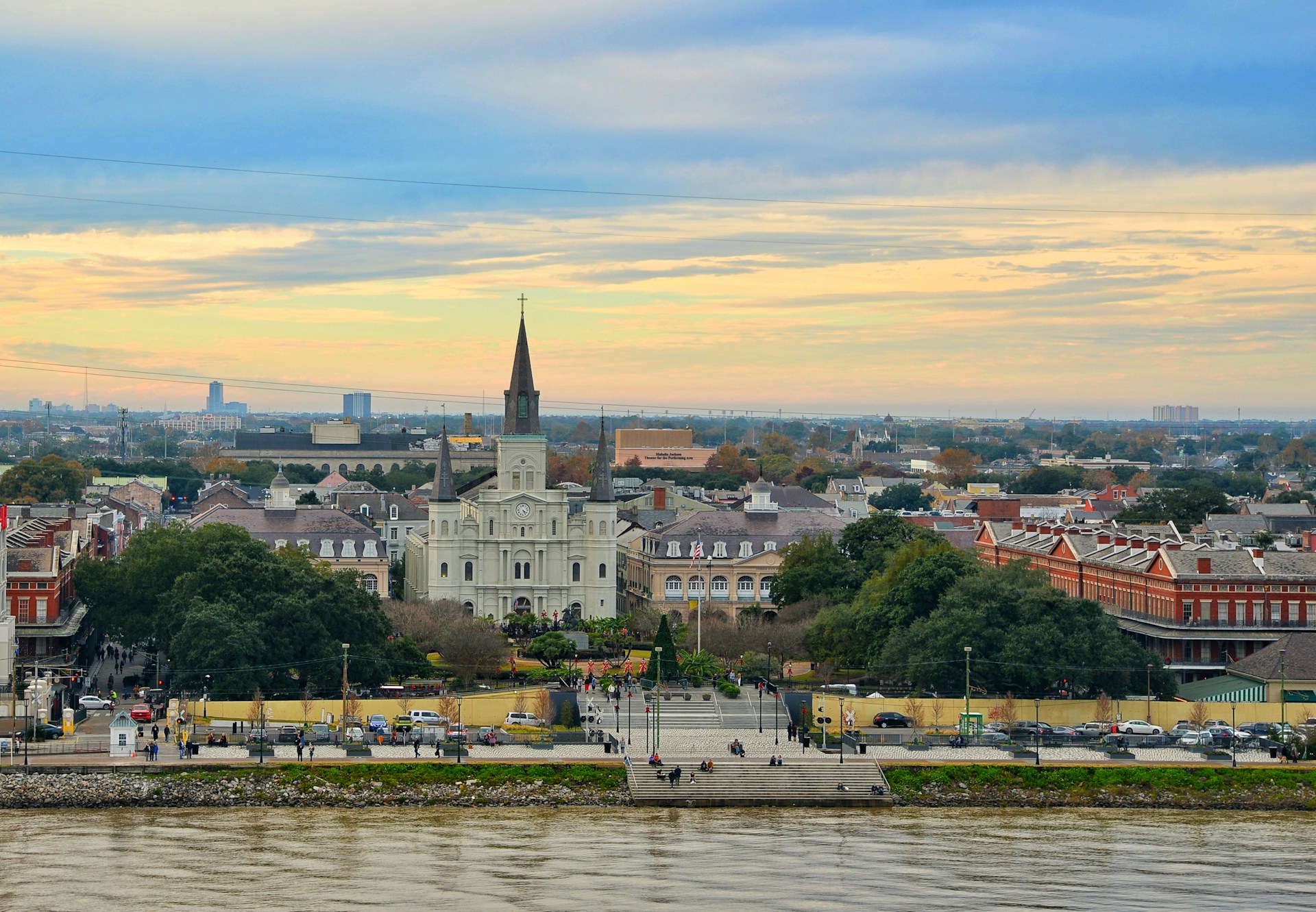
New Orleans, USA keeps coming back with music in the air and flavor on every block. After storms and floods hit hard, the city rebuilt piece by piece, while its brass bands, Creole food, and old streets stayed close to its heart.
The French Quarter still buzzes with balconies, jazz clubs, and the smell of beignets. Beyond the busy streets, local neighborhoods carry the real strength of the city. New Orleans feels like a place that refuses to go quiet, no matter what it has faced.
Palermo, Italy
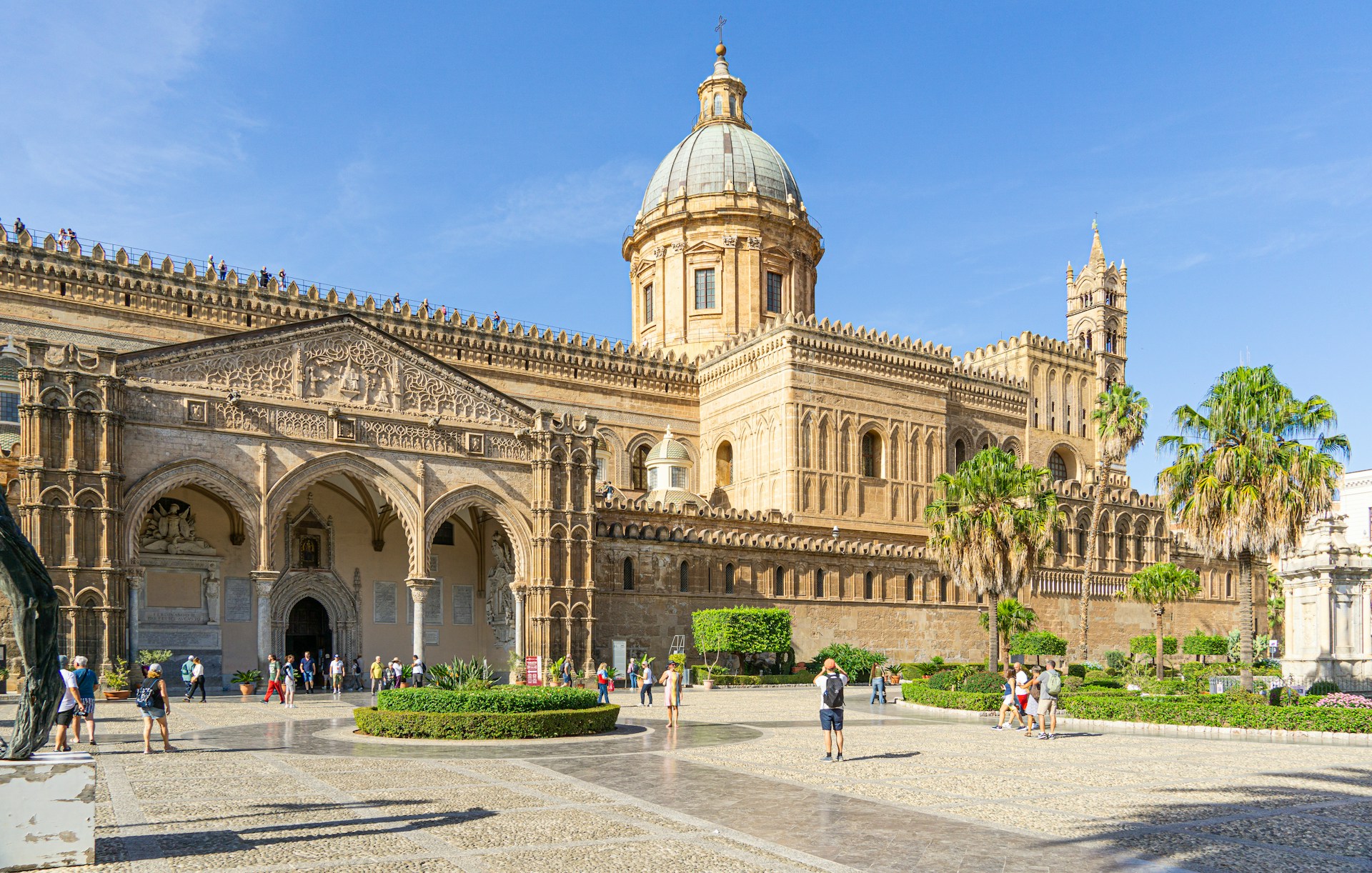
Palermo, Italy is winning people over with sea air, loud markets, and buildings that look worn but proud. After years of being passed over by many travelers, the city feels easier to visit now, with better safety, clearer travel paths, and more care around its historic center.
At Ballarò, sellers shout over piles of fruit, fried snacks, and fresh fish. Nearby, old churches and grand palaces show the many cultures that shaped Sicily. Palermo is not polished flat, and that is part of its pull. Its comeback feels human, full of color, noise, and local pride.
Sarajevo, Bosnia and Herzegovina
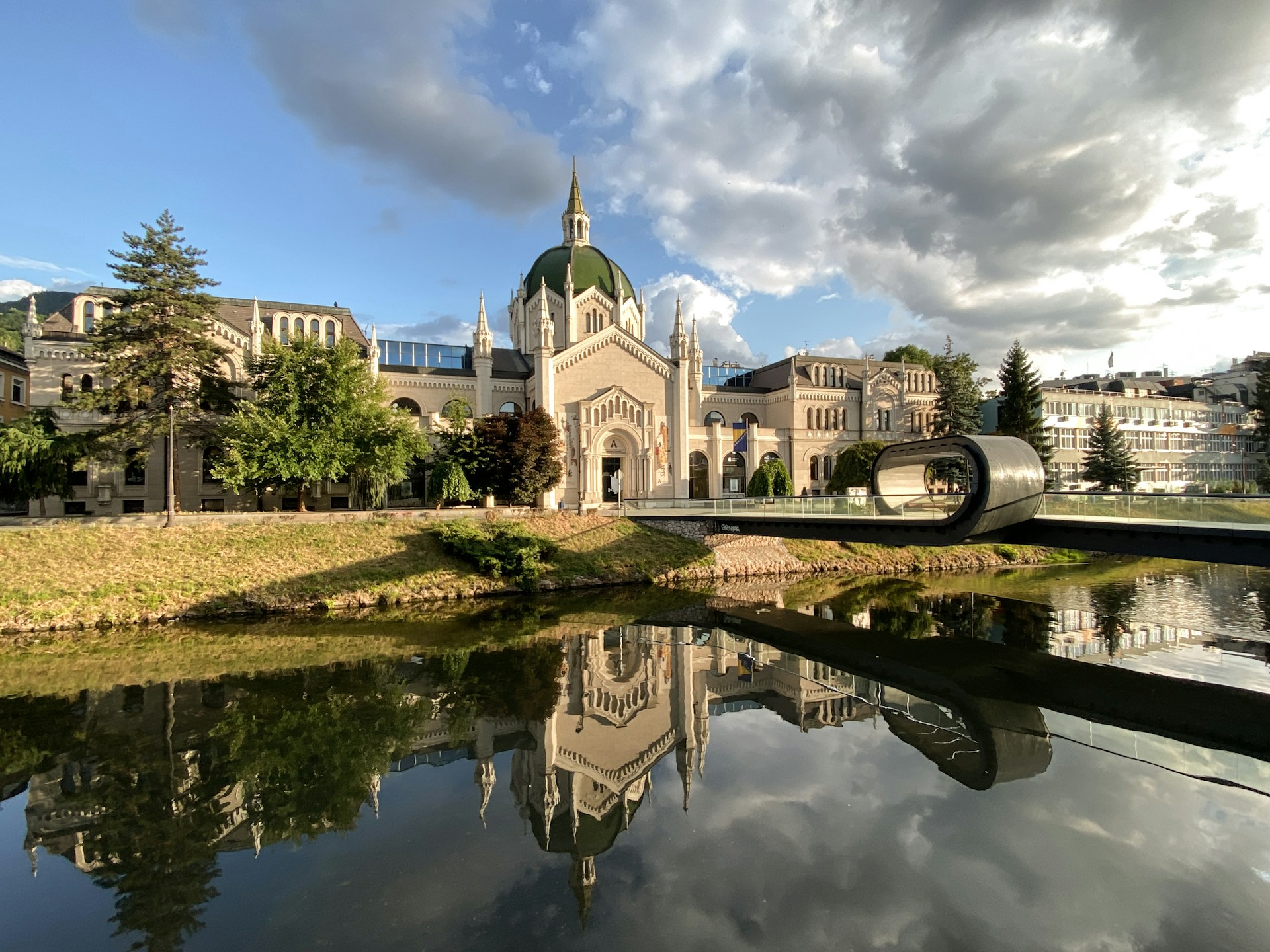
Sarajevo, Bosnia and Herzegovina has rebuilt with a quiet kind of strength. Trams move through the valley, cafes fill with talk, and the old bazaar of Baščaršija still smells of coffee, bread, and grilled meat. Around it, mosques, churches, and synagogues show how many stories meet here.
The city does not hide its scars, but it does not live only inside them either. Hills rise close around the streets, and new life keeps showing up in small shops, museums, and busy corners. Sarajevo’s comeback feels careful and honest, like a place holding its past in one hand and the future in the other.
Detroit, USA
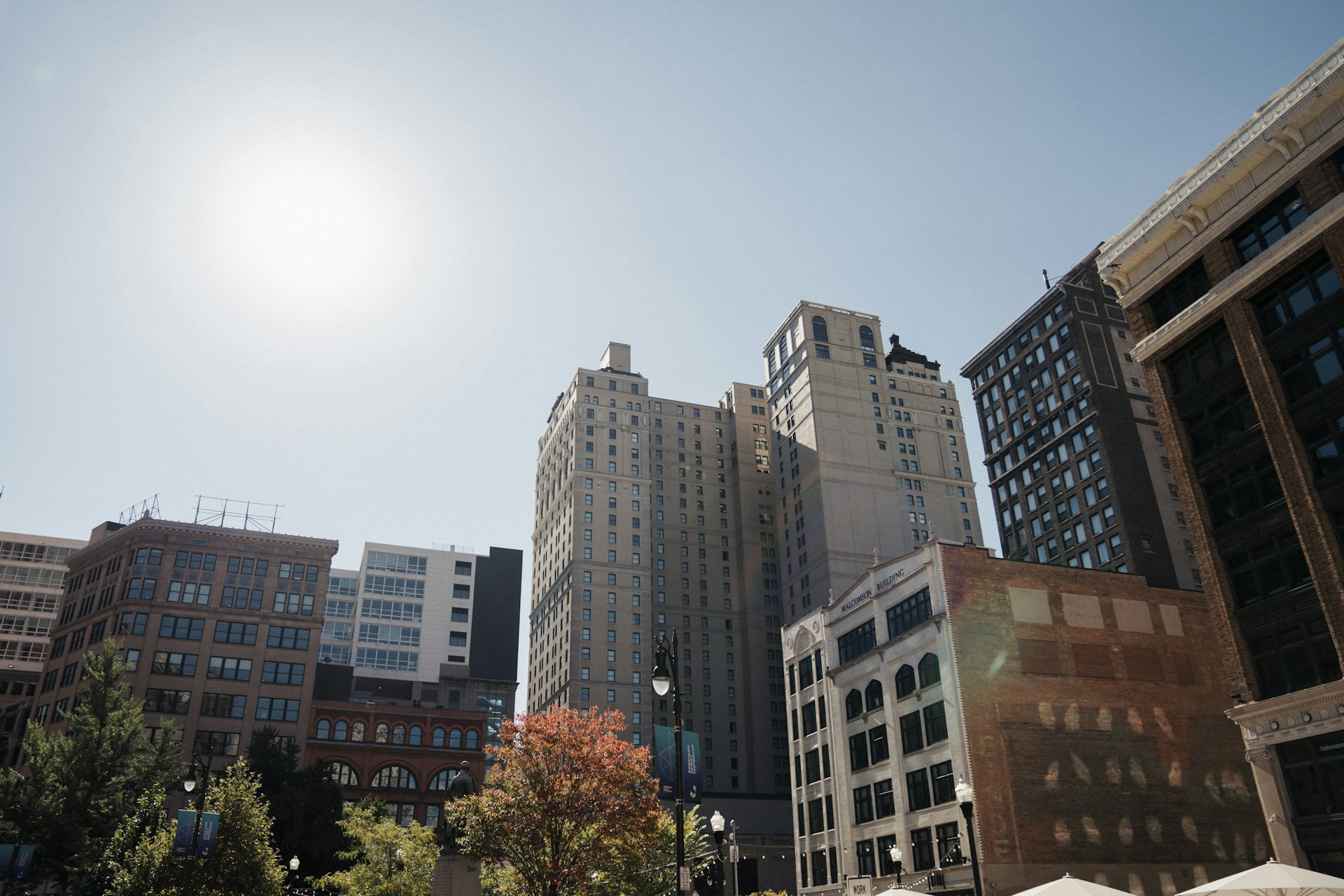
Detroit, USA is earning a second look with bold art, busy streets, and a comeback you can actually see. Old factory buildings are turning into food halls, studios, and shops, while downtown brings new hotels, sports crowds, and riverfront walks.
The city’s music roots still run deep, from Motown history to live shows in small venues. Murals color brick walls, local businesses are growing, and neighborhoods like Corktown and Midtown feel full of fresh work and pride. Detroit is not pretending its hard years never happened. It is building forward, loud engine and all.
Bali, Indonesia
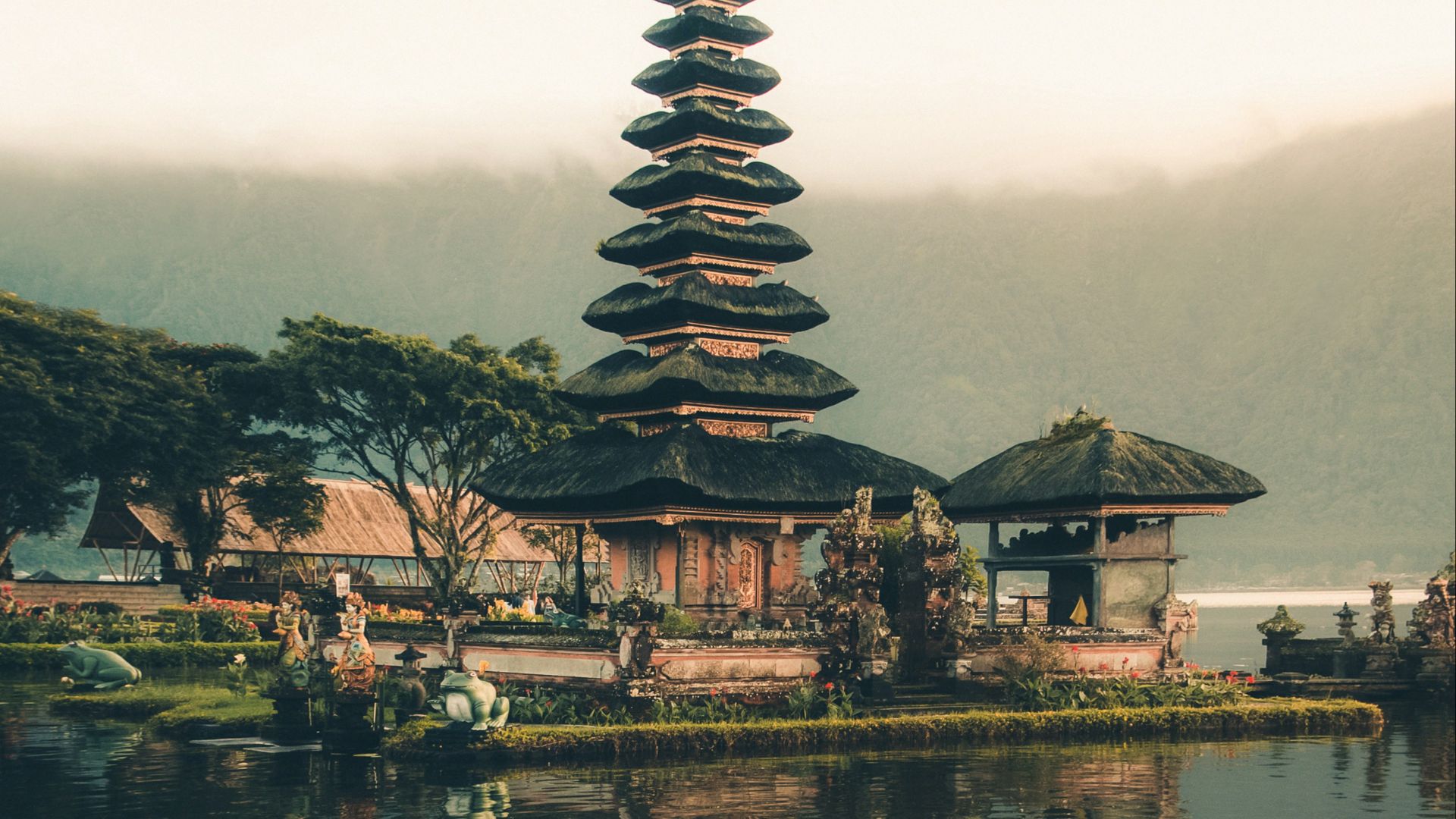
Bali, Indonesia is trying to slow down after years of crowded beaches, packed roads, and fast building. In some areas, beach cleanups, limits near sacred temples, and more care for rice fields are helping the island protect the beauty that first drew people there.
This comeback is not about making Bali look new. It is about keeping its soul from being buried under traffic and trash. Travelers can choose village stays, reef friendly trips, local guides, and quieter parts of the island. Bali still has real problems, but its better path starts with respect for the land, the sea, and the people who call it home.
Venice, Italy
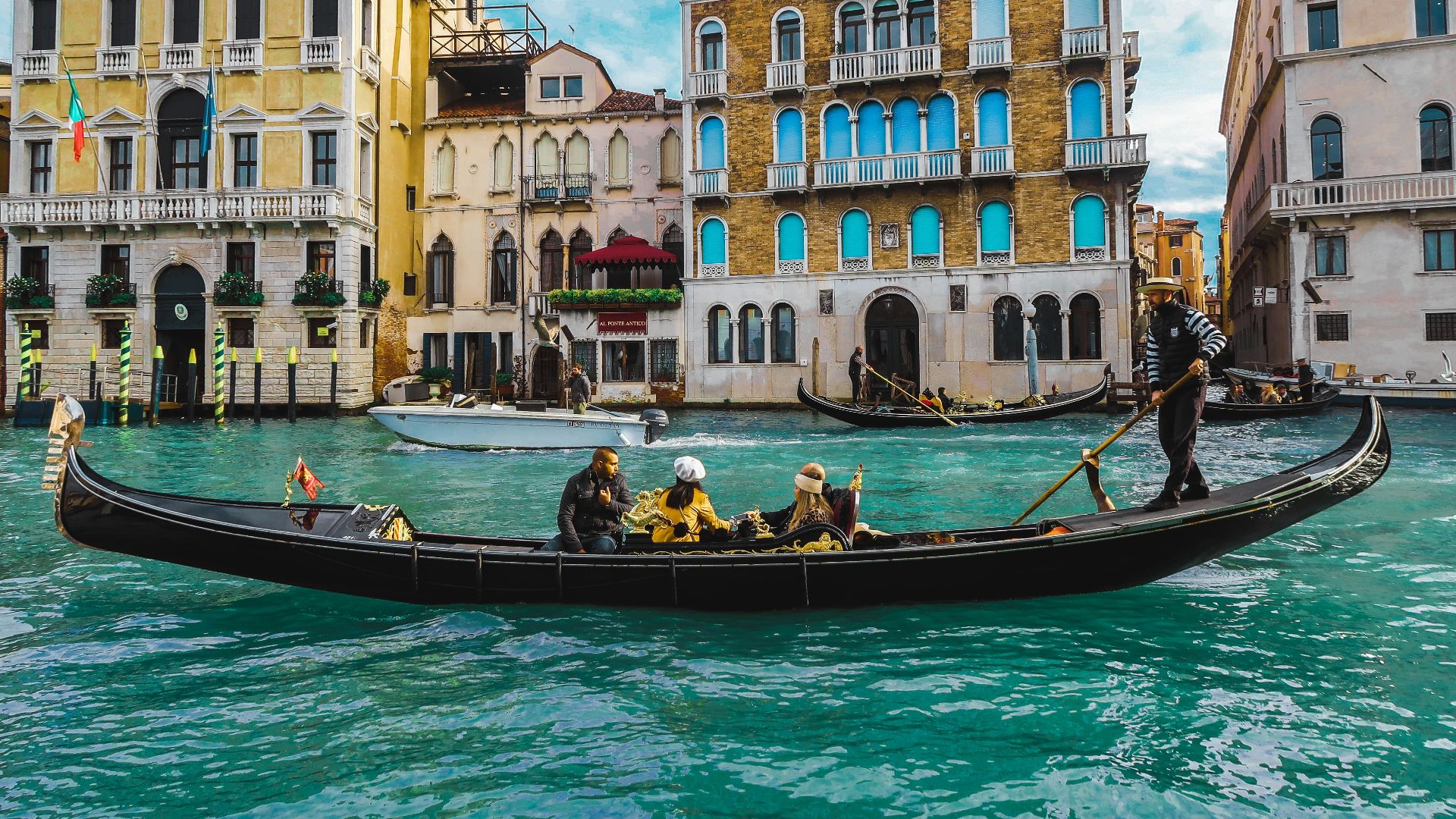
Venice, Italy is still lovely, but it can be hard to feel the quiet wonder people expect. Narrow lanes fill fast, bridges slow to a crawl, and day trippers often crowd the same canal views before moving on.
The city’s beauty has not vanished. Gondolas still glide, old walls still glow, and water still shapes every step. Yet the pressure is easy to notice. Local life feels squeezed, and the magic can get buried under lines, noise, and packed squares. Venice is not gone, but the softer version many travelers imagine is harder to find.
Machu Picchu, Peru
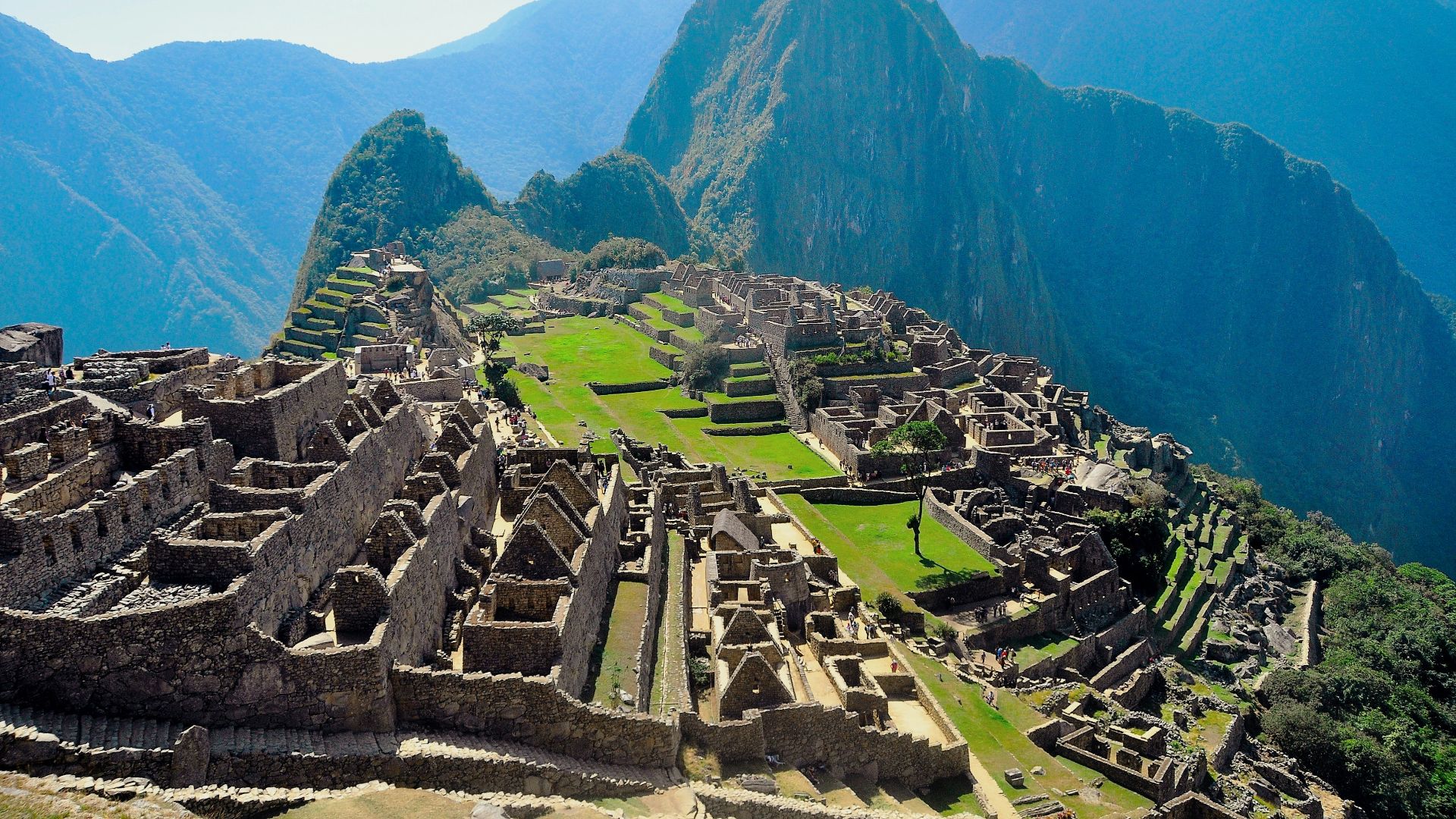
Machu Picchu, Peru still feels powerful when the clouds lift and stone walls appear high in the Andes. Yet the trip is no longer a loose adventure where you wander as long as you want. Tickets, timed entry, set paths, and guides shape each step.
That control helps protect the site, but it also changes the mood. You plan trains, buses, passes, and time slots before you even see the first terrace. The wonder is still there, but the old feeling of roaming into history at your own pace has become much smaller.
Santorini, Greece
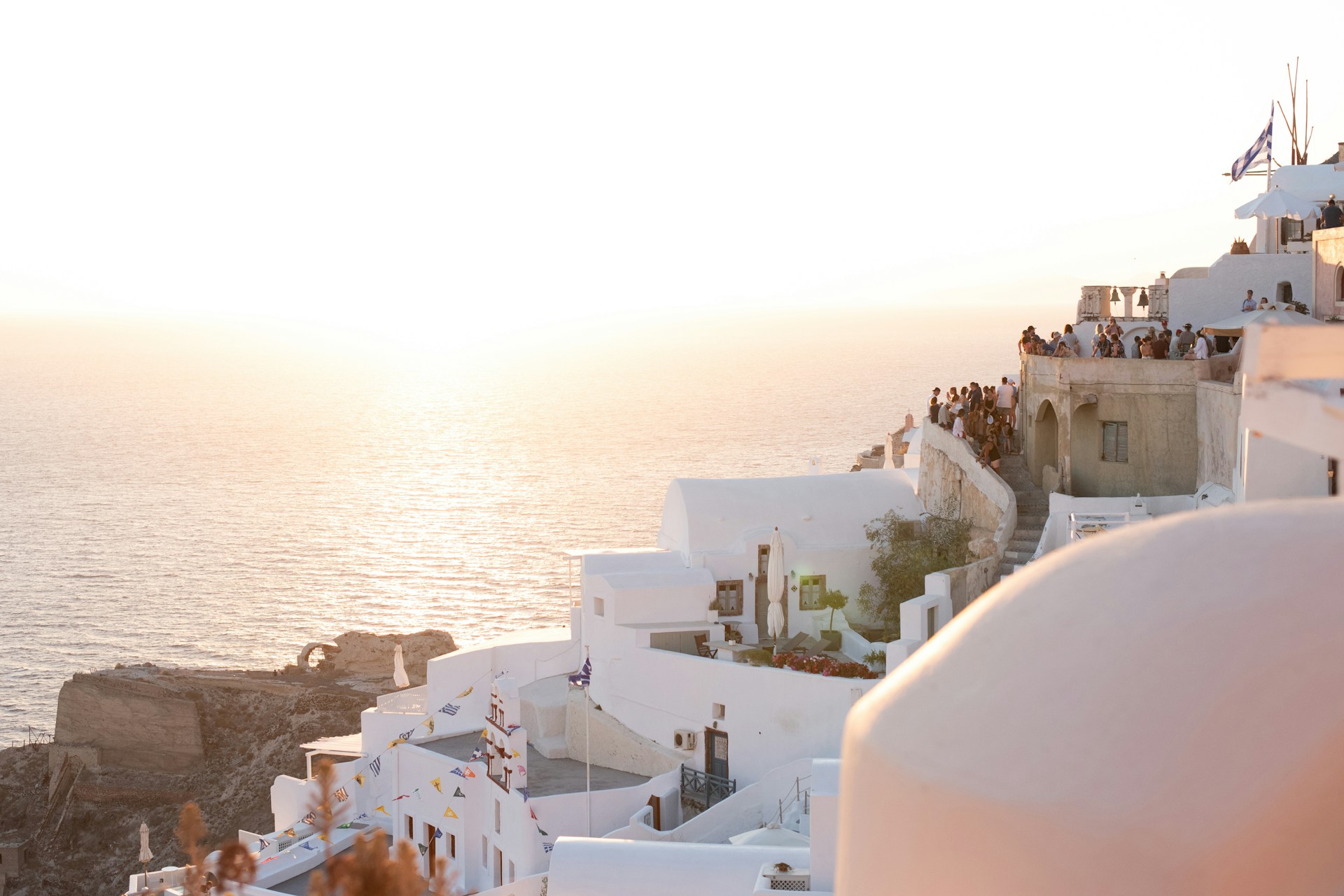
Santorini, Greece still shines with white houses, blue domes, and cliffs above the sea. But in peak season, the calm island many people imagine can feel far away. In Oia, sunset views often come with shoulder to shoulder crowds and phones raised in the air.
Rooms book fast, prices climb, and small paths can feel more like lines than village streets. The beauty is real, but the soft silence is harder to catch. Santorini has not lost its glow, yet its slow, dreamy side now takes more luck, patience, and careful timing to find.
Dubrovnik, Croatia
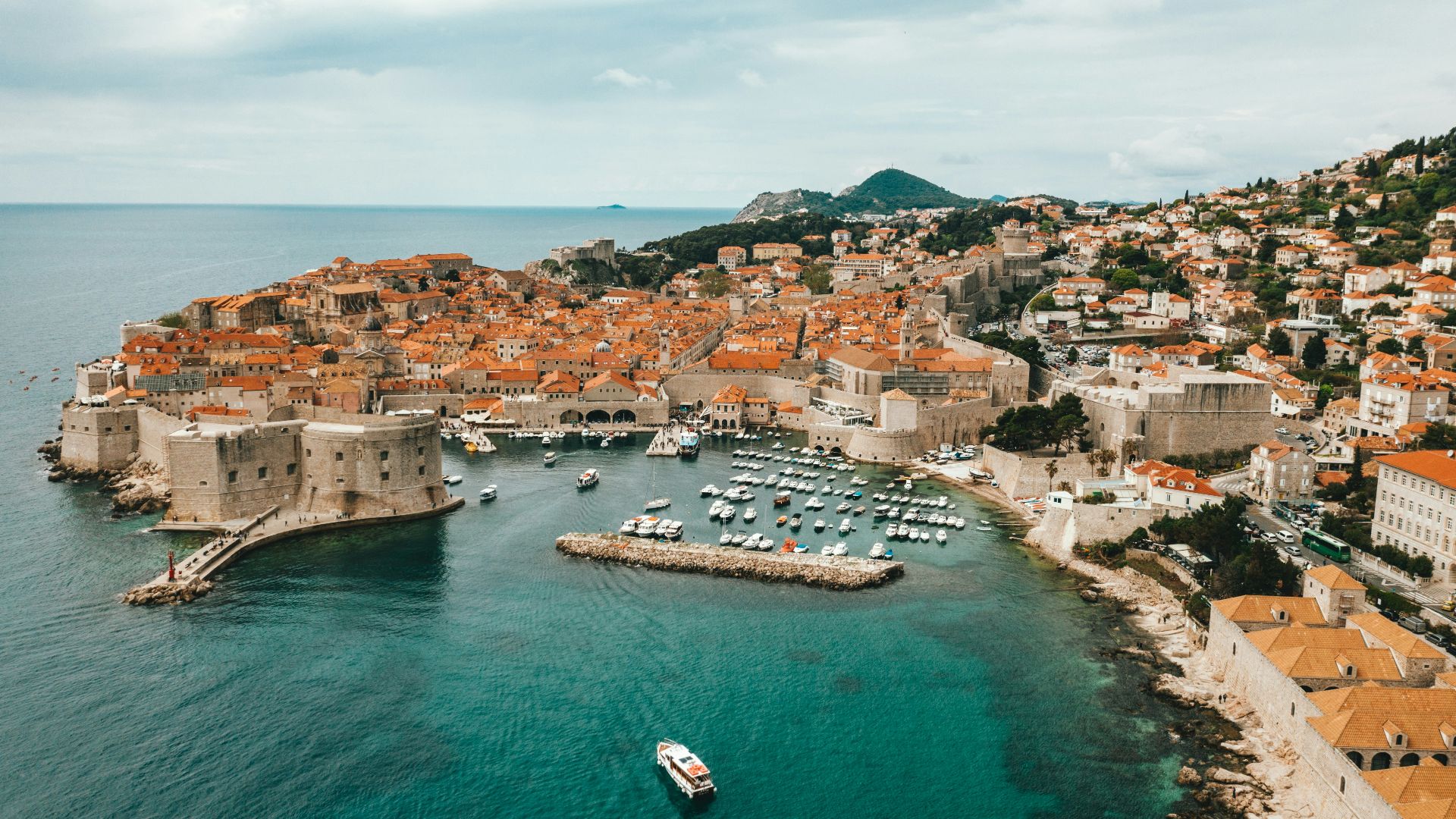
Dubrovnik, Croatia still looks unreal, with pale stone walls, red roofs, and the Adriatic shining below. But the slower visit many people want is harder now. After its fame grew through TV and film, the old town became a magnet for quick trips and cruise crowds.
When ships arrive, gates fill, steps echo with tour groups, and tiny lanes can feel like a moving queue. The walls are still amazing, and the sea views still hit hard, but the mood changes fast. Dubrovnik is best seen early, late, or off season, before the rush turns history into traffic.
Mount Everest, Nepal
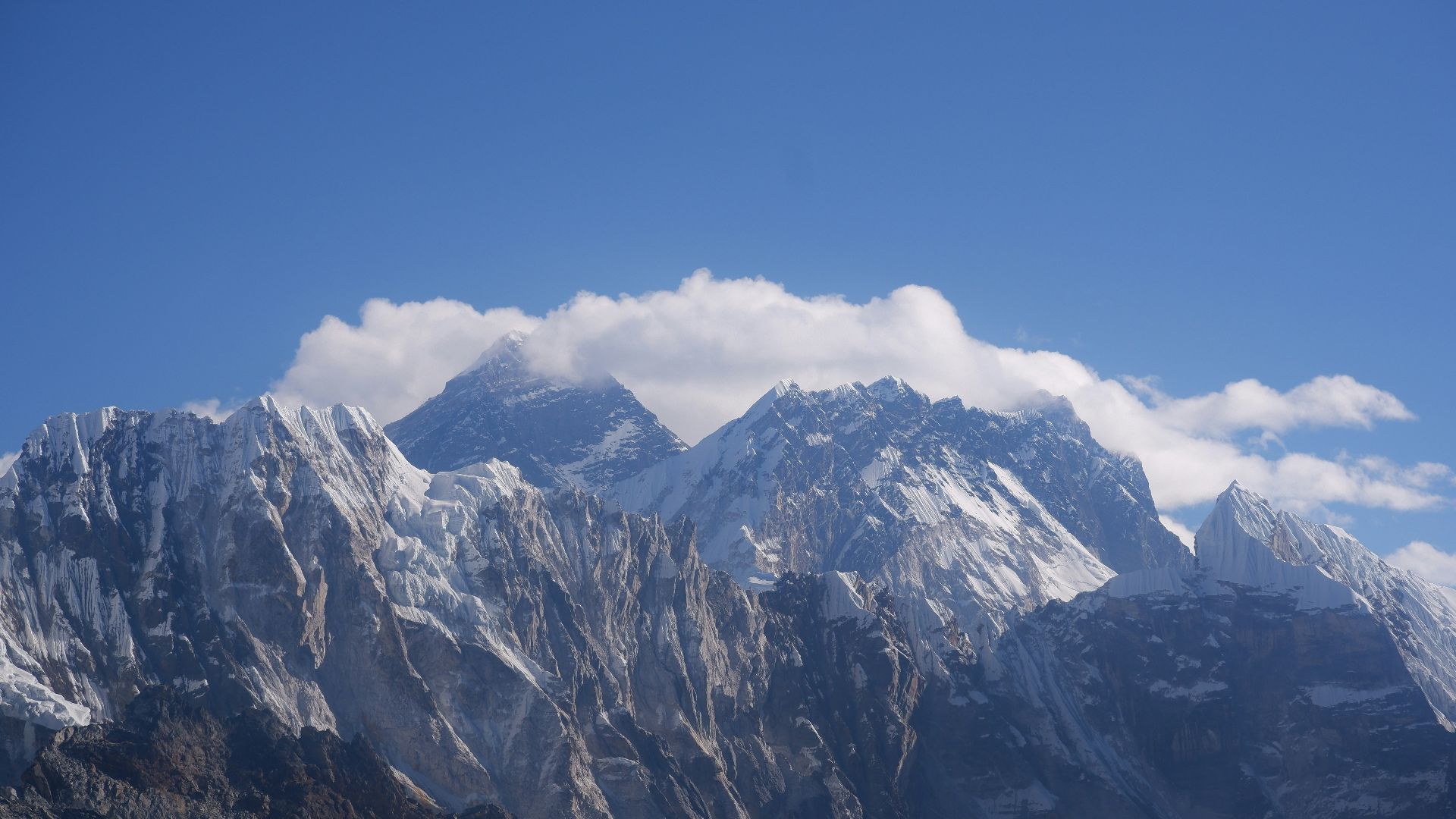
Mount Everest, Nepal is still the tallest challenge on Earth, a white giant that makes every step feel small. But the climb no longer feels as rare as old stories made it sound. More people can book guided trips now, and in good weather, climbers may wait in long lines near the summit.
That traffic changes the mood. Bright tents, fixed ropes, empty oxygen bottles, and other waste remind visitors that even this mighty mountain is under pressure. Crowding can also raise danger, since cold, storms, and thin air do not pause for anyone. Everest is still serious and wild, but the journey now carries the noise of a busy business.
Boracay, Philippines
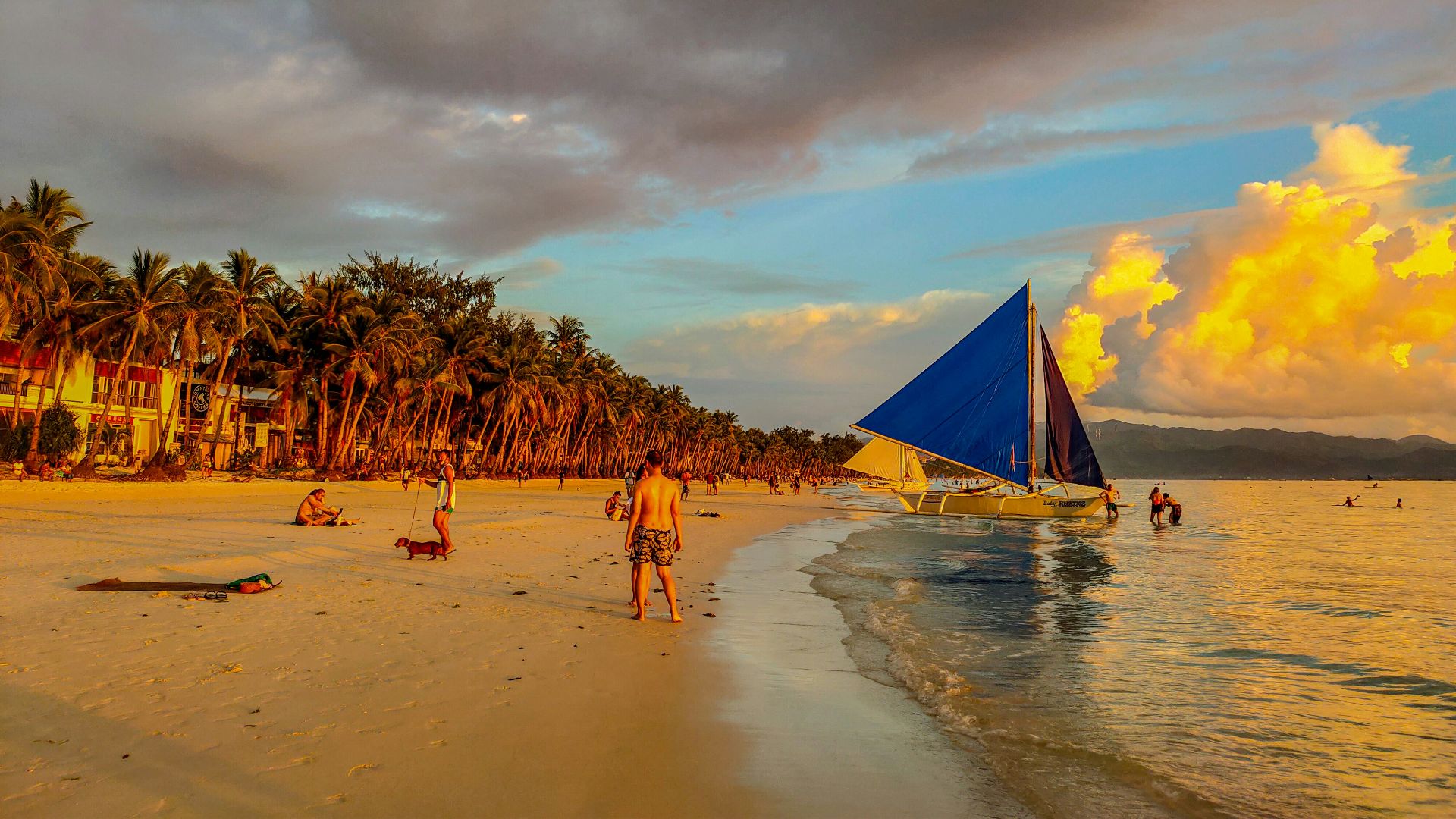
Boracay, Philippines still has powder white sand and bright blue water, but its old barefoot feel is harder to catch. Years of heavy tourism, fast building, and waste pushed the island so far that it had to close for cleanup and repair.
The break helped in real ways, with cleaner rules and more care for the shore. Still, some parts feel changed for good. Beach days can come with busy paths, big resorts, and a sense that the simple island people once talked about has slipped away. Boracay remains beautiful, but its quieter past now feels like a story told in the shade.
Phi Phi Islands, Thailand
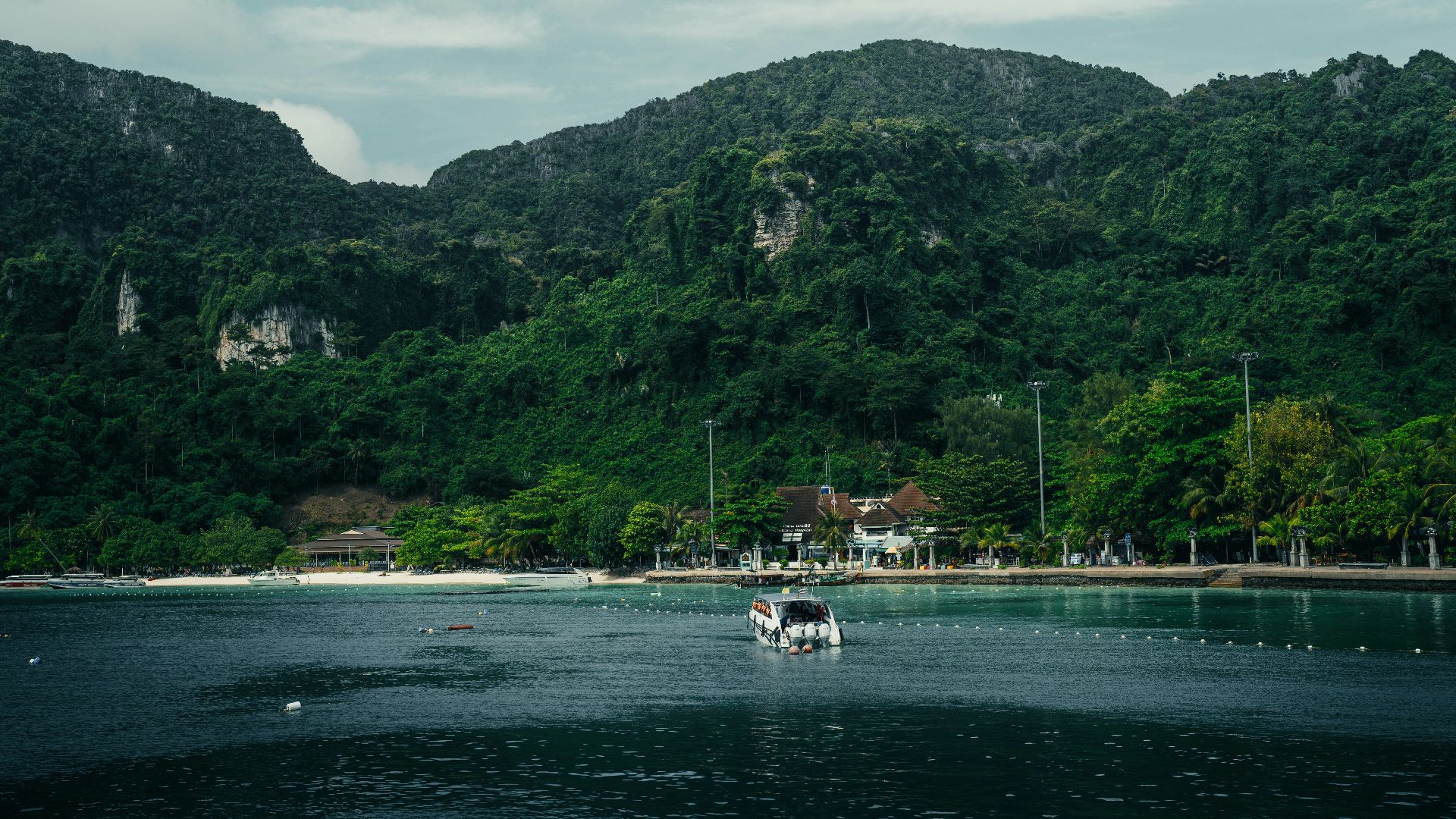
Phi Phi Islands, Thailand still look like a movie scene, with tall cliffs rising from clear water. But heavy tourism has left marks on the sand, reefs, and bays. Boats once packed into famous coves, and places like Maya Bay have had to close at times so nature could breathe again.
The islands are still a huge name for beach trips, with bright water and views that stop people mid step. Yet the clean, wild feeling is thinner now. Coral damage, busy shores, and rules around fragile areas show how much has changed. Phi Phi remains beautiful, but its untouched side is no longer easy to find.
Iceland’s Golden Circle
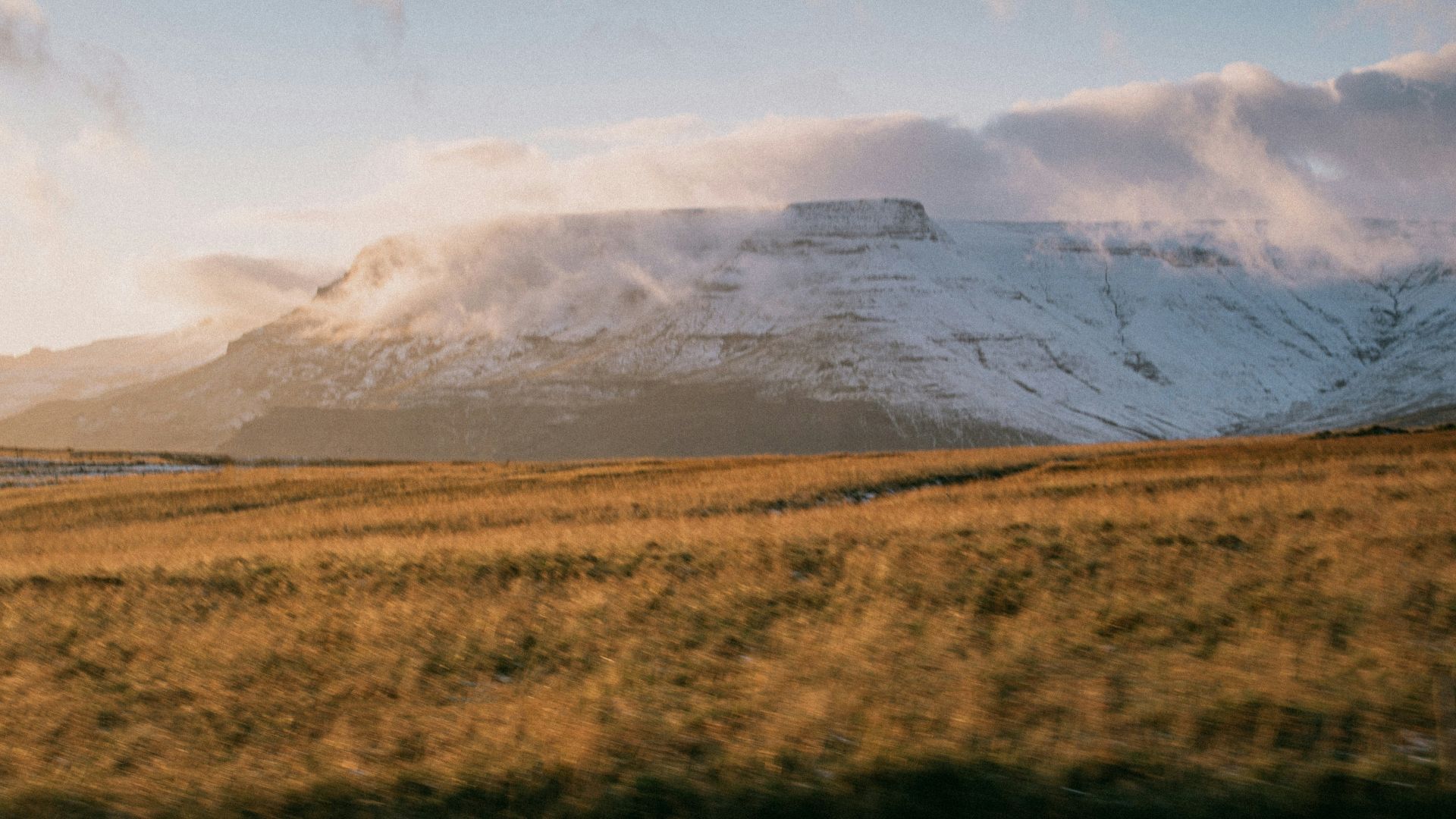
Iceland’s Golden Circle still gives you thunder from Gullfoss, steam from Geysir, and open views that make the sky feel huge. But the route is no longer the lonely road trip many travelers imagine. Tour buses roll in, parking lots fill, and famous stops can feel timed instead of free.
The beauty is not the problem. The rush around it is. At peak hours, you may hear engines and camera clicks before the wind. The waterfalls, hot springs, and lava fields still hit hard, but the far away feeling has thinned. To find quiet, you now need early starts, late light, or a path beyond the main loop.
Great Barrier Reef, Australia

Great Barrier Reef, Australia still glows in flashes: a turtle sliding past, small fish bursting like confetti, blue water stretching over coral gardens. But the reef many travelers hoped to see, bright from edge to edge, is harder to find now. Hotter seas have caused wide coral bleaching, leaving some areas pale and weak.
That does not mean the reef is gone. Many parts still hold color, movement, and life worth protecting. Yet the old promise feels thinner, like a photo fading in the sun. A visit now comes with a quiet truth: you are not just seeing a wonder, you are seeing a warning.
Las Vegas Strip, USA
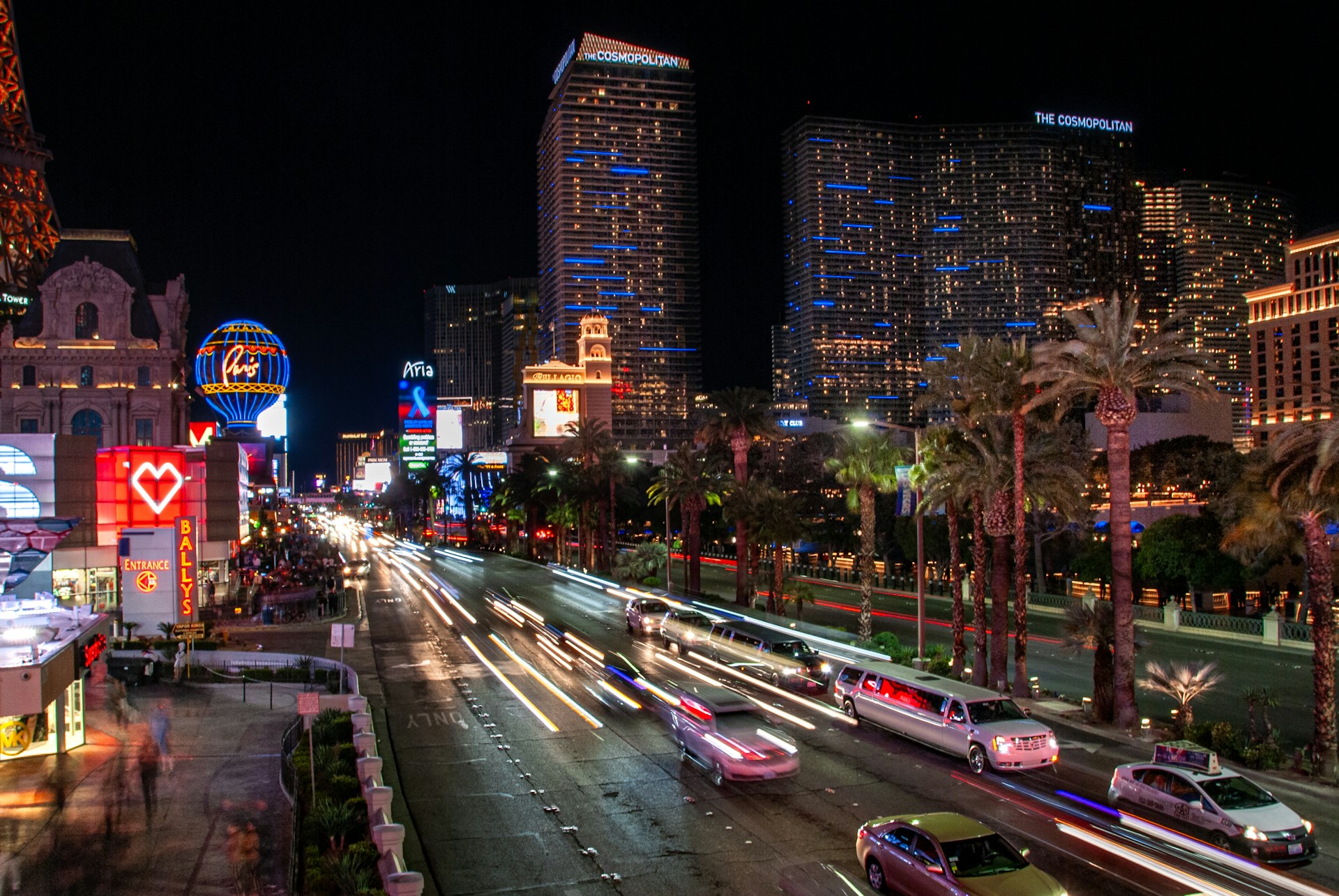
Las Vegas Strip, USA still flashes like a giant arcade, with neon signs, huge hotels, and music spilling onto the sidewalk. But the easy, cheap thrill many travelers remember is harder to find. The Strip feels more polished now, and almost every move seems tied to a price tag.
Resort fees, parking costs, high food prices, and packed walkways can turn a quick fun trip into a bigger bill than expected. The lights still buzz, and the shows still pull people in, but the old feeling of Vegas as a wild bargain has faded. It is still exciting, just less easy on the wallet.
The Best Trip Might Be the One Everyone Else Missed
Some famous places are learning how to slow down, heal, and welcome travelers with more care. Others still look beautiful, but crowds, high costs, strict rules, or damage have changed the feeling that made people dream about them in the first place.
The big lesson is simple: travel is not just about checking off names on a list. It is about timing, respect, and knowing what kind of experience you really want. If you love places that still feel true to themselves, keep going with our next read: American Cities That Never Lost Their Old-School Charm.
More from Travel Reveal:
- 10 Destinations Travel Experts Say to Avoid in 2026
- Islands You Should Visit at Least Once in Your Lifetime
- Greece in the Off Season: The Best Places to Visit Without the Crowds
- 10 Of The Toughest Restaurant Reservations To Get In Las Vegas
- Beyond the Capitals: Travel Experiences That Don’t Feel Like Tourism