

Rio de Janeiro is preparing for its most electric season as Carnival 2026 approaches. Known as the largest Carnival celebration in the world, Rio Carnival transforms the city into a nonstop celebration of music, dance, and culture, attracting millions of visitors from around the globe.
From legendary samba school parades to massive street parties, Carnival is not just an event but a full citywide experience.
When Is Rio Carnival 2026?
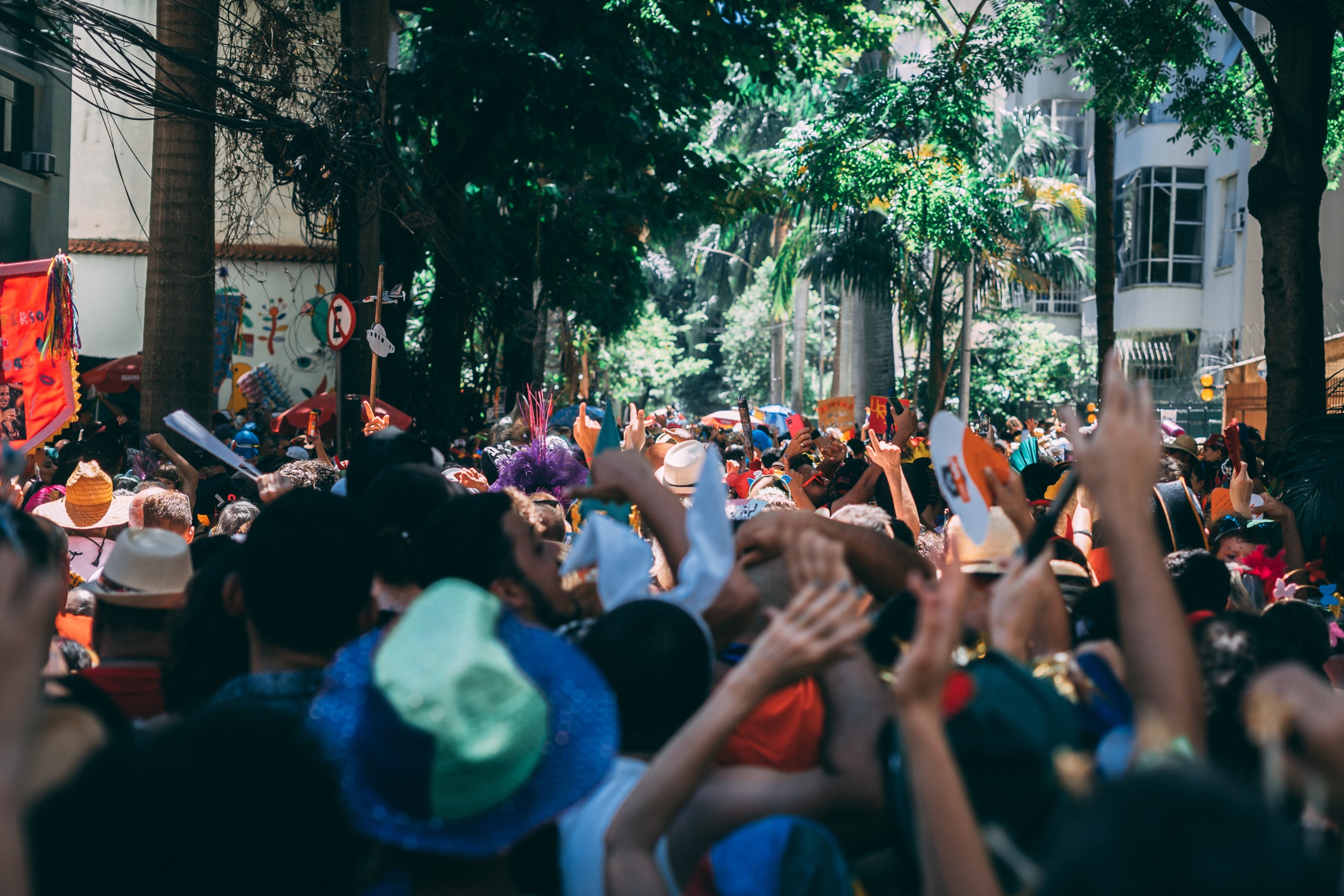
Rio Carnival 2026 officially runs from Friday, February 13, through Wednesday, February 18. The biggest moments happen over the weekend and during the iconic Samba School Parades at the Sambadrome.
Carnival celebrations begin weeks earlier, with street parties known as blocos starting in late January and continuing throughout February.
Millions Expected to Attend in 2026
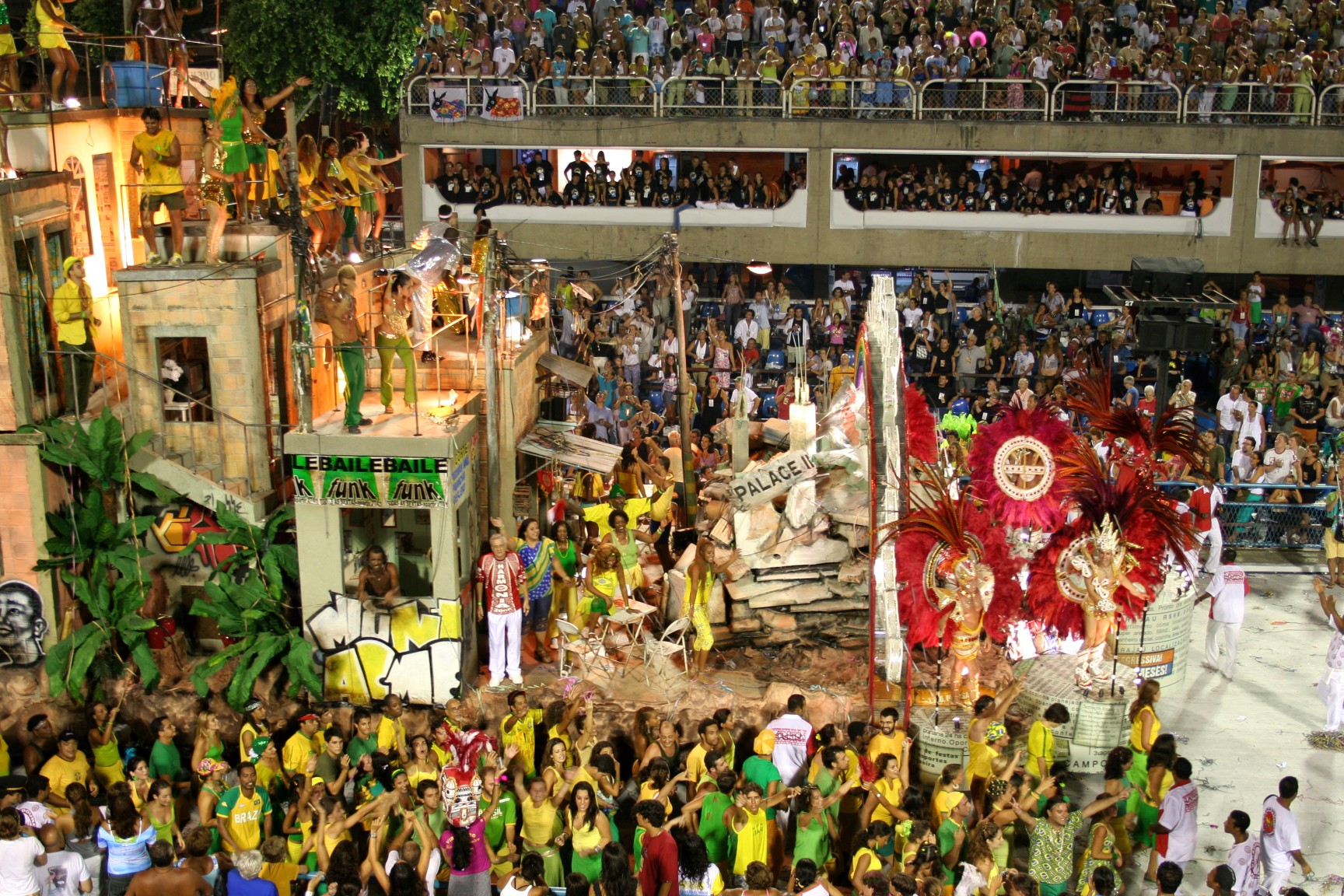
City officials expect more than 7 million participants across Carnival events in 2026, including roughly 2 million tourists. Carnival remains one of Rio’s most important economic drivers, creating thousands of temporary jobs and generating billions in tourism revenue.
Hotels in Copacabana, Ipanema, and central Rio typically sell out well before February, and airlines increase flights to meet demand.
The Sambadrome Samba School Parades
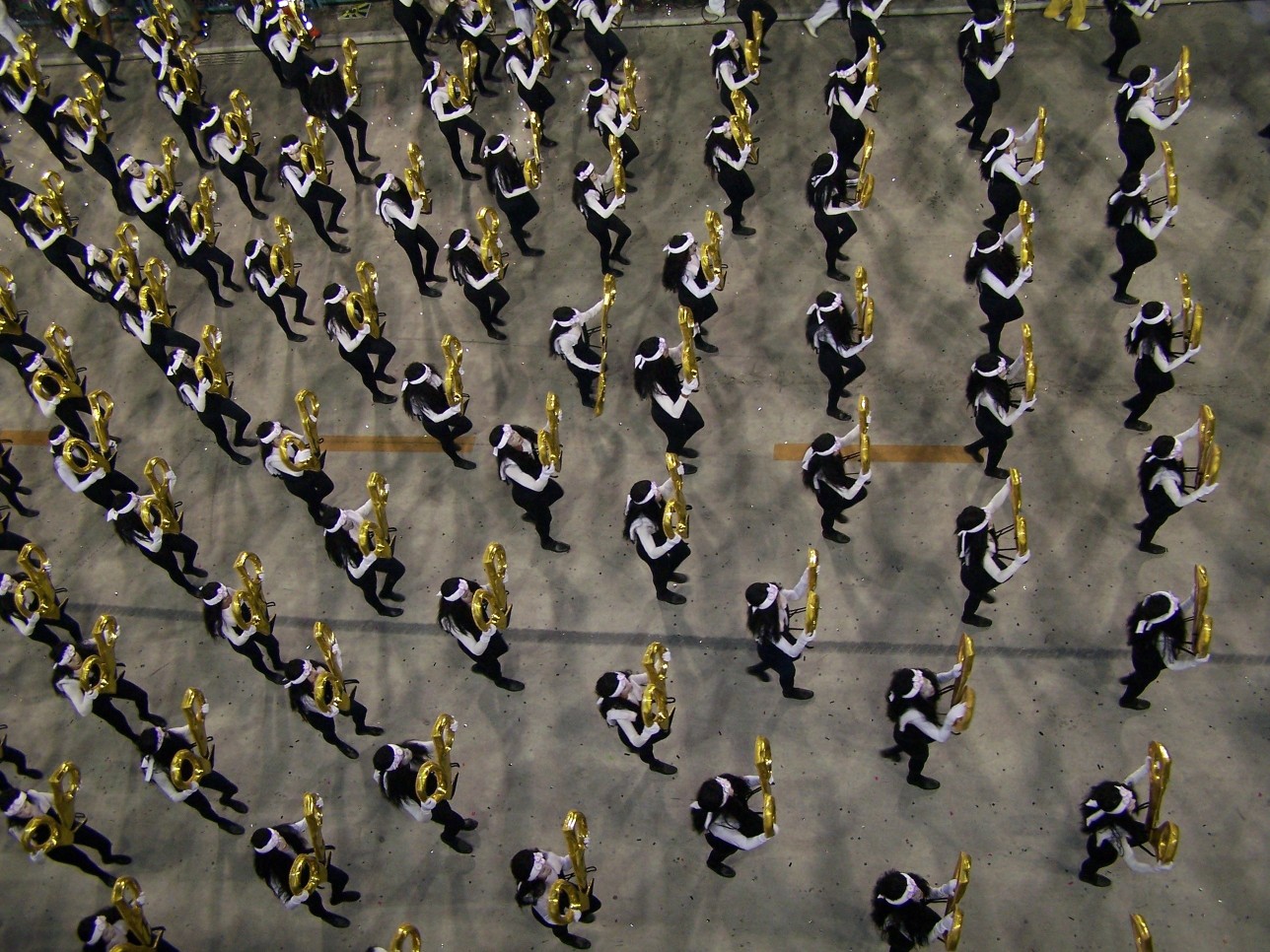
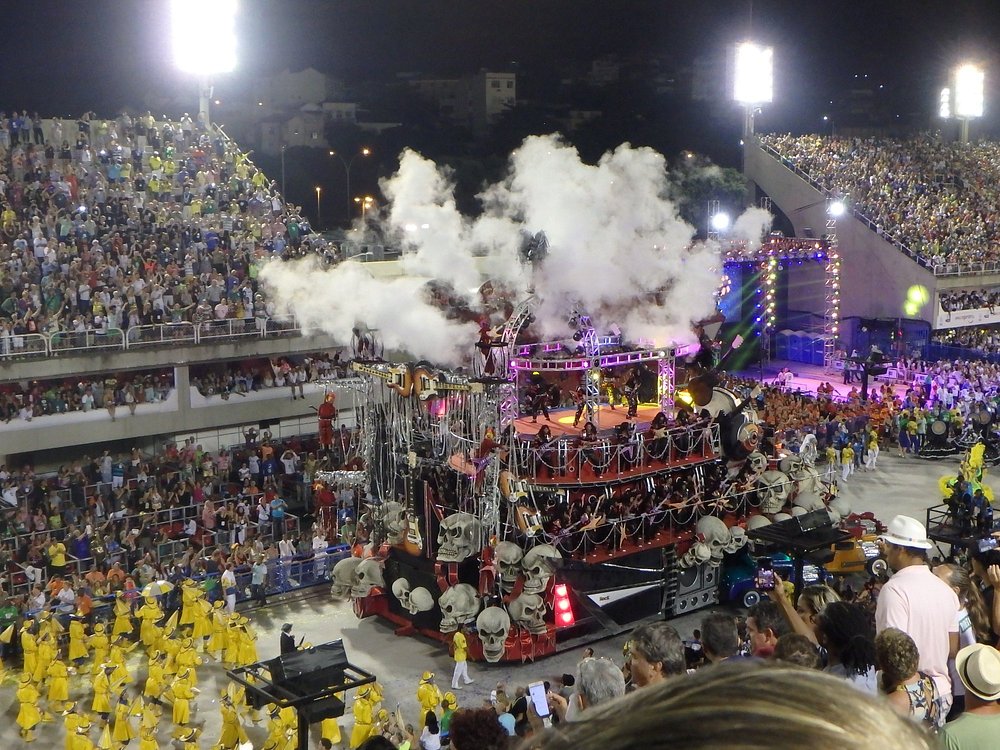
The heart of Rio Carnival is the Sambadrome Marquês de Sapucaí, where the city’s top samba schools compete in stunning nightly parades.
Each school performs with thousands of dancers, massive floats, and original samba songs that tell stories rooted in Brazilian history, culture, and social themes. Judges score performances on music, choreography, costumes, and storytelling.
How Samba Schools Prepare All Year
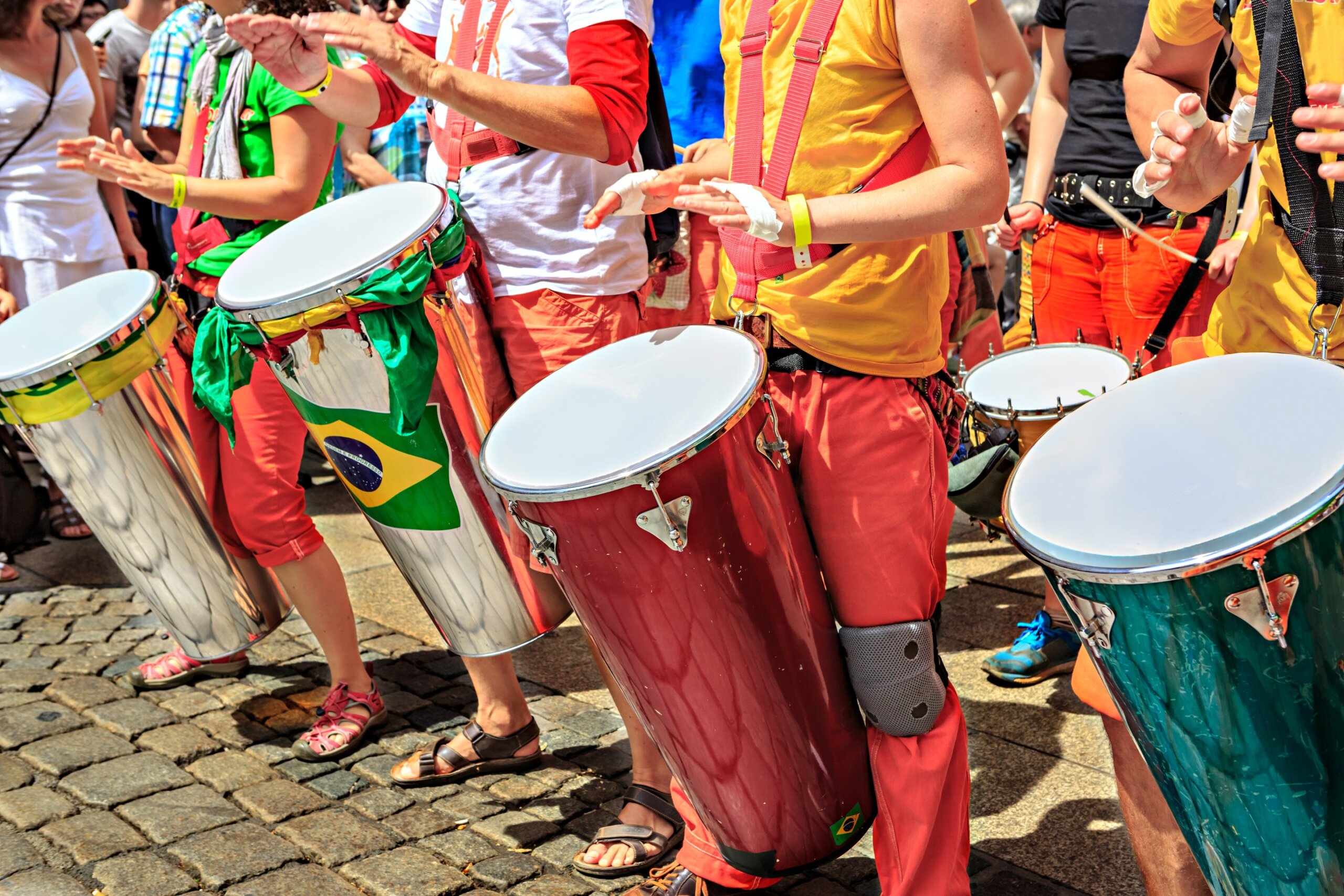
Samba schools spend the entire year preparing for Carnival. Neighborhood-based schools serve as cultural hubs, offering rehearsals, music workshops, and community programs year-round.
Every detail matters, from the opening comissão de frente to the flag bearer and drumline finale.
What’s New for Rio Carnival 2026

Carnival 2026 includes expanded sustainability efforts, such as recycling stations, biodegradable materials, and improved waste management.
City officials have also invested in crowd-flow planning, stronger security measures, and additional medical teams across high-traffic areas.
Family-friendly daytime events are increasing, making Carnival more accessible to visitors of all ages.
Street Parties Bring Carnival to Life
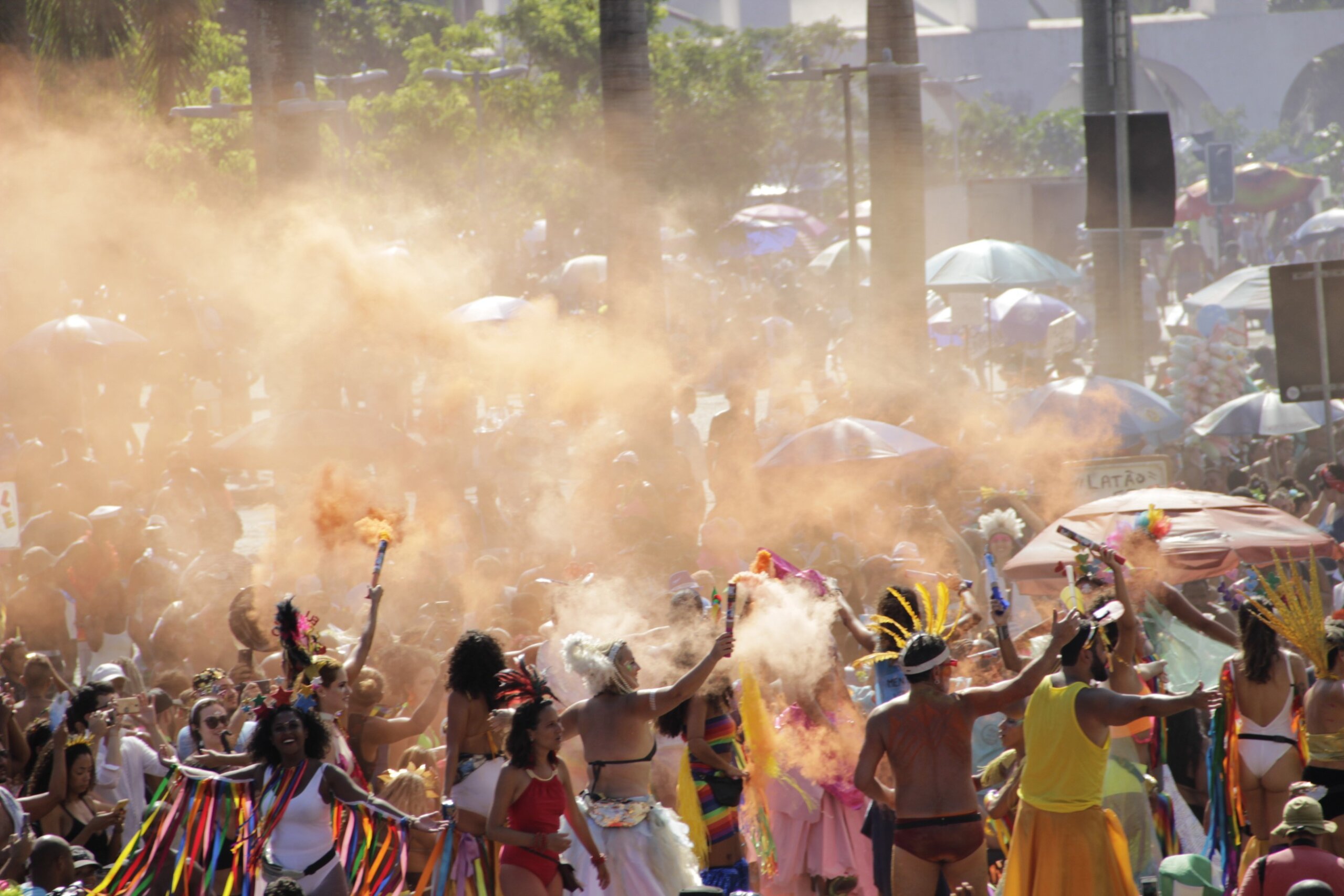
While the Sambadrome delivers spectacle, the soul of Carnival lives in the streets. Hundreds of blocos turn neighborhoods like Lapa, Santa Teresa, Flamengo, and downtown Rio into open-air dance floors.
Some blocos draw a few thousand people, while the largest attract crowds of more than one million.
Music Styles You’ll Hear During Carnival
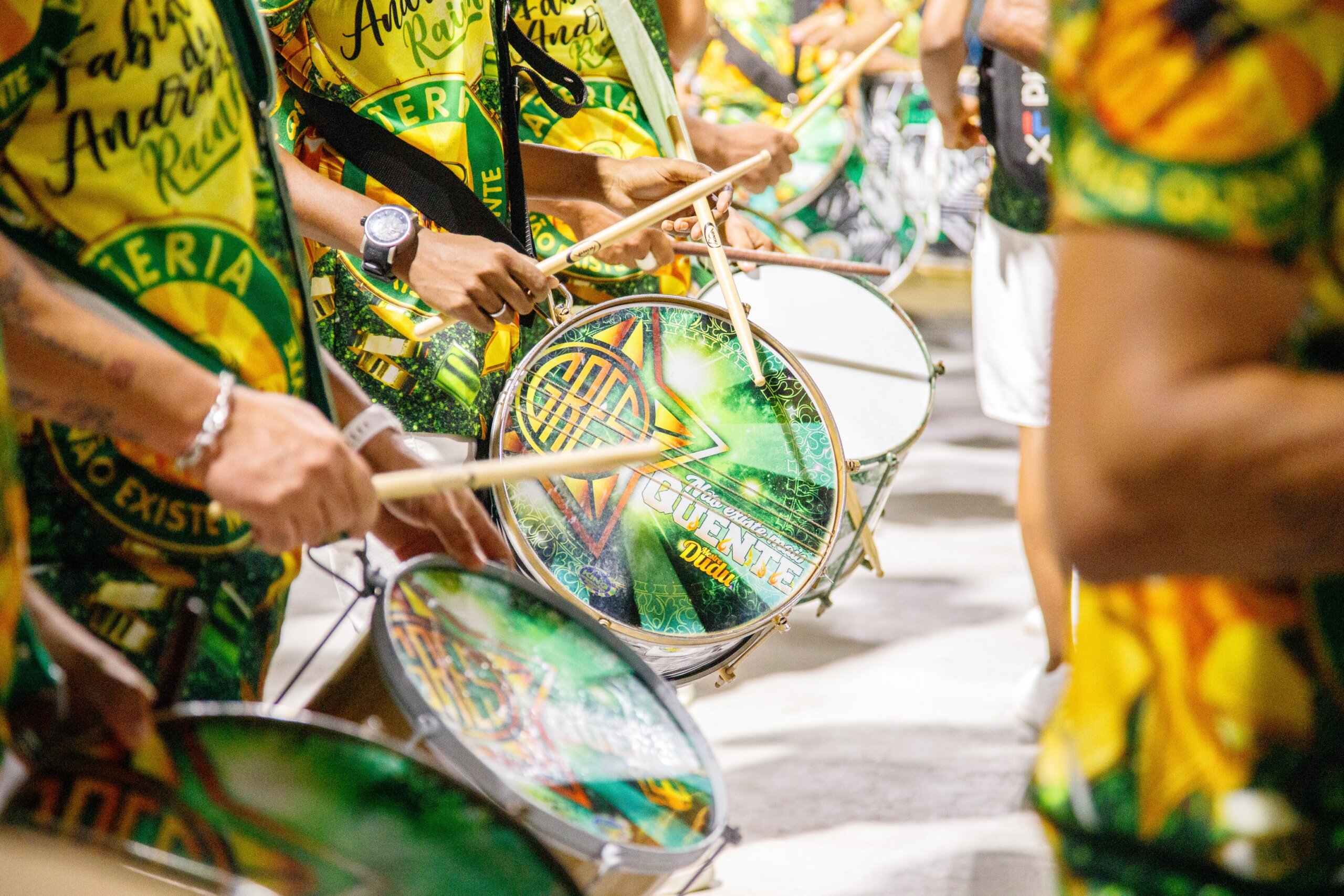
Music during Carnival ranges from traditional samba and marchinhas to funk, pop, brass bands, and Afro-Brazilian rhythms. Each neighborhood develops its own musical identity, creating a different vibe wherever you go.
Ticket Options at the Sambadrome

Sambadrome tickets range from general grandstand seating to luxury camarotes. Sector 9 is popular with tourists because it offers assigned seating.
Tickets often sell out weeks in advance and are available through official sellers, international brokers, and authorized travel agencies.
Travel Tips for Carnival Visitors
Travelers should book accommodations early, arrive early for major events, and monitor public transportation schedules. In February, Rio weather is hot and humid, so sunscreen, hydration, and comfortable shoes are essential.
Officials recommend using licensed taxis or ride-sharing services and keeping valuables secure.
Why Rio Carnival Is a Global Icon
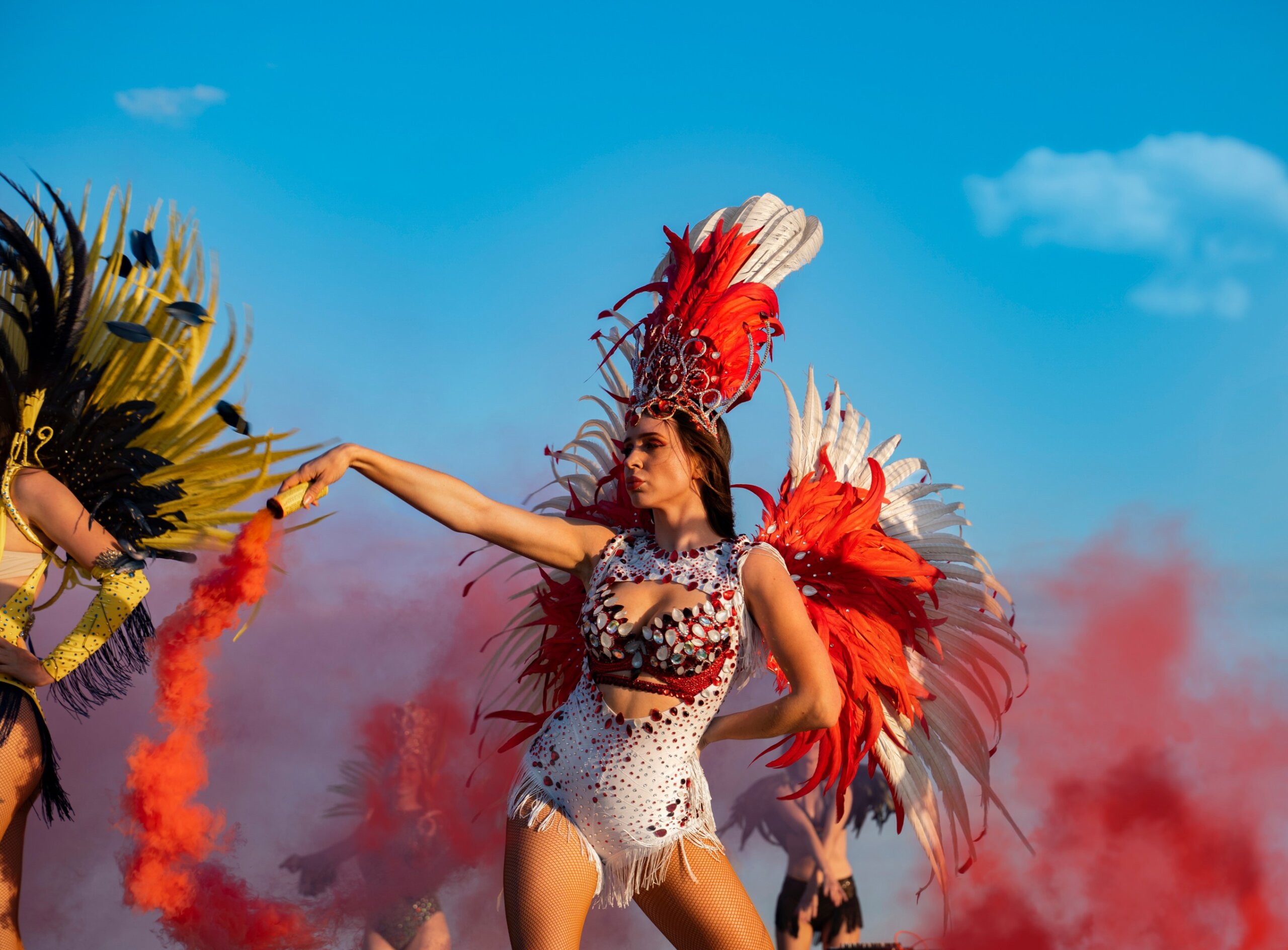
Rio Carnival is more than a festival. It is a living expression of Brazilian creativity, resilience, and community spirit.
For many travelers, attending Carnival is a once-in-a-lifetime experience that leaves a lasting connection to Brazil’s culture and people.
As February approaches, Rio once again prepares to become the world’s biggest celebration.
Want more help planning your next big trip? Here are a few other travel reads to check out: