
By early 2026, the global travel narrative around the United States has shifted. America still ranks as a bucket-list destination for millions, but an increasing number of foreign governments now include cautionary language about U.S. travel on their official advisory pages.
These advisories don’t stop travel altogether, but they do shape how the U.S. is perceived beyond its borders. A 2025 survey from the World Travel & Tourism Council even linked these warnings to a projected decline in international tourism revenue in the U.S. as some foreign visitors rethink or delay travel plans.
Here’s a look at nine of the most talked-about travel advisory themes that give many countries pause when it comes to visiting the United States.
1. Violence and General Safety
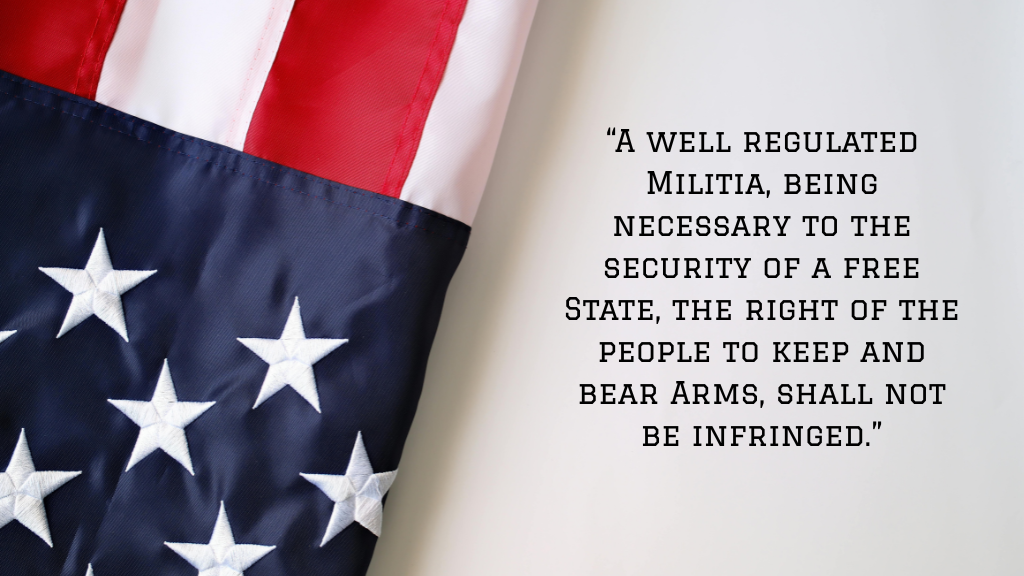
Many travel pages from Canada and several European countries mention gun violence in the U.S. Canada’s official travel advice, for example, notes that gun ownership is higher in the United States and that mass shootings can happen. It encourages travelers to take standard safety precautions and stay alert.
Tourists are not usually targets of violent crime. But the fact that these incidents happen often enough to be mentioned in government travel advice is a big deal to visitors from countries where this is far less common.
2. Border Entry Can Be Stressful and Unpredictable
Foreign governments often remind travelers that entry into the United States is not guaranteed, even with a valid visa or ESTA approval. Countries like Germany and the U.K. warn that border officers can ask detailed questions, search luggage or devices, and deny entry.
For travelers used to smoother entry rules, this can create anxiety before the trip even starts. It also changes how people plan, since many feel they need extra documents and backup proof of their travel plans.
3. U.S Laws Change From State to State
A common message in foreign travel advice is that American laws vary widely depending on where you are. This includes cannabis rules, self-defense laws, medication rules, and driving laws.
Foreign governments often tell visitors to look up local and state laws before traveling, because what is legal in one state may still cause trouble in another.
4. Racial Profiling and Policing Concerns

Some advisories, especially from Canada and the U.K., note that law enforcement practices can vary widely from place to place. Some also warn about uneven treatment, including racial profiling concerns.
The advice usually comes down to simple steps: carry ID, stay calm, follow instructions, and avoid confrontation. It is not a fun thing to see about your home country, but it is part of the picture that many visitors are being shown.
5. LGBTQ+ Rights and Legal Complexity
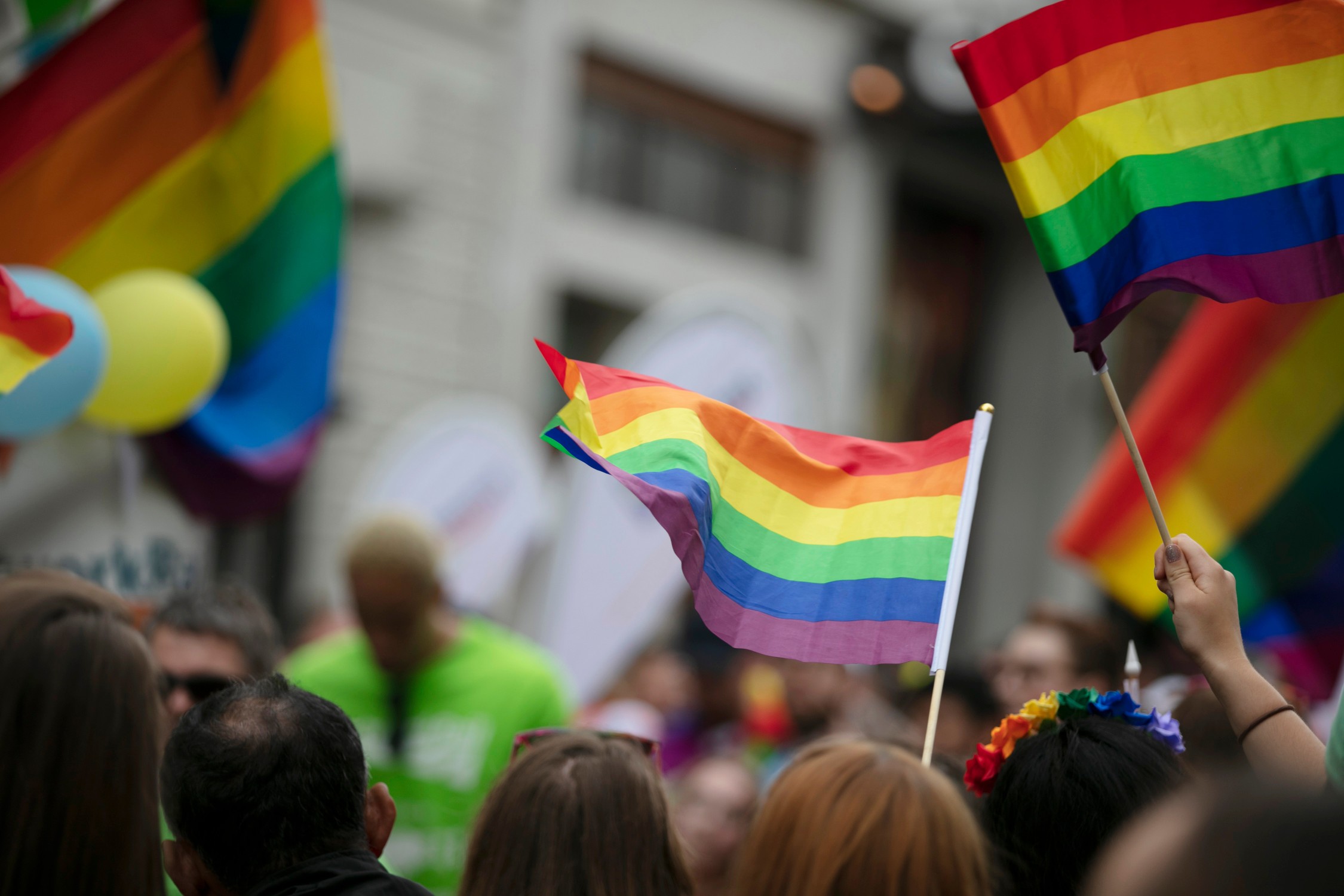
Several European advisories have added guidance for LGBTQ+ travelers, particularly where laws or protections differ from country to country.
This advisory language roughly coincides with recent U.S. policy changes regarding gender identity documentation and access to services. Countries including Denmark, Finland, and others updated their travel advice to highlight potential legal and social challenges for transgender and nonbinary visitors.
6. Healthcare Costs and Access Risk
A lot of foreign travel guidance highlights one major American reality: healthcare can be extremely expensive. Visitors are often warned that emergency care can cost thousands of dollars and that travel insurance is strongly recommended.
This warning often appears because many visitors come from countries with universal healthcare, where getting sick does not carry the same financial risk.
7. Civil Unrest and Protest Alerts

Foreign advisories also warn that protests can happen in U.S. cities, and that situations can change fast. The guidance is usually to avoid protest areas, even if they look peaceful, and to follow local news.
These warnings are not saying protests are everywhere. They are saying visitors should steer clear when large crowds form around political or social issues.
8. Urban Crime and Petty Theft

Many advisories point out common city problems like car break-ins, bag theft, and opportunistic theft in busy tourist areas. Visitors are often told not to leave anything in a parked car and to stay alert in crowded places.
That advice is not unique to the United States. But paired with other warnings, it adds to the feeling that visiting American cities requires extra vigilance.
9. Immigration Policy and Administrative Changes
Some countries note that U.S. entry rules, visa policies, and border procedures can shift. They encourage travelers to double-check requirements close to departure.
For international visitors, this creates a sense that the rules are not always stable. That can make travel planning feel more complicated than it used to.
This has been a notable theme since early 2025 and remains in place in early 2026.
So… Should Anyone Actually Avoid the U.S.?
Not necessarily. Most of these advisories are not “do not travel” warnings. They are reminders to plan carefully and stay aware. Still, when visitors read these points all in one place, the U.S. can seem less simple and more stressful than other destinations.
If you are hosting visitors, traveling with international friends, or just curious about how the U.S. looks from the outside, it is worth knowing what those advisory pages say.
Before booking a trip, travelers should check official guidance from both the U.S. government and their home country’s foreign affairs office.
America’s Still a Dream Trip, But Visitors Do More Homework Now
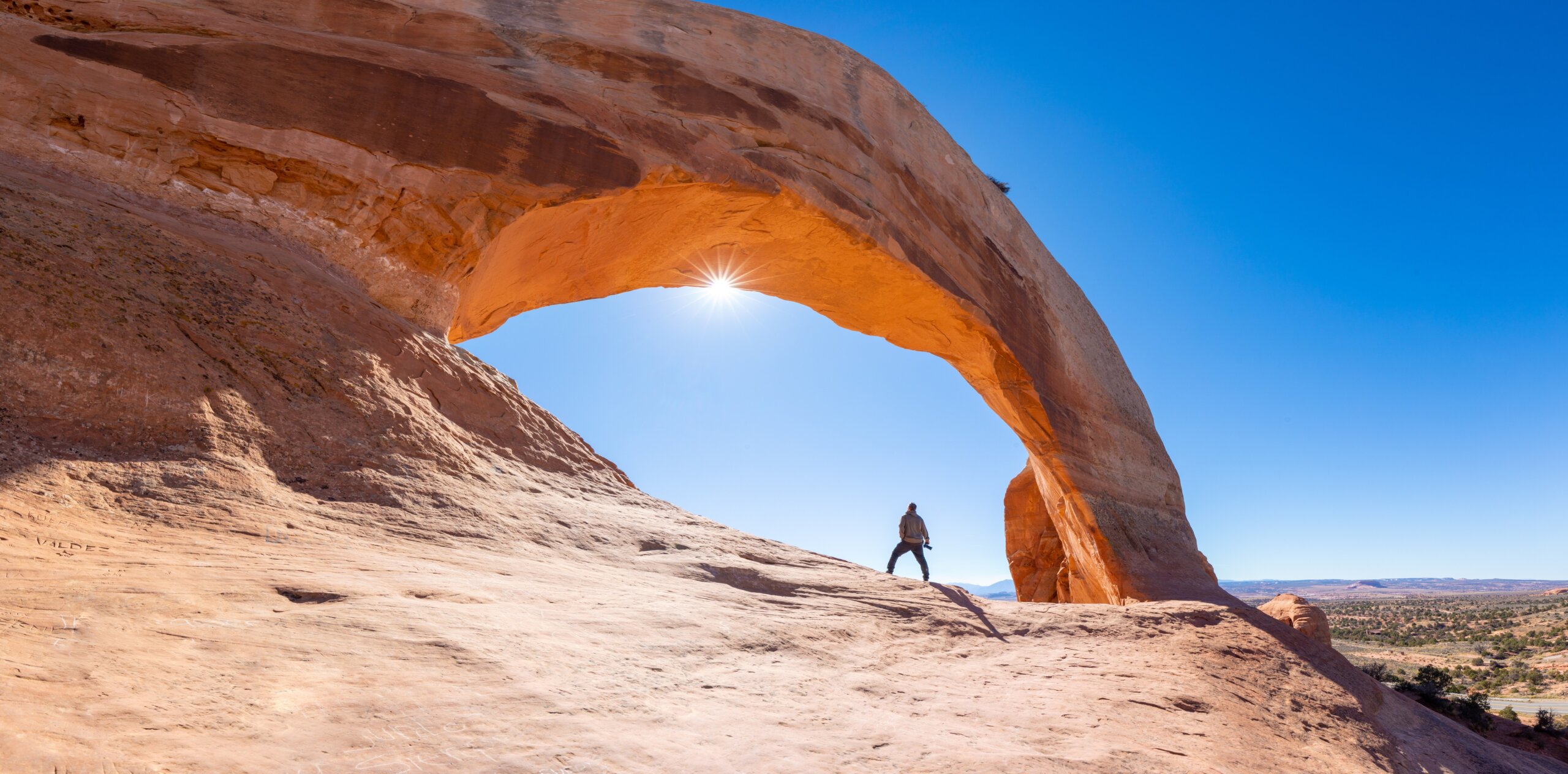
The United States has world-class cities, landscapes, food, and culture. That is not changing. What is changing is how much planning many visitors feel they need before they arrive. These advisories reflect real concerns that travelers are being told to take seriously.
Thinking about your next journey? Here are some travel tips and guides to help you plan it smartly: