
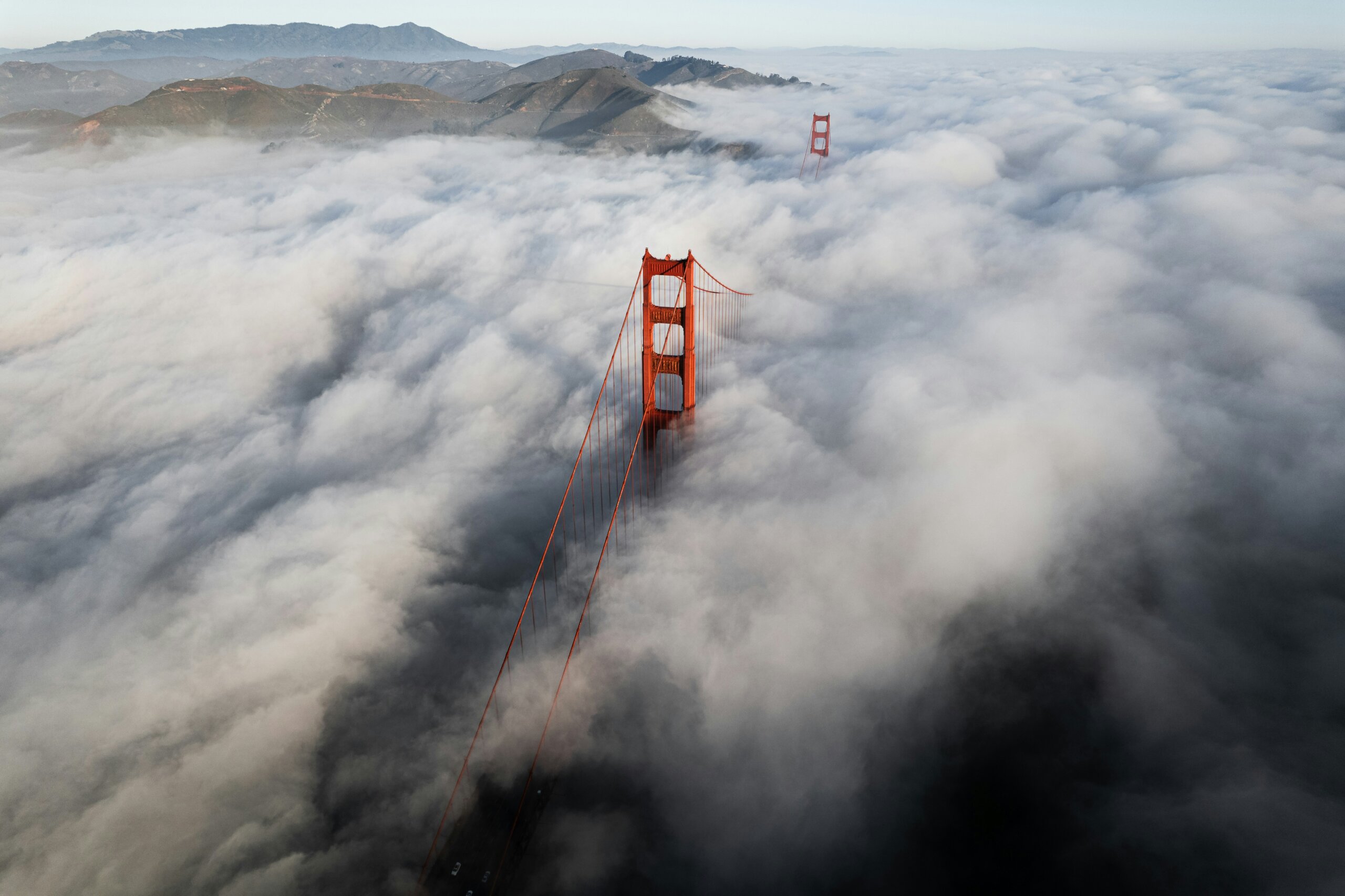
Imagine your favorite city. Now, picture it in about 15 years. What if it became almost impossible to live there? Across the United States, some cities are dealing with huge problems that could make everyday life incredibly tough. Issues like wild weather from climate change, not enough good jobs, and old, crumbling roads and buildings are all starting to pile up. These challenges are putting a serious strain on places people call home.
While many communities are working hard to fix these problems, experts are worried that some cities might not be able to keep up. They warn that by the year 2040, certain places could become unsafe, too expensive, or just not practical to live in anymore. We’re about to explore 10 cities that are facing this very real risk. Let’s look at why these locations are on the watch list and what makes their future so uncertain.
Miami, Florida
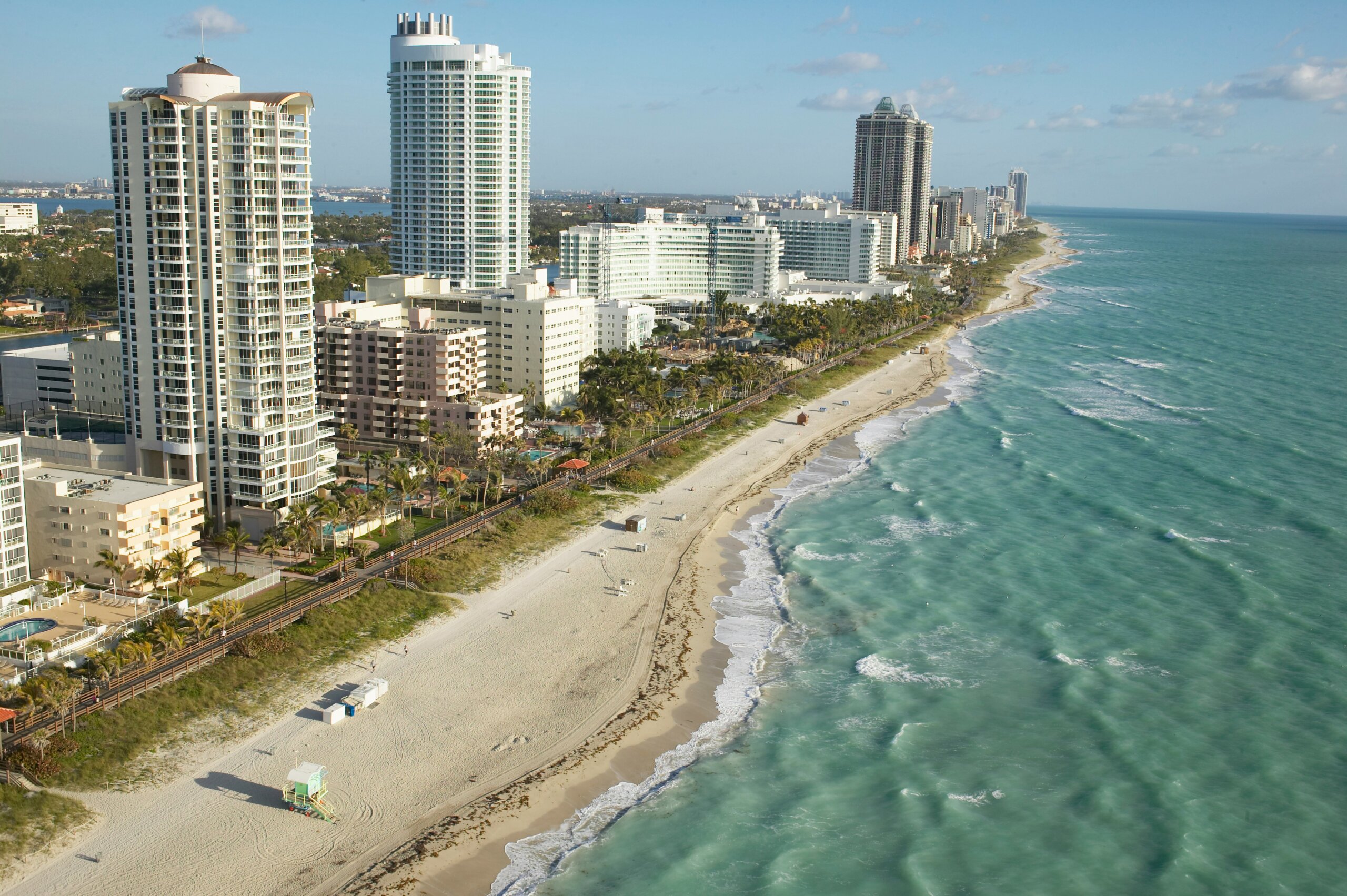
Miami is facing a tough future as rising sea levels threaten to reshape the city. By 2040, water levels could climb up to 17 inches higher than they were in 2000, leading to more frequent flooding. Streets in areas like Miami Beach already experience “sunny-day floods,” where high tides disrupt daily life without a storm in sight. This constant flooding damages homes, businesses, and infrastructure, making it harder for the city to function smoothly.
Another big issue is saltwater intrusion, which is creeping into the Biscayne Aquifer—the main source of drinking water for millions. As saltwater pushes further inland, some wells have already been lost, and restoring freshwater flow is both expensive and challenging. Without major changes, Miami could face a future where clean water is scarce, and living conditions become increasingly difficult. The city is working on solutions, but time is running out.
Phoenix, Arizona
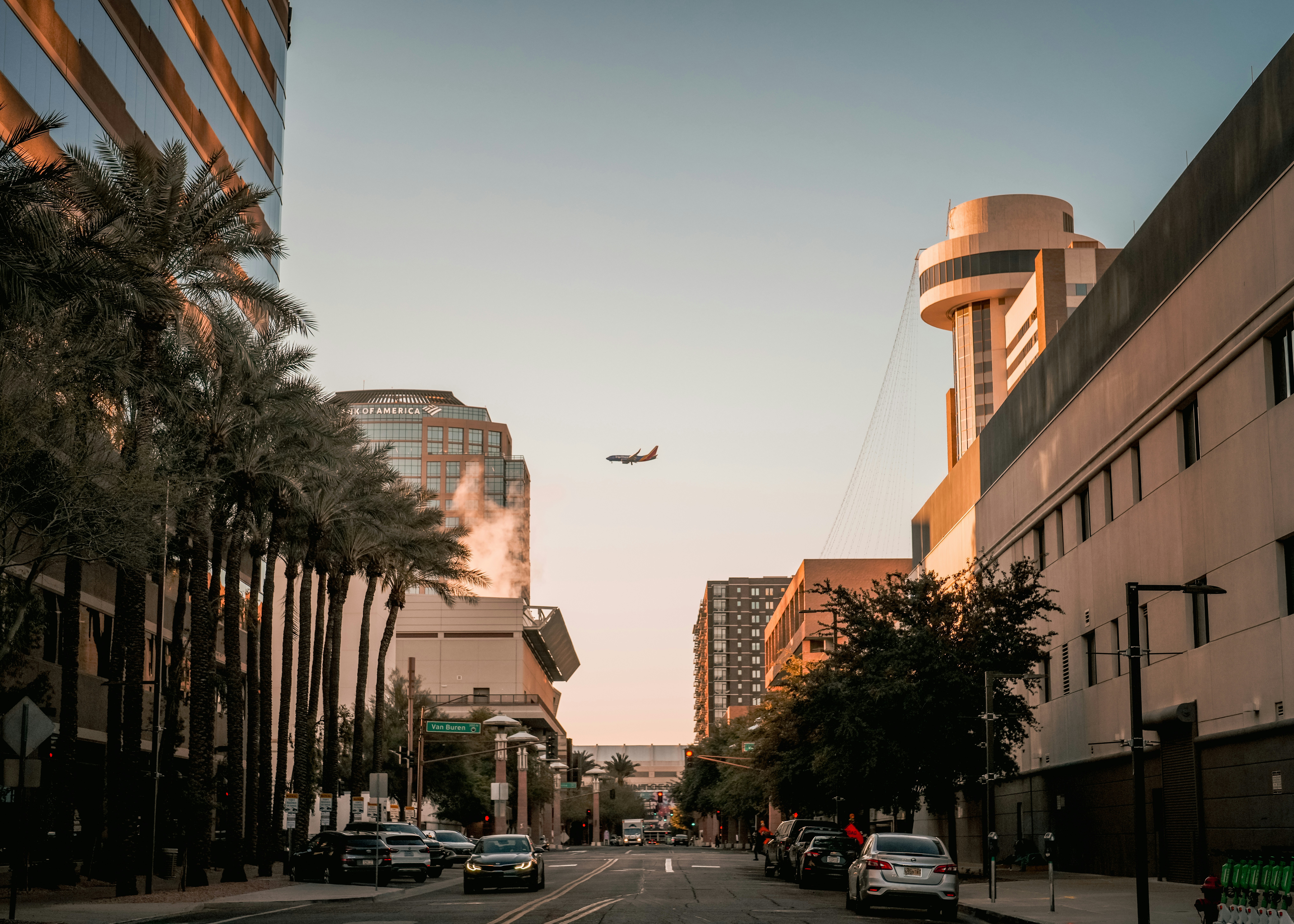
Phoenix is grappling with a future where water scarcity and extreme heat could make life increasingly difficult. The city relies heavily on the Colorado River, which is drying up due to climate change and overuse. By 2040, Phoenix could lose up to 40% of its water supply, forcing tough decisions about how to share the remaining resources. Rising temperatures also strain the power grid, as more energy is needed to cool homes and businesses during scorching summers.
Efforts are underway to adapt, like storing water underground and recycling wastewater, but these solutions come with high costs. Meanwhile, the city’s rapid growth adds pressure to an already fragile system. Without significant changes, Phoenix may face water rationing, higher utility bills, and a struggle to maintain its livability in the desert. The challenges ahead highlight the urgent need for smarter planning and conservation.
New Orleans, Louisiana
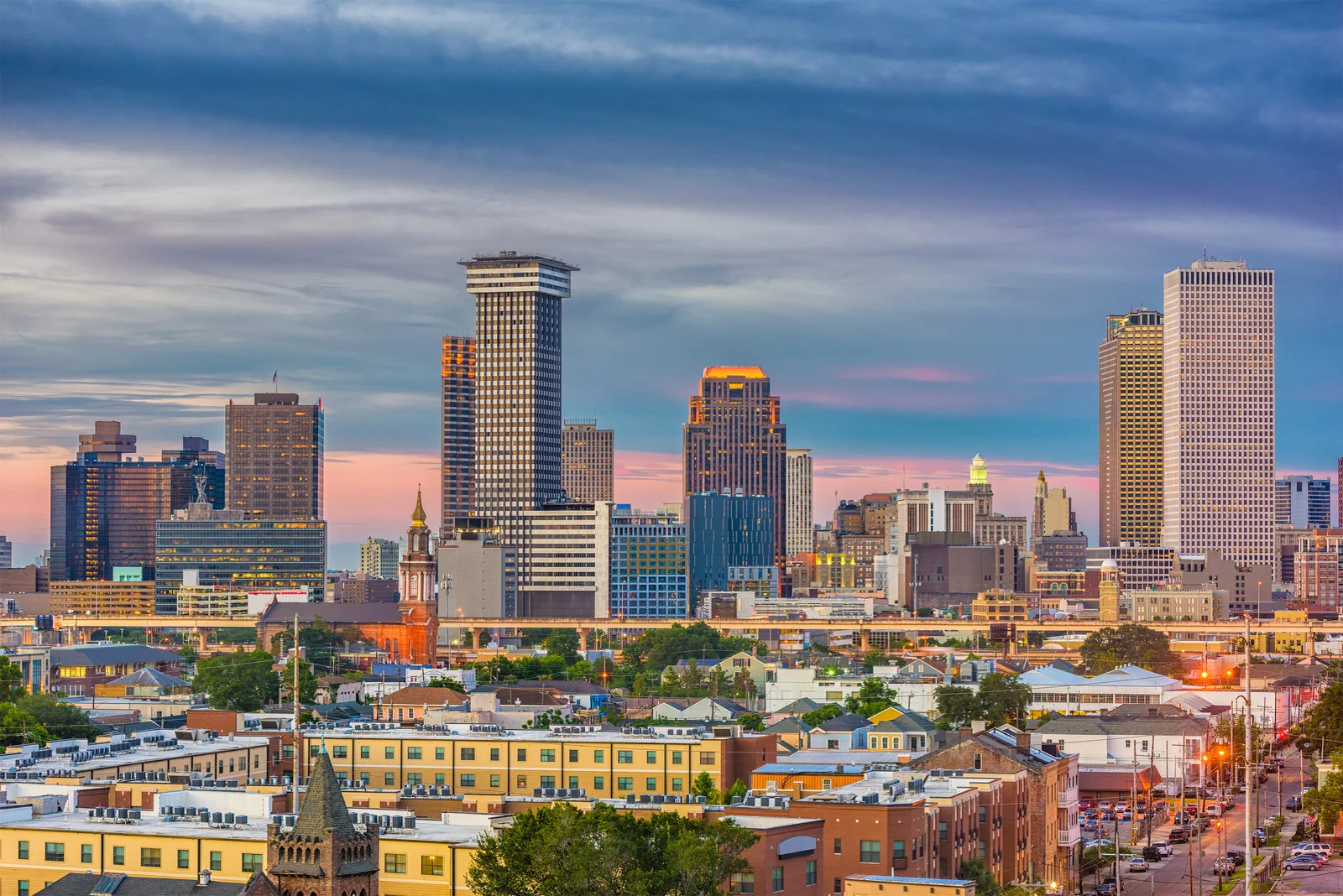
New Orleans, Louisiana, faces a tough battle against rising seas and sinking land. The city’s low elevation and reliance on levees make it especially vulnerable to flooding. Experts predict that by 2040, large parts of the area could be underwater, with wetlands disappearing at alarming rates. This loss not only removes natural flood barriers but also threatens the region’s rich biodiversity and industries like fishing and tourism.
Hurricanes add to the danger, with storms becoming more intense due to warming oceans. Events like Hurricane Katrina showed how devastating storm surges can be, flooding nearly 80% of the city. While efforts are underway to rebuild smarter and elevate structures, the challenges are immense. Without significant action, New Orleans could face a future where its unique culture and way of life are at risk of being washed away.
Las Vegas, Nevada
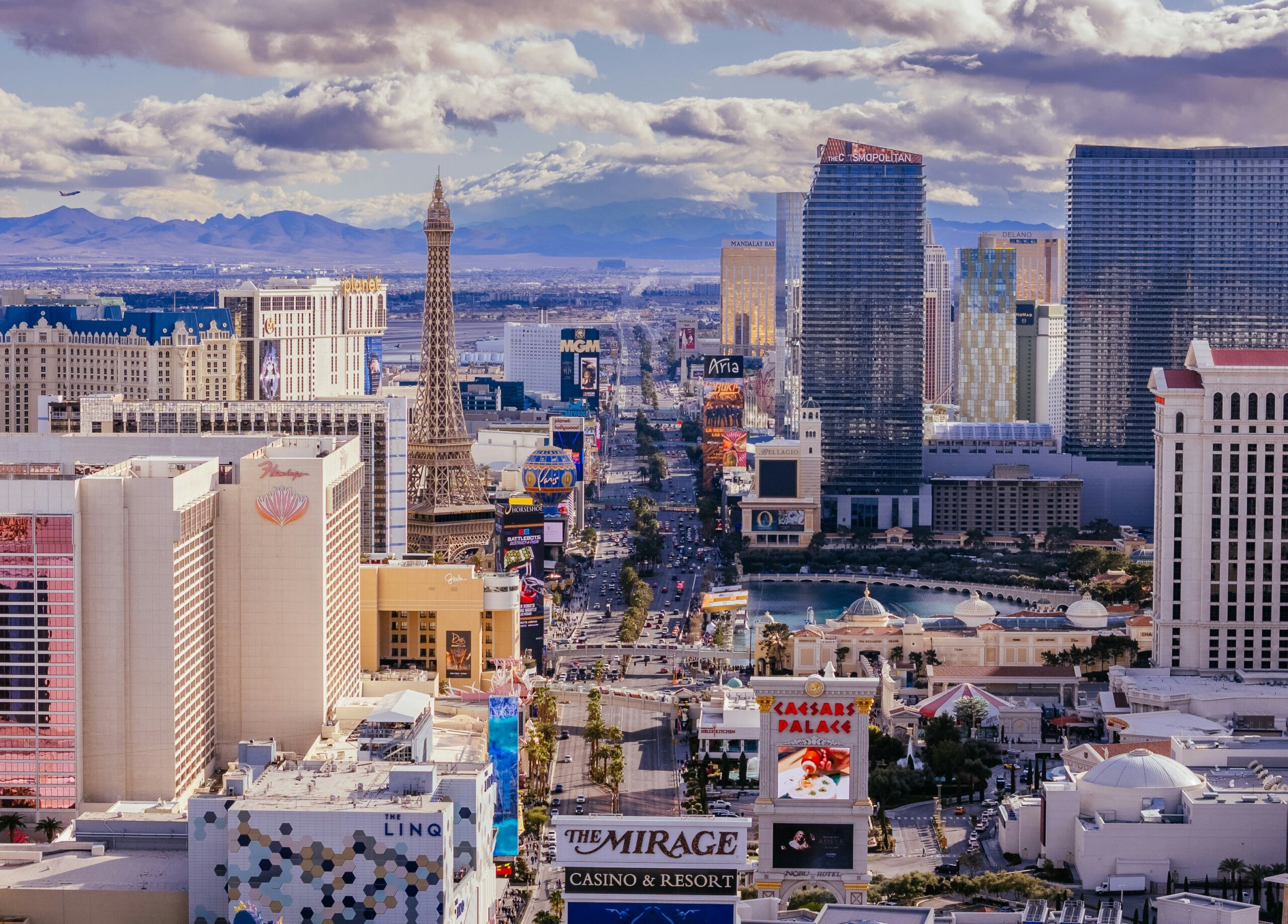
Las Vegas, Nevada, is facing a water crisis that could reshape its future. The city relies heavily on Lake Mead, which has reached historic lows due to prolonged drought and overuse. As the population grows and tourism thrives, the demand for water continues to rise, putting immense pressure on this dwindling resource. Experts warn that without drastic conservation efforts, the city’s water supply may not keep up with its needs.
Adding to the challenge, Las Vegas experiences extreme heat, with temperatures often exceeding 110°F during summer. This combination of rising temperatures and shrinking water resources makes life in this desert city increasingly difficult. While measures like water recycling and restrictions on residential water use have been implemented, the question remains whether these efforts will be enough to sustain the city by 2040.
San Francisco, California
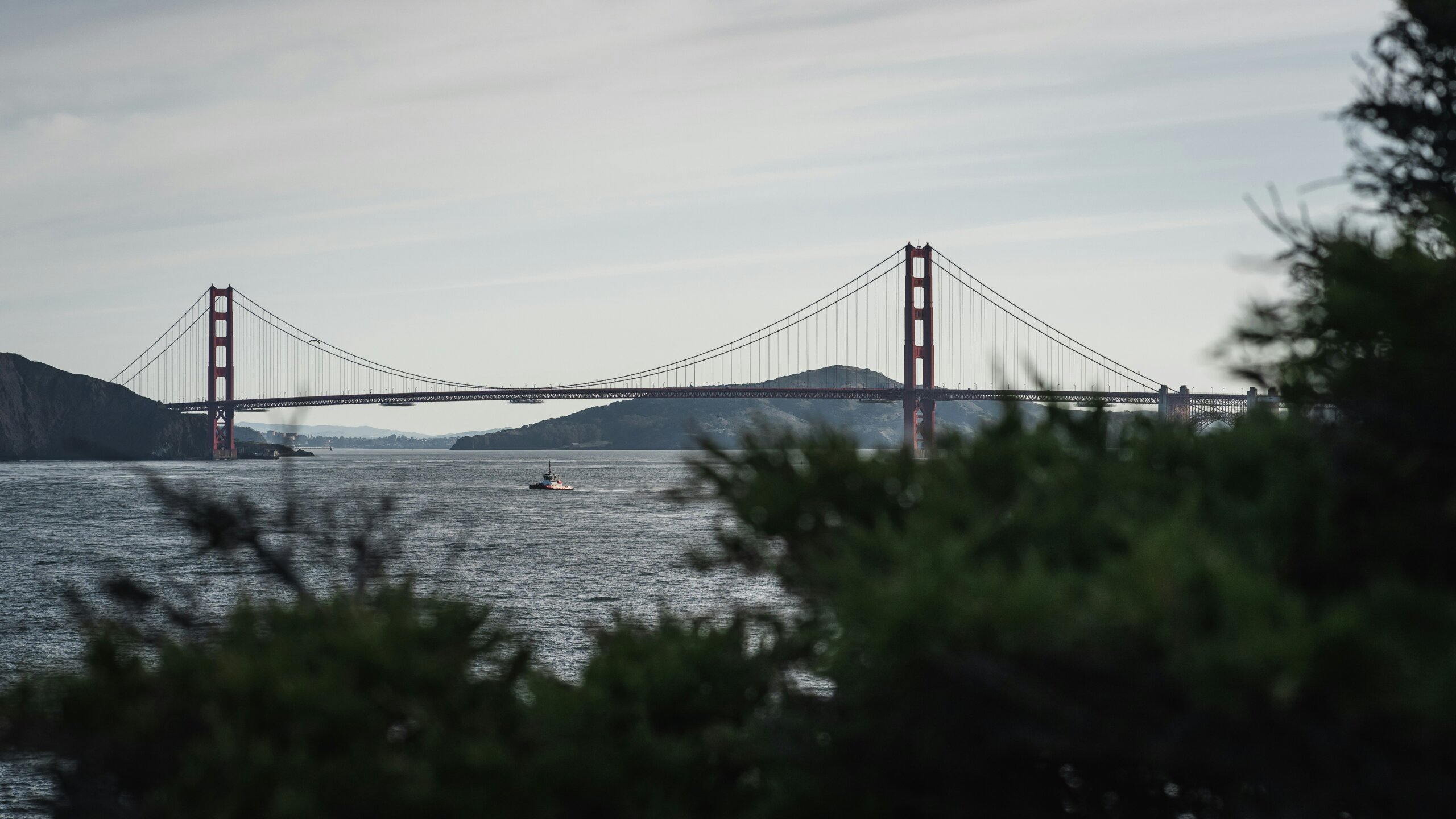
San Francisco, California, faces a challenging future as climate change and economic pressures collide. Rising sea levels threaten to flood low-lying areas, including critical infrastructure like transportation and wastewater systems. The city’s iconic waterfront neighborhoods are particularly vulnerable, with projections showing significant flooding risks by 2040. Efforts to adapt, such as building seawalls or restoring wetlands, are underway but come with high costs and complex planning.
Adding to the strain, San Francisco’s housing crisis makes it increasingly difficult for middle and low-income residents to stay. Skyrocketing rents and home prices, combined with climate-related risks, could turn the city into a place only the wealthy can afford. Without bold action to address both environmental and social challenges, the city’s future may be one of growing inequality and environmental vulnerability.
Houston, Texas
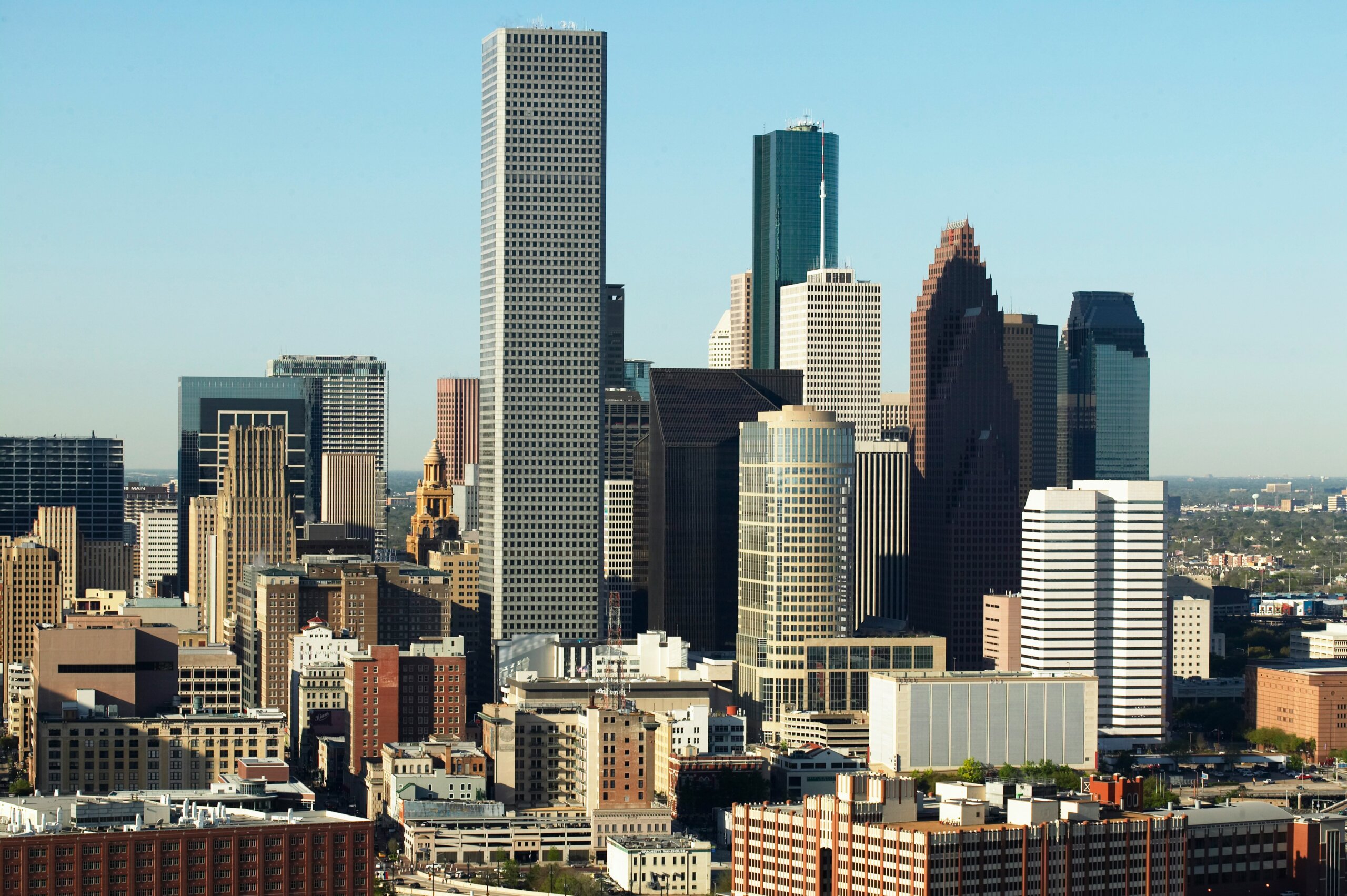
Houston, Texas, faces growing challenges as climate change and industrial pollution take their toll. Frequent flooding, worsened by heavy rains and poor drainage, has turned many neighborhoods into high-risk zones. Areas like Kashmere Gardens and Trinity Gardens are particularly vulnerable, with homes facing a high chance of severe flooding over the following years. These risks, combined with rising insurance costs, are driving some residents to leave, creating what experts call “climate abandonment areas.”
Adding to the problem, decades of industrial activity have left toxic contaminants in the soil, especially in flood-prone areas. When floods occur, these pollutants can spread, posing serious health risks to nearby communities. Many of these neighborhoods are home to low-income families who already face limited resources to adapt or relocate. Without significant action to address these environmental and social issues, Houston’s future could become increasingly unstable for its residents.
New York City, New York
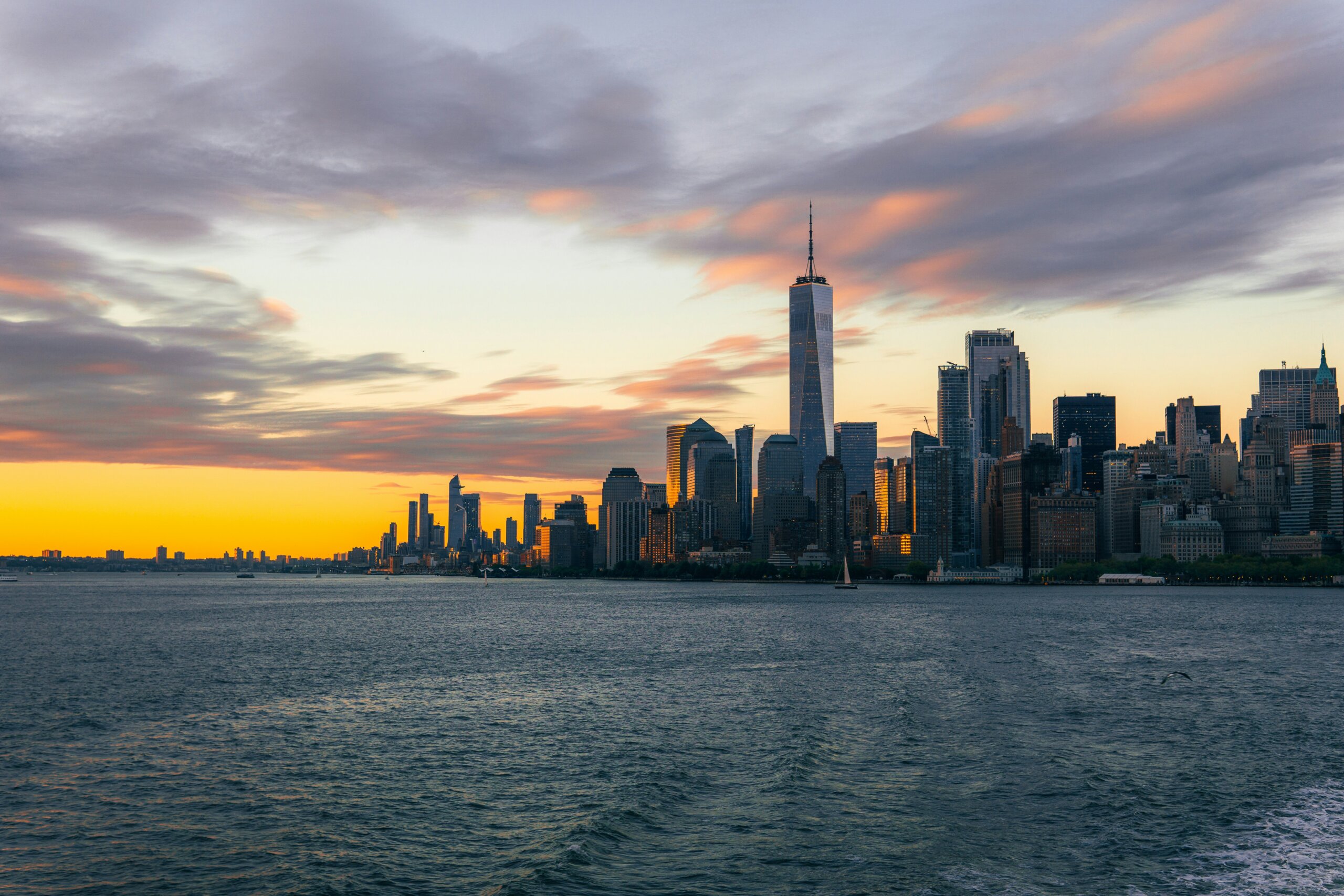
New York City faces a growing threat from rising sea levels and worsening storms. By 2040, up to 82,000 homes in the city and surrounding areas could be lost to flooding, with neighborhoods like the Rockaways and parts of Brooklyn and Queens at high risk. Sea levels have already risen about a foot since 1900, and projections show they could rise another one to two feet by the 2050s, leading to more frequent and severe flooding. This puts not only homes but also critical infrastructure and jobs in jeopardy.
The city’s aging infrastructure struggles to keep up with these challenges, and lower-income residents are hit hardest. Basement apartments, often home to renters with fewer resources, are especially vulnerable to flooding. While efforts like flood walls and raised streets are underway, experts warn that without significant investment in housing and climate resilience, many New Yorkers could face displacement or unmanageable living conditions in the coming decades.
Sacramento, California
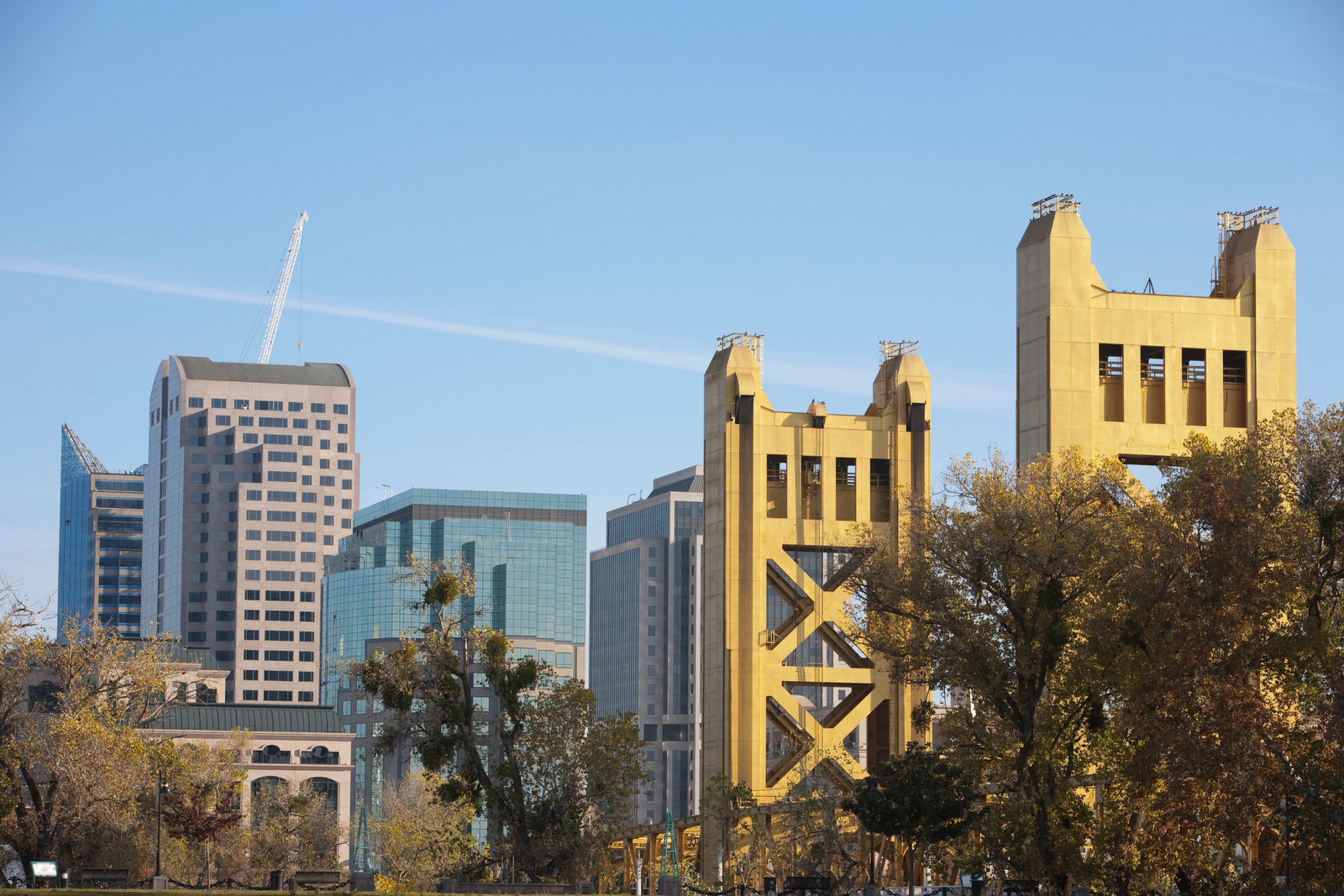
Sacramento, California, faces serious challenges as climate change reshapes its future. Rising temperatures are making heatwaves more intense, putting residents at risk of heat-related illnesses. Wildfires, fueled by dry conditions, worsen air quality, impacting daily life. Additionally, the city’s aging levee system struggles to keep up with the increasing threat of catastrophic flooding, as Sierra Nevada snow melts faster and rainfall becomes more unpredictable.
Experts warn that these issues could make Sacramento less livable by 2040. While the city has taken steps to adapt, like improving flood defenses and promoting water conservation, the pace of climate change may outstrip these efforts. Residents are encouraged to take action, such as planting trees to combat heat and conserving water. However, without significant changes, Sacramento’s future could see more people leaving in search of safer, more stable environments.
Chicago, Illinois
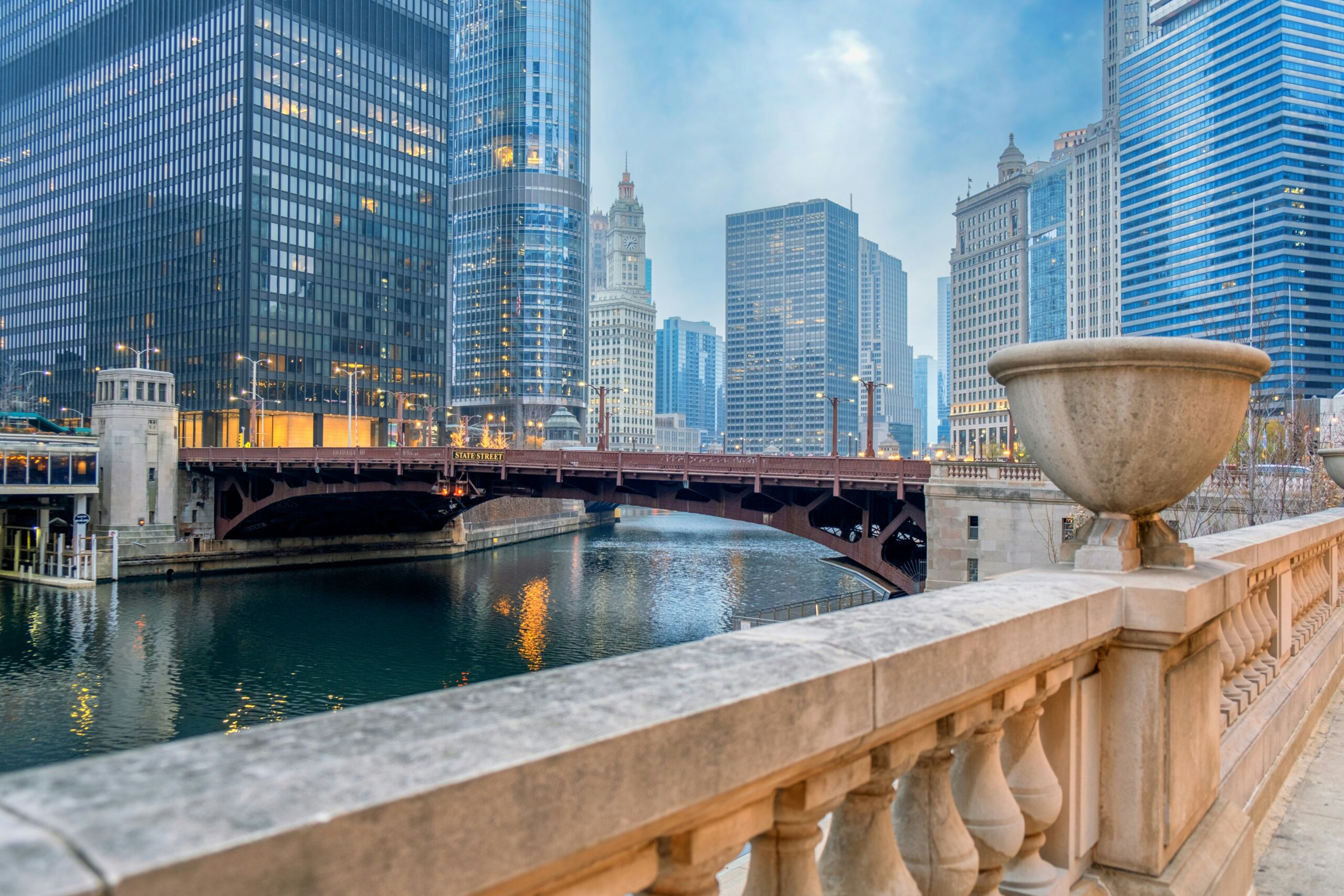
Chicago, Illinois, faces mounting challenges that could make it a tough place to live by 2040. The city’s aging infrastructure struggles to handle extreme weather, with heavy rains overwhelming drainage systems and causing frequent flooding. Rising maintenance costs add to the burden, making it harder to keep up with necessary repairs. Meanwhile, heat waves are becoming more intense, putting stress on residents and energy grids alike.
Adding to these issues, Chicago’s location on a former swamp makes it particularly vulnerable to flooding as Lake Michigan’s water levels fluctuate. Economic inequality further complicates the situation, as not all neighborhoods have equal access to resources and services. Without significant investments in climate adaptation and infrastructure, experts warn that parts of the city may become increasingly difficult to sustain.
Charleston, South Carolina
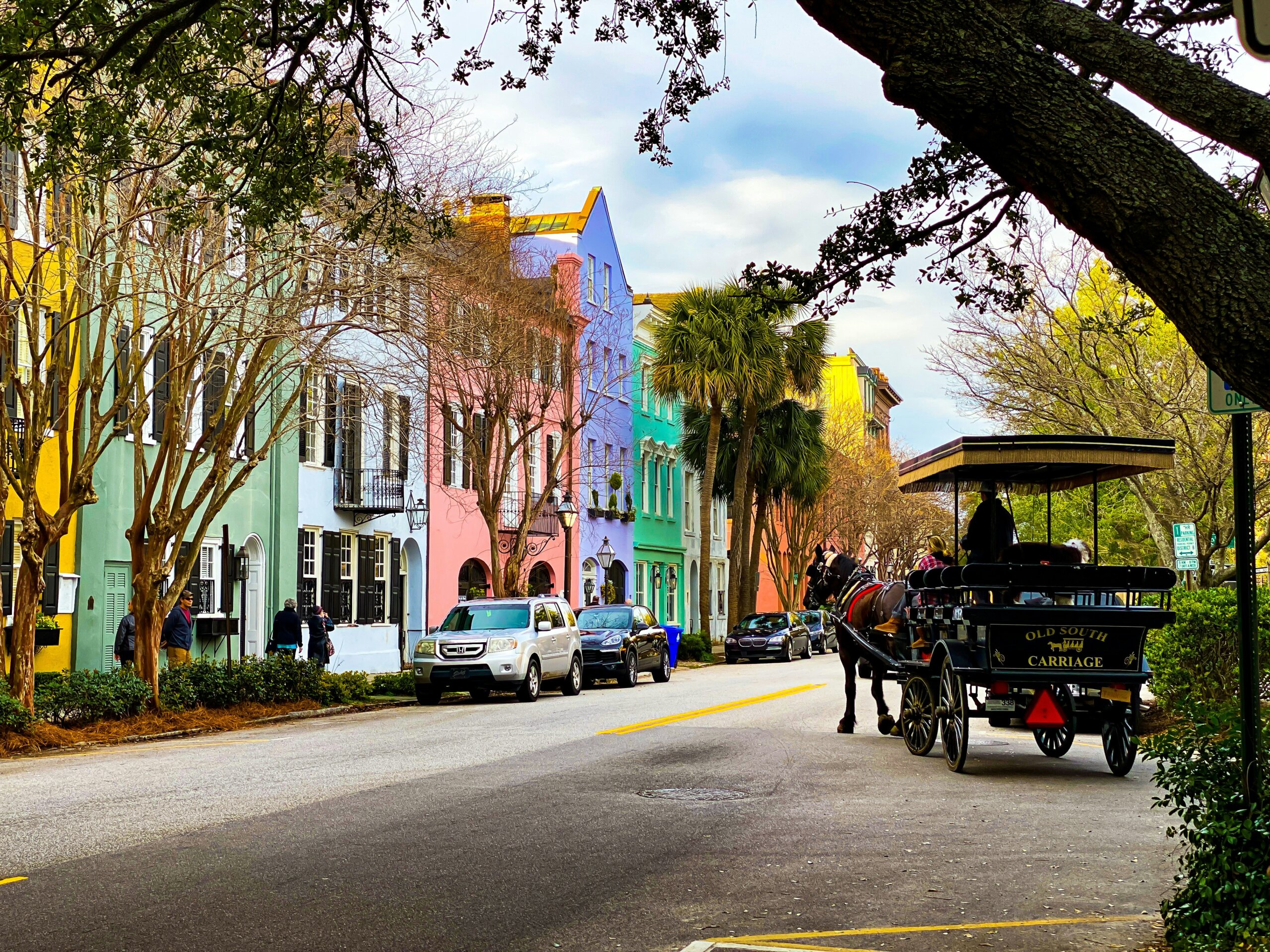
Charleston, South Carolina, is under increasing pressure from rising sea levels and frequent flooding. The city already deals with “sunny-day flooding,” where high tides disrupt streets and homes even without rain. By 2040, experts predict tidal flooding could occur over 100 days a year, threatening historic neighborhoods and essential infrastructure. These changes could make daily life more complicated for residents and businesses.
Hurricanes bring additional risks, with storm surges expected to grow stronger, pushing water further inland and causing significant damage. Saltwater intrusion is another concern, potentially contaminating freshwater supplies and harming local ecosystems. To safeguard its future, Charleston will need substantial investments in flood defenses and forward-thinking solutions. Without these efforts, the city’s historic character and livability could face serious challenges.
The Future of U.S. Cities Depends on Action
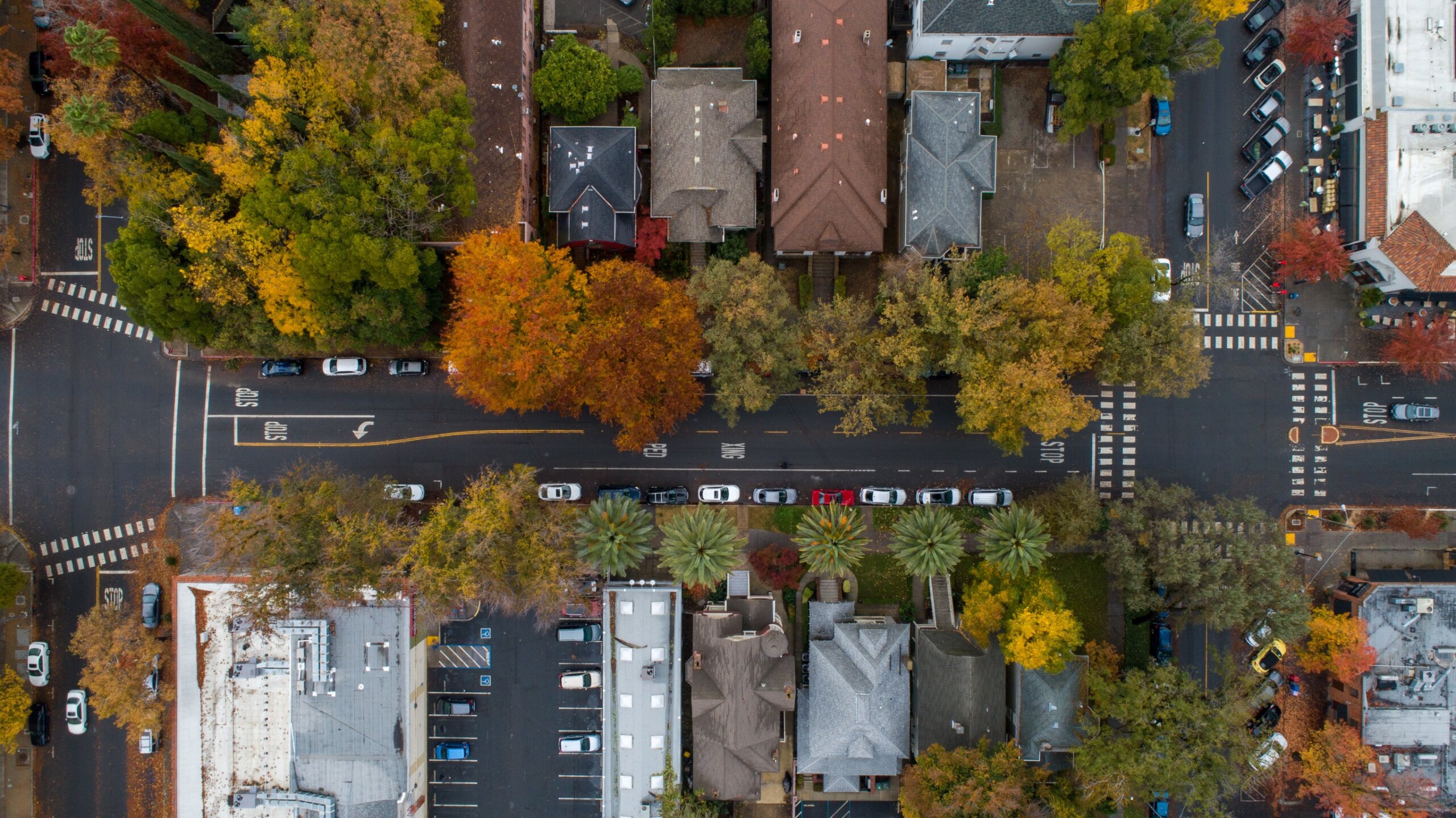
As we look ahead to 2040, the challenges facing these ten cities are a wake-up call about the impact of climate change, aging infrastructure, and social inequalities. From rising sea levels to extreme heat, these issues demand action now to protect the people and places we care about. The future of these cities depends on bold decisions, innovative solutions, and a commitment to creating safer, more sustainable communities for everyone.
But livability isn’t just about the environment—it’s also about how safe people feel in their own neighborhoods. That’s why it’s worth exploring our article on the 10 Cities Ranked By Residents’ Fear Of Walking Alone At Night. It dives into another layer of what makes a city livable: personal safety. Together, these stories highlight the importance of addressing both physical and social challenges to ensure cities remain places where people can thrive.
If you’re exploring more insights into safety, livability, and urban challenges, here are a few related reads you may find useful: